Aldactone (Spironolactone) – Patient-Friendly Guide (UK)
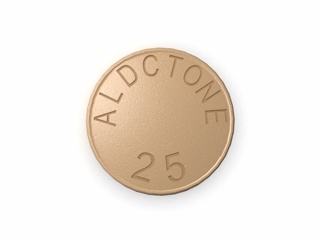
Aldactone is the brand name for spironolactone, a medicine that helps the body get rid of excess salt and water while also reducing potassium loss. It belongs to a group of medicines called aldosterone antagonists (also known as potassium-sparing diuretics).
This guide explains what Aldactone is used for, how it works, how it’s taken, common side effects and safety points, and practical information to help you use it confidently in the United Kingdom (UK).
Basic product information
| Item | Information |
|---|---|
| Active ingredient | Spironolactone |
| Brand name | Aldactone |
| Medicine type | Potassium-sparing diuretic / aldosterone antagonist |
| How it works | Blocks aldosterone receptors, reducing salt/water retention and lowering potassium excretion |
| Common strengths | Available in different tablet strengths (varies by manufacturer/availability in the UK) |
| Typical routes | Oral tablets |
How Aldactone works (mechanism of action)
Aldosterone is a hormone made by the adrenal glands. It tells the kidneys to hold onto sodium (salt) and water while excreting potassium.
Spironolactone works mainly by blocking aldosterone receptors. When aldosterone can’t do its job:
- The kidneys excrete more sodium and water (this can reduce swelling and fluid build-up).
- The kidneys conserve potassium (so potassium levels can stay normal or rise).
- This can also reduce strain on the heart in conditions where fluid retention and aldosterone are involved.
Spironolactone also has hormonal activity (it can affect androgen/progesterone pathways), which is one reason some people experience breast tenderness or other hormone-related effects.
Pharmacokinetics (how the body handles the medicine)
Understanding pharmacokinetics can help explain timing and why it may take days to reach full effect.
- Absorption: Spironolactone is absorbed after oral dosing. Taking it with food may improve absorption and help reduce stomach upset for some people.
- Metabolism: It is metabolised in the body, producing active metabolites (including canrenone).
- Onset and duration: Diuretic effects may begin within hours, but the overall therapeutic benefit often builds over several days.
- Half-life: The parent drug and especially its active metabolites have relatively long half-lives, contributing to once- or twice-daily dosing in many regimens.
- Elimination: Metabolites are cleared primarily by the kidneys and to some degree via other routes.
Typical uses in the UK
Aldactone is used for a range of conditions related to fluid balance, aldosterone levels, and certain hormone-mediated processes. The most common UK uses include:
- Heart failure (selected cases): To help manage fluid retention and support treatment where aldosterone-driven fluid retention occurs.
- Oedema (swelling) related to aldosterone/heart or other causes: In situations where potassium-sparing diuresis is appropriate.
- Hypertension: Sometimes used as an add-on treatment in resistant cases where fluid/salt balance contributes.
- Hyperaldosteronism / primary hyperaldosteronism: For example, in preparation for further management or in specific clinical scenarios.
- Hirsutism (excess body hair in women) and acne linked to androgen activity: In some patients, particularly when hormonal causes are suspected and other causes have been considered.
- Polycystic ovary syndrome (PCOS)-related symptoms: Sometimes considered for selected cases under medical supervision.
Note: The exact indication and dosing depend on your individual situation, lab results (especially kidney function and potassium), and how you respond to treatment.
Indications and expected benefits
1) Fluid retention and swelling
Aldactone helps reduce excess fluid by encouraging the body to remove sodium and water. Because it’s potassium-sparing, it’s often selected when maintaining potassium balance is important.
2) Heart failure support
By counteracting aldosterone’s effects, spironolactone can help reduce fluid build-up and improve outcomes in appropriate patients as part of a broader treatment plan.
3) Hormone-related skin and hair symptoms
Because spironolactone affects hormonal signalling, some people—commonly women—may see improvements in acne or unwanted hair growth over time.
Dosing: how it’s typically taken
Your dose should be based on the condition being treated, your kidney function, potassium levels, and how you respond. Below are general dosing patterns commonly used; follow your local supply instructions and the guidance provided with your medicine.
- Adults: Doses may range from low tens of milligrams up to higher daily doses depending on indication.
- Heart failure / fluid-related conditions: Often taken once daily or divided into two doses to improve tolerability.
- Hormone-related symptoms (e.g., acne/hirsutism): Often started at a lower dose and increased if needed.
- Older adults: May be more prone to changes in kidney function and potassium; dose adjustments and closer monitoring are common.
- Kidney impairment: Caution is essential—your clinician may choose a lower dose or avoid spironolactone depending on your potassium and estimated kidney function.
Important: Aldactone can raise potassium. That’s why monitoring is a key part of safe use.
Timing: when to take Aldactone and how to manage doses
Many people take Aldactone or , depending on their prescribed regimen.
- With food: Taking it with meals can improve absorption and reduce stomach upset for some people.
- Diuretic effect: Because it can increase urination, some people prefer taking the dose earlier in the day to reduce disruption at night.
- Consistent routine: Try to take it at the same times each day for steadier levels.
- If a dose is missed: Take it as soon as you remember on the same day. If it’s close to the time of your next dose, skip the missed dose and continue as normal. Do not double up.
Food interactions and practical eating tips
Food doesn’t usually have drastic interactions with spironolactone, but certain eating habits can affect potassium levels.
- Taking with meals: Often helps tolerability and absorption.
- High-potassium diets: Be cautious with large increases in potassium intake, especially if you have kidney problems or are also taking other medicines that raise potassium.
- Salt substitutes: Many salt substitutes contain potassium chloride. Avoid using these unless your clinician has specifically advised it, as they can increase the risk of high potassium.
- Fruit/vegetables: A normal healthy diet is usually fine. The key issue is whether your total potassium load is unusually high for your medical situation.
Alcohol and medicine interactions
Alcohol can affect blood pressure, hydration, and how you feel—particularly when taking diuretics.
- Blood pressure effects: Alcohol can sometimes lower blood pressure, which may increase dizziness, especially when standing up.
- Dehydration risk: Because Aldactone can increase urination, heavy alcohol intake may worsen dehydration.
- Medication interactions: Spironolactone itself is not known for a specific “direct” interaction with alcohol in most patients, but combined effects on blood pressure and hydration can be significant.
If you drink alcohol, consider moderation and ensure you stay well hydrated. If you experience dizziness or light-headedness, reduce alcohol and discuss with a healthcare professional.
Medicine interactions: key safety considerations
The most important interaction issue with Aldactone is around potassium and kidney function.
Medicines that can raise potassium further
Using Aldactone with other potassium-raising medicines can increase the risk of hyperkalaemia (high potassium). Examples include:
- ACE inhibitors (e.g., enalapril, lisinopril)
- ARBs (e.g., losartan, candesartan)
- Direct renin inhibitors (e.g., aliskiren)
- Potassium supplements
- Potassium-containing salt substitutes (including many “low salt” mixes)
- Some diuretics that may increase potassium (depending on the type)
- Trimethoprim (antibiotic), sometimes used for infections
Medicines that may affect kidney function
- Non-steroidal anti-inflammatory drugs (NSAIDs) (e.g., ibuprofen, naproxen, diclofenac): may affect kidney function and counteract diuretic effects in some people.
Other relevant interactions
- Digoxin: Changes in electrolytes such as potassium can affect digoxin safety.
- Lithium: Kidney clearance may be affected—this can raise lithium levels.
- Other antihypertensives: Additive blood pressure-lowering effects may cause dizziness.
To stay safe, it’s important to tell your pharmacist or clinician about all medicines and supplements you take, including herbal products.
Safety profile: side effects and when to seek help
Most people tolerate Aldactone well, but like all medicines it can cause side effects. The most clinically important risk is increased potassium.
Common or expected side effects
- Increased urination (usually earlier in treatment or after dose changes)
- Dizziness or light-headedness, particularly when standing up
- High potassium symptoms may include weakness or tingling (often silent, which is why monitoring matters)
- Breast tenderness or breast enlargement (in some patients)
- Menstrual changes (in some women)
- Digestive upset (nausea, stomach discomfort) in some people
Serious side effects—seek urgent medical advice if
- Symptoms of dangerously high potassium: severe weakness, fainting, slow/irregular heartbeat, or new chest symptoms
- Signs of kidney problems: reduced urine output, sudden swelling changes, or unexpected fatigue
- Severe allergic-type reaction: swelling of face/lips, difficulty breathing, widespread rash
If you’re unsure whether a symptom is serious, contact NHS 111 or a healthcare professional promptly.
Monitoring: why blood tests are important
Clinicians typically monitor:
- Potassium levels
- Kidney function (e.g., creatinine/eGFR)
- Blood pressure and symptoms
Monitoring frequency can vary based on dose, your health status, and other medicines used alongside spironolactone.
Practical use tips for patients
- Keep follow-up appointments: Blood tests and reviews help prevent complications.
- Watch for dizziness: Rise slowly from sitting/lying positions, especially when starting or after dose changes.
- Avoid potassium “hidden sources”: Salt substitutes, potassium supplements, and high-potassium electrolyte drinks should be avoided unless explicitly approved.
- Know your medicines: Keep an up-to-date list of all prescriptions, over-the-counter products, and supplements.
- Report hormone-related symptoms: If you notice breast tenderness or changes in libido/mood, mention it during follow-up—dose adjustments or alternatives may be possible.
- Stay hydrated appropriately: Dehydration can worsen kidney function and blood pressure.
Alternative options
“Best alternative” depends on why you’re taking Aldactone. Common alternatives include:
For fluid retention and oedema
- Other diuretics (e.g., loop diuretics such as furosemide; thiazide-like diuretics such as indapamide): often used when different balance of salt/potassium loss is needed.
- Combination therapy: sometimes used to achieve effective fluid control while managing potassium levels.
For resistant hypertension
- Additional or alternative antihypertensives may be chosen based on blood pressure readings, kidney function, and electrolyte results.
For hormone-related acne or hirsutism
- Other hormonal therapies (depending on patient factors and contraception planning)
- Standard dermatology treatments such as topical therapies, depending on severity
If Aldactone isn’t suitable due to potassium issues, side effects, or interactions, a clinician may consider other medicines or tailored approaches.
UK market and legal context (what it means for supply)
In the United Kingdom, medicines such as Aldactone are governed by medicines legislation and are supplied through regulated channels. Availability, pack sizes, and strengths may vary over time due to manufacturer supply and regulatory updates.
- Quality standards: Medicines sold in the UK follow Good Manufacturing Practice and regulatory quality checks.
- Product information: You should receive medicine guidance (e.g., Patient Information Leaflet and packaging instructions) with each product.
- Safety and monitoring: Because potassium can rise, UK practice commonly emphasises monitoring and medication review.
Recent guidance and clinical updates (general overview)
Clinical guidance for spironolactone tends to focus on:
- Appropriate patient selection—especially considering kidney function and potassium risk.
- Monitoring electrolytes—particularly early in treatment and after dose changes.
- Medication reconciliation—reducing avoidable interactions that raise potassium or worsen kidney function.
- Balancing benefits and side effects—including endocrine-related adverse effects and blood pressure symptoms.
Your prescriber or clinician may follow local and national recommendations and adjust your treatment plan accordingly.
Delivery and availability in the UK
Aldactone availability can vary by strength and pack size. When ordering online, you can typically expect:
- Product checks: Stock status shown at checkout, subject to change.
- Dispatch times: Many orders are dispatched promptly once payment is confirmed; delivery speeds depend on the courier option selected.
- Secure packaging: Medicines are generally packaged to protect tablets and packaging integrity.
If you need a specific strength or have concerns about continuity of supply, check stock availability early and plan ahead for repeat orders.
FAQ (Frequently asked questions)
1) What is Aldactone used for?
Aldactone (spironolactone) is used to treat conditions involving aldosterone and fluid retention, and in some patients for hormone-related symptoms such as acne or unwanted hair growth. The exact reason you’re taking it should be confirmed by your clinician.
2) How long does it take to work?
You may notice increased urination within hours. However, for the full effect on fluid balance, blood pressure, or hormone-related symptoms, it may take several days. For acne or hirsutism, improvement often takes longer—typically weeks.
3) Will Aldactone cause me to lose potassium?
Usually the opposite. Aldactone is potassium-sparing, so it can increase potassium. This is why monitoring blood levels is important.
4) Can I take Aldactone with painkillers like ibuprofen?
Some painkillers (NSAIDs such as ibuprofen) may affect kidney function and electrolytes. If you need regular pain relief, discuss options with a pharmacist or clinician to reduce risk.
5) Can I take Aldactone with ACE inhibitors or ARBs?
Sometimes yes, especially in certain heart or fluid conditions, but it must be done safely with appropriate monitoring. Combination therapy can raise potassium, so regular blood tests are typically required.
6) Is it safe to drink alcohol while taking Aldactone?
Moderate alcohol may be tolerated by many people, but it can worsen dizziness or dehydration. If you feel light-headed or unwell, reduce alcohol and seek advice.
7) What should I do if I miss a dose?
Take it when you remember on the same day. If it’s almost time for your next dose, skip the missed dose. Do not take double doses.
8) What symptoms mean my potassium might be too high?
High potassium can be symptom-free, which is why blood tests are important. When symptoms occur, they may include unusual weakness, tingling, slow or irregular heartbeat, or feeling faint. Seek urgent medical advice if you have severe symptoms.
9) Can I use salt substitutes?
Many salt substitutes contain potassium chloride. Avoid them unless your clinician has advised it for your specific situation, because they may raise potassium.
10) Are there alternatives if I can’t tolerate Aldactone?
Yes—depending on the reason you take it, options may include other diuretics, antihypertensives, or hormonal/dermatology treatments. Your clinician can help choose the safest alternative based on your tests and symptoms.
Summary
Aldactone (spironolactone) is a potassium-sparing diuretic that works by blocking aldosterone. It can help with fluid retention, selected heart conditions, resistant blood pressure, and certain hormone-related symptoms. Because it may increase potassium and affect kidney function, safe use typically requires attention to interactions, sensible diet choices (especially potassium-containing salt substitutes), and regular monitoring.
If you have questions about your suitability, timing, missed doses, or interactions with other medicines, speak to a pharmacist or healthcare professional.