
Toprol (Metoprolol) – Patient Guide (UK)
Toprol contains metoprolol, a medicine used to treat a range of heart and circulation conditions. It works by slowing the heart rate and reducing the heart’s workload. This guide explains how Toprol works, what it’s used for, how to take it safely, and what to expect in everyday use in the United Kingdom.
Quick facts
- Active ingredient: Metoprolol
- Class: Beta-blocker (commonly β1-selective)
- Common uses: High blood pressure, angina (chest pain), certain heart rhythm problems, and after a heart attack (as advised)
- How it’s taken: Usually once or twice daily depending on the exact product (immediate-release vs modified-release)
- Key safety points: Don’t stop suddenly; be cautious if you have asthma/COPD, slow heart rate, or certain heart conduction problems
Basic product information
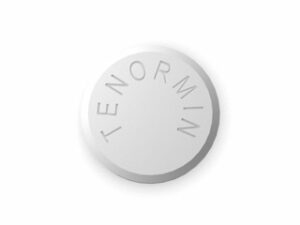
Toprol is a brand of metoprolol used in UK healthcare. The exact strength and formulation (for example, immediate-release or modified-release) determine dosing frequency. Your medicine pack will clearly state the strength (e.g., tablets) and the dosing instructions.
If you’re not sure which Toprol type you have, check the label for the specific wording (such as “modified-release” or “prolonged release”). This matters for timing and how long the medicine lasts.
How Toprol works (mechanism of action)
Metoprolol is a beta-blocker. It blocks the effects of adrenaline (and related hormones) on the heart by targeting beta receptors—particularly the β1 receptors in the heart.
By reducing the heart’s response to adrenaline, Toprol can:
- Lower heart rate (slower beating)
- Reduce the force of heart contraction
- Lower blood pressure
- Reduce oxygen demand by the heart muscle
- Help stabilise certain heart rhythm disturbances
For people with angina, this “calms” the heart so it needs less oxygen—often reducing how often chest pain occurs and improving exercise tolerance.
Pharmacokinetics (how the body processes it)
Pharmacokinetics describes how the body absorbs, distributes, metabolises, and eliminates a medicine. While exact values can vary by formulation and person, the key practical points for metoprolol include:
- Absorption: Metoprolol is absorbed after taking a tablet. Modified-release forms provide a steadier blood level over time.
- Distribution: It spreads through the body and affects the heart and circulation.
- Metabolism: Metoprolol is metabolised mainly in the liver (by enzymes including CYP2D6).
- Elimination: Metabolites are cleared mostly through the kidneys (urine).
- Duration of effect: Depends on whether your Toprol is immediate-release or modified-release.
Because liver enzyme activity varies between individuals, some people may have stronger or longer effects than others. This is one reason your healthcare professional may adjust the dose gradually.
What Toprol is used for (indications)
Metoprolol may be used for several common conditions, including:
- High blood pressure (hypertension)
- Angina pectoris (chest pain due to reduced blood supply to the heart)
- Heart rhythm problems such as certain types of tachycardia (fast heart rate)
- After a heart attack, in selected patients (as clinically appropriate)
- Heart failure (where metoprolol is specifically recommended as part of a specialist regimen, depending on formulation)
The exact use in your case depends on your diagnosis, other medicines, and your overall heart function.
Timing: when to take Toprol
Follow the instructions on your pack or any accompanying patient information. In general:
- Try to take it at the same times each day.
- If it’s once daily: choose a consistent time (morning or evening is often preferred).
- If it’s twice daily: take doses roughly 12 hours apart.
- Modified-release tablets: swallow whole; do not crush or chew unless your instructions specifically say you can.
If you miss a dose, take it when you remember unless it is close to the time for your next dose. Do not take a double dose to make up for a missed tablet.
Food interactions
Food can affect the absorption of some medicines. For metoprolol:
- Most people can take Toprol with or without food.
- Consistency helps: take it the same way each day (with food or without food) to reduce day-to-day variation.
- Avoid sudden changes in your routine if you notice differences in how you feel.
If your product’s patient leaflet provides a specific food instruction, follow that guidance.
Alcohol and medicine interactions
Alcohol can lower blood pressure and may worsen side effects such as dizziness, light-headedness, or tiredness—effects that can also occur with beta-blockers. For many people, moderate alcohol may be possible, but it may increase the likelihood of feeling faint, particularly when you stand up quickly.
Practical alcohol tips
- Avoid heavy or binge drinking.
- Be cautious if you’re adjusting to a new dose.
- Watch for symptoms such as dizziness, unusual fatigue, or slow heart rate.
Common medicine interactions
Metoprolol can interact with other medicines that affect heart rate, blood pressure, or liver enzymes. Important interactions include:
- Other medicines that slow the heart: for example verapamil or diltiazem (certain “rate-slowing” heart medicines), and other beta-blockers.
- Antiarrhythmics: some medicines used for rhythm problems can increase the risk of slow pulse or conduction issues.
- Medicines affecting liver enzymes (CYP2D6): some antidepressants (such as paroxetine, fluoxetine), certain antipsychotics, and other CYP2D6 inhibitors may increase metoprolol levels.
- Some asthma/COPD treatments: inhalers and tablets can include medicines that affect breathing; beta-blockers may affect response to certain “reliever” medicines in susceptible individuals.
- Non-steroidal anti-inflammatory drugs (NSAIDs): occasional use may affect blood pressure control in some people.
- Diabetes medicines: beta-blockers can mask warning signs of low blood sugar (such as fast heartbeat).
This is not a complete list. If you’re starting, stopping, or changing dose of any medicine (including herbal products), it’s wise to check with a pharmacist or prescriber.
Dosing: typical approach and how adjustments are made
The “right” dose of Toprol depends on the condition being treated, your response, and your heart rate and blood pressure. Healthcare professionals typically start at a lower dose and adjust gradually.
Because formulations differ, it’s important not to assume that the same dose works across all metoprolol products. Always use the strength and schedule on your own medicine label.
General dosing principles
- Start low, go slow: dose increases are often gradual to avoid excessive slowing of the heart rate.
- Monitor symptoms: fatigue, dizziness, breathlessness, or very slow pulse may indicate the dose is too high for you.
- Blood pressure and pulse: regular checks help guide adjustments.
- Consistent timing: taking doses at the right intervals supports stable levels.
If you have kidney or liver problems, your clinician may adjust dosing and monitor you more closely.
Important: Do not change your dose or stop Toprol suddenly without medical advice. Beta-blockers can be harmful if discontinued abruptly in some people, potentially leading to worsening heart symptoms.
Safety profile: who should be careful and what to watch for
Most people tolerate metoprolol well, but it may cause side effects—especially early in treatment or after dose increases.
Common side effects
- Slow heart rate (bradycardia)
- Dizziness or light-headedness, especially when standing
- Tiredness, low energy
- Cold hands or feet
- Sleep disturbance or vivid dreams (can occur in some people)
- Shortness of breath on exertion
- Gastrointestinal symptoms such as nausea
Serious side effects (seek urgent help if severe)
Contact urgent medical services or seek urgent advice if you experience:
- Fainting or severe dizziness
- Very slow pulse with weakness or confusion
- Chest pain worsening or new chest pain
- Severe breathlessness or wheezing
- Signs of an allergic reaction (swelling of face/lips, rash, difficulty breathing)
Who should be extra careful
- People with asthma or certain COPD conditions: beta-blockers may affect breathing in some patients. Selective β1 blockers are often preferred, but caution is still needed.
- People with slow heart rate or heart block: Toprol can worsen conduction issues.
- People with poor peripheral circulation: coldness and discomfort may increase.
- Diabetes: metoprolol can mask symptoms of low blood sugar (fast heartbeat, tremor).
- Thyroid disorders: beta-blockers can mask signs of hyperthyroidism.
- Peripheral nerve/muscle conditions: rare effects on mood and cognition have been reported; discuss any concerns.
Practical use tips (making treatment easier)
How to take it
- Swallow tablets whole unless your product instructions say otherwise.
- Keep a routine with a consistent time daily.
- Use a pill organiser if you take doses more than once a day.
- Don’t crush or split modified-release tablets.
- Keep track of symptoms (energy, dizziness, exercise tolerance).
Monitoring you can do at home
Depending on your condition, consider keeping a simple record:
- Blood pressure readings (if you’ve been advised to monitor)
- Heart rate, especially if you feel unusually tired or dizzy
- Symptoms of chest pain, breathlessness, or palpitations
If you notice your pulse is very low or you feel faint, contact a healthcare professional promptly for advice.
Stopping Toprol safely
Abrupt discontinuation can cause complications in some people. If you ever need to stop, your clinician will usually reduce the dose gradually. Make sure you do not run out unexpectedly.
Alcohol and driving considerations
Toprol can cause dizziness or tiredness in some people. Combined with alcohol, the chance of feeling unsteady may be higher. If you feel light-headed, avoid driving or operating machinery until you feel well again.
Alternative options (other beta-blockers and related treatments)
If Toprol isn’t suitable due to side effects, interactions, or your specific heart condition, alternatives may include other beta-blockers or different classes of blood pressure and heart medicines. Options may vary depending on the indication and local prescribing practice.
Examples of alternative beta-blockers (not a complete list):
- Atenolol
- Bisoprolol
- Carvedilol
- Propranolol
For some conditions, other medicine classes may be considered, such as calcium-channel blockers (e.g., amlodipine/verapamil depending on the case) or other cardiovascular agents. Your clinician can advise which option best matches your diagnosis and medical history.
Market and legal context in the UK
In the UK, medicines are regulated by the Medicines and Healthcare products Regulatory Agency (MHRA) and must have an authorised product licence or be supplied under appropriate regulatory arrangements. Patient information leaflets and Summary of Product Characteristics (SmPC) describe permitted indications, dosing, contraindications, and safety information.
Toprol (metoprolol) is widely used in NHS and private care settings. Availability can depend on formulation (e.g., modified-release vs immediate-release), strength, and supply logistics.
Recent guidance and updates (what to know)
Clinical guidance for cardiovascular conditions in the UK is updated periodically by professional bodies (for example, the NICE and British cardiovascular societies). While individual recommendations may vary by condition and patient profile, common themes include:
- Personalised dosing and careful titration of beta-blockers
- Long-term risk reduction after heart events where clinically indicated
- Emphasis on safe continuation and avoiding sudden stopping
- Monitoring for heart rate, blood pressure, and side effects
If you want the latest NHS/NICE advice for a specific condition (e.g., hypertension, angina, or heart failure), you can consult official UK resources or ask a pharmacist.
Delivery and availability (UK)
We aim to dispatch orders as quickly as possible across the UK. Delivery times vary by location and stock availability. When you place your order, you’ll be shown an estimated delivery window at checkout.
- Availability: Dependent on current pharmacy supply and product formulation/strength.
- Packaging: Medicines are supplied in appropriate tamper-evident packaging.
- Storage: Follow the storage conditions on the outer carton (often “store below 25°C” unless stated otherwise) and keep out of sight and reach of children.
- Returns: Return policies depend on whether the item is unopened and compliant with UK regulations.
Safety checklist before you start or continue
Before taking Toprol, it’s helpful to confirm the following with your pharmacist or healthcare professional if any apply:
- Asthma, wheeze, or COPD
- Very slow pulse or known heart block
- Recent worsening heart symptoms
- Diabetes (especially if you use insulin)
- Allergies to beta-blockers or tablet ingredients
- Current medicines that may interact (e.g., certain antidepressants, heart medicines)
Frequently asked questions (FAQ)
1) How long does Toprol take to work?
Some effects, such as a slower heart rate, can be felt relatively soon after taking a dose. Blood pressure and angina control may take longer to stabilise—often days to weeks. Your response depends on the formulation and your condition.
2) Will Toprol cause weight gain?
Weight changes are not guaranteed. Some people experience tiredness or reduced activity, which can contribute to weight gain. If you notice rapid or unexpected changes, speak to a pharmacist or clinician.
3) Can I stop Toprol if I feel better?
Do not stop suddenly. Even if you feel better, Toprol may be preventing symptoms from returning. If stopping is considered, it should usually be done gradually under medical guidance.
4) What should I do if I miss a dose?
Take it when you remember unless it’s close to your next dose. Do not take a double dose to compensate. If you’re unsure, ask your pharmacist for advice specific to your dosing schedule.
5) Does Toprol interact with antidepressants?
Some antidepressants can increase metoprolol levels by affecting liver enzymes (including CYP2D6). This may raise the risk of side effects like slow heart rate. Your pharmacist can help check interactions based on your exact medicines.
6) Can I take Toprol with inhalers for asthma?
Many people with asthma use inhalers safely, but beta-blockers can sometimes make breathing symptoms worse. If you have asthma or COPD, discuss your inhaler plan and report any increased wheeze or breathlessness promptly.
7) Is it safe to drink alcohol while taking Toprol?
Moderate alcohol may be possible for some people, but alcohol can increase dizziness or lower blood pressure. Use caution and avoid heavy drinking, especially during dose changes.
8) What if I get dizzy after taking a dose?
Dizziness is a known side effect. Sit or lie down if you feel faint. If dizziness is frequent, severe, or comes with fainting or very slow pulse, seek prompt medical advice.
9) How should I take Toprol with food?
Many people take metoprolol with or without food. Consistency is helpful. If your leaflet includes a specific recommendation for your formulation, follow that instruction.
10) Are there alternatives if Toprol doesn’t suit me?
Yes. Depending on why you take it, other beta-blockers or other cardiovascular medicines may be options. Speak with a healthcare professional about suitability.
Reference summary table (for quick understanding)
| Topic | What it means for you |
|---|---|
| Purpose | Helps control blood pressure, angina, and some rhythm problems by slowing and reducing the heart’s workload. |
| How it works | Beta-blocker: blocks adrenaline effects on the heart (primarily β1 receptors). |
| Timing | Take at consistent times each day; once or twice daily depending on your formulation. |
| Food | Often with or without food; keep the routine consistent. |
| Alcohol | May increase dizziness or lower blood pressure. Avoid heavy drinking. |
| Common side effects | Tiredness, dizziness, cold hands/feet, slower pulse. |
| Important safety | Do not stop suddenly; be cautious with asthma/COPD, diabetes, and other rate-slowing medicines. |
Disclaimer: This guide is for general information and does not replace individual medical advice. If you have questions about your specific condition, your dose, or potential interactions, speak to a pharmacist or clinician.