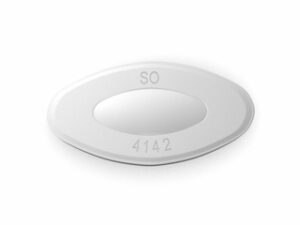
Carvedilol
Carvedilol is a medicine used to treat several long-term heart conditions. It belongs to a group of medicines known as beta-blockers and also has additional effects on blood vessels. By helping the heart work more efficiently and easing how hard blood needs to push through the body, carvedilol can reduce symptoms and help protect the heart over time.
Quick product information
| Item | Details |
|---|---|
| Medicine name | Carvedilol |
| Group | Beta-blocker with alpha-blocking activity (non-selective beta-blocker) |
| Common forms | Tablets (strengths may vary by product) |
| Who it’s for | Adults with specific heart conditions (e.g., heart failure, after certain heart attacks, hypertension) |
| How it’s taken | Typically by mouth, usually twice daily (follow your local product instructions) |
| Key benefits | Improves symptoms, reduces heart strain, lowers blood pressure, supports long-term heart protection |
How carvedilol works (mechanism of action)
Carvedilol affects the cardiovascular system in two main ways:
- Beta-blockade: Carvedilol blocks beta-adrenergic receptors in the heart. This can reduce heart rate and the strength of heart contractions, lowering the heart’s workload (the “demand” side).
- Alpha-blockade: Carvedilol also blocks certain alpha receptors, leading to relaxation of blood vessels. This can reduce resistance in the circulation, which lowers blood pressure and reduces the effort required for the heart to pump blood.
Together, these actions can improve symptoms such as breathlessness and fatigue in some people with heart failure, and reduce blood pressure for those with hypertension. Carvedilol also helps stabilise the heart’s electrical and mechanical function in the context of certain cardiovascular conditions.
When carvedilol is typically used (indications)
The exact indications depend on the product licence and local clinical guidance. In the UK, carvedilol is commonly used in adults for:
- Chronic heart failure (long-term heart failure), often as part of a combination approach
- Hypertension (high blood pressure)
- After myocardial infarction (some patients following a heart attack, where appropriate)
Your clinician will decide whether carvedilol is the right option based on your overall health, other medicines, and the specific heart condition.
Pharmacokinetics (how the body handles carvedilol)
Pharmacokinetics describes what happens after taking a medicine: absorption, distribution, metabolism, and elimination. The details below are general and may vary slightly by individual and formulation.
- Absorption: Carvedilol is absorbed from the gastrointestinal tract. The timing of meals can influence absorption.
- Peak levels: Blood levels typically reach their peak within a few hours of dosing for immediate-release forms.
- Protein binding: Carvedilol is highly protein-bound, meaning much of it circulates attached to plasma proteins.
- Metabolism: It is metabolised mainly in the liver. Various metabolites are formed and excreted in bile and urine.
- Elimination: The drug and metabolites are eliminated via hepatic (bile) and renal pathways.
Because metabolism is largely hepatic, impaired liver function may affect medicine exposure. Dose and monitoring may need adjustment where relevant.
How to take carvedilol (timing and practical use)
Carvedilol is usually taken twice daily. Many people take the dose with food to help reduce side effects such as dizziness. Follow the dosing schedule on your local product label and the instructions provided with your medicine.
Typical timing
- Morning dose: With breakfast or immediately after (or as advised)
- Evening dose: With dinner or immediately after (or as advised)
Do not stop suddenly
Carvedilol should usually be reduced gradually rather than stopped abruptly, especially in people with heart disease, because sudden withdrawal of beta-blockers can lead to worsening of symptoms, increased heart rate, and blood pressure instability.
Food interactions
Carvedilol can be taken with food and, in many cases, food may reduce the risk of early side effects (such as dizziness when starting or increasing the dose). In particular:
- Take with meals when possible: This may improve tolerability.
- Keep routine consistent: Try to take carvedilol at similar times each day and with similar meal timing.
If you need to change how you take it (for example, due to eating patterns), discuss this with a healthcare professional.
Alcohol and medicine interactions
Alcohol can increase dizziness and light-headedness and may worsen the drop in blood pressure that can occur with carvedilol. If you drink alcohol, consider:
- Avoid excessive alcohol: Especially when you start carvedilol or after dose increases.
- Monitor how you feel: Watch for dizziness, faintness, or unusual tiredness.
Important medicine interactions
Carvedilol can interact with other medicines. Common interaction areas include medicines that:
- Lower heart rate (risk of bradycardia—slow pulse), such as certain antiarrhythmics and some other cardiac medicines
- Lower blood pressure (additive blood pressure lowering), such as other antihypertensives
- Impact liver metabolism (carvedilol is metabolised in the liver; some drugs can raise or lower its levels)
- Alter blood sugar (beta-blockers can mask some symptoms of low blood sugar)
Always tell your pharmacist or healthcare team about all medicines and supplements you use, including over-the-counter products. Examples of categories that may matter include:
- Some drugs for asthma/COPD (including certain beta-agonists)
- Calcium-channel blockers (depending on type)
- Nitrates and other heart medicines
- Antiarrhythmics
- Medicines affecting liver enzymes (including some antifungals and antibiotics)
- Diabetes medicines (insulin and oral agents)
Dosing: what to expect
The right dose of carvedilol depends on the condition being treated, how well you tolerate the medicine, and your heart rate and blood pressure. Many people start at a low dose and are increased gradually.
Do not self-adjust the dose. Dose increases are often planned over days to weeks to reduce side effects and to reach an effective, tolerated maintenance dose.
General guidance on starting and adjustments
- Start low: This helps reduce dizziness, fatigue, and low blood pressure.
- Increase slowly: Your clinician may adjust the dose based on pulse, blood pressure, and symptoms.
- Monitoring: You may have checks of blood pressure and heart rate, particularly during dose changes.
Missed dose
If you miss a dose, take it when you remember unless it is close to your next dose. Do not take a double dose to make up for the missed tablet. If you are unsure, ask a pharmacist for advice.
Safety profile and possible side effects
Like all medicines, carvedilol can cause side effects. Many are more common at the beginning of treatment or after dose increases and may improve with time.
Common side effects
- Dizziness or light-headedness (often due to lower blood pressure)
- Fatigue or tiredness
- Headache
- Slow heart rate (bradycardia)
- Feeling “weak” or reduced exercise tolerance
- Nausea in some people
Less common but important effects
- Low blood pressure (especially when standing)
- Fluid retention changes in certain heart failure patients (the overall plan may require careful monitoring)
- Worsening of breathing symptoms in people with certain lung conditions
- Changes in circulation (e.g., cold hands/feet)
Seek urgent medical help if
- You faint or have severe dizziness
- You experience chest pain that is new or worsening
- You have signs of an allergic reaction (swelling of face/lips, rash, breathing difficulty)
- Your breathing suddenly worsens
Who needs extra caution?
Carvedilol may not be suitable for everyone. Extra caution is typically needed if you have:
- Low blood pressure (or a tendency to feel faint)
- Very slow heart rate or certain heart conduction problems
- Asthma or chronic obstructive lung disease (symptoms may worsen in some individuals)
- Diabetes (carvedilol may mask some warning signs of hypoglycaemia)
- Peripheral vascular disease (circulation problems)
- Severe liver impairment
If any of these apply to you, discuss carvedilol suitability and monitoring with your healthcare team.
Practical use tips
- Rise slowly: If you feel dizzy, stand up gradually from sitting/lying positions.
- Check pulse if advised: Some people are told to monitor heart rate at home, especially during dose changes.
- Keep a symptom diary: Note dizziness, breathlessness, fatigue, or swelling so your clinician can adjust treatment if needed.
- Stay consistent with food: Take it with meals if that matches your plan and helps you tolerate treatment.
- Do not double up after missed doses: Follow “missed dose” guidance or ask your pharmacist.
- Carry medication details: If you travel or attend appointments, having your medicine list can help in urgent care scenarios.
Alternative options
Depending on your diagnosis and individual factors, clinicians may consider other medicines with similar goals (heart rate control, blood pressure lowering, and heart protection). Alternatives can include:
- Other beta-blockers (different medicines in the class may be chosen based on heart failure type and tolerability)
- Calcium-channel blockers for certain blood pressure or symptom patterns (depending on your condition)
- ACE inhibitors/ARBs and other heart failure treatments (often used in combination)
- Diuretics for fluid-related symptoms in heart failure
- Ivabradine in selected cases of heart failure where appropriate
The “best” alternative depends on your heart condition, blood pressure, heart rate, kidney/liver function, and other medicines. Do not switch without medical advice.
UK market and legal context (what it means for customers)
In the United Kingdom, medicines like carvedilol are regulated to protect patient safety. Availability and prescribing processes are governed by UK legislation and NHS/community pharmacy standards. The precise status of carvedilol products (for example, whether they are prescription-only medicines) depends on how the medicine is authorised and presented.
For online pharmacies and dispensing, suppliers typically operate under strict pharmaceutical and professional standards. Customers should expect:
- Licensed supply chains and quality checks
- Pharmacist review where required
- Clear product information including strength, directions, and safety warnings
- Data protection and safe handling of health information
If you’re unsure about eligibility or the correct process for obtaining carvedilol in the UK, check the “How it works” and “Medicines and prescriptions” sections on the pharmacy’s website.
Recent guidance (high-level)
Clinical approaches to managing heart failure and hypertension continue to evolve. In the UK, ongoing guidance from professional bodies and updates in evidence-based practice commonly emphasise:
- Optimising disease-modifying treatment in heart failure where appropriate
- Gradual initiation and titration of beta-blockers to improve tolerability
- Monitoring for blood pressure, heart rate, symptoms, and laboratory parameters where relevant
- Individualised care based on comorbidities such as diabetes, lung disease, and kidney function
Your clinician or pharmacist can help you understand how current guidance applies to your specific treatment plan.
Delivery and availability in the UK
Online pharmacies in the UK may offer delivery to addresses across the country, subject to service availability and local regulations. Delivery timeframes often depend on:
- Stock status at dispatch
- Order processing time (including any required pharmacist checks)
- Carrier and postcode for estimated delivery days
When you place an order, you should receive confirmation of dispatch and tracking information (where available). If a product is out of stock, a reliable pharmacy should provide clear alternatives or timeline updates.
Always store carvedilol according to the instructions on the pack (typically at room temperature, away from moisture and out of reach of children).
FAQ about carvedilol
1) What is carvedilol used for?
Carvedilol is used to treat certain heart conditions such as chronic heart failure and to lower blood pressure in people with hypertension. It may also be used after some heart attacks in suitable patients.
2) How quickly does carvedilol start working?
Some effects, like heart rate and blood pressure changes, may be noticeable soon after starting. However, the full benefit in heart failure and long-term protection develops over time.
3) Should I take carvedilol with food?
Many people take carvedilol with meals to improve tolerability. Keeping meal timing consistent can also help maintain steadier effects and reduce dizziness.
4) What should I do if I feel dizzy after taking carvedilol?
Sit or lie down immediately if you feel faint. Avoid sudden standing. If dizziness is severe, persistent, or accompanied by fainting, contact a healthcare professional promptly. Do not stop carvedilol suddenly without advice.
5) Can I drink alcohol while taking carvedilol?
Alcohol may increase dizziness and lower blood pressure. It’s best to limit alcohol and avoid heavy drinking, especially when starting or adjusting the dose. If you feel unwell after drinking, seek advice.
6) Are there medicines I should avoid?
Carvedilol can interact with medicines that affect heart rate, blood pressure, and liver metabolism. Always provide your complete list of medicines (including OTC products and supplements) to your pharmacist or clinician.
7) What side effects are most common?
Dizziness, tiredness, headache, and a slower heart rate are among the more common side effects, particularly early in treatment or after dose increases.
8) Is carvedilol safe for people with asthma or COPD?
Caution is needed. Beta-blockade can potentially worsen breathing symptoms in some people. If you have asthma or COPD, discuss suitability and monitoring with your healthcare team.
9) Can carvedilol affect diabetes?
Yes. Beta-blockers may mask some warning signs of low blood sugar (such as rapid heartbeat). People with diabetes should monitor blood glucose closely and discuss symptoms of hypoglycaemia with a clinician.
10) Can I stop carvedilol if I feel better?
Usually, you should not stop carvedilol without medical advice. Stopping suddenly can worsen heart conditions. If stopping is considered, dose reduction is typically gradual under guidance.
Need more help?
If you’re unsure about how to take carvedilol, managing side effects, or possible interactions with your current medicines, a UK pharmacist can help you understand the safest way to use your treatment.