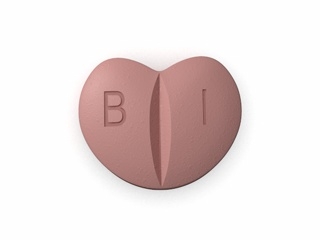
Zebeta (Bisoprolol) – Patient-Friendly Guide (UK)
Zebeta contains bisoprolol, a medicine from the group known as beta-blockers. It is used to treat several heart-related conditions and can help reduce symptoms and lower the risk of certain cardiovascular events.
This page explains how Zebeta works, typical uses, how to take it, key interactions (including alcohol and other medicines), safety information, and practical tips for everyday use in the United Kingdom.
Quick facts
- Active ingredient: Bisoprolol
- Medicine type: Beta-blocker
- Common forms: Tablets (strengths vary by product)
- Used for: High blood pressure, stable angina, and certain types of heart failure (as advised by your clinician)
- Typical dosing frequency: Often once daily
- How it’s taken: Usually with water, with or without food (follow your specific instructions)
Basic product information
Zebeta is a brand of bisoprolol. Bisoprolol works by slowing the heart rate and reducing how strongly the heart pumps. This helps the heart to work more efficiently and reduces strain on the cardiovascular system.
In the UK, bisoprolol is widely used and available in different strengths and formulations, subject to availability from suppliers. Your local pharmacy will confirm the exact tablet strength and brand you receive.
| Feature | What it means for you |
|---|---|
| Generic name | Bisoprolol |
| Drug class | Beta-1 selective beta-blocker |
| Common dosing | Often once daily; some conditions require careful titration |
| Onset | Heart-rate and blood-pressure effects may begin within hours, with full benefits over days to weeks |
| Stopping | Do not stop suddenly—this can cause symptoms to worsen |
How Zebeta works (mechanism of action)
Bisoprolol is a beta-1 selective blocker. It works mainly on beta-1 receptors in the heart. By blocking these receptors, it can:
- Lower heart rate (slows the pulse)
- Reduce force of heart contraction (less strain on the heart)
- Reduce the heart’s oxygen demand (helps relieve angina symptoms)
- Help lower blood pressure (by reducing cardiac output and supporting vascular control)
In people with certain types of heart failure, careful use of beta-blockers like bisoprolol can improve long-term outcomes. This requires gradual dose increases and monitoring, particularly early in treatment.
Pharmacokinetics (how the body processes Zebeta)
Understanding pharmacokinetics can help you take the medicine consistently and recognise why dose timing matters. Key points for bisoprolol include:
- Absorption: Bisoprolol is absorbed after swallowing the tablet.
- Bioavailability: It has good absorption in many patients.
- Peak effect: Concentrations typically rise and reach a maximum within several hours after a dose.
- Half-life: Bisoprolol has a relatively long duration of action, which is why once-daily dosing is common.
- Elimination: It is eliminated partly by the kidneys and partly by metabolism in the liver.
- Consistency matters: Taking it around the same time each day helps maintain steady effects.
If you have kidney or liver problems, your prescriber/pharmacist may adjust the dose and monitoring plan.
Typical uses and indications (UK)
Zebeta/bisoprolol is used to treat heart and circulation conditions. Indications may vary based on age, medical history, and local treatment pathways. Common approved uses include:
- Hypertension (high blood pressure): Helps lower blood pressure and reduce cardiovascular risk.
- Angina pectoris (stable angina): Helps reduce frequency and severity of chest pain episodes.
- Chronic heart failure (certain stable cases): Used in combination with other heart failure medicines, with dose titration and monitoring.
If you’re unsure why you were given Zebeta, ask your pharmacist or clinician. The correct use depends on the condition being treated.
When to take Zebeta (timing and daily routine)
For many people, Zebeta is taken once daily. The best time is the time that helps you remember consistently and fit your routine. Your prescriber’s advice overrides general guidance.
- Choose a consistent time each day (for example, morning or evening).
- If you experience side effects such as tiredness or dizziness, consider whether changing the time of day helps— speak to a healthcare professional before changing anything.
- Missed dose: If you miss a dose, take it when you remember unless it is close to the time of the next dose. Do not take a double dose to make up for the missed one.
- Stopping: Beta-blockers should generally be reduced gradually, not stopped suddenly.
Food interactions and effects
Bisoprolol can usually be taken with or without food. However, consistent intake can help maintain predictable absorption and symptom control.
- With food: Taking it with food may help some people avoid stomach upset.
- Without food: Many people tolerate it well; if your clinician has provided timing advice, follow that.
If you have gastrointestinal issues, try to keep your routine stable (same timing relative to meals).
Alcohol and medicine interactions
Alcohol
Alcohol can affect blood pressure, heart rate, and dizziness risk. When combined with beta-blockers, it may increase the chance of:
- Dizziness or feeling light-headed
- Fainting, especially when standing up quickly
- Feeling unusually tired
If you drink alcohol, consider keeping it moderate and see how your body responds. Avoid rapid changes in alcohol intake. If you have low blood pressure or a history of fainting, speak to a healthcare professional before drinking.
Other medicines (important interactions)
Zebeta can interact with a range of medicines. Some interactions may increase the risk of slow heart rate, low blood pressure, or other side effects. Always check with a pharmacist or clinician when starting new medicines, including over-the-counter products.
- Other heart-rate–lowering medicines: Examples include verapamil, diltiazem, and other beta-blockers. These can increase risk of bradycardia (slow heart rate) and conduction problems.
- Antiarrhythmics: Some medicines used for rhythm problems may add to effects on heart conduction and rate.
- Antihypertensives: Combining with other blood pressure-lowering drugs can raise the chance of dizziness or low blood pressure.
- Diabetes medicines (including insulin): Beta-blockers can sometimes mask warning signs of low blood sugar, such as a fast heartbeat. Hypoglycaemia symptoms like sweating may still occur, but the “adrenaline” warning may be less noticeable.
- Clonidine (if used): Stopping clonidine suddenly and having a beta-blocker situation can be complex; do not change either medication suddenly.
- Non-steroidal anti-inflammatory drugs (NSAIDs): These can sometimes affect blood pressure control and kidney function in susceptible people. Use NSAIDs as advised and discuss regular use with a pharmacist.
- Medicines for asthma/COPD: Zebeta is beta-1 selective, but at higher doses it may affect beta receptors. If you have wheezing or breathing problems, monitoring may be needed.
- Some antidepressants and antipsychotics: Depending on the medicine, they may affect heart rate/blood pressure or interact indirectly.
Tell your pharmacist about all medicines you take, including: herbal products, vitamins, pain relief tablets, decongestants, and cough/cold remedies.
Dosing – typical approach
The dose of Zebeta/bisoprolol is individual. It is commonly started at a lower dose and adjusted gradually based on: heart rate, blood pressure, symptoms, and any side effects.
General principles:
- Start low, titrate carefully: Especially in heart failure, gradual dose increases are important.
- Monitor pulse and blood pressure: Your healthcare team may guide you on what target ranges are appropriate.
- Do not change dose yourself: If you feel unwell or your symptoms worsen, contact your clinician/pharmacist.
Your exact strength and number of tablets per day will be shown on your medicine label. If you are given a titration schedule, follow it carefully.
If you are taking Zebeta for stable angina or hypertension, the aim is usually to achieve symptom control and appropriate blood-pressure/heart-rate levels. For chronic heart failure, there is often a structured build-up phase.
Safety profile and side effects
Common side effects
Many side effects relate to the medicine’s effects on heart rate and circulation and may improve as your body adjusts. Commonly reported effects include:
- Tiredness or reduced energy
- Dizziness or light-headedness
- Slow heartbeat (bradycardia)
- Cold hands and feet
- Low blood pressure (especially when standing)
- Sleep disturbance or vivid dreams (some people)
Less common but important effects
- Shortness of breath or wheezing (especially if you have asthma/COPD)
- Worsening of heart failure symptoms during dose changes (breathlessness, swelling, rapid weight gain)
- Gastrointestinal upset such as nausea
- Sexual dysfunction (reported by some patients)
Seek urgent medical advice if you have
Contact urgent medical services or seek immediate help if you experience:
- Fainting or severe dizziness
- Very slow pulse with weakness or feeling unwell
- Severe breathlessness, chest pain, or signs of a serious allergic reaction (swelling of face/lips, trouble breathing, widespread rash)
- Sudden worsening of heart failure (rapid weight gain, severe swelling, inability to lie flat due to breathlessness)
Who should be extra cautious?
- People with asthma or severe breathing problems
- Those with very slow heart rate or certain heart conduction disorders
- People with diabetes or frequent low blood sugar
- People with poor circulation (e.g., severe peripheral vascular disease)
- Pregnancy/breastfeeding: discuss with a clinician for personalised advice
Practical use tips (getting the most from Zebeta)
- Use a medication organiser: helps avoid missed doses and reduces accidental double dosing.
- Track symptoms: If you’re managing blood pressure or angina, note any dizziness, chest pain pattern, and pulse rate.
- Stand up slowly: especially when you first start or if the dose changes, to reduce dizziness.
- Check your pulse if advised: your clinician may provide guidance on what to watch for.
- Don’t stop suddenly: sudden withdrawal can cause worsening angina or other cardiovascular effects. If discontinuation is needed, your healthcare team will guide a gradual reduction.
- Be cautious with “cold and flu” products: some decongestants and stimulants can raise heart rate or blood pressure. Ask your pharmacist which products are safe for you.
- Stay hydrated unless restricted: if you’re prone to low blood pressure, adequate fluid intake may help (but follow your heart failure fluid advice if relevant).
Alternative options (if Zebeta isn’t suitable)
Beta-blockers are not the only treatments for heart and circulation conditions. Alternatives depend on your diagnosis, other medical conditions, and how well you tolerate bisoprolol.
For blood pressure and angina
- Other beta-blockers: e.g., metoprolol, atenolol, propranolol (choice depends on target receptors and patient factors).
- Calcium channel blockers: e.g., amlodipine; sometimes used for blood pressure and angina.
- ACE inhibitors/ARBs: often used for blood pressure and heart protection.
- Diuretics: may be used especially when fluid retention is an issue.
For chronic heart failure
- Other guideline-directed beta-blockers: e.g., carvedilol, metoprolol (commonly used options), depending on eligibility.
- Combination therapy: heart failure treatment often involves medicines from multiple classes.
Only switch medicines if advised. Different beta-blockers are not always interchangeable at the same dose.
Market and legal context in the UK
In the UK, bisoprolol is a well-established medicine used under national and local clinical frameworks. Regulations cover how medicines are supplied, stored, and sold online, including verification processes and standard information requirements. Availability may vary between suppliers and at different times due to manufacturing and supply chain changes.
Zebeta should be obtained from reputable sources and supplied with appropriate packaging and instructions. If you are unsure about authenticity, check the pharmacy’s credentials and contact the supplier.
Recent guidance and monitoring (general UK themes)
Ongoing UK clinical practice emphasises safe beta-blocker use. While individual advice depends on diagnosis, healthcare professionals commonly focus on:
- Gradual dose titration when starting or changing beta-blocker therapy
- Monitoring blood pressure and pulse, especially in the first weeks
- Assessment of breathing symptoms in people with asthma/COPD
- Managing diabetes appropriately, including awareness that beta-blockers can mask some low blood sugar warning signs
- Safe review of drug interactions when new medicines are added
- Patient education about not stopping suddenly and knowing when to seek help
Your local pharmacist may offer medication reviews and advice on how to fit Zebeta into your routine safely.
Delivery and availability in the UK
Zebeta/bisoprolol tablets may be available from multiple UK suppliers depending on your location, the strength required, and current stock levels. Standard delivery options typically include:
- Home delivery: often available across the UK mainland.
- Delivery times: vary by courier and stock status; suppliers usually provide an estimated delivery window at checkout.
- Stock alerts: if a product is temporarily unavailable, reputable pharmacies may offer alternatives or notification.
To avoid delays, ensure your delivery address is correct and keep an eye on tracking updates. If you have urgent needs, contact the pharmacy’s customer support to confirm fastest dispatch options.
FAQ
1. Is Zebeta the same as bisoprolol?
Zebeta is a brand containing bisoprolol. Some products may be generically named, but the active ingredient is the same. Your pharmacy label will confirm the exact product and strength.
2. How quickly does Zebeta work?
You may notice changes in heart rate or blood pressure within hours of taking a dose. However, the full benefit—such as better control of blood pressure or angina—often becomes clearer over days to weeks.
3. Can I take Zebeta in the morning or at night?
Many people take bisoprolol once daily at a consistent time. Whether morning or evening is best can depend on how you feel (e.g., tiredness or dizziness) and other medicines you take. Ask your pharmacist or clinician for personalised advice.
4. What if I miss a dose?
Take it when you remember unless it is near the time for your next dose. Do not double up. If you miss multiple doses or are unsure, contact your pharmacist.
5. Can I stop Zebeta if I feel better?
Do not stop suddenly. If treatment needs to change, your healthcare professional will usually recommend a gradual reduction to reduce risk of worsening symptoms.
6. Does food affect Zebeta?
Zebeta can typically be taken with or without food. Staying consistent with how you take it may help maintain steady effects.
7. Can I drink alcohol while taking Zebeta?
Alcohol may increase dizziness and lower blood pressure. If you choose to drink, keep it moderate and pay attention to how you feel. If you have low blood pressure or fainting episodes, discuss alcohol with your clinician.
8. What are warning signs I should take seriously?
Get urgent help if you experience fainting, severe dizziness, very slow pulse with weakness, severe breathlessness, chest pain, or signs of a serious allergic reaction.
9. I have asthma/COPD—can I still use Zebeta?
Bisoprolol is beta-1 selective, but it may still affect breathing in some people, especially at higher doses. If you have asthma or COPD, discuss your history with a clinician before starting or changing treatment.
10. Will Zebeta affect my diabetes symptoms?
Beta-blockers can sometimes mask typical signs of low blood sugar, such as a fast heartbeat. If you have diabetes, monitor glucose as advised and know other warning signs (e.g., sweating, confusion, shakiness).
Important note
This guide is for general information to help you understand Zebeta (bisoprolol) and how it’s commonly used in the UK. It does not replace personalised medical advice. If you have questions about suitability, interactions, or side effects, speak to your pharmacist or clinician.