


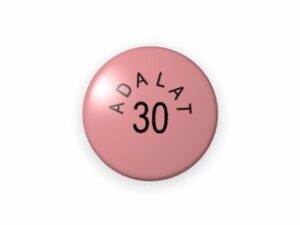
Aceon (Perindopril) – Patient-Friendly Medicine Information (UK)
Aceon contains perindopril, a medicine in the group called ACE inhibitors (angiotensin-converting enzyme inhibitors). It is used to treat certain cardiovascular conditions by helping relax blood vessels and reduce the strain on the heart.
This page provides clear, practical information to help you understand what Aceon is, how it works, how to take it, and what to watch out for. If you are unsure about anything, speak to a healthcare professional or pharmacist.
1) Basic product information
- Medicine name: Aceon
- Active ingredient: Perindopril
- Medicine type: ACE inhibitor
- Common uses: Hypertension (high blood pressure) and certain heart conditions
- How it is supplied: Tablets (strengths may vary depending on the product you receive)
In the UK, ACE inhibitors are widely used for cardiovascular protection, including in people with high blood pressure, and for some patients after certain types of heart events. Your exact treatment plan depends on your diagnosis and overall health.
2) How Aceon works (mechanism of action)
Perindopril works mainly by blocking the ACE enzyme (angiotensin-converting enzyme). This leads to several helpful changes in the body:
- Lower angiotensin II levels: This hormone normally tightens blood vessels. Reducing it helps blood vessels relax, lowering blood pressure.
- Increased bradykinin activity: ACE also breaks down bradykinin. Higher bradykinin can contribute to vasodilation, and may be one reason ACE inhibitors can cause a dry cough.
- Reduced workload on the heart: By improving vascular tone and lowering pressure, the heart may have to work less hard.
Over time, this improved cardiovascular environment may help reduce the risk of complications such as heart failure worsening, stroke, and other events in eligible patients.
3) Pharmacokinetics – what happens to the medicine in the body
Pharmacokinetics describes how the body absorbs, processes, and eliminates the medicine. For perindopril:
| Process | What to know (general) |
|---|---|
| Absorption | Perindopril is taken by mouth and absorbed from the gut. The active effects relate to perindopril and its active metabolites. |
| Conversion to active form | Perindopril is a prodrug. In the body it is converted into its active metabolite(s), which contribute to the blood-pressure-lowering effect. |
| Distribution | The active metabolites circulate and act on the ACE system in the body. |
| Metabolism | Metabolism involves conversion to active metabolite(s) and further breakdown processes. |
| Elimination | Elimination is largely via the kidneys. This is important if you have kidney impairment. |
| Duration of action | Many people take perindopril once daily. The effect typically lasts around a full day, though individual response varies. |
If you have kidney disease, your prescriber may adjust the starting dose and monitor your kidney function and potassium levels more closely.
4) Typical uses and indications in the UK
Aceon is used for specific cardiovascular conditions. Indications may vary by person and product strength, but common UK uses include:
- High blood pressure (hypertension): Helps lower blood pressure and reduce risk of cardiovascular complications.
- Chronic heart failure and certain heart conditions: Used in selected patients, often as part of a broader treatment plan.
- People with stable coronary artery disease / risk of cardiovascular events: May be used to reduce risk of certain events in eligible groups.
Your healthcare professional will decide whether Aceon is suitable for you based on your diagnosis, past medical history, current medications, blood pressure, kidney function, and potassium levels.
5) When and how to take Aceon (timing and practical guidance)
Typical timing
Many people take perindopril . A common approach is to take it in the morning, but follow your individual instructions. If it upsets your stomach or makes you feel dizzy, your pharmacist or prescriber may advise changing the timing.
How to take it
- Swallow the tablet with water.
- Try to take it at the same time each day.
- If you miss a dose, take it as soon as you remember unless it’s nearly time for the next dose. If close to the next dose, skip the missed dose and continue as normal. Do not take a double dose.
- If you start to feel unwell after a dose (for example, marked dizziness), contact a healthcare professional promptly.
Food interactions (what to know)
Perindopril can be affected by food in terms of how much of the medicine is absorbed. A common advice for ACE inhibitors is to follow the instructions provided with your specific product.
- General approach: Take Aceon according to the schedule and food guidance given by your prescriber or the medicine label.
- Consistency helps: If you are told it can be taken with or without food, take it consistently the same way each day.
If you’re unsure whether your particular strength or brand should be taken with food, check the leaflet supplied with your medicine or ask your pharmacist.
6) Alcohol and medicine interactions
Alcohol
Alcohol can worsen dizziness and lower blood pressure further, especially when starting Aceon or increasing the dose. If you drink alcohol, it may be safer to limit intake and monitor how you feel. Avoid heavy drinking until you know how Aceon affects you.
Important medicine interactions
Some combinations may increase the risk of side effects, including low blood pressure, kidney problems, or altered potassium levels. Always tell your pharmacist or prescriber about all medicines you take, including over-the-counter products and herbal remedies.
- Potassium supplements or salt substitutes containing potassium: May increase potassium levels, which can be dangerous.
- Diuretics (“water tablets”): May amplify blood pressure lowering. Some diuretics can affect kidney function and potassium balance.
- Other blood-pressure medicines: Often used together but may increase the chance of low blood pressure, especially at the start.
- Non-steroidal anti-inflammatory drugs (NSAIDs) (e.g., ibuprofen, naproxen, diclofenac): Regular or high-dose NSAID use with ACE inhibitors may increase the risk of kidney strain and reduce the blood-pressure effect.
- Medicines affecting potassium (some heart rhythm medicines, certain immunosuppressants, etc.): Can contribute to high or low potassium depending on the combination.
- Medicines for diabetes: ACE inhibitors can sometimes enhance glucose-lowering effects. Monitoring may be needed.
- Herbal remedies (e.g., licorice-containing products): Some can influence blood pressure or potassium.
If you start a new medicine, ask a pharmacist whether it is safe to take with Aceon.
7) Dosing – how Aceon is usually started and adjusted
Dosing is individual. Your prescriber will determine the appropriate dose based on your condition, blood pressure, kidney function, age, and any other medicines you take.
General dosing principles
- Start low, go carefully: Especially in older adults or people with reduced kidney function.
- Regular monitoring: Blood tests may be done to check kidney function and potassium.
- Adjusting dose: If blood pressure is not controlled or if side effects occur, the dose may be adjusted.
Typical once-daily regimen
Many ACE inhibitors are taken once daily. The exact strength and target dose depend on your diagnosis and treatment plan. Always follow the instructions on the medicine label.
If you miss doses frequently, your blood pressure or heart condition may not be optimally controlled. Let your pharmacist know if adherence is difficult so the plan can be tailored.
8) Safety profile – side effects and when to seek help
Common and expected effects
Like all medicines, Aceon can cause side effects. Some are more likely during the first days of treatment or after dose changes.
- Dry, persistent cough: A known effect of ACE inhibitors.
- Dizziness or light-headedness: Often due to blood pressure lowering, especially when standing up.
- Headache
- Fatigue
- Nausea or mild stomach discomfort (less common)
Less common but important effects
- Low blood pressure (hypotension), particularly if you are dehydrated or on diuretics
- Changes in kidney function, which may be detected through blood tests
- High potassium (hyperkalaemia), also detected via blood tests
- Rash or itching
Seek urgent medical help if these occur
Some reactions can be serious. Contact emergency services or seek urgent medical advice immediately if you experience:
- Signs of angioedema: swelling of the face, lips, tongue, throat, or difficulty breathing.
- Fainting or severe dizziness that does not settle.
- Severe allergic-type reactions (hives, widespread rash, wheezing, trouble breathing).
- Severe reduction in urine output or sudden feeling very unwell (may indicate kidney issues).
- Yellowing of eyes/skin or severe persistent abdominal pain (rare liver effects).
Who should be extra careful?
- People with kidney disease
- People with reduced blood volume (e.g., dehydration, vomiting/diarrhoea)
- Older adults who are more sensitive to blood pressure changes
- People with a history of angioedema related to ACE inhibitors
- People with certain conditions or medications affecting potassium
9) Practical use tips for safer, smoother treatment
- Stand up slowly: Dizziness can happen when starting or increasing dose. Move gradually from lying to standing.
- Keep appointments for blood tests: Monitoring kidney function and potassium is an important part of safe use.
- Stay hydrated: If you get gastroenteritis or are not drinking well, dehydration can increase the risk of low blood pressure and kidney strain. Ask a clinician for advice if you become unwell.
- Be cautious with “salt substitutes”: Many contain potassium. Unless specifically advised, avoid them while taking ACE inhibitors.
- Don’t stop suddenly without advice: Stopping can worsen blood pressure control and cardiovascular risk.
- Track your symptoms: Note dizziness, cough, swelling, or any unusual symptoms—especially during the first weeks.
If you develop a persistent dry cough, do not ignore it. Many ACE inhibitor coughs are mild, but you should discuss it, as your prescriber may adjust therapy if needed.
10) Alternative options to Aceon (perindopril)
If Aceon isn’t suitable due to side effects or interactions, healthcare professionals may consider other medicines. Alternatives depend on your condition and medical history.
Possible alternatives include:
- Other ACE inhibitors: e.g., enalapril, lisinopril (depending on local availability and suitability).
- ARBs (angiotensin receptor blockers): e.g., losartan, valsartan, candesartan. ARBs may be considered if an ACE inhibitor cough or intolerance occurs.
- Other blood-pressure and heart-failure medicines: such as beta-blockers, calcium-channel blockers, thiazide-like diuretics, or mineralocorticoid receptor antagonists, depending on your diagnosis.
Switching treatments should be done under medical guidance. Don’t replace Aceon with another medicine without advice.
11) UK market/legal context and prescribing standards
In the United Kingdom, medicines like Aceon are regulated and supplied according to UK medicines legislation and professional healthcare standards. ACE inhibitors are established treatments with clear safety information and ongoing pharmacovigilance.
Like all prescription medicines, availability and supply may require appropriate clinical checks and patient information. Healthcare systems in the UK emphasise monitoring for kidney function and potassium, particularly in people at higher risk.
Current product leaflets and the Summary of Product Characteristics (SmPC) are used by healthcare professionals to guide safe use.
12) Recent guidance and monitoring expectations (UK)
In the UK, ACE inhibitor therapy commonly includes routine monitoring for:
- Kidney function (creatinine/eGFR)
- Potassium levels
- Blood pressure and symptoms (dizziness, cough)
- Risk review after dose changes or when adding interacting medicines (e.g., diuretics or NSAIDs)
If you are managing other long-term conditions (such as diabetes or chronic kidney disease), your healthcare team may set a monitoring schedule. Follow their advice, particularly after illness (e.g., dehydration) or changes in diet/fluids.
13) Delivery and availability (UK online pharmacy information)
Aceon is typically available from UK pharmacies and may be supplied through online pharmacy services depending on the product and legal requirements. Availability can vary by strength and pack size.
- Stock and dispatch: Orders are usually dispatched once payment and required checks are completed.
- Delivery times: UK delivery speed depends on the courier option selected and your location.
- Packaging: Medicines are supplied in suitable packaging to protect tablets during transit.
- Substitution: In some circumstances, the supplier may need to dispense an equivalent product if permitted and appropriate.
If you have a specific strength requirement, place your order carefully and confirm the details before you complete purchase.
14) Storage and handling
- Store tablets at room temperature (follow the leaflet for exact instructions).
- Keep in the original package to protect from moisture/light if required.
- Keep out of reach of children.
- Do not use after the expiry date.
15) FAQ about Aceon (Perindopril)
How long does it take for Aceon to start working?
Many people notice blood-pressure lowering within hours to days, while the full benefit for long-term cardiovascular risk may take weeks. Continue taking Aceon as directed even if you feel fine.
Why do I have a dry cough after starting Aceon?
A dry, persistent cough is a known side effect of ACE inhibitors, including perindopril. If it becomes bothersome or affects breathing, contact your healthcare professional. They may consider switching therapy.
Can I take Aceon with food?
Food guidance can depend on the specific product and instructions provided. As a general rule, follow the directions on your medicine label or the patient information leaflet. If you can take it with or without food, aim for consistency each day.
What should I do if I miss a dose?
Take it as soon as you remember unless the next dose is close. If it’s near the next dose, skip the missed dose. Do not take two doses at once.
Is Aceon safe if I have kidney problems?
Aceon may still be suitable for some people with kidney impairment, but it requires careful dosing and close monitoring of kidney function and potassium. Your prescriber will tailor your plan.
What blood tests are needed while taking Aceon?
Commonly, blood tests check kidney function (e.g., creatinine/eGFR) and potassium levels. Your clinician may also monitor blood pressure and overall wellbeing.
Can I take ibuprofen (or other NSAIDs) with Aceon?
Occasional use may be possible for some people, but regular or high-dose NSAID use can increase kidney strain and reduce blood-pressure effects. Ask a pharmacist for specific advice, especially if you have kidney disease, dehydration, or are on diuretics.
Can I drink alcohol while taking Aceon?
Alcohol may increase dizziness and lower blood pressure further. If you drink, keep it modest and monitor how you feel. Avoid heavy drinking, particularly at the start or after dose increases.
What happens if I feel faint or very dizzy?
Sit or lie down immediately to avoid falls. Check whether you are dehydrated. If symptoms are severe, persistent, or you faint, seek urgent medical advice. Contact your healthcare professional as soon as possible.
Are there any medicines I should avoid?
Some combinations require extra monitoring or should be avoided, including potassium supplements/salt substitutes and certain interacting medicines. Always provide your full medication list to a pharmacist or prescriber for safety checks.
What are the most serious side effects to watch for?
Seek urgent help for swelling of the face/lips/tongue/throat or breathing difficulty (angioedema). Also seek help for severe dizziness/fainting, marked reduction in urine output, or signs of serious allergic reactions.
Summary
Aceon (perindopril) is an ACE inhibitor used in the UK to treat conditions such as high blood pressure and certain heart conditions, helping relax blood vessels and reduce cardiovascular strain. Safe use typically involves correct daily timing, awareness of interactions (including NSAIDs and potassium-containing products), and routine monitoring of kidney function and potassium levels—especially at the start of treatment or after dose changes.