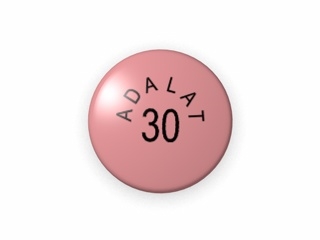

Adalat (Nifedipine) – Patient Guide (UK)
Adalat is a brand of nifedipine, a medicine used to treat certain cardiovascular conditions. It belongs to a group of medicines known as calcium channel blockers (specifically, a dihydropyridine type). Depending on the product strength and formulation, Adalat helps relax blood vessels to improve blood flow and reduce strain on the heart.
This guide explains how Adalat works, what it’s used for, how to take it safely, key interactions (including alcohol and food), and practical tips for everyday use in the United Kingdom. If you are unsure which Adalat strength or type you have (for example, immediate-release vs modified-release), check the pack and follow the instructions provided.
Basic product information
- Medicine name: Adalat
- Active ingredient: Nifedipine
- Medicinal group: Calcium channel blocker (dihydropyridine)
- Common uses: High blood pressure (hypertension), angina (chest pain) and related conditions
- Available forms: Typically tablets/capsules depending on the specific Adalat product; some are modified-release (longer acting)
- Market availability (UK): Nifedipine products are widely used and available through UK pharmacies and online services, subject to stock
Note: Adalat brands and formulations can vary. Always confirm your exact product type from your package and any written instructions.
How nifedipine (Adalat) works (mechanism of action)
Nifedipine relaxes the smooth muscle in blood vessel walls. It does this by blocking L-type calcium channels in vascular muscle cells. With less calcium entering these cells, the blood vessels relax and widen, which:
- Lowers blood pressure by reducing the resistance the heart must pump against.
- Helps relieve angina by improving blood flow to the heart muscle and reducing the heart’s workload.
- Improves circulation in conditions where blood vessel narrowing contributes to symptoms.
Pharmacokinetics (what the body does with nifedipine)
Understanding how nifedipine moves through the body can help you take it at the right time and recognise effects.
| Aspect | Typical information (general nifedipine) |
|---|---|
| Absorption | Absorbed through the gut after oral dosing. Extent can vary between formulations (immediate vs modified/extended release). |
| Onset | May start working within hours; symptom improvement may be gradual, especially for modified-release products. |
| Peak levels (Tmax) | Varies by formulation. Immediate-release products tend to reach peak levels sooner; modified-release products reach peak later and more slowly. |
| Distribution | Widely distributed in the body, including cardiovascular tissues. |
| Metabolism | Primarily metabolised by the liver (commonly via CYP enzymes). |
| Elimination | Metabolites are eliminated mainly via the kidneys and bile. The overall duration of effect depends strongly on formulation and dose. |
| Half-life | Can differ between immediate-release and modified-release products. |
Practical takeaway: Don’t switch between formulations (or change how you take them) without medical advice. Modified-release products must often be swallowed whole and should not be crushed or broken unless the leaflet specifically permits it.
Typical use in the UK (indications)
Adalat/nifedipine is used for several cardiovascular indications, most commonly:
- Hypertension (high blood pressure): To help reduce and control blood pressure.
- Angina (chest pain): Including stable angina, where widening blood vessels can help reduce symptoms.
- Other vasospastic or related conditions: Depending on the product and clinician assessment.
Not all nifedipine products are appropriate for every condition. Your pack and clinician guidance will specify the exact intended use.
When to take Adalat (timing and dose schedule)
Timing depends on your specific formulation:
- Modified-release / longer-acting products: Often taken once or twice daily, at consistent times.
- Immediate-release products (if applicable): Typically taken more than once per day, with dosing intervals that support symptom control.
Tips for best effect:
- Take your dose at the same times each day to maintain steadier blood levels.
- If you miss a dose, follow the instructions in your leaflet (common practice: take it when remembered unless it’s close to the next dose; do not double up).
- If you’re starting therapy, you may notice effects such as headache, flushing, dizziness or ankle swelling—these can settle for some people, but you should monitor symptoms closely.
Do not change your schedule on your own, especially if you’re taking other cardiovascular medicines (such as beta-blockers or other blood pressure agents).
Dosing: what is typical and how dosing is individualised
Because Adalat contains nifedipine and dosing varies by indication and product formulation, dosing should always be based on your specific pack instructions and your prescriber’s plan.
General dosing principles:
- Dose is adjusted to achieve symptom control and appropriate blood pressure response.
- Starting doses are often lower, then adjusted depending on tolerance and effectiveness.
- Older adults and people with liver impairment may require careful adjustment due to slower metabolism and increased sensitivity.
Safety note: Never exceed the dose printed on your medicine packaging or the schedule you were advised. Taking extra can cause marked blood pressure lowering and dizziness, and in severe cases can be dangerous.
Food interactions and what to avoid
Food can influence how nifedipine is absorbed. Your leaflet will give product-specific instructions. In general:
- Grapefruit and grapefruit juice: Avoid if advised. Grapefruit can increase nifedipine levels in the blood for some people and raise the risk of side effects.
- High-fat meals: May affect absorption for some nifedipine formulations.
- Consistency matters: If you usually take your dose with food, try to keep the same pattern unless your leaflet says otherwise.
Practical approach: If you want to change how you take it (with or without food), consider discussing with a pharmacist—especially if you have had side effects or your blood pressure control has been unstable.
Alcohol and medicine interactions
Alcohol can increase the likelihood of dizziness, light-headedness, and low blood pressure when combined with nifedipine. It can also make it harder to assess how your body is reacting to the medicine.
- Moderation is important: Avoid heavy drinking.
- Be cautious when starting therapy: If you are new to nifedipine, consider limiting alcohol for the first days to understand how you respond.
- Driving and machinery: If you feel dizzy or drowsy, do not drive or operate tools or machines.
Other medicine interactions to know about:
- Other blood pressure medicines (including other calcium channel blockers, ACE inhibitors, ARBs, diuretics): may add to blood pressure lowering.
- Beta-blockers: can be used together in some patients, but blood pressure and heart rate should be monitored.
- Antiarrhythmics and some heart medicines: interactions may occur.
- Medicines affecting liver enzymes (CYP): Some antibiotics/antifungals and medicines for HIV can change nifedipine levels.
- Rifampicin: may reduce nifedipine effectiveness.
- St John’s wort: may reduce blood levels of nifedipine.
If you’re taking multiple medications (including supplements and herbal products), it’s wise to review them with a pharmacist before starting Adalat or changing doses.
Safety profile: common, serious and warning signs
Like all medicines, nifedipine can cause side effects. Many are mild and improve as your body adapts, but some may require urgent attention.
Common side effects
- Headache
- Flushing or feeling warm
- Dizziness or light-headedness
- Peripheral oedema (swollen ankles/feet)
- Palpitations
- Fatigue
- Gastrointestinal upset (e.g., nausea)
Less common but important effects
- Low blood pressure (especially when standing up)
- Bradycardia or changes in heart rate (more context-dependent)
- Worsening angina (rare, but important)
Seek urgent medical help if you experience
- Severe dizziness, fainting, or signs of shock
- Chest pain that is severe, new, or worsening
- Allergic reaction (swelling of face/lips, difficulty breathing, rash with swelling)
- Rapid or irregular heartbeat with feeling unwell
If you suspect an overdose or severe adverse reaction, seek emergency help immediately.
Practical use tips for everyday life
- Stand up slowly: If you feel dizzy, rise gradually from sitting or lying positions.
- Track symptoms: Note blood pressure readings (if you monitor at home), frequency of angina symptoms, and any side effects such as ankle swelling or headaches.
- Don’t crush modified-release tablets: Swallow whole if your product is modified-release, unless the packaging clearly states otherwise.
- Hydrate appropriately: Dehydration can worsen dizziness and low blood pressure.
- Be consistent with timing and food pattern: Stability helps maintain predictable effects.
- Keep a medication list: Include all prescriptions, over-the-counter medicines and supplements for quick checks on interactions.
Managing ankle swelling (oedema): This is a known effect of nifedipine for some people. It doesn’t always indicate heart failure, but it should be discussed with a clinician—particularly if swelling is new, rapidly worsening, or accompanied by breathlessness.
Alternatives to Adalat (nifedipine)
Depending on your condition and medical history, there may be alternative treatments or different calcium channel blockers. Options your healthcare professional may consider include:
- Other calcium channel blockers: such as amlodipine (another dihydropyridine) or verapamil/diltiazem (non-dihydropyridines).
- Other antihypertensive medicines: including ACE inhibitors, angiotensin receptor blockers (ARBs), thiazide-like diuretics, and beta-blockers (depending on individual suitability).
- Antianginal options: nitrates or other regimens may be appropriate for some patients.
Switching between medicines can change both benefits and side effects. Always discuss alternatives with a pharmacist or clinician.
Pharmacy guidance for the United Kingdom: market and legal context
In the UK, medicines are regulated and supplied in line with national medicines policy and pharmacy practice standards. Nifedipine products like Adalat are used by patients under established clinical guidance for cardiovascular conditions.
Important points for UK patients:
- Medicines classification: Some nifedipine products may be prescription-only, while supply may be arranged through authorised channels. Availability on any given online pharmacy platform can vary by product category.
- Packaging and leaflet information: Always read the Patient Information Leaflet (PIL) that comes with your specific product.
- Pharmacovigilance: UK healthcare systems encourage reporting suspected side effects to improve safety.
Recent guidance and clinical practice (high-level): UK prescribing and monitoring for blood pressure and angina typically focus on individual risk, tolerability, and the use of evidence-based regimens. For calcium channel blockers, clinicians commonly review blood pressure readings, heart rate, symptom control, and side effects such as oedema—especially during dose adjustments or switching formulations.
Delivery and availability (UK)
Availability of Adalat/nifedipine products may vary depending on the exact strength and formulation, as well as current UK pharmacy supply levels.
- Stock status: You can usually check live availability on an online pharmacy listing.
- Packaging: Medicines are typically delivered in manufacturer packaging with the leaflet included.
- Delivery timeframe: Delivery speed depends on the pharmacy’s courier network and your location within the UK.
- Cold chain: Nifedipine tablets/capsules do not generally require cold storage, but always follow the storage instructions on the pack.
Storage: Keep tablets/capsules in their original packaging, protected from moisture and heat. Store at room temperature as directed on the label, and keep out of sight and reach of children.
FAQ (Frequently asked questions)
1) What is Adalat used for?
Adalat (nifedipine) is used to treat conditions such as high blood pressure and angina (chest pain). The exact indication depends on the product formulation and your clinical situation.
2) How quickly will Adalat work?
Some people notice effects within hours, but overall symptom control and blood pressure stabilisation can take days to weeks. Modified-release products may provide steadier control over longer periods.
3) Should I take Adalat with food?
Many nifedipine products can be taken with or without food, but product instructions vary. Follow the guidance on your pack. If you choose a routine, keep it consistent. Avoid grapefruit where advised.
4) Can I drink alcohol while taking Adalat?
It’s best to keep alcohol to a minimum. Alcohol may increase the risk of dizziness and low blood pressure when combined with nifedipine, especially when you first start or after a dose change.
5) Are there medicines I should avoid with nifedipine?
Several medications can interact by changing nifedipine levels or increasing blood pressure lowering. Examples include certain antibiotics/antifungals, HIV medicines, rifampicin, and herbal products like St John’s wort. Always check your current medicines with a pharmacist.
6) Will Adalat cause ankle swelling?
Peripheral oedema (swollen ankles/feet) is a known side effect for some people taking nifedipine. It’s important to mention it to a healthcare professional, especially if swelling is new, severe, or comes with breathlessness.
7) What if I miss a dose?
Follow the instructions in your leaflet. In general, don’t take a double dose to make up for a missed tablet. If you’re unsure, ask your pharmacist for guidance based on your product type.
8) Can I stop Adalat suddenly?
Do not stop or change your dose without advice. Stopping abruptly may lead to return of symptoms or worsening control in some people. If you’re considering stopping, speak to a healthcare professional.
9) Is Adalat safe for older adults?
Many older adults take nifedipine safely, but they may be more sensitive to blood pressure changes and side effects. Clinicians often start with careful dosing and monitor response closely.
10) What should I do if I feel dizzy after taking a dose?
If dizziness occurs, sit or lie down until it passes. Avoid driving until you feel steady. If dizziness is frequent, severe, or associated with fainting, contact a healthcare professional promptly.
Summary
Adalat (nifedipine) is a calcium channel blocker used to manage high blood pressure and angina. It works by widening blood vessels, lowering the heart’s workload, and improving blood flow. To use it safely, take it at consistent times, follow instructions for your specific formulation (especially modified-release), and be mindful of interactions—particularly with grapefruit, alcohol, and other medicines that can affect nifedipine levels.
If you have questions about your dose, product type, or side effects, a pharmacist can help you understand your medicine and how to fit it into daily life in the UK.