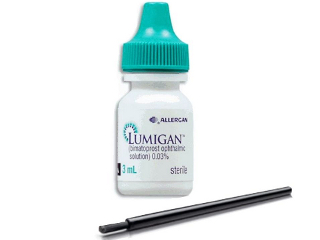
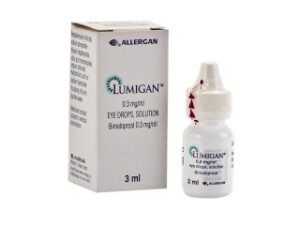
Lumigan + Applicators (Bimatoprost) – Patient Information (UK)
Lumigan + Applicators contains bimatoprost, a medicine used to lower high pressure inside the eye (intraocular pressure). It is supplied with applicators to make applying the drops easier and more accurate. This page explains how the medicine works, how to use it safely, and what to expect.
| Product name | Key ingredient | Form | Typical purpose |
|---|---|---|---|
| Lumigan + Applicators | Bimatoprost | Eye drops (with applicators) | Lower intraocular pressure |
What is Lumigan + Applicators used for?
In the UK, bimatoprost (Lumigan) is commonly used to treat eye conditions where lowering the pressure inside the eye helps protect the optic nerve. Your eye care professional may recommend Lumigan for:
- Open-angle glaucoma (a long-term condition where the eye pressure gradually damages the optic nerve).
- Ocular hypertension (raised eye pressure without clear glaucoma).
- Sometimes in combination with other glaucoma medicines, depending on your individual condition.
Your prescriber will decide which treatment is most suitable for you. If you are using Lumigan, it is important to continue even if you feel well—glaucoma and ocular hypertension often cause no pain or early symptoms.
How it works (mechanism of action)
Bimatoprost is a medicine that belongs to the prostaglandin (family) group, often described as a prostaglandin analogue. It works mainly by improving the outflow of fluid (aqueous humour) from inside the eye.
By helping fluid drain more effectively, Lumigan can reduce intraocular pressure. Lower pressure helps reduce the risk of ongoing optic nerve damage.
How quickly does it work?
Many people notice the effect on eye pressure within hours, with the full pressure-lowering effect typically achieved after several days. For glaucoma care, regular use at the correct time is crucial to maintain consistent control.
Pharmacokinetics (how the medicine behaves in the body)
Understanding pharmacokinetics can help you appreciate why correct dosing and timing matter. After applying bimatoprost to the eye, it can be absorbed through eye tissues.
- Absorption: Bimatoprost is absorbed through the tissues of the eye after topical application.
- Distribution: Small amounts may enter the bloodstream, though exposure is generally limited compared with oral medicines.
- Metabolism: It is metabolised primarily in the body, including pathways that convert it to other substances.
- Elimination: Metabolites are cleared mainly via the kidneys and the body’s normal processes.
The clinical takeaway for patients is that consistent application and correct administration technique help achieve the desired effect with the lowest necessary systemic exposure.
When and how to use Lumigan (typical dosing)
Common dosing in adults is:
- One drop in the affected eye(s) once daily.
- Usually, it is taken in the evening or at the same time each night. Follow your eye specialist’s instructions exactly.
Timing guidance (evening dosing)
Bimatoprost is typically used at night because eye pressure patterns can vary over the day, and many patients achieve better control with an evening routine. Try to apply it regularly, at the same time every day.
What if you miss a dose?
- If you realise you have missed a dose and it is close to the next dose time, skip the missed dose.
- If you realise the omission with enough time before the next scheduled dose, apply it then.
- Do not use a double dose to make up for a missed dose.
How to apply using the applicators (practical technique)
Correct application helps the medicine reach the eye and reduces waste and side effects. The applicators are designed to support consistent dosing.
- Wash your hands.
- Open the applicator carefully and check that it is not damaged. If there is any visible issue with the product, do not use it.
- Tilt your head back, look upward, and gently pull down the lower eyelid to create a small pocket.
- Place the applicator tip near the eye (avoid touching the eye surface). Squeeze out one drop into the pocket.
- Close your eye gently and press lightly at the inner corner of the eye (near the nose) for about 1 minute. This can help reduce drainage into the nose and throat.
- Wipe away excess with a clean tissue.
- Wash your hands again.
Contact lenses
If you wear contact lenses, ask your eye care professional whether you should remove them before using Lumigan. Often, people are advised to remove contact lenses before instilling drops and wait at least 15 minutes before reinserting. Follow your local guidance and your clinician’s advice.
Do not share applicators
To reduce infection risk, do not share your drops or applicators with anyone else. Keep the applicator clean and avoid contact between the tip and the eye or eyelids.
Indications: who should use it?
Lumigan is indicated for lowering intraocular pressure in people with:
- Glaucoma (particularly open-angle glaucoma).
- Ocular hypertension.
- Sometimes as part of a combination regimen where more than one medicine is needed to reach target pressure.
It may be used in specific circumstances based on the type of glaucoma, baseline pressure, response to therapy, and tolerance to treatments. Your clinician will set the target pressure and follow up regularly.
Safety profile and possible side effects
Like all medicines, bimatoprost can cause side effects. Many are mild and affect the eye area, especially in the first weeks. Some changes may be long-lasting (for example, eyelash changes).
Common side effects
- Redness of the eye or mild irritation
- Itching or a feeling of something in the eye
- Dryness or discomfort
- Increased tear production in some people
- Temporary blurred vision immediately after using drops (usually settles quickly)
- Changes in eyelashes: eyelashes may become longer, thicker, darker, and/or more numerous (this is a known effect of prostaglandin analogues).
- Changes around the eye: eyelid skin irritation or darkening may occur in some cases.
Possible changes to eye colour
In some individuals, bimatoprost can cause gradual darkening of the iris (the coloured part of the eye), especially if you have mixed-colour irides (e.g., green-brown or blue-brown). This change may be permanent. Discuss this with your clinician if you are concerned.
Serious side effects – seek urgent advice
Contact an eye care professional promptly or seek urgent medical advice if you develop:
- Severe eye pain
- Marked eye redness that worsens
- Significant vision changes
- Swelling around the eye
- Signs of eye infection (for example, worsening discharge, intense irritation, or a sudden deterioration).
Who should take extra care?
- If you have inflammation inside the eye (uveitis) or have a history of inflammation, consult your clinician.
- If you have macular oedema or are at risk, your clinician may monitor closely.
- If you have severe dry eye or ocular surface disease, you may experience increased irritation—your clinician may adjust your treatment.
Food interactions
Because Lumigan is applied to the eye and acts locally, it is not usually affected by food. There are no known clinically relevant food interactions for bimatoprost eye drops.
You can generally take your meals normally. The key dietary consideration is not specific to the medicine itself.
Alcohol and medicine interactions
Alcohol
No direct alcohol interactions are typically expected with bimatoprost eye drops. However, alcohol can sometimes worsen dry eye symptoms or reduce sleep quality, which may indirectly affect eye comfort.
Other medicines
Bimatoprost has a low likelihood of major systemic drug interactions because exposure after eye application is limited. Still, it is important to tell your eye care professional about all medicines you use, including:
- Eye drops (including steroid drops)
- Ointments
- Tablets and herbal products
- Medicines for heart rhythm, blood pressure, or allergies
If you use more than one eye medicine, spacing is important. A common approach is to leave a gap of about 5–10 minutes between different eye drops unless your clinician advises otherwise.
Prostaglandin analogue combinations
Do not use two prostaglandin analogue medicines in the same eye at the same time unless your prescriber has specifically told you to. Using multiple medicines from the same class may increase side effects without improving results.
Practical tips to get the best results
- Use it every day at the same time. Consistency supports steady pressure control.
- Check your drop technique: aim for one drop, not several.
- Press the inner corner gently for about 1 minute after application to reduce drainage.
- Don’t touch the tip to the eye or eyelids to reduce contamination risk.
- Be prepared for lash changes. This is common with bimatoprost-class medicines.
- Keep follow-up appointments. Eye pressure checks and optic nerve monitoring are essential.
Dosing details and special considerations
Adults
Typical dosing is one drop once daily in the evening (or at the time specified by your clinician).
Children and adolescents
Use in children depends on the indication and local prescribing guidance. Your clinician will advise on dosing and monitoring. If you are treating a child, ensure the plan is clearly communicated and follow the specialist’s instructions.
Both eyes or one eye?
Use Lumigan only in the eye(s) instructed by your clinician. If two eyes need treatment, follow the dosing instructions for each eye.
Do not change the dose
Do not increase the frequency to “catch up” if you miss a dose. More frequent use can increase the risk of side effects without necessarily improving pressure control.
What to do if you experience irritation
Mild irritation is common, particularly at the start of treatment. If discomfort is mild, avoid discontinuing without medical advice—pressure control is important.
- Stop touching the drop tip to the eye and eyelids.
- Use the inner-corner pressure technique to reduce overflow.
- Avoid using the drops when the applicator feels damaged or contaminated.
- If irritation persists or worsens, contact your eye care team. They may review your technique, check for ocular surface disease, or suggest supportive treatments such as lubricating drops.
Alternative options
Several other treatments are available for lowering intraocular pressure. Your clinician may choose an alternative based on your response, tolerability, and eye health.
Other drop classes commonly used in glaucoma care
- Other prostaglandin analogues (similar class; may have different tolerability).
- Beta-blocker eye drops (reduce fluid production).
- Alpha-agonists and carbonic anhydrase inhibitors (different mechanisms).
- Combination drops that include two active medicines in one bottle.
If you struggle with side effects, your eye care team can help find an option that balances effectiveness and comfort. There are also non-drop approaches (such as laser or surgery) for some people.
Market and legal context for the UK
In the United Kingdom, eye medicines like bimatoprost are regulated medicines and are supplied under UK medicines regulations. Availability may vary by brand, formulation, and supply. Your pharmacist or clinician can advise on what is currently available and the most suitable option for you.
Authoritative guidance in glaucoma care in the UK is provided by professional bodies and the NHS. Treatment is individualised based on diagnosis, severity, risk factors, and response to therapy.
Recent guidance (practical summary for patients)
UK glaucoma management commonly emphasises:
- Target intraocular pressure based on disease stage and risk.
- Adherence—regular drop use is essential for effectiveness.
- Monitoring with follow-up eye examinations (pressure checks and optic nerve monitoring).
- Consideration of ocular surface side effects and patient comfort when selecting or switching therapies.
- Awareness that prostaglandin analogues can cause eyelash and iris pigmentation changes.
If you have questions about whether Lumigan is still the best fit for you, discuss them with your eye care professional during your next review.
Delivery and availability (UK)
Many UK online pharmacies offer Lumigan + Applicators (bimatoprost) subject to availability and the required checks for safe supply. Delivery times can vary depending on your location and the supplier.
- Stock status: Products may occasionally be unavailable due to supply chain factors—your pharmacy may offer an alternative if needed.
- Packaging: Keep the medicine in its original packaging and store it as directed on the label.
- Expiry: Check the expiry date before use.
If you need urgent treatment continuity, contact the online pharmacy support team and your eye clinic to confirm the safest plan.
Storage instructions
Store Lumigan in accordance with the instructions on the package leaflet and label. In general:
- Keep out of the sight and reach of children.
- Do not use after the expiry date.
- Protect from excessive heat or sunlight where instructed.
FAQ – Common questions
1) Is Lumigan the same as bimatoprost?
Yes. Lumigan is the brand name; it contains bimatoprost, the active ingredient. The “+ Applicators” pack is designed to help with application.
2) Will Lumigan improve eyesight?
Lumigan does not usually improve eyesight directly. Its role is to lower eye pressure to help prevent damage to the optic nerve over time. If glaucoma is already affecting vision, treatment helps protect against further loss.
3) What if I accidentally use it twice in one day?
If you use an extra dose, do not apply additional drops to “compensate.” Contact your pharmacist or eye clinic for advice, especially if you develop significant side effects.
4) Can I drive after using the drops?
Some people experience temporary blurred vision right after applying drops. Wait until your vision feels clear before driving or using machines.
5) Why do my lashes look different?
Lash changes (length, thickness, and darker appearance) are a known effect of bimatoprost-class medicines. These changes can be expected in some people. If you develop eyelid irritation, swelling, or severe discomfort, seek advice.
6) Can Lumigan change my eye colour?
It may gradually cause iris pigmentation in some individuals. This is typically more noticeable with mixed-colour irides. Discuss concerns with your eye care professional.
7) What should I do if I wear contact lenses?
Many patients are advised to remove contact lenses before applying the drop and wait before reinserting. Follow the guidance given by your clinician or pharmacist.
8) Is it safe with other eye drops?
Often, yes—many people use more than one eye medicine. However, spacing between drops and avoiding duplication of similar medicines matters. Ask your clinician or pharmacist if you are unsure.
9) Are there alternatives if I can’t tolerate Lumigan?
Yes. There are multiple glaucoma medicines with different mechanisms, and your clinician may consider switching to another drop class or combination therapy. If dryness or irritation is troublesome, they may also suggest supportive measures.
10) When should I seek medical help immediately?
Seek urgent advice if you have severe eye pain, sudden worsening redness, significant vision changes, or signs of eye infection.
Summary
Lumigan + Applicators (bimatoprost) is used in the UK to help lower intraocular pressure in people with glaucoma or ocular hypertension. It works primarily by improving the eye’s fluid outflow. The usual regimen is one drop once daily in the evening. Many side effects involve the eyes and eyelids and are often manageable, but some pigmentation changes can be long-lasting.
For the best results, use the drops exactly as advised, apply them correctly, and attend regular eye reviews. If you have any concerns about side effects or missed doses, contact your pharmacist or eye care team.