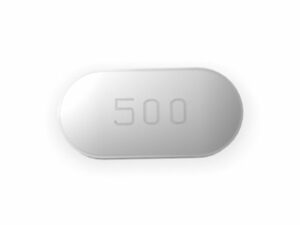

Prandin (Repaglinide) – Patient Information
Prandin is a medicine containing repaglinide, used to help control blood glucose (sugar) levels in adults with type 2 diabetes. It belongs to a group of medicines called meglitinides. Prandin works by stimulating the pancreas to release insulin around meal times.
This guide is designed to be patient-friendly and UK-focused. It explains what Prandin does, how to take it safely, what to expect, and where to get help if you have questions.
Basic product information
- Medicine name: Prandin
- Active ingredient: Repaglinide
- Medicine type: Oral blood-sugar lowering medicine (meglitinide)
- Used for: Type 2 diabetes to improve blood glucose control
- How it works: Increases insulin release from the pancreas in response to food
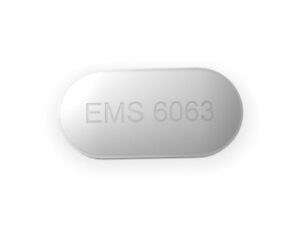
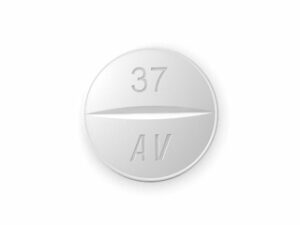
- Form: Tablets (strengths vary by product availability)
- Where used: UK (market authorisation and availability depend on local supply)
What is type 2 diabetes?
In type 2 diabetes, the body may not make enough insulin or may not respond properly to insulin. Over time, blood glucose levels can rise and lead to complications. Medicines like Prandin help lower blood sugar and reduce the risk of complications when used alongside lifestyle measures (healthy eating, physical activity, weight management, and smoking cessation where relevant).
Mechanism of action (how Prandin works)
Repaglinide works by closing ATP-sensitive potassium (KATP) channels on pancreatic beta cells. This leads to cell depolarisation and triggers insulin release.
Key point: Prandin is designed to act mainly around meals. The effect helps reduce the post-meal rise in blood glucose.
- Helps control meal-related blood sugar spikes
- Works best when taken at the correct time in relation to food
- Does not replace lifestyle measures—diet, exercise and weight control remain important
Pharmacokinetics (how the body handles repaglinide)
Pharmacokinetics describes how a medicine is absorbed, distributed, broken down, and eliminated. While individual responses vary, the following general points help explain why timing matters.
| Process | What typically happens | Why it matters for patients |
|---|---|---|
| Absorption | Repaglinide is absorbed from the gut after taking by mouth. | Taking it before meals helps align insulin release with the rise in blood glucose. |
| Onset of action | It starts working relatively quickly after a dose. | Correct meal timing supports better post-meal glucose control. |
| Metabolism | Primarily metabolised by the liver. | Lower doses or extra caution may be needed in certain liver conditions and with interacting medicines. |
| Elimination | Elimination occurs mainly via bile and faeces. | Changes in liver function can affect exposure, potentially increasing risk of side effects. |
| Half-life | The duration of effect is meal-related; clinical effect fades after the post-meal period. | Typical guidance focuses on taking it shortly before meals rather than long “coverage” throughout the day. |
Typical use in the UK
Prandin is commonly used in adults with type 2 diabetes when blood glucose control needs additional help. It may be used:
- As monotherapy (alone) when suitable, for example when metformin is not appropriate
- In combination therapy with other blood-sugar lowering medicines if required
Your clinician will choose a treatment plan based on your current HbA1c, blood glucose readings, other conditions, your risk of hypoglycaemia, and what other medicines you take.
Indications (what Prandin is used for)
Repaglinide is indicated for improving glycaemic control in adults with type 2 diabetes, as part of a comprehensive diabetes management plan.
Dosing and timing: how to take Prandin
Important: The dose you take should be exactly as advised by your healthcare professional. Below is patient-friendly general guidance to help you understand typical timing and dosing principles.
When to take it
- Prandin is usually taken within 15 minutes before a meal.
- If you skip a meal, you will typically be advised to skip the dose for that meal (to reduce hypoglycaemia risk).
- Take doses around each main meal as advised.
How often
- Often taken before meals (commonly 2–4 times daily depending on your meal schedule).
Starting dose and dose adjustments
Your dose is individual. Clinicians may start at a lower dose and adjust based on blood glucose results and tolerability.
- Dose adjustments are generally based on blood glucose monitoring.
- HbA1c is checked periodically to guide longer-term control.
- People who have previously taken other diabetes tablets may be started differently.
Food interactions and meal-related guidance
Because repaglinide is designed to reduce post-meal blood glucose, food timing is one of the most important practical aspects of treatment.
- Take it before meals: Taking it too early may lead to reduced benefit at the time of the post-meal glucose rise.
- Take it with predictable meals: Irregular eating patterns can increase the risk of hypoglycaemia.
- If you skip a meal: do not take the missed meal dose unless your clinician has advised otherwise.
- Balanced diet still matters: Medicines help, but they do not replace carbohydrate awareness and healthy eating.
Carbohydrate content: Larger meals may require better glucose monitoring because the insulin response is meal-related.
Alcohol and medicine interactions
Alcohol can affect blood glucose levels and the way your body handles diabetes medicines. It may also worsen side effects such as dizziness or tiredness.
- Hypoglycaemia risk: Alcohol can increase the risk of low blood sugar, especially if you drink on an empty stomach or drink heavily.
- Watch for delayed lows: Some people experience low blood sugar several hours after drinking.
- Prefer moderation: If you choose to drink alcohol, do so in moderation and with food, and monitor glucose more frequently.
If you have liver disease, a history of frequent hypos, or kidney problems, you should seek personalised advice before drinking alcohol.
Medicine interactions (including important safety considerations)
Repaglinide is metabolised mainly in the liver. Some medicines can change repaglinide levels, which may increase hypoglycaemia risk or reduce effectiveness.
Examples of medicines that may interact
Interaction risk can involve both increased repaglinide exposure (higher hypo risk) and reduced exposure (reduced glucose control). Examples that may be relevant include:
- Certain antibiotics and antifungals (some can affect liver enzymes)
- Some heart medicines and medicines for high blood pressure (depending on the agent)
- HIV medicines and some antivirals
- St. John’s wort (herbal remedy) may reduce repaglinide levels
- Some steroids and other medicines that can affect glucose levels
What to do: Tell your healthcare professional about everything you take—prescription medicines, over-the-counter products, and supplements.
Hypoglycaemia risk with combination therapy
Combining Prandin with other medicines that can lower blood sugar (for example, other insulin-releasing medicines or insulin itself) can increase the risk of hypoglycaemia. Your clinician may adjust your doses and advise glucose monitoring.
Safety profile and side effects
Like all medicines, Prandin can cause side effects. Not everyone gets them. The most important safety concern is hypoglycaemia (low blood sugar).
Common concerns
- Hypoglycaemia (low blood sugar): Can occur, especially when doses are too high relative to food intake.
- Symptoms of low blood sugar may include sweating, shaking, dizziness, hunger, headache, confusion, or palpitations.
Other possible side effects
These can vary by person and dose. People may experience:
- Gastrointestinal symptoms (e.g., nausea, abdominal discomfort)
- Headache
- Weight change (weight changes can occur in diabetes therapy; patterns vary)
When to seek urgent help
Get urgent medical help if you or someone else has:
- Severe hypoglycaemia (for example, unable to swallow, fainting, seizure, or confusion that does not improve)
- Signs of a serious allergic reaction such as swelling of the face/lips, breathing difficulty, or widespread rash
- Any sudden severe illness symptoms
Practical use tips (making Prandin easier to manage)
Prandin works best when meal timing and glucose monitoring are consistent. The following tips can make treatment safer and more effective.
- Plan meals: Try to keep meal times regular. If your routine changes, discuss dosing adjustments with your clinician.
- Check glucose as advised: Especially when starting therapy, changing dose, changing diet, or during illness.
- Keep fast-acting carbohydrate available: For suspected hypos, you may need quick sugar (e.g., glucose tablets or juice), followed by a longer-acting snack if advised.
- Know hypo symptoms: Early recognition helps prevent severe episodes.
- Drive and work safely: If you’ve had recent hypos or symptoms, discuss driving safety and timing of doses with a healthcare professional.
- Record patterns: Notes on meal timing, dose, and glucose readings can help identify triggers for low or high sugars.
Who should take extra care?
Certain situations increase the risk of side effects or require closer monitoring. Speak to your healthcare professional if any apply:
- History of frequent hypoglycaemia
- Liver problems or abnormal liver function tests
- Kidney problems (may affect diabetes management and hypo risk)
- Irregular eating patterns or conditions that affect appetite or digestion
- Older age (hypoglycaemia symptoms may be less noticeable)
- Physical exertion changes (exercise can lower blood glucose)
If you become unwell (for example, with vomiting, diarrhoea, fever, or reduced eating), your diabetes plan may need temporary adjustment. Seek medical advice early.
Alternative options (if Prandin isn’t suitable)
Diabetes medicines vary in how they work, how often they are taken, and their risk profiles. Alternatives may include:
Other oral options
- Metformin (often first-line in many guidelines)
- Sulfonylureas (insulin-releasing tablets; may have different hypo risk)
- DPP-4 inhibitors (generally lower hypo risk when used alone)
- SGLT2 inhibitors (work by increasing glucose excretion in urine)
- Thiazolidinediones (may be considered in selected patients)
Injectable options
- GLP-1 receptor agonists
- Insulin (basal, prandial, or mixed regimens)
Which alternative is best depends on your HbA1c targets, weight considerations, kidney function, cardiovascular history, frequency of hypos, and personal preferences. Your healthcare team can guide you through options.
Market and legal context in the United Kingdom
In the UK, medicines like Prandin are supplied under regulation and are authorised and monitored to ensure quality, safety, and efficacy. Availability can vary due to manufacturing supply, wholesaler stock, and prescribing practices.
For online purchases, it is important to use a reputable UK-registered pharmacy and to ensure you receive genuine products that meet UK standards. Medicines should only be obtained through appropriate legal supply routes.
If you are unsure about legitimacy, check that the pharmacy is registered and follows UK medicines regulations. If in doubt, consult a local pharmacy or your healthcare professional.
Recent guidance and diabetes care updates (UK)
Diabetes care in the UK is shaped by guidance from professional bodies and the National Institute for Health and Care Excellence (Nice) and is supported by organisations such as Diabetes UK. While guidance may update over time, common themes include:
- Individualised HbA1c targets
- Emphasis on lifestyle measures
- Consideration of hypoglycaemia risk when choosing medicines
- Assessment of kidney function and other comorbidities before selecting therapies
- Use of structured monitoring plans (including HbA1c and self-monitoring where appropriate)
Your clinician will align your treatment with the latest relevant standards and your personal risk profile.
Delivery and availability (UK online pharmacy)
Availability of Prandin tablets can depend on supply and pharmacy stock. If an item is not immediately available, many online pharmacies offer:
- Estimated dispatch times at checkout
- Consolidated delivery to reduce multiple shipments
- Substitution policies if a brand is unavailable (only where legally appropriate and clinically suitable)
When ordering, check:
- Correct strength and formulation
- Delivery address and recipient availability
- Any age restrictions or additional verification steps (where required)
If you have an urgent need due to an impending dose schedule, contact the pharmacy to confirm stock status and delivery times.
FAQ (Frequently asked questions)
1) What is Prandin used for?
Prandin (repaglinide) is used to improve blood glucose control in adults with type 2 diabetes, especially to reduce blood sugar rises after meals.
2) When should I take Prandin?
In most cases, take it within 15 minutes before a meal. If you skip a meal, follow your clinician’s advice—often this means skipping that meal’s dose to reduce hypoglycaemia risk.
3) Can I take Prandin if I’m not eating?
Do not take it “just in case” when you are not planning to eat. Because it is meal-related, missing meals can increase the chance of low blood sugar. Discuss any changes to your routine with your healthcare professional.
4) What should I do if I miss a dose?
If you miss a dose and are about to eat, follow your prescriber’s instructions. If the meal has passed, it may not be appropriate to take a late dose—contact your healthcare professional or pharmacist for personalised advice.
5) What are the signs of low blood sugar?
Symptoms can include sweating, shaking, dizziness, hunger, headache, fast heartbeat, confusion, or feeling weak. If you suspect low blood sugar, check your glucose if possible and use fast-acting carbohydrate as advised in your diabetes plan.
6) Is Prandin associated with weight gain?
Some people experience changes in weight with diabetes therapies. Your clinician can help you monitor weight and manage diet and activity to support overall control.
7) Can I drink alcohol while taking Prandin?
Alcohol can increase the risk of hypoglycaemia. If you choose to drink, do so in moderation, ideally with food, and monitor your blood glucose more closely. Seek personalised advice if you have liver problems or frequent hypos.
8) Are there medicines I should avoid with Prandin?
Yes, some medicines can affect how repaglinide works in the body. Tell your pharmacist or clinician about all medicines, including antibiotics, antifungals, HIV medicines, and herbal products such as St John’s wort.
9) Who should take extra care when using repaglinide?
Extra caution may be needed in people with liver or kidney problems, older age, a history of frequent hypoglycaemia, or irregular eating patterns.
10) What happens if I get ill or can’t eat?
If you become unwell and your food intake drops, your diabetes plan may need adjustment. Seek advice promptly, especially if you are vomiting or unable to keep food down.
Summary
Prandin (repaglinide) is a meal-related tablet used for type 2 diabetes. It helps lower blood sugar by stimulating the pancreas to release insulin when you eat. Its effectiveness depends strongly on correct timing before meals. The most important risk to manage is hypoglycaemia, especially when doses do not match food intake or when medicines interact.
If you have questions about dosing, meal timing, side effects, or interactions, speak to your pharmacist or healthcare professional for tailored advice.