
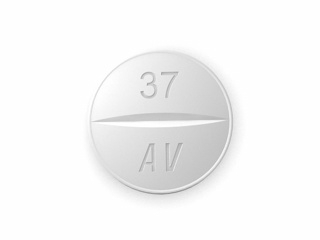

DDAVP (Desmopressin) — Patient Information (UK)
DDAVP is a brand name medicine containing desmopressin, a man-made version of the body’s natural hormone vasopressin. DDAVP helps the body retain water by acting on the kidneys and also plays an important role in conditions related to blood clotting and factor VIII/von Willebrand factor.
This guide explains what DDAVP is used for, how it works, how it behaves in the body, typical dosing approaches, important safety information (including water balance), interactions, and practical tips. It is written for people in the United Kingdom and is designed to be patient-friendly.
Basic product information
- Active ingredient: Desmopressin (synthetic analogue of vasopressin)
- Brand name: DDAVP
- Medicinal forms: DDAVP is available in several formulations depending on the indication (commonly tablets, and in some cases nasal formulations).
- Classification: Antidiuretic hormone (ADH) analogue
- Key effect: Reduces urine production and can support clotting factor release
Note: The exact strength and formulation vary by product. Always check the package for the concentration and how it should be taken.
How DDAVP works (mechanism of action)
Desmopressin primarily targets receptors in the kidneys (mainly V2 receptors) to reduce urine output.
- Kidney water retention: Desmopressin increases water reabsorption in the kidney’s collecting ducts. This concentrates the urine and reduces the amount of water lost.
- Reduced diuresis: People with conditions causing excessive urination (such as central diabetes insipidus) may experience markedly improved fluid balance.
- Haemostatic effect (clotting support): In some forms and indications, desmopressin can stimulate release of von Willebrand factor and increase factor VIII levels, supporting haemostasis in certain bleeding disorders.
Pharmacokinetics (what the body does to DDAVP)
Pharmacokinetics describes how the medicine is absorbed, distributed, metabolised, and eliminated.
- Absorption: Absorption depends on formulation (tablet vs nasal). Oral absorption is generally reliable, while nasal absorption can vary by formulation and individual nasal conditions.
- Onset of action: Usually begins within around 30–60 minutes for oral tablets, with effects increasing after administration.
- Peak effect: Often occurs a few hours after dosing for many oral regimens.
- Duration of action: Sufficient to cover dosing intervals used in treatment plans. The exact duration differs by condition and formulation.
- Elimination: Desmopressin is mainly cleared by the kidneys. In people with reduced kidney function, exposure may increase, so dosing and monitoring are important.
Important: The central safety concern with desmopressin is hyponatraemia (low sodium), driven by water retention. Pharmacokinetic properties contribute to the need for careful dosing and fluid restriction when advised.
Typical uses of DDAVP in the UK
DDAVP is used for several indications. The exact choice of formulation and dosing schedule depends on the condition being treated.
1) Central diabetes insipidus (DI)
Central DI occurs when the body cannot produce enough antidiuretic hormone (ADH). DDAVP reduces excessive thirst and urination.
2) Nocturnal enuresis (bedwetting) in selected patients
DDAVP can reduce night-time urine production and help some people manage bedwetting. This is usually considered when other approaches are not sufficient and when appropriate screening and advice have been provided.
3) Bleeding disorders / clotting support (haemostatic indications)
Desmopressin may be used in certain bleeding conditions where increased von Willebrand factor and factor VIII levels help improve clotting. This includes some cases of von Willebrand disease and mild haemophilia A depending on clinical circumstances.
Availability and suitability vary: Not every formulation is appropriate for every use. Your care plan should specify the correct product and dose.
When to take DDAVP: timing and schedule
Timing is critical to balance the benefits of reduced urine production with the risk of water retention.
- Follow your dosing schedule carefully. Do not change the number of doses or the dose strength without guidance.
- For diabetes insipidus: dosing often aims to maintain steady water balance throughout the day and night; the schedule may be adjusted based on symptoms and urine output.
- For nocturnal enuresis: DDAVP is commonly taken in the evening, tailored to individual needs. Fluid control around bedtime is especially important.
- For haemostatic use: timing may be linked to planned procedures or bleeding episodes per clinician guidance.
Practical tip: Use a diary or phone reminder to reduce missed or double dosing. If a dose is missed, do not “catch up” by taking extra unless your plan specifically says to do so.
Food interactions and absorption
Food can affect how medicines are absorbed, which may influence how quickly and strongly DDAVP works.
- Oral tablets: In some people, food (especially meals with varying fat content) may affect absorption. To maintain consistent results, consider taking DDAVP at the same time relative to meals each day.
- Keep consistency: If your regimen works well, avoid changing meal timing drastically.
Best practice: Check the packaging leaflet for the specific instructions for your formulation. If you are uncertain, ask a pharmacist.
Alcohol interactions
Alcohol can worsen fluid and electrolyte balance and may increase the risk of dehydration or, in combination with desmopressin, can contribute to an overall imbalance in water handling.
- General advice: Avoid heavy alcohol intake, especially when using DDAVP for conditions like enuresis where fluid guidance is important.
- Plan safe hydration: Follow any fluid restriction advice you’ve been given. Alcohol may make it easier to break those guidelines accidentally.
If you plan to drink alcohol, speak to your pharmacist or healthcare professional about safe amounts in your situation.
Medicine interactions (important)
Some medicines increase the risk of low sodium (hyponatraemia) or affect kidney function. Always inform healthcare professionals about all medicines you use.
Medicines that may raise hyponatraemia risk
- Diuretics (especially thiazides and loop diuretics)
- Medicines affecting water balance (certain antidepressants, antipsychotics, or other drugs linked to low sodium—this depends on the specific medicine)
- Other medicines that increase antidiuretic effects or alter sodium balance
Kidney-related considerations
- Nephrotoxic medicines (those that can affect kidneys) may affect how DDAVP is handled.
- NSAIDs (e.g., ibuprofen, naproxen) in some contexts can affect kidney handling of water and may increase hyponatraemia risk when combined with desmopressin. This depends on dose, duration, and individual factors.
Do not stop or start medicines: Interaction decisions should be made with a healthcare professional.
Indications: when DDAVP is prescribed
In the UK, DDAVP is used for conditions that require antidiuretic or haemostatic support. Common indications include:
- Central diabetes insipidus (to reduce polyuria and polydipsia)
- Nocturnal enuresis (bedwetting) in selected patients where appropriate screening and non-drug measures have been considered
- Bleeding disorders where desmopressin improves haemostasis by raising von Willebrand factor and factor VIII
Choice of formulation and dose depends on age, diagnosis, severity, kidney function, and individual response.
Dosing: general principles
Dosing must be individualised. The right dose depends on your condition, your age, your response, and how you manage fluid intake.
Follow the specific instructions supplied with your DDAVP product. Below are general dosing principles only.
1) Central diabetes insipidus
- Dosing is typically divided to cover day and night needs.
- Clinicians may adjust dose based on symptoms and urine osmolality/serum sodium monitoring.
- During illness, stress, or changes in fluid intake, dose adjustments may be needed.
2) Nocturnal enuresis
- Commonly taken in the evening.
- Fluid restriction guidelines are often central to safe treatment (see safety section).
- Treatment may be reviewed periodically to decide whether to continue.
3) Haemostatic use
- Dose and timing depend on the diagnosis and the goal (e.g., procedure-related prevention or treatment of bleeding).
- Response may be assessed with test doses or monitoring in some bleeding disorders.
Monitoring: For many indications, monitoring of serum sodium and overall water balance is important, especially when initiating or changing doses.
Safety profile and key risks
The most important risk associated with DDAVP is hyponatraemia—low blood sodium—caused by excessive water retention. Symptoms can be serious if sodium becomes too low.
Signs of possible hyponatraemia
Contact urgent medical help if you or the person taking DDAVP experiences symptoms such as:
- Severe headache
- Nausea and vomiting
- Confusion, unusual drowsiness
- Unsteadiness, dizziness
- Reduced alertness or seizures (in severe cases)
Other possible side effects
Side effects can vary by formulation and dose. Common or reported effects may include:
- Headache
- Nausea
- Abdominal discomfort
- Fatigue
- In some cases, fluid retention-related symptoms
Allergic reactions: Seek urgent help for signs such as rash, swelling of the face/lips, or difficulty breathing.
Who needs extra caution?
- People with low sodium history or risk factors
- Those with kidney impairment
- Young children and older adults, where monitoring needs may be higher
- Situations with increased fluid intake or dehydration followed by rehydration
- During illness (e.g., vomiting/diarrhoea), because water and electrolyte balance can change quickly
Practical use tips (to help you use DDAVP safely)
1) Follow fluid guidance exactly
Depending on your indication, clinicians may advise a specific approach to fluid intake—particularly for nocturnal enuresis.
- Do not increase fluid intake because you are taking DDAVP.
- In enuresis, bedtime and evening drinking patterns often matter significantly. Follow the instructions given with your regimen.
- If you are unsure about fluid restriction, ask a pharmacist before continuing.
2) Keep track of symptoms
- For diabetes insipidus: track urination frequency, thirst, and overall wellbeing.
- If symptoms worsen or you notice signs of low sodium, seek advice promptly.
3) Be extra careful during illness
- If you have vomiting, diarrhoea, fever, or major changes in drinking, contact a clinician/pharmacist for advice.
- During illness, self-adjusting doses is not recommended—water balance can change unexpectedly.
4) Storage
Store DDAVP as directed on the packaging. Keep it out of the sight and reach of children.
Alternative options (depending on the condition)
Alternatives depend on the indication. Your care team may consider other approaches to manage symptoms or improve haemostasis.
For diabetes insipidus
- Other desmopressin formulations (different routes and dosing schedules may be suitable)
- In some cases: other hormonal or supportive strategies based on the cause of DI (specialist-led)
For nocturnal enuresis
- Behavioural strategies (bedtime routines, timed voiding)
- Enuresis alarms
- Bladder training and other non-drug options
- Some individuals may benefit from different medication approaches depending on age and assessment
For bleeding disorders
- Haemostatic therapies tailored to the specific diagnosis (specialist-led)
- Sometimes factor concentrates or other products are used where appropriate
Important: Only switch therapies under medical guidance because dosing and safety monitoring differ.
UK market and legal context (what to expect)
In the UK, medicines are regulated by the Medicines and Healthcare products Regulatory Agency (MHRA). DDAVP availability is controlled to ensure safe use and appropriate supply.
- Medicinal regulation: Desmopressin products are used under regulated prescribing and supply processes.
- Information resources: The Patient Information Leaflet (PIL) included with the medicine provides product-specific details.
- Safety monitoring: Because of the risk of hyponatraemia, safe-use advice and appropriate checks (such as sodium monitoring where relevant) are commonly emphasised by UK healthcare services.
Recent guidance and safety updates: Guidance around DDAVP use commonly focuses on appropriate patient selection (particularly for nocturnal enuresis), dosing limits, and preventing hyponatraemia through fluid management and monitoring. Healthcare professionals may update advice based on safety communications and clinical evidence.
Delivery and availability (online pharmacy)
DDAVP may be available through online pharmacies in the UK, subject to product availability, formulation requirements, and eligibility checks. Delivery options vary by provider.
- Availability: Stock can differ between tablet and other formulations.
- Packaging: Orders are typically delivered in manufacturer/ pharmacy-appropriate packaging.
- Dispatch times: Depend on order verification and stock status.
- Cold chain: DDAVP does not typically require cold chain, but always follow the storage instructions on the pack.
If you are ordering for a child or need a specific strength or formulation, ensure you select the correct product to match your regimen.
FAQ about DDAVP (desmopressin)
1) What is DDAVP used for?
DDAVP (desmopressin) is used for conditions such as central diabetes insipidus, selected cases of nocturnal enuresis (bedwetting), and certain bleeding disorders where improving clotting factor levels is beneficial.
2) How quickly does DDAVP work?
For oral tablets, effects often begin within about 30–60 minutes. The full effect depends on the formulation and individual response.
3) What is the most serious side effect?
The most important risk is hyponatraemia (low blood sodium), which can cause serious symptoms. Following dosing instructions and any fluid restriction advice reduces risk.
4) Do I need to restrict fluids?
Fluid guidance depends on your diagnosis and the formulation. For nocturnal enuresis, fluid restriction is commonly essential. Always follow the instructions provided with your specific regimen or by your healthcare professional.
5) Can I drink alcohol while taking DDAVP?
It’s best to avoid heavy alcohol intake. Alcohol can affect hydration and may worsen fluid/electrolyte balance. If you plan to drink, speak to your pharmacist for personalised guidance.
6) Can I take DDAVP with food?
Food may affect absorption for some people. A good approach is to take DDAVP at the same time relative to meals each day, and to follow the instructions on your package leaflet.
7) What medicines might interact with DDAVP?
Medicines that increase the risk of low sodium (such as some diuretics, antidepressants, or medicines affecting water balance) and medicines affecting kidneys can be relevant. Tell your pharmacist about all medicines and supplements you take.
8) What should I do if I miss a dose?
Do not take extra doses to “catch up” unless instructed. Check the patient information leaflet or ask your pharmacist for advice based on your schedule.
9) Can DDAVP be used in children?
Yes, in some indications (such as selected cases of nocturnal enuresis) it may be used in children, but safety requirements—including careful fluid management and monitoring—are especially important.
10) When should I seek urgent help?
Seek urgent medical advice if you experience possible hyponatraemia symptoms such as severe headache, confusion, persistent vomiting, unusual drowsiness, seizures, or severe worsening of wellbeing.
DDAVP summary (quick guide)
- What it does: Reduces urine production (and can support clotting in certain conditions).
- How it works: Acts on kidney receptors to retain water; may increase von Willebrand factor and factor VIII.
- Main safety risk: Low sodium (hyponatraemia). Follow dose and fluid advice closely.
- Key timing: Take at the times specified in your regimen (often evening dosing for enuresis).
- Interactions: Some medicines increase hyponatraemia risk—check with a pharmacist.
- Alcohol: Avoid heavy intake; follow hydration guidance.
Further information: Always read the Patient Information Leaflet provided with your DDAVP product for formulation-specific instructions, warnings, and side effects.