

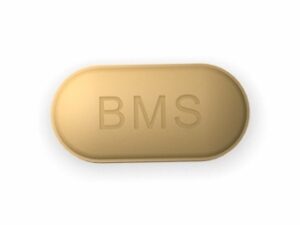
Jentadueto XR (Linagliptin and Metformin Hydrochloride) — Patient Guide (UK)
Jentadueto XR is a prescription medicine used to improve blood sugar control in adults with type 2 diabetes. It combines two active ingredients:
- Linagliptin (a DPP-4 inhibitor)
- Metformin hydrochloride (a biguanide; extended-release formulation)
This guide explains what Jentadueto XR is, how it works, how it is taken, important safety information, and practical tips for day-to-day use. It also includes information commonly relevant in the United Kingdom.
1) Basic product information
- Brand name: Jentadueto XR
- Active ingredients: Linagliptin + Metformin hydrochloride
- Dosage strengths (commonly available): Multiple strengths may be marketed depending on local availability. Your pharmacist/doctor will confirm the exact strength for your tablet.
- Formulation: Extended-release tablet (XR)
- Who it’s for: Adults with type 2 diabetes
- Typical use: As part of a broader diabetes care plan including diet, physical activity and (when needed) other medicines
Note: Exact tablet strengths, appearance, and packaging can vary. Always check the label and the leaflet included with your medicine.
2) What Jentadueto XR does (mechanism of action)
Jentadueto XR works through two complementary pathways. Together, they help control blood glucose in a way designed for sustained effect.
Linagliptin (DPP-4 inhibitor)
- Blocks DPP-4 (dipeptidyl peptidase-4), an enzyme that breaks down incretin hormones.
- Incretins (especially GLP-1 and GIP) increase insulin release and decrease glucagon secretion in a glucose-dependent manner.
- Because this effect depends on blood sugar levels, the risk of low blood sugar (hypoglycaemia) when used alone or without insulin/sulfonylureas is generally lower than with some other diabetes medicines.
Metformin (extended-release)
- Reduces glucose production by the liver.
- Improves insulin sensitivity and helps glucose uptake in muscle and other tissues.
- May reduce intestinal glucose absorption.
Combined effect
By targeting different processes involved in type 2 diabetes, Jentadueto XR helps lower blood glucose and HbA1c (a measure of average blood sugar over about 2–3 months).
3) Pharmacokinetics (how the body handles the medicines)
Pharmacokinetics describes absorption, distribution, metabolism, and elimination. The XR (extended-release) design mainly affects how metformin is released in the body.
Linagliptin
- Absorption occurs after oral dosing.
- In clinical use, linagliptin is primarily eliminated via non-renal (bile/intestine) pathways, which can be beneficial for some people with kidney impairment (individual assessment still matters).
- It has a dosing pattern that supports once-daily use in combination products.
Metformin XR
- Metformin XR releases the medicine more slowly than immediate-release metformin.
- This can help reduce some gastrointestinal side effects in some people.
- Metformin is eliminated largely through the kidneys. Kidney function is therefore important for safe use.
Practical takeaway: If you have kidney problems, your prescriber may monitor kidney function more closely and may adjust or avoid metformin-containing treatment based on national guidance and your lab results.
4) Typical uses and indications (UK context)
Jentadueto XR is used to treat adults with type 2 diabetes to improve glycaemic control, particularly when:
- Diet and exercise alone are not sufficient, and treatment with both a DPP-4 inhibitor and metformin is appropriate; or
- You are already taking linagliptin and metformin separately and require combination therapy; or
- There is need for improved control beyond metformin alone (depending on your clinical situation).
In the UK, the exact “indication wording” can be found in the medicine’s official Summary of Product Characteristics (SmPC) and patient leaflet. Your healthcare professional will use these documents alongside current clinical guidance to decide if Jentadueto XR is appropriate for you.
5) How and when to take Jentadueto XR (timing and regimen)
Jentadueto XR is commonly taken as a once-daily dose (as determined by your prescriber). Because it is extended-release, how you take it matters.
General dosing instructions
- Take with food to improve tolerability (often with the main meal of the day).
- Swallow whole with water.
- Do not crush, split or chew the tablet (extended-release tablets are designed to release slowly).
Common timing tips
- Choose a consistent mealtime (e.g., dinner) to help you remember.
- If your dose is missed, follow the instructions in the patient leaflet. In general, you should avoid taking a double dose to make up for a missed one.
If you are unsure, ask your pharmacist. Dosing can differ between people depending on kidney function and previous diabetes medicines.
6) Food interactions and lifestyle guidance
Food interaction: Metformin XR and the overall tablet are typically intended to be taken with meals. Taking it with food can reduce gastrointestinal side effects such as nausea, diarrhoea, and stomach discomfort.
What to expect
- Some people experience mild digestive symptoms, especially when starting or increasing dose.
- These often improve over time and can be reduced by taking the tablet with food.
Diet and weight management
Jentadueto XR is not a substitute for lifestyle changes. UK diabetes care typically includes:
- Healthy eating plan (with consideration of carbohydrate intake)
- Regular physical activity
- Weight management where relevant
Monitoring blood sugar as advised (e.g., finger-stick testing or continuous glucose monitoring if recommended) helps you and your healthcare team understand how your treatment is working.
7) Alcohol and medicine interactions
Alcohol can increase the risk of low blood sugar and, more importantly with metformin, can increase the risk of lactic acidosis in certain high-risk circumstances.
Key points
- Keep alcohol intake moderate.
- Avoid binge drinking.
- Be cautious if you have liver problems, severe illness, dehydration, or reduced kidney function.
When extra caution is needed
Seek medical advice promptly if you become seriously unwell (e.g., vomiting, severe diarrhoea, dehydration) or if you have symptoms suggesting lactic acidosis (see safety section).
Also speak to your pharmacist before combining Jentadueto XR with other medicines, particularly those affecting kidneys, hydration, or blood sugar.
8) Medicine interactions (what to tell your pharmacist)
Interactions depend on your full medicine list. Some medicines can affect kidney function, blood sugar levels, or the risk of side effects.
Medicines that may increase hypoglycaemia risk
- Insulin
- Sulfonylureas (e.g., gliclazide, glimepiride)
Although linagliptin itself is less likely to cause low blood sugar, combining with these medicines may increase the risk and may require dose adjustments.
Medicines affecting kidneys or hydration
Because metformin is cleared by the kidneys, medicines that influence kidney function or hydration (e.g., some diuretics, certain blood pressure tablets, NSAIDs in some circumstances) may require closer monitoring. Your clinician will advise based on your overall risk.
Contrast media for scans (iodinated contrast)
In the UK, metformin-containing medicines may be paused around certain imaging tests involving iodinated contrast, depending on your kidney function and local protocols. This is to reduce the risk of kidney injury that could lead to lactic acidosis.
- Always inform the imaging department that you take metformin.
- Your healthcare team will advise whether to stop temporarily and when to restart.
Tell your pharmacist about all medicines and supplements
- Diabetes medicines (including insulin)
- Blood pressure and heart medicines
- Medicines for infection, pain, inflammation, or other long-term conditions
- Herbal products and supplements
9) Dosing (strengths, start and adjustment principles)
Dosing is individualized. However, these are typical principles used in clinical practice.
Start low, adjust based on response and tolerability
- Metformin can cause gastrointestinal side effects, so dose adjustments often start gradually.
- Linagliptin is usually dosed consistently within a combination product, while metformin XR may be adjusted.
- HbA1c and blood glucose readings guide ongoing adjustments.
Renal function matters
Because metformin is cleared by the kidneys, your kidney function is a key factor in:
- Whether you can use metformin-containing products
- The maximum safe dose
- How often kidney function is monitored
Missed dose
- Take it as soon as you remember if it’s close to your usual time.
- If it is near the time of the next dose, skip the missed dose.
- Do not take a double dose.
For exact “missed dose” instructions, always refer to your patient leaflet or ask your pharmacist.
10) Safety profile and key precautions
Like all medicines, Jentadueto XR can cause side effects. Many people experience mild or manageable effects, but some symptoms need urgent medical attention.
Common side effects
- Gastrointestinal symptoms (e.g., diarrhoea, nausea, stomach discomfort). These may be less frequent with XR formulations, but can still occur.
- Indigestion or reduced appetite in some people.
Less common but important risks
- Hypoglycaemia (low blood sugar), especially if combined with insulin or a sulfonylurea. Symptoms include shakiness, sweating, dizziness, confusion, and hunger.
- Pancreatitis (inflammation of the pancreas): symptoms may include severe abdominal pain (sometimes radiating to the back), persistent vomiting, and feeling very unwell. This is uncommon but serious.
- Allergic reactions: rash, swelling of the face/lips, or breathing difficulty require urgent attention.
Serious warning: lactic acidosis (metformin-associated)
Lactic acidosis is rare but potentially life-threatening. It is more likely when metformin levels build up, usually due to:
- Significantly reduced kidney function
- Severe infection
- Dehydration (e.g., from vomiting or severe diarrhoea)
- Conditions causing low oxygen levels (e.g., severe lung or heart problems)
- Excessive alcohol intake
Seek urgent medical help if you develop symptoms such as:
- Deep or rapid breathing
- Severe weakness or feeling very unwell
- Muscle pain
- Unusual sleepiness or dizziness
- Abdominal pain with nausea/vomiting
Who should be extra cautious
Discuss with your clinician before starting or continuing Jentadueto XR if you have:
- Kidney disease or reduced kidney function
- Severe infection, dehydration, or frequent vomiting
- Severe liver disease
- Significant heart or lung disease
- A history of pancreatitis
11) Practical use tips (making treatment easier)
Getting the most benefit
- Take it at the same time each day with your main meal.
- Keep appointments for HbA1c and kidney function monitoring.
- If you experience stomach upset, confirm you’re taking it with food and discuss gradual adjustments with your healthcare team.
Managing missed doses and “sick day” rules
Many UK diabetes teams advise “sick day” guidance for medicines affecting kidneys and hydration. If you become acutely unwell (especially with vomiting, diarrhoea, fever, or poor fluid intake), it may be appropriate to temporarily stop certain medicines, including metformin in some situations, but you should follow your own plan and local advice.
- Contact your GP, diabetes specialist nurse, or NHS 111 for guidance if you’re unsure.
- Do not wait if you have severe symptoms of dehydration or lactic acidosis.
Hydration matters
Because metformin is cleared via kidneys, maintaining hydration during illness is important. Severe dehydration can increase risk.
Driving and operating machinery
Jentadueto XR by itself is less likely to cause low blood sugar than some other medicines. However, if used with insulin or sulfonylureas, hypoglycaemia risk increases. If you experience warning symptoms of low blood sugar, do not drive until it resolves.
12) Alternative options (if Jentadueto XR is not suitable)
If Jentadueto XR is not appropriate (for example, due to side effects, kidney function considerations, or other factors), UK clinicians may consider alternative options. The best choice depends on your medical history, HbA1c levels, weight considerations, cardiovascular risk, kidney function, and other medicines.
Common medication alternatives in type 2 diabetes
- Metformin alone (immediate or extended release)
- DPP-4 inhibitors (linagliptin, sitagliptin, etc.) as single therapy or with metformin
- SGLT2 inhibitors (e.g., empagliflozin, dapagliflozin) — often used when kidney and heart considerations apply
- GLP-1 receptor agonists (e.g., semaglutide, liraglutide) — may support weight management
- Insulin in appropriate cases
- Sulfonylureas (e.g., gliclazide) — effective but with hypoglycaemia risk
Your healthcare professional can help choose alternatives based on your circumstances and current UK clinical practice.
13) Market and legal context for the UK
In the United Kingdom, medicines such as Jentadueto XR are regulated and assessed for safety, quality, and effectiveness. They are available to patients via NHS routes or private prescriptions depending on eligibility and local arrangements. The official information for Jentadueto XR is set out in:
- Summary of Product Characteristics (SmPC) — for healthcare professionals
- Patient Information Leaflet — for patients
Clinicians typically follow national and local guidance (including NICE recommendations and relevant diabetes pathways) when deciding which treatments best meet individual needs.
Important: This page is for information only and is not a replacement for advice from a healthcare professional.
14) Recent guidance and monitoring (UK practical highlights)
Diabetes guidance in the UK continues to emphasise:
- Individualising therapy based on HbA1c targets and patient priorities
- Regular monitoring of kidney function for metformin-containing treatment
- Assessing overall cardiovascular and renal risk when selecting second-line therapies
- Clear “sick day” and dehydration advice for people at risk of acute kidney injury
Local protocols also influence whether metformin is temporarily withheld for certain imaging procedures and how often blood tests are performed. Your healthcare team will provide the most relevant advice for you.
15) Delivery and availability (online pharmacy information)
Availability can vary by supplier and strength. Many online pharmacies in the UK offer:
- Home delivery or collection options (depending on the pharmacy)
- Secure packaging and standard delivery tracking
- Clear availability information at checkout
Delivery timelines: These depend on stock levels and your location. Check the pharmacy’s website for delivery estimates, cut-off times, and any weekend/holiday arrangements.
Stock shortages: If a specific strength is temporarily unavailable, pharmacies may suggest alternatives or help arrange restocking. Always confirm the exact product strength and instructions before switching.
16) FAQ
1. Is Jentadueto XR the same as taking linagliptin and metformin separately?
Jentadueto XR combines linagliptin and metformin in one extended-release tablet. If you previously took the components separately, your prescriber may choose Jentadueto XR to simplify treatment. Dosing is based on your regimen and appropriate tablet strengths.
2. Why is it called “XR”?
XR stands for extended-release. The medicine is released more slowly to support once-daily dosing and may improve gastrointestinal tolerability compared with some immediate-release forms.
3. What should I do if I get diarrhoea or nausea?
These can be common side effects, particularly when starting or increasing metformin. Taking the tablet with food and allowing time for adjustment can help. If symptoms are severe, persistent, or you become dehydrated (especially with vomiting), contact your healthcare team promptly.
4. Can I drink alcohol while taking Jentadueto XR?
Moderate alcohol intake may be possible for some people, but alcohol can increase risk—particularly when it leads to dehydration or heavy intake. Avoid binge drinking and seek advice if you’re unsure. If you develop symptoms of serious illness, get urgent medical help.
5. Will Jentadueto XR cause low blood sugar?
Low blood sugar is less likely with linagliptin/ metformin used alone. Risk rises if you also take insulin or sulfonylureas. Learn the signs of hypoglycaemia and discuss dose adjustments with your healthcare team.
6. Do I need blood tests while taking it?
Yes. Kidney function is important for metformin safety, and HbA1c helps measure long-term glucose control. Frequency depends on your health and local protocols.
7. Can I take it if I have kidney problems?
Some people with reduced kidney function may still use metformin-containing treatment, but it depends on the severity and your latest eGFR/creatinine results. Your clinician will assess suitability and dosing.
8. What if I need an X-ray/scan with contrast?
Tell the imaging service and your prescribing clinician that you take metformin. You may be advised to temporarily pause the medicine, depending on kidney function and local guidance.
9. What if I miss a dose?
Follow the advice in the patient leaflet. In general, don’t take a double dose. If you’re uncertain, ask your pharmacist.
10. How long does it take to work?
Metformin effects can start quickly, while HbA1c improvements are seen over weeks. Your blood sugar response may vary, so regular monitoring is important.
Summary
Jentadueto XR (linagliptin + metformin XR) is a once-daily combination medicine for adults with type 2 diabetes in the UK. Linagliptin helps the body manage glucose in a glucose-dependent way, while metformin reduces liver glucose output and improves insulin sensitivity. Taking the tablet with your main meal, swallowing it whole, and keeping up with monitoring—especially kidney function—support safe and effective use.
If you have concerns about side effects, interactions, or missed doses, speak to your pharmacist or healthcare professional for personalised advice.