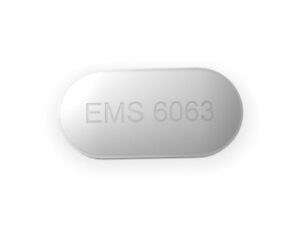
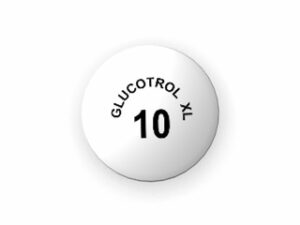
Glipizide (for type 2 diabetes)
Glipizide is an oral medicine used to help control blood sugar levels in adults with type 2 diabetes. It belongs to a group of medicines called sulfonylureas and works by stimulating the pancreas to release insulin. When used correctly alongside healthy lifestyle measures, glipizide can help reduce high blood glucose and support long-term diabetes care.
This page explains how glipizide works, when it is taken, what to expect, important safety information, common interactions (including alcohol), and practical tips for everyday use in the United Kingdom.
Basic product information
| Category | Details |
|---|---|
| Generic name | Glipizide |
| Medicine type | Oral blood glucose-lowering medicine (sulfonylurea) |
| Used for | Type 2 diabetes in adults |
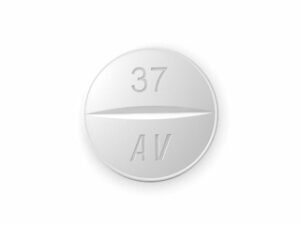
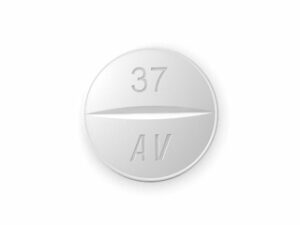
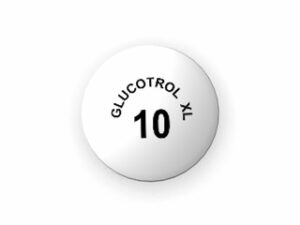
| Available forms | Tablets (immediate-release; some brands may differ by strength/formulation) |
| Typical action | Increases insulin release from the pancreas |
| Key risk | Hypoglycaemia (low blood sugar) |
How glipizide works (mechanism of action)
Glipizide works mainly by stimulating insulin secretion from pancreatic beta cells. It does this by closing ATP-sensitive potassium channels in the beta-cell membrane. This leads to cell depolarisation, calcium influx, and ultimately increased insulin release.
Because glipizide depends on the pancreas being able to produce insulin, it is most useful when the body still has sufficient beta-cell function (commonly in earlier stages of type 2 diabetes).
Expected effect
- Lowers blood glucose by increasing insulin availability after food intake.
- Most benefit is seen with consistent daily use and appropriate meal timing.
- Like many diabetes medicines, the goal is to improve long-term control (e.g. HbA1c), while reducing symptoms of high sugar.
Pharmacokinetics: absorption, distribution, metabolism, elimination
Understanding pharmacokinetics can help explain why glipizide is taken at specific times and what to consider with kidney or liver health.
Absorption
After oral administration, glipizide is absorbed from the gastrointestinal tract. Food may influence how quickly and how completely it is absorbed, so taking it as advised with respect to meals can be important.
Distribution
Glipizide distributes into the body tissues and has a degree of protein binding in blood. Protein binding can influence drug interactions and overall effect.
Metabolism
Glipizide is primarily metabolised in the liver. As with other medicines processed by the liver, liver impairment may require extra caution and monitoring.
Elimination
Glipizide and its metabolites are eliminated from the body mainly via the kidneys and urine. Kidney function matters for overall safety because reduced clearance can contribute to a higher risk of side effects.
Duration of action
The dosing schedule is designed to match the medicine’s blood glucose-lowering effect to meal-related blood sugar rises. If doses are missed or taken at the wrong time, blood glucose control may worsen and the risk of low sugar may increase.
Typical use in the UK
In the United Kingdom, glipizide is used as part of diabetes management for many people with type 2 diabetes, particularly when a sulfonylurea approach is appropriate. It may be used:
- As a first medicine in selected individuals when appropriate
- In combination with other glucose-lowering medicines
- When additional glucose control is needed after diet and lifestyle measures
Diabetes treatment should always be personalised based on factors such as age, other medical conditions, kidney and liver function, risk of hypoglycaemia, weight goals, and what medicines have already been tried.
Indications (who glipizide is for)
Glipizide is indicated for the treatment of type 2 diabetes mellitus in adults to improve glycaemic control. It is not used to treat type 1 diabetes.
It may also be used in specific situations where oral insulin-stimulating treatment is appropriate, but suitability depends on individual clinical factors.
Not suitable for
- Type 1 diabetes
- Diabetic ketoacidosis
- Severe illness where insulin therapy may be required (your clinician will advise)
- Children and adolescents unless specifically directed by specialist guidance
When to take glipizide (timing and routine)
Correct timing is important with sulfonylureas because their glucose-lowering effect can cause hypoglycaemia, especially if meals are skipped.
General timing guidance
- Take glipizide with food or immediately before a meal, as directed on your product information.
- Try to keep meals regular and do not skip meals.
- If you take more than one daily dose, follow the dose schedule provided by your healthcare professional.
Consistency matters
If you frequently change meal times (e.g. shift work), it may affect your blood glucose control and increase the risk of low sugar. Discuss your routine with your clinician so the dosing plan can be matched to your day-to-day life.
Dosing: how glipizide is commonly used
Dosing varies between individuals based on age, glucose levels, response to treatment, and kidney/liver function. The dose is typically started low and adjusted gradually to achieve appropriate glucose control while minimising hypoglycaemia risk.
Please follow the dosing directions associated with your product and healthcare plan. Below is a general overview of how dosing is commonly approached.
Starting and adjustment
- Starting dose is often low, especially in older adults or those at higher risk of hypoglycaemia.
- Dose adjustment may be made every few days to weeks based on blood glucose trends.
- If glipizide is combined with other medicines that affect blood sugar, the plan may need extra adjustment to reduce hypoglycaemia risk.
Maximum daily doses
Product-specific maximums exist for different formulations and strengths. Always use the maximum stated for your exact tablet presentation.
Special situations affecting dose
- Older adults: may be more prone to hypoglycaemia—lower starting doses are often used.
- Kidney problems: may increase drug exposure—your clinician may require closer monitoring.
- Liver impairment: may reduce medicine clearance—extra caution may be needed.
- Malnutrition or irregular meals: higher hypoglycaemia risk—may require altered approach.
If you miss a dose, follow the guidance from your healthcare professional and the patient information leaflet for your tablet strength/formulation. In general, doubling up to “catch up” can increase hypoglycaemia risk.
Food interactions and what to eat
Glipizide is closely linked to meal timing because it increases insulin release. Therefore, food interactions mostly involve the risk of low blood sugar if meals are missed.
What to do
- Do not skip meals after taking glipizide.
- If you have a reduced appetite, poor intake, or vomiting/diarrhoea, blood sugar can become unpredictable—seek medical advice.
- Maintain a balanced carbohydrate intake as part of your overall diabetes plan.
Alcohol and missed meals
Alcohol can worsen blood sugar control and increase hypoglycaemia risk, particularly if taken without food. See the alcohol section below for key safety points.
Practical meal approach
Many people find it helpful to:
- Plan snacks if you go longer than usual between meals
- Carry quick sugar (e.g. glucose tablets or a sugary drink) for emergencies
- Monitor blood glucose if you feel unwell or your routine changes
Alcohol interactions
Alcohol can interact with glipizide in two important ways:
- Hypoglycaemia risk: alcohol can lower blood sugar, especially when meals are missed.
- Liver effects: since glipizide is metabolised in the liver, heavy drinking may affect how safely the body handles the medicine.
Safer approach in everyday life
- Avoid drinking alcohol on an empty stomach.
- Keep alcohol intake moderate and consider having food alongside.
- Be cautious if you have liver disease or frequent episodes of low blood sugar.
- If you develop symptoms of hypoglycaemia after drinking (sweating, shaking, confusion, palpitations), treat as low blood sugar immediately and seek help if needed.
If you plan to drink alcohol more than occasionally, discuss your diabetes plan with a clinician so your risk can be assessed.
Medicine interactions (including drug–drug effects)
Glipizide can interact with other medicines that affect blood sugar, appetite, liver enzymes, kidney function, or the risk of hypoglycaemia. Always check whether new medicines affect diabetes control.
Medicines that may increase hypoglycaemia risk
- Other glucose-lowering medicines (e.g. insulin, other antidiabetics)
- Some antibiotics (depending on the specific agent)
- Salicylates (e.g. aspirin in some contexts)
- Non-steroidal anti-inflammatory drugs (NSAIDs) in certain situations
- Some antifungal medicines
- β-blockers (can mask early hypoglycaemia symptoms)
Medicines that may raise blood sugar (reduce glipizide effect)
- Systemic corticosteroids (e.g. prednisolone)
- Some diuretics
- Hormonal therapies in some cases
- Some medicines for mental health or other conditions (varies by drug)
Herbal and supplement interactions
Some herbal products and supplements may affect glucose levels or interact with metabolism. Always mention supplements to your healthcare team.
What to do
- Keep an up-to-date list of all medicines and share it when discussing diabetes care.
- Increase blood glucose monitoring when starting, stopping, or changing doses of interacting medicines.
- Seek advice if you notice unexpected trends in readings.
Safety profile: key risks and side effects
Like all medicines, glipizide can cause side effects. Not everyone will experience them. The most important risk associated with sulfonylureas is hypoglycaemia.
Common side effects
- Low blood sugar (hypoglycaemia)
- Headache
- Dizziness
- Nausea or mild stomach upset
- Changes in appetite
Serious risk: hypoglycaemia
Hypoglycaemia can occur if the dose is too high relative to food intake, activity level, or when combined with other medicines. It may also be more likely in older adults, people with kidney problems, and those with irregular meal patterns.
Symptoms of low blood sugar may include
- Sweating, chills, or clamminess
- Shaking, weakness, or tiredness
- Hunger or nausea
- Fast heartbeat or palpitations
- Difficulty concentrating, confusion, or headache
- In severe cases: unconsciousness or seizures
What to do if you think your blood sugar is low
- Take fast-acting glucose (e.g. glucose tablets or a sugary drink).
- Check your blood glucose if you can.
- Follow with a snack or meal if your next meal is not soon.
- If you are unconscious, severely confused, or unable to swallow, seek urgent medical help.
Other potential side effects
- Allergic reactions (seek urgent help for swelling of face/lips, breathing difficulty, widespread rash)
- Changes to blood counts (rare)
- Liver problems (rare; watch for yellowing of skin/eyes, dark urine)
When to contact a healthcare professional
- Recurrent episodes of low blood sugar
- Unexplained weight loss, persistent vomiting, or illness affecting intake
- Signs of allergic reaction
- Symptoms of liver problems
Practical use tips (making glipizide easier to manage)
Monitoring and routines
- Use your diabetes plan for checking blood glucose (frequency depends on your overall regimen).
- Keep a consistent schedule for meals and medication.
- Consider tracking readings when you change diet, exercise, or daily routine.
Be prepared for hypoglycaemia
- Carry fast-acting sugar with you.
- Tell friends or family that you take a sulfonylurea and how to help if you become unwell.
- If you drive or work with machinery, take extra care: check glucose levels if you feel symptoms.
During illness (“sick days”)
If you become ill, especially with vomiting, diarrhoea, fever, or reduced appetite, blood glucose can change quickly. Do not ignore symptoms of hypoglycaemia or dehydration. Contact your diabetes team for advice on how to continue your regimen.
Exercise and activity
- Physical activity can lower blood glucose.
- If you exercise more than usual, you may need to monitor more closely and plan carbohydrate intake.
- Hypoglycaemia during exercise can be dangerous—plan snacks and hydration.
Travel
- Keep tablets in original packaging and carry them in hand luggage when flying.
- Adjust timing for time zones carefully—discuss a plan if travel changes meal/med timing significantly.
Alternative options for type 2 diabetes
Diabetes care is individual. Depending on your health profile, preferences, and response to treatment, there are multiple alternative or add-on options to glipizide. Your clinician can discuss the most suitable approach.
Common classes of glucose-lowering medicines (UK context)
- Metformin (often first-line, if suitable)
- DPP-4 inhibitors (generally lower hypoglycaemia risk than sulfonylureas)
- SGLT2 inhibitors (may provide additional benefits for some people)
- GLP-1 receptor agonists (in some cases; injectable)
- Other sulfonylureas (e.g. glimepiride, gliclazide) depending on suitability
- Insulin (when needed for adequate control)
How alternatives may differ
- Hypoglycaemia risk: some options carry less risk than sulfonylureas.
- Weight effects: sulfonylureas may cause modest weight gain in some people, whereas others may be neutral or lead to weight loss.
- Kidney and heart considerations: some medicines may be preferred depending on co-existing conditions.
If you are considering switching from glipizide, do it with clinical guidance because dose changes and monitoring are important.
Market and legal context in the UK
In the United Kingdom, medicines used for diabetes are regulated to ensure quality, safety, and effectiveness. Availability and prescribing practices are guided by national healthcare frameworks and local clinical pathways.
Treatment decisions commonly follow evidence-based recommendations and review schedules such as:
- Routine diabetes reviews (HbA1c, kidney function, cardiovascular risk assessment)
- Medication review to minimise side effects and interactions
- Structured education on diet, exercise, hypoglycaemia recognition, and self-management
Your pharmacy should provide information about how to take your medicine and can advise on general safety steps. If your circumstances change (new conditions, new medicines, or pregnancy planning), diabetes medicines may need review.
Recent guidance and clinical priorities
Clinical approaches to type 2 diabetes in the UK emphasise:
- Individualised treatment based on patient characteristics and risk profiles
- Reducing hypoglycaemia, particularly in older adults and those at higher risk
- Cardiovascular and kidney considerations when choosing glucose-lowering medicines
- Regular monitoring of glucose control and treatment tolerability
Sulfonylureas like glipizide are still used when appropriate, but clinicians may weigh their benefits against the risk of low blood sugar and potential effects on weight compared with other medicine classes.
Guidance may evolve as new evidence emerges. Always rely on up-to-date advice from your healthcare professional for your situation.
Delivery and availability (UK online pharmacy)
Glipizide availability may vary by strength and brand/formulation. Online pharmacy ordering in the UK typically depends on:
- Stock levels in the distribution centre
- Tablet strength and presentation (immediate-release vs other forms)
- Standard delivery options and courier capacity
To ensure smooth delivery:
- Check the strength and tablet type before confirming your order.
- Confirm delivery address details to avoid delays.
- Store tablets as directed on the packaging, protecting from moisture and excessive heat.
If you need the medicine urgently (e.g. to avoid missed doses), contact customer support to confirm expected dispatch times.
Frequently Asked Questions (FAQ)
Is glipizide suitable for everyone with type 2 diabetes?
No. Suitability depends on factors such as age, kidney and liver function, other medicines, meal regularity, and hypoglycaemia risk. Your healthcare professional will decide whether glipizide is appropriate for you.
Why is timing with meals so important?
Glipizide increases insulin release. If you take it but do not eat, your blood sugar may drop too far. Regular meals and correct timing help reduce hypoglycaemia risk.
What should I do if I miss a dose?
Follow the guidance provided with your medicine’s patient information. In general, do not take an extra dose to compensate without advice, because that can increase the chance of low blood sugar.
How will I know if my blood sugar is too low?
Common symptoms include sweating, shaking, hunger, dizziness, weakness, palpitations, and confusion. If you have a glucose meter, checking your reading can help confirm. Treat hypoglycaemia promptly with fast-acting sugar.
Can I drink alcohol while taking glipizide?
Alcohol may increase hypoglycaemia risk, particularly if you drink without food. If you choose to drink, do so moderately, avoid drinking on an empty stomach, and be aware of hypoglycaemia symptoms.
Does glipizide affect weight?
Some people gain weight on sulfonylureas, though individual responses vary. If weight change is a concern, discuss diet, activity, and medicine options with your diabetes team.
What medicines commonly interact with glipizide?
Interactions can occur with other diabetes medicines, certain antibiotics, corticosteroids, NSAIDs, and medicines that may mask symptoms of hypoglycaemia (e.g. some beta-blockers). Always check with your pharmacist if you start a new medicine.
What if I have kidney disease?
Kidney function affects how medicines and metabolites are cleared. Reduced kidney function may increase the risk of side effects, including hypoglycaemia. Your clinician may adjust dosing and recommend closer monitoring.
Are there alternatives if glipizide causes low blood sugar?
Yes. Alternatives may include other classes of diabetes medicines with different hypoglycaemia risks. Your healthcare professional can discuss options based on your medical history, HbA1c goals, and risk factors.
Should I stop glipizide if I feel better?
Do not stop glipizide without medical advice. Diabetes is often a long-term condition, and maintaining control typically requires ongoing treatment and lifestyle management.
Summary
Glipizide is a sulfonylurea tablet used to improve blood sugar control in adults with type 2 diabetes. It works by increasing insulin release from the pancreas and is most effective when taken at the correct time in relation to meals. The main safety concern is hypoglycaemia, so consistent eating patterns, awareness of symptoms, and careful attention to interactions (including alcohol) are essential.
If you have questions about your specific dose schedule, side effects, or how glipizide fits into your diabetes plan, speak with your healthcare professional or pharmacist for personalised advice.