
Amaryl (Glimepiride) – Patient Information (UK)
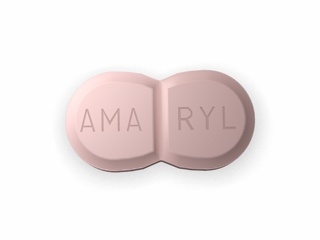
Amaryl contains glimepiride, a medicine used to improve blood sugar control in adults with type 2 diabetes. This page explains how it works, how to take it safely, what to expect, and what to discuss with your healthcare team.
Information below is designed to be patient-friendly. It is not a substitute for medical advice. If you have any concerns, contact your pharmacist or clinician.
1) Basic Product Information
| Item | Details |
|---|---|
| Medicine | Amaryl |
| Active ingredient | Glimepiride |
| Drug class | Sulfonylurea (a secretagogue that helps the pancreas release insulin) |
| Typical formulation | Tablets |
| Use | Type 2 diabetes in adults (as part of diabetes care plans) |
2) What Is Glimepiride and How Does It Work?
Glimepiride helps reduce blood glucose by acting on the pancreas. It belongs to a group of medicines called secretagogues, specifically sulfonylureas.
- Stimulates insulin release: Glimepiride increases insulin secretion from beta cells in the pancreas.
- Helps improve insulin effect: It also supports better utilisation of insulin in the body.
- Reduces blood sugar: Over time, this lowers fasting and post-meal glucose levels.
Important note: Glimepiride works best when your pancreas can still produce some insulin. It is not insulin itself.
3) Pharmacokinetics (How the Body Handles Amaryl)
Pharmacokinetics describes how the body absorbs, distributes, metabolises, and excretes glimepiride. Exact values can vary between individuals.
- Absorption: Glimepiride is absorbed from the gut after a tablet is taken.
- Metabolism: It is broken down mainly in the liver.
- Excretion: Metabolites are eliminated primarily via the urine (and to some extent via other routes).
- Duration of effect: Glimepiride typically works over much of the day, so it is commonly taken once daily.
Your prescriber may adjust the dose based on your HbA1c, self-monitoring results, and risk of side effects (especially low blood sugar).
4) Typical Use in Type 2 Diabetes
Amaryl is used for adults with type 2 diabetes when blood glucose is not adequately controlled by:
- Diet and exercise alone, and/or
- Other diabetes medicines (for example, metformin or insulin, depending on individual circumstances).
Treatment decisions in the UK are usually guided by national and local diabetes pathways, focusing on effective glucose control while minimising side effects such as hypoglycaemia (low blood sugar) and weight gain.
5) When and How to Take Amaryl (Timing & Instructions)
Typical dosing schedule
Amaryl is usually taken once daily, at or around the same time each day. Many people are advised to take it with the first main meal of the day.
Timing with food
- Take with a meal: To reduce the risk of low blood sugar, take your dose with food, commonly with breakfast or the first meal.
- Do not skip meals: If you miss a meal, your risk of hypoglycaemia may increase.
- Follow your personal plan: Your clinician may advise a specific routine that suits your lifestyle and glucose pattern.
How to swallow the tablet
Swallow with water. Do not crush or chew unless your clinician or pharmacist has advised this is acceptable for your tablet strength.
6) Food Interactions and Dietary Considerations
Food does not permanently “cancel out” the medicine, but meal timing can strongly affect the risk of low blood sugar.
- Consistent eating patterns: Aim for regular meals and snacks if advised, especially early in treatment or after dose changes.
- Carbohydrates: If you have diabetes, a balanced approach to carbohydrates is important. Your dietitian can help you plan meals.
- Exercise: Exercise can lower glucose. Plan your meals or discuss adjustments with your healthcare team.
If you experience symptoms of hypoglycaemia, your healthcare team may advise how to respond and whether your dose needs review.
7) Alcohol and Medication Interactions
Alcohol can affect blood glucose and may increase the risk of hypoglycaemia, particularly if alcohol is taken without food. It can also interact with your overall diabetes management.
- Take extra care: Avoid binge drinking. If you drink alcohol, do so with food.
- Monitor: Check your blood glucose if you are at risk of lows or you feel unwell.
- Other medicines: Tell your pharmacist about all medicines you take, including cold/flu products and herbal remedies.
If you want personalised guidance on safe alcohol intake, ask your clinician or pharmacist.
8) When Is Amaryl Used? (Indications)
Amaryl is indicated for the treatment of type 2 diabetes mellitus in adults to improve glycaemic control. It is typically used when lifestyle changes alone are not enough.
In practice, it may be used:
- As monotherapy (medicine alone) in selected individuals.
- In combination with other diabetes medicines when a single therapy does not provide adequate control.
9) Dosing (How Much to Take)
The correct dose varies between people. Your healthcare team will start you on a low dose and adjust gradually based on blood sugar readings and side effects.
Starting dose and adjustment (general pattern)
- Start low: Many patients begin with a lower dose to reduce hypoglycaemia risk.
- Titrate upward: Dose increases are commonly made in steps, often based on HbA1c and self-monitoring results.
- Once daily: Usual dosing is once daily; your doctor may advise dose timing changes.
Special considerations
- Older adults: Hypoglycaemia risk can be higher. Dose adjustments may be more cautious.
- Kidney or liver impairment: Your clinician may monitor more closely or choose an alternative approach.
- Changing medicines: Interactions can occur; review all medicines whenever changes are made.
What to do if you miss a dose
- If you miss a dose, take it only if it is close to your planned time and you are confident you can eat normally.
- Otherwise, skip the missed dose and take the next dose at the usual time.
- Do not take a double dose to make up for a missed one.
For personal advice, refer to your medicine label or ask your pharmacist.
10) Safety Profile and Side Effects
Most important risk: hypoglycaemia (low blood sugar)
Because glimepiride stimulates insulin release, it can cause hypoglycaemia, particularly if:
- you take it but miss meals or eat less than usual,
- you drink alcohol,
- you have had increased physical activity,
- your dose is too high, or
- you take other glucose-lowering medicines.
Common signs of low blood sugar
- Shaking, sweating, feeling anxious
- Hunger, nausea
- Dizziness or headache
- Fast heartbeat, weakness
- Confusion, drowsiness, or difficulty concentrating (more severe)
What to do if you have symptoms
- Take fast-acting carbohydrate (for example, glucose tablets or a sugary drink) if advised or if you can safely do so.
- Then have a snack or meal if it is not yet time to eat.
- If symptoms are severe, persistent, or you lose consciousness, seek urgent help.
Other possible side effects
Some people may experience:
- Weight gain (can occur with sulfonylureas)
- Headache
- Nausea or mild stomach upset
- Changes in blood test results (less common; your clinician may monitor as needed)
Seek urgent medical advice if
- You develop signs of a severe allergic reaction (e.g., swelling of face/lips, breathing difficulty)
- You have persistent low blood sugar that does not respond to fast carbohydrate
- You feel very unwell with possible infection or dehydration—these can affect glucose control
If any side effects occur, discuss them promptly. Do not stop the medicine without medical guidance.
11) Practical Use Tips (Getting the Best Results Safely)
- Stick to a routine: Take your tablet at the same time each day, with your first main meal.
- Use glucose monitoring if advised: Regular testing helps guide dose adjustments and improves safety.
- Be prepared for lows: Keep fast-acting sugar available (e.g., glucose tablets).
- Know your risk factors: Skipped meals, alcohol, and increased activity raise hypoglycaemia risk.
- Review interactions: Tell your pharmacist about all medicines and supplements you take.
- Report changes in health: Fever, vomiting, poor appetite, kidney problems, and missed meals can all affect glucose levels.
12) Medicine Interactions (Including Common Examples)
Glimepiride can interact with other medicines that affect blood glucose or liver metabolism. Your pharmacist can check your specific combination.
Examples of medicines that may increase or decrease glimepiride effects
Interaction potential depends on the specific drug and your health status. Some medicines can increase the risk of hypoglycaemia, while others may make it harder to control glucose.
- Other diabetes medicines (in combination may increase hypoglycaemia risk)
- Certain antibiotics (some can affect glucose control)
- Some antifungals
- Some painkillers and anti-inflammatories (individual effects vary)
- Medicines affecting the liver or metabolism pathways
- Beta-blockers (may mask some low sugar warning signs such as fast heartbeat)
Always review interactions when starting or stopping a medicine. If you are unsure, ask your pharmacist.
13) Alternative Options (If Amaryl Isn’t Suitable)
Diabetes treatment is personalised. Alternatives may include:
- Metformin (often first choice in type 2 diabetes, depending on circumstances)
- DPP-4 inhibitors (e.g., sitagliptin, vildagliptin)
- SGLT2 inhibitors (e.g., dapagliflozin, empagliflozin)
- GLP-1 receptor agonists (injectable options in many cases)
- Insulin (for some people or when glucose control is poor)
- Other sulfonylureas (different agents in the same class may be considered)
Your clinician will consider your HbA1c, weight goals, kidney function, cardiovascular risk, risk of hypoglycaemia, and preferences when deciding on alternatives.
14) Market and Legal Context in the United Kingdom
In the UK, diabetes medicines are regulated and must meet standards for safety, quality, and effectiveness. Amaryl (glimepiride) is an established medicine in the treatment landscape for type 2 diabetes.
- Regulatory oversight: Medicines in the UK are authorised through the appropriate regulatory framework and are supported by healthcare professionals.
- Prescribing decisions: Clinicians select treatments based on evidence and patient-specific factors.
- Pharmacy advice: Pharmacists help ensure safe use, correct dosing, and interaction checks.
- Availability: Brand availability and pack sizes can change; your pharmacy can advise on current options.
If you need information on whether this particular brand/strength is available in your area, contact your local pharmacy or check current stock status.
15) Recent Guidance and Treatment Trends (UK Context)
UK diabetes care commonly follows guidance from national organisations and clinical pathways. Treatment approaches may evolve based on new evidence. In recent years, increased attention has been placed on:
- Minimising hypoglycaemia risk
- Supporting weight management
- Cardiovascular and kidney outcomes for selected medicines (depending on individual patient profiles)
- Using medicines that match individual needs rather than “one size fits all”
Glimepiride remains an option for some patients, particularly where it has been effective and tolerated, or where other options are not suitable. Your clinician can help review whether it remains the best fit for your situation.
16) Delivery, Availability, and What to Expect
Availability can vary by strength and pack size. When ordering online in the UK, you typically receive:
- Product and strength confirmation before dispatch
- Care instructions and manufacturer information inside the pack
- Tracked delivery options (dependent on the pharmacy’s service)
For the most up-to-date delivery times and stock status, check the product page. If you are travelling or changing routines, plan ahead to avoid running out.
17) Amaryl FAQ
Is Amaryl the same as insulin?
No. Amaryl (glimepiride) is an oral medicine that increases insulin release from the pancreas. Insulin is a different treatment given by injection (or other approved forms).
How quickly does it start working?
Many people notice improved glucose control within days, but full assessment is usually based on ongoing readings and HbA1c over weeks. Your clinician will adjust the dose gradually if needed.
Can I stop Amaryl if my sugars look better?
Do not stop or change your dose without professional advice. Even if glucose improves, type 2 diabetes often remains a long-term condition. Stopping suddenly can lead to high blood sugar again.
What should I do if I feel symptoms of low blood sugar?
Treat promptly with fast-acting carbohydrate if you can. Then contact your healthcare team if episodes continue or are severe. Consider reviewing meal timing and any other glucose-lowering medicines with your clinician.
Can I take Amaryl with other diabetes medicines?
Yes, combination therapy may be used. However, the risk of hypoglycaemia may increase, so dosing and monitoring must be carefully planned.
Do I need to take it every day?
Typically, glimepiride is taken once daily as part of routine diabetes management. Missing doses can reduce effectiveness. If you are unwell or cannot eat, seek advice on whether and how to take your medicine.
What if I forget a dose?
In general, do not take a double dose. If you are unsure, check the advice on your medicine label or ask your pharmacist.
Can I drink alcohol while taking Amaryl?
Alcohol may increase the risk of low blood sugar, especially if taken without food. If you choose to drink, do so cautiously and with food, and monitor your glucose if advised.
Are there warning signs I should watch for besides low sugar?
Contact urgent medical help if you develop signs of severe allergy, persistent severe hypoglycaemia, or if you feel significantly unwell. Your clinician can also advise about any red-flag symptoms relevant to you.
Summary
Amaryl (glimepiride) is an oral sulfonylurea medicine used to control blood glucose in type 2 diabetes. It works by stimulating insulin release from the pancreas. The most important safety concern is hypoglycaemia, especially when meals are missed or alcohol is taken. Taking the tablet with your first main meal, monitoring your glucose if advised, and discussing interactions with a pharmacist can help you use Amaryl safely and effectively.