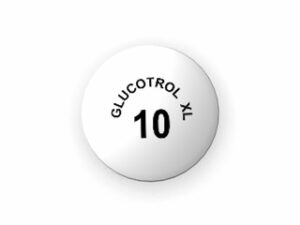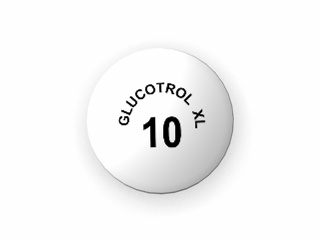

Glucotrol (Glipizide) – Patient Information (UK)
Glucotrol contains the active ingredient glipizide, a medicine used to treat type 2 diabetes mellitus in adults. This page explains how it works, how to take it safely, and what to expect. It is written for patients in the United Kingdom.
Note: Individual treatment plans vary. Always follow the advice given by your healthcare professional and the instructions on the medicine label.
Basic product information
| Item | Details |
|---|---|
| Medicine name | Glucotrol (glipizide) |
| Active ingredient | Glipizide |
| Medicinal type | Oral antidiabetic (sulfonylurea) |
| Used for | Type 2 diabetes (in combination or alone, depending on your plan) |
| Common outcomes | Lower blood glucose and improve HbA1c |
| Main risk | Low blood sugar (hypoglycaemia) |
How Glucotrol works (mechanism of action)
Glipizide belongs to the class of medicines called sulfonylureas. It works mainly by:
- Stimulating the pancreas to release insulin, but predominantly when blood glucose is elevated.
- Increasing insulin availability to help move glucose from the blood into tissues.
Because glipizide increases insulin release, it can sometimes cause blood sugar to fall too low—particularly if doses are too high, meals are skipped, or it is used with other glucose-lowering medicines.
Pharmacokinetics (how the body processes it)
“Pharmacokinetics” describes what the body does to the medicine (absorption, distribution, metabolism and elimination). While individual results vary, the key general features for glipizide include:
- Absorption: Glipizide is absorbed from the gastrointestinal tract after oral use.
- Distribution: It circulates in the bloodstream and binds to plasma proteins.
- Metabolism: It is metabolised mainly in the liver.
- Elimination: Metabolites are excreted primarily via the kidneys and/or through bile. The exact balance varies by patient.
- Duration: The medicine’s glucose-lowering effect lasts long enough for once- or twice-daily dosing depending on the formulation and your dose.
Practical meaning for patients: People with liver or kidney problems may need closer monitoring and dose adjustments, because side effects such as hypoglycaemia can be more likely.
Typical use in the UK
In the United Kingdom, glipizide may be used as part of diabetes care for people with type 2 diabetes when blood glucose targets are not achieved through:
- Diet and lifestyle measures, and/or
- Other diabetes medicines, depending on your overall health and previous treatment.
Glipizide is an older class of diabetes medicine compared with some newer options. In many cases, it is chosen for its effectiveness, cost considerations, and where suitable for the individual patient profile.
Indications (when it is used)
Glucotrol (glipizide) is indicated for the treatment of:
- Type 2 diabetes in adults to improve glycaemic control, particularly when insulin secretion is still present.
It may be used:
- As monotherapy in some situations, or
- In combination with other glucose-lowering medicines as advised by your clinician.
When to take it (timing and missed doses)
Timing depends on your dose schedule. Many people take glipizide with meals to reduce the risk of low blood sugar.
- Typical timing: Take your dose with food (or immediately before/with the first meal of the day, as instructed).
- For once-daily regimens: Often taken in the morning with breakfast or with the day’s first substantial meal.
- For twice-daily regimens: Often split with morning and evening meals.
If you miss a dose:
- Take it when you remember if it is close to the time of your next meal.
- If you are approaching the next scheduled dose, skip
- Do not double the dose to make up for a missed tablet.
Key safety point: Never take an extra tablet to “catch up” if you have skipped food or have reduced appetite, because this increases the risk of hypoglycaemia.
Dosing (general guidance)
Dosage is individualised based on blood glucose readings, diet, age, kidney/liver function, and how your body responds.
General starting approach:
- Clinicians often start with a lower dose to minimise risk of hypoglycaemia.
- The dose is then adjusted gradually based on glucose control.
Maximum dose: There may be an upper limit depending on the product and your personal circumstances. Your prescriber/pharmacist will guide you on the appropriate maximum for you.
What to do if readings are low:
- If you experience symptoms of low blood sugar or record low glucose levels, your clinician may reduce your dose or review your treatment plan.
Important: For safe use, always follow your own labelled dose instructions exactly. Do not change the dose without clinical guidance.
Food interactions (what to eat and what to avoid)
Glipizide is most effective and safest when taken with meals. Food interactions largely relate to the effect of timing and carbohydrate intake.
- Take with food: Taking glipizide with meals reduces the chance of hypoglycaemia.
- Do not skip meals: Skipping meals or eating much less than usual can lower blood glucose and increase hypoglycaemia risk.
- Be consistent with carbohydrate: Sudden changes in carbohydrate intake (for example, after illness or during dieting) may require closer glucose monitoring.
- During illness: If you are unwell, you may eat less or have altered glucose patterns. Check blood glucose more frequently and seek advice promptly if readings are unstable.
If you regularly experience low sugars, discuss meal timing and composition with your healthcare team. Sometimes changes to diet and dosing can improve safety.
Alcohol and medicine interactions
Alcohol can affect blood glucose in several ways and can increase the risk of hypoglycaemia, especially if you drink:
- On an empty stomach
- After taking your glipizide dose
- In larger amounts or over several hours
Practical advice:
- Consider avoiding alcohol when your diabetes is unstable or when you have had recent hypoglycaemia.
- If you do drink, do so with food and monitor your blood glucose.
- Be cautious because the symptoms of hypoglycaemia (dizziness, sweating, confusion) can overlap with alcohol intoxication.
Other interactions (medicines): Several drugs can increase or decrease the glucose-lowering effect of glipizide, or increase the risk of side effects. Always tell your healthcare team about all medicines you take, including over-the-counter products and herbal remedies.
In particular, medicines that can affect blood glucose include those that may:
- Increase hypoglycaemia risk (examples include some antibiotics, salicylates, and other glucose-lowering medicines)
- Reduce the glucose-lowering effect (examples include certain diuretics, corticosteroids, and some hormone therapies)
This is not an exhaustive list. Your pharmacist can check for interactions with your specific medicine list.
Safety profile (side effects and warnings)
Like all medicines, glipizide can cause side effects. The most important risk is hypoglycaemia.
Serious risks to know
- Hypoglycaemia (low blood sugar): This is the key safety concern with sulfonylureas.
Symptoms of hypoglycaemia may include:
- Shaking or tremor
- Sweating
- Feeling hungry
- Headache
- Palpitations
- Dizziness or confusion
- Drowsiness or weakness
What to do if you suspect low blood sugar:
- Check your blood glucose if possible.
- Take fast-acting sugar (for example glucose tablets or a sugary drink) if advised by your diabetes care plan.
- Follow with a snack or meal if it is not time to eat again soon.
- If symptoms are severe, prolonged, or you cannot safely treat it yourself, seek urgent medical help.
Other possible side effects
- Weight gain: Some people gain weight with sulfonylureas.
- Gastrointestinal symptoms: Nausea or stomach upset may occur.
- Skin reactions: Rash or itching can rarely occur.
- Changes in blood tests: Rarely, abnormalities in blood cell counts or liver enzymes may be seen.
If you develop a rash, severe illness, yellowing of the skin/eyes, or signs of severe allergy, seek medical attention promptly.
Who needs extra caution?
Glipizide may be unsuitable or require careful adjustment in certain situations, such as:
- Older adults who may be more sensitive to hypoglycaemia
- People with kidney or liver impairment
- People with irregular meal patterns or those at higher risk of missed meals
- People taking medicines that interact with glucose control
Practical use tips for day-to-day life
- Plan meals: Try to eat regular meals, especially when you are taking glipizide.
- Monitor blood glucose: Use your home testing plan as instructed and keep a record to spot patterns.
- Recognise early signs: Learn the warning signs of hypoglycaemia so you can act quickly.
- Keep fast sugar available: Glucose tablets or sweets can help you treat low sugar promptly.
- Wear ID: Diabetes identification can be important in emergencies.
- Be careful when exercising: Physical activity may lower blood glucose. You may need to check levels and adjust food intake accordingly (only with clinical guidance).
- Changes in routine matter: Travel, shift work, Ramadan fasting, or illness can affect meal timing and sugar levels.
Alternative options (other medicines for type 2 diabetes)
Several other medicines can treat type 2 diabetes. The “best” option depends on your diabetes severity, kidney function, weight goals, cardiovascular risk, and risk of hypoglycaemia.
Common alternatives
- Metformin (often first-line in many guidelines)
- Other sulfonylureas (such as gliclazide or glimepiride), depending on suitability
- DPP-4 inhibitors (e.g., sitagliptin, saxagliptin): generally lower hypoglycaemia risk
- SGLT2 inhibitors (e.g., empagliflozin, dapagliflozin): may offer additional benefits for some patients
- GLP-1 receptor agonists (injectable): may support weight management and cardiovascular outcomes for some people
- Insulin for some patients, especially when glucose levels are very high
- Thiazolidinediones (e.g., pioglitazone) in select cases
If you are considering switching medicines, do not stop glipizide abruptly. Ask your healthcare professional about a safe transition plan.
Market and legal context for the UK
In the UK, diabetes medicines are regulated and monitored through the national medicines framework. Glipizide-containing products are available through established supply channels and are subject to quality standards, pharmacovigilance reporting, and prescribing/dispensing requirements as applicable.
Healthcare decisions in the UK are commonly informed by clinical guidance such as:
- NICE recommendations for diabetes management
- Joint British Diabetes Societies (JBDS) guidance for safe prescribing and inpatient care
- Local formularies and commissioning decisions
Because guidelines may evolve, it’s always wise to review current advice with your healthcare team, particularly if your treatment is being changed.
Recent guidance (high-level summary)
UK diabetes care guidelines generally focus on:
- Individualising treatment based on person-centred targets
- Minimising hypoglycaemia risk
- Using medicines with proven benefits in relevant patient groups (for example, cardiovascular and kidney outcomes)
- Regular review of HbA1c, hypoglycaemia frequency, weight, adherence, and comorbidities
While sulfonylureas (including glipizide) remain options in some circumstances, newer therapies may be preferred for some patients due to lower hypoglycaemia risk and additional benefits in selected populations.
Delivery and availability (UK)
Availability can vary by strength and formulation. Many online pharmacies in the UK aim to dispatch orders promptly, with delivery times depending on stock location and courier services.
Common expectations when ordering online:
- Stock status: Some products may be “in stock” or may require ordering from suppliers.
- Dispatch timing: Orders are typically dispatched on working days.
- Delivery times: Often range from next-day delivery to a few working days, depending on the service selected.
If you need the medicine urgently, check the online pharmacy’s delivery information and contact customer support for reassurance about stock and dispatch.
FAQ
1) What is Glucotrol (glipizide) used for?
Glucotrol (glipizide) is used to treat type 2 diabetes by improving blood glucose control. It helps the body release insulin to reduce high blood sugar.
2) How soon will it start working?
Glipizide begins to lower blood glucose after you take it, particularly around mealtimes. For long-term control, changes are typically assessed over days to weeks using blood glucose readings and HbA1c testing.
3) Can I take it if I skip a meal?
It is generally not recommended to take glipizide without eating, because skipping meals increases the risk of hypoglycaemia. If your meal pattern changes, speak to your clinician or pharmacist.
4) What should I do if I experience symptoms of low blood sugar?
Treat it promptly with fast-acting sugar (as advised in your diabetes plan), re-check levels if possible, and follow with a snack or meal if needed. If severe symptoms occur or you cannot treat it yourself, seek urgent medical help.
5) Does alcohol affect glipizide?
Alcohol can increase hypoglycaemia risk. If you drink alcohol, do so cautiously—preferably with food—and monitor your blood glucose. Avoid binge drinking, especially if you have had recent low sugar episodes.
6) Can glipizide be taken with other diabetes medicines?
Yes, it may be combined with other glucose-lowering medicines, but combinations can affect hypoglycaemia risk. Your healthcare team will choose doses carefully and may adjust monitoring requirements.
7) Are there any medicines that interact with glipizide?
Yes. Some medicines can increase or decrease the glucose-lowering effect of glipizide, or change how your body handles it. Always provide a full list of your medicines (including over-the-counter products) to your pharmacist for interaction checks.
8) What if I have kidney or liver problems?
People with kidney or liver impairment may be at higher risk of side effects, including hypoglycaemia. Dose adjustments and more frequent monitoring may be needed—ask your clinician or pharmacist for guidance specific to your situation.
9) Is weight gain possible?
Weight gain can occur with sulfonylureas. Maintaining a balanced diet and regular activity can help. If weight changes concern you, discuss it with your diabetes team.
10) What are some alternative treatments if glipizide isn’t suitable?
Alternatives include metformin, DPP-4 inhibitors, SGLT2 inhibitors, GLP-1 receptor agonists, other sulfonylureas (in some cases), or insulin—depending on your individual circumstances and UK guidance.
Important reminder: This information is for general guidance. For personalised advice about your dose, timing, interactions, and monitoring plan, consult your healthcare professional.