Acarbose
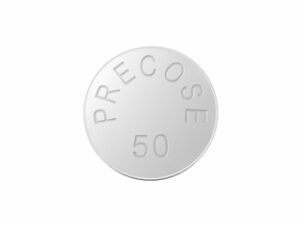
Acarbose is a medicine used to help manage blood sugar in people with diabetes. It works mainly by slowing down the digestion of carbohydrate foods in the gut, which can reduce the rise in blood glucose after meals. This page explains how acarbose works, how and when to take it, important food and medicine interactions, and practical tips for safe use in the United Kingdom.
Basic product information
| Item | Details |
|---|---|
| Active ingredient | Acarbose |
| Medicine class | Alpha-glucosidase inhibitor |
| How it’s taken | Tablets by mouth |
| Common use | Type 2 diabetes (often with diet and exercise); sometimes as part of combination therapy |
| Typical effect | Less post-meal (postprandial) blood sugar rise |
| Key side effects | Gas, bloating, diarrhoea, stomach discomfort |
How acarbose works (mechanism of action)
After you eat, your body breaks down complex carbohydrates and sugars into smaller molecules that can be absorbed into the bloodstream. Some enzymes in the small intestine—especially alpha-glucosidase— help digest carbohydrates at the brush border of the gut.
Acarbose blocks these intestinal enzymes. As a result, carbohydrate digestion is slowed, meaning:
- Less glucose is absorbed quickly after meals
- Post-meal blood sugar spikes are reduced
- Glucose from carbohydrates may be absorbed more gradually over time
Importantly, acarbose does not directly increase insulin production. Therefore, it is primarily useful for controlling the blood sugar rise that happens after eating.
Pharmacokinetics: how the body handles acarbose
Pharmacokinetics describes how the body absorbs, distributes, metabolises, and eliminates a medicine. Acarbose has characteristics that are important for both effectiveness and safety.
- Absorption: Only a small amount of acarbose is absorbed from the gut into the bloodstream. Most of its activity occurs in the intestine.
- Metabolism: Acarbose can be metabolised in the gut to inactive and active metabolites. The overall glucose-lowering effect comes mainly from its action in the intestinal tract.
- Elimination: The metabolites and unabsorbed drug are eliminated primarily through the digestive system. A smaller portion is excreted through the kidneys.
- Timing relative to meals: Because its effect depends on carbohydrate digestion, taking it at the correct time with food is essential.
Typical use in the UK
In the United Kingdom, acarbose is used as part of management for people with type 2 diabetes. It may be used:
- As monotherapy in some situations, particularly when post-meal glucose control is a priority
- In combination with other glucose-lowering medicines (for example, metformin or insulin) depending on individual needs and local clinical guidance
It is also used alongside dietary changes and regular physical activity, which remain central to diabetes care.
Indications: when acarbose is used
Acarbose is indicated for the treatment of type 2 diabetes to improve blood glucose control, especially the rise after meals.
How to take acarbose: dosing and timing
Dose may vary depending on your blood glucose results, tolerance, and other medicines. Always follow the dosing plan provided by your healthcare team and the instructions on the medicine label.
Typical adult dosing approach
Many regimens start low to reduce gastrointestinal side effects, then increase gradually if needed. A common stepped approach is:
- Start: A low dose taken with the first bite of your main meal (often once or twice daily)
- Increase gradually: If tolerated, your dose may be increased every 1–2 weeks (or as advised)
- Maintenance: Reached over time based on blood sugar goals and side effects
Timing with food (very important)
Acarbose works in the gut and is intended to be active where carbohydrate digestion occurs. For this reason, it should be taken:
- With the first mouthful of food (or immediately before the first bite if instructed that way)
- For meals containing carbohydrates
- Skipped for carbohydrate-free snacks, if a snack contains little or no carbohydrate (ask your clinician/pharmacist for advice if unsure)
Taking acarbose after you have already eaten may reduce effectiveness for post-meal glucose.
Missed dose
If you miss a dose, take it with your next main meal unless your healthcare professional advises otherwise. Do not double the dose to catch up.
Duration
Diabetes medicines are usually taken long-term. Continue taking acarbose consistently unless your healthcare team tells you to stop.
Food interactions and diet guidance
Acarbose’s main interaction is with the carbohydrates in your diet. The medicine is designed to reduce the blood sugar rise from starchy foods and sugars, but it can also increase fermentation of undigested carbohydrates in the gut, which may lead to gas and diarrhoea.
Carbohydrate content matters
- When meals are high in refined carbohydrates (for example, sweets, sugary drinks, white bread), you may notice more gastrointestinal side effects.
- Gradually improving meal quality (such as choosing wholegrains, vegetables, lean protein, and watching portion sizes) may improve both tolerance and blood sugar control.
What to do if you have diarrhoea or gas
Mild symptoms can occur, especially early in treatment. If symptoms are bothersome:
- Discuss dose adjustment with a healthcare professional
- Consider reducing portion sizes of carbohydrate-heavy meals
- Avoid very large or very sugary meals until your gut adapts
- Stay hydrated, particularly if diarrhoea occurs
Important: low blood sugar treatment
Acarbose slows carbohydrate digestion, so it may not work quickly for treating a hypoglycaemia if you use insulin or a sulfonylurea alongside it. If you have symptoms of low blood sugar, use fast-acting sugar that does not require intestinal digestion, such as:
- Glucose (dextrose) tablets or glucose gel
- Glucose-containing drinks (not just sucrose “table sugar”)
Sucrose (table sugar) may be broken down more slowly in the presence of acarbose. If you’re at risk of hypos, ask your healthcare team for a personalised “hypo treatment” plan.
Alcohol and medicine interactions
Alcohol can affect blood glucose and may worsen digestive symptoms. While there is not always a direct “contraindication” specific to acarbose, it’s sensible to consider the following:
- Hypoglycaemia risk: Alcohol can sometimes lower blood sugar, particularly when food intake is reduced. If you take other diabetes medicines, the risk may be higher.
- Gastrointestinal effects: Alcohol may increase stomach upset, nausea, or diarrhoea—symptoms that can overlap with acarbose side effects.
- Watch sugary mixers: Drinks mixed with sugar can raise blood glucose.
If you drink alcohol, do so in moderation and with food. Seek advice if you have liver problems or a history of hypos.
Other medicine interactions
Acarbose may interact with other medicines, affecting blood sugar control or causing additional gastrointestinal problems. Always tell your pharmacist or prescriber about all medicines and supplements you use.
Medicines that may affect blood glucose
- Insulin and sulfonylureas (e.g., gliclazide) can increase hypoglycaemia risk when used with diabetes therapies. Because acarbose doesn’t treat hypos as quickly as glucose, have a proper hypo plan.
- Other diabetes medicines may require adjustment if blood glucose is not stable.
Medicines that affect digestion and gut activity
Because acarbose acts in the intestine, medicines that alter bowel function or digestion may change tolerability. If you have chronic bowel disease, ask specifically about suitability.
Herbal and over-the-counter products
Some supplements marketed for “metabolism” or “detox” can affect blood sugar or liver function. If you use herbal preparations, check with a pharmacist.
Safety profile: side effects and when to seek help
Common side effects
The most common side effects of acarbose are gastrointestinal, largely related to undigested carbohydrates in the gut:
- Flatulence (gas)
- Bloating
- Diarrhoea
- Abdominal discomfort or stomach cramps
- Nausea in some people
These effects are often worst when starting treatment or increasing the dose and tend to improve as your body adapts.
Serious but less common risks
Seek medical advice promptly if you experience:
- Severe or persistent diarrhoea, especially with dehydration
- Severe abdominal pain or signs of bowel obstruction
- Signs of liver problems (for example, yellowing of skin/eyes, dark urine, unusual tiredness)
- Allergic reaction (swelling of face/lips, difficulty breathing, widespread rash)
Who should take extra care?
- People with inflammatory bowel disease or significant gastrointestinal disorders may be less suitable. Discuss your medical history with a clinician.
- If you have kidney impairment, your clinician may adjust therapy or monitor more closely.
- If you are prone to hypoglycaemia, particularly when using insulin or sulfonylureas, ensure you understand rapid hypo treatment.
Practical tips for successful use
1) Take it consistently with meals
- Use a routine: take your tablet when the first bite of the meal is taken.
- If you skip a meal, you may also need to skip that dose—follow professional instructions.
2) Start low and increase carefully
If your dose is being built up, do not accelerate changes. The gradual approach is designed to improve tolerability.
3) Choose smarter carbs and watch portions
You do not necessarily need to remove all carbohydrates, but large amounts of refined carbohydrate can increase GI side effects. Consider spreading carbs across meals and focusing on higher-fibre foods.
4) Manage hydration
If diarrhoea occurs, ensure you drink fluids and monitor how severe it is. Persistent symptoms should be discussed with a clinician.
5) Keep a hypo plan
- Carry glucose tablets/gel if you are at risk.
- Use glucose for rapid treatment of hypos, rather than relying on table sugar.
- Check your blood glucose as advised.
Alternative options for type 2 diabetes
There are several other classes of medicines for type 2 diabetes. The “best” choice depends on your overall health, kidney/liver function, risk of hypos, weight goals, and how your blood sugar behaves.
Common alternatives
- Metformin (often first-line in many patients): helps reduce glucose production by the liver.
- Sulfonylureas (e.g., gliclazide): increase insulin release, but may raise hypoglycaemia risk.
- GLP-1 receptor agonists: improve insulin secretion and appetite regulation; often with weight benefits.
- DPP-4 inhibitors (e.g., sitagliptin): help increase insulin release and decrease glucagon in a glucose-dependent manner.
- SGLT2 inhibitors: increase glucose loss through urine; may have cardiovascular/renal benefits in suitable patients.
- Insulin: used when glucose targets are not met or when needed for safety/clinical reasons.
If you’re considering alternatives due to side effects or insufficient control, discuss options with a clinician.
UK market and legal context (overview)
In the United Kingdom, medicines are regulated by the Medicines and Healthcare products Regulatory Agency (MHRA). Diabetes treatments like acarbose are used within established prescribing and supply pathways and may be subject to pharmacy screening and patient identification requirements.
Diabetes care in the UK is commonly guided by organisations such as National Institute for Health and Care Excellence (NICE) and supported by NHS frameworks. Medicine availability can vary by brand, strengths, and supply schedules.
This product page is intended to provide patient-friendly information about acarbose and how it is generally used. It does not replace personalised medical advice.
Recent guidance: what to expect in current practice
Current UK diabetes care typically emphasises:
- Personalised treatment plans based on individual blood glucose patterns, co-morbidities, and risk factors
- Structured monitoring (e.g., HbA1c testing) and review of therapy effectiveness and side effects
- Lifestyle measures (diet, activity, weight management where relevant) as core elements
- Safety planning for hypos, especially when using insulin or insulin-secretagogues
Acarbose is generally considered in the context of these wider goals—particularly when targeting meal-related glucose rise and when tolerated.
Delivery and availability in the UK
Availability of acarbose can depend on stock from manufacturers and wholesalers, as well as the specific brand and strength. On an online pharmacy, you’ll typically be able to:
- Check current stock status before ordering
- Review delivery options and estimated dispatch times
- Choose standard or expedited delivery where available
Please note: delays can occur due to supplier shortages, public holidays, or unexpected logistics issues. If you need treatment urgently, contact the pharmacy for advice.
FAQ about acarbose
1) What is acarbose used for?
Acarbose is used to help manage type 2 diabetes, reducing the rise in blood sugar after meals. It is used alongside diet and exercise, and sometimes alongside other diabetes medicines.
2) When should I take my acarbose tablets?
Take them with the first mouthful of food (or as instructed by your healthcare professional). This is crucial for reducing post-meal blood glucose.
3) Can I drink alcohol while taking acarbose?
Alcohol may worsen digestive side effects and can affect blood sugar. If you drink, do so in moderation and with food. If you use insulin or sulfonylureas, be extra careful about hypo risk.
4) Why do I get gas and diarrhoea?
Acarbose slows digestion of carbohydrates, so some carbohydrate reaches the colon undigested. This can increase fermentation, leading to gas and diarrhoea, especially when starting or increasing the dose.
5) What should I use to treat low blood sugar?
If you have low blood sugar, use glucose (dextrose) tablets or gel. Don’t rely on table sugar (sucrose) alone, as acarbose may slow how quickly sucrose is digested.
6) Is acarbose suitable for everyone?
People with certain gastrointestinal conditions or other specific medical issues may need different treatment. Talk to a healthcare professional if you have inflammatory bowel disease, significant gut symptoms, or liver/kidney problems.
7) Does acarbose cause weight change?
Because acarbose mainly affects carbohydrate digestion rather than insulin release, it is not typically associated with major weight gain. Individual outcomes vary depending on diet, total calories, and other diabetes medicines.
8) What if I miss a dose?
Take your next dose with your next meal. Do not double up to make up for a missed dose.
9) Are there alternatives if I can’t tolerate it?
Yes. If side effects are problematic or glucose goals are not met, your clinician may consider other diabetes medicines or combinations. Options include metformin, DPP-4 inhibitors, GLP-1 receptor agonists, SGLT2 inhibitors, or insulin—depending on your needs.
10) How long does it take to see results?
Many people notice changes in post-meal glucose soon after starting, but overall diabetes control is typically assessed over weeks to months using measures like HbA1c.
Summary
Acarbose helps control type 2 diabetes by blocking carbohydrate-digesting enzymes in the intestine, which reduces post-meal blood glucose spikes. To work effectively, it must be taken with the first bite of meals. The most common side effects are gastrointestinal—gas, bloating, and diarrhoea—often improving with time and gradual dose increases. For low blood sugar, use glucose products for fast relief, especially if you take insulin or sulfonylureas.
If you have questions about dosing, meal planning, or interactions with your current medicines, speak to a qualified healthcare professional or pharmacist.