Micronase (Glyburide) — Patient Information (UK)
Micronase is a brand name for glyburide, a medicine used to help control blood sugar levels in people with type 2 diabetes mellitus. This page explains how Micronase works, how it is usually taken, key safety information, interactions (including with alcohol and other medicines), and practical tips to help you use your treatment more confidently.
If you have questions about whether Micronase is right for you, or if you notice symptoms such as dizziness, sweating, or confusion, which can be signs of low blood sugar, seek medical advice promptly.
1. Basic product information
| Item | Details |
|---|---|
| Brand name | Micronase |
| Generic name | Glyburide (also known as glibenclamide in some markets; formulations and naming can vary) |
| Medicine type | Oral antidiabetic medicine (sulfonylurea) |
| Common purpose | Improves blood glucose control in type 2 diabetes |
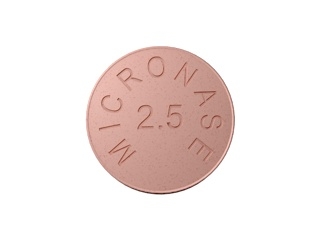
| Typical form | Tablets (strengths and exact product formats may vary by manufacturer) |
Important: Product availability and the specific strength/brand presentation can vary. Always check the pack and label instructions you receive.
2. How Micronase works (mechanism of action)
Micronase (glyburide) belongs to the sulfonylurea group. It helps lower blood sugar by:
- Stimulating insulin release from the pancreas (particularly by closing ATP-sensitive potassium channels in pancreatic beta cells).
- Increasing insulin availability when glucose levels are elevated, which helps reduce blood sugar after meals and between meals.
Because glyburide works by prompting the body to release insulin, one key risk is low blood sugar (hypoglycaemia), especially if meals are missed, doses are too high, or there is increased sensitivity due to other medicines or kidney/liver impairment.
3. Pharmacokinetics (how the body handles the medicine)
Pharmacokinetics describe how the drug is absorbed, distributed, metabolised, and eliminated. While exact values can vary by person, the following points are commonly relevant:
- Absorption: After oral dosing, glyburide is absorbed from the gastrointestinal tract.
- Onset and duration: It typically begins working within hours after a dose, with effects lasting sufficiently long to warrant once- or twice-daily dosing in many treatment schedules (as advised by your clinician).
- Metabolism: Glyburide is metabolised largely in the liver.
- Elimination: Metabolites are excreted, mainly via the kidneys and bile. Reduced kidney or liver function can increase the risk of side effects, including hypoglycaemia.
Practical takeaway: Since the medicine can keep working for some time after you take it, consistency with meals and dose timing is important.
4. What Micronase is used for (typical use and indications)
Micronase is used for type 2 diabetes to improve blood glucose control. It is generally considered when blood sugar is not adequately controlled with lifestyle changes alone and/or with other diabetes medicines.
In many care pathways, sulfonylureas may be used when appropriate based on:
- Blood glucose patterns
- Other medical conditions
- Ability to monitor and manage hypoglycaemia risk
- Previous medication history
Your personalised indication and treatment plan depend on your individual health profile. This information is intended to help you understand Micronase in general terms.
5. When to take it (timing and dosing approach)
Micronase is usually taken once daily or split into two doses depending on the strength and your glucose control. The exact regimen should follow the instructions on your pack and the guidance provided with your treatment.
Typical timing advice
- Takes with meals: Many people take it with breakfast or with the first main meal of the day to reduce hypoglycaemia risk.
- Twice daily regimens: If prescribed twice daily, it is often taken with morning and evening meals.
- Do not skip food after dosing: Missing meals after taking glyburide increases the risk of low blood sugar.
Missed dose
If you miss a dose, take it only if it is close to your next scheduled dose—otherwise skip the missed dose. Do not take a double dose to make up for a missed one. If you are unsure, check your local pharmacy advice line or your product information leaflet.
6. Food interactions (what you should know about eating)
Food is a key part of using sulfonylureas safely because glyburide increases insulin release. The main dietary-related concern is hypoglycaemia.
Important food-related tips
- Regular meals are important: Try not to skip meals or delay meals significantly after taking Micronase.
- Carbohydrate balance: Ensure your meals include enough carbohydrate, particularly at the times you take your tablet. If your diet changes, your diabetes treatment may need review.
- Illness and reduced eating: If you are unwell, vomiting, or eating less than usual, the risk of hypoglycaemia can increase. Discuss “sick day” rules with a healthcare professional.
There is no single “forbidden” food category, but consistency and awareness of meal timing are essential.
7. Alcohol and medicine interactions
Alcohol can affect blood sugar in multiple ways:
- May increase the risk of hypoglycaemia, particularly if you drink alcohol without eating.
- May reduce your awareness of low blood sugar symptoms.
- May interact with other medicines used for diabetes or related conditions.
Practical alcohol advice
- Keep alcohol intake moderate, and avoid drinking on an empty stomach.
- Consider having a snack or meal alongside alcohol if you are able to eat safely.
- If you notice shakiness, sweating, confusion, or weakness—stop drinking and treat low blood sugar promptly.
General interactions to know (medicines)
Many medicines can influence blood glucose control and the risk of hypoglycaemia or hyperglycaemia. The most relevant interaction categories include:
- Other glucose-lowering medicines: Combining with insulin or other antidiabetic medicines may increase hypoglycaemia risk.
- Some antibiotics and antifungals (in certain cases) may affect blood sugar levels or sulfonylurea metabolism.
- Some painkillers and anti-inflammatory medicines may alter glucose control indirectly.
- Beta-blockers: can mask warning symptoms of hypoglycaemia (e.g., rapid heartbeat).
- Blood-thinning medicines (anticoagulants): may require monitoring because of potential effects on bleeding risk or drug handling.
- Herbal products: some can influence glucose control; always check with a pharmacist before using supplements.
Because the exact interaction depends on the medicine and dose, it’s important to confirm changes with your pharmacist, especially when starting, stopping, or adjusting: antibiotics, antifungals, steroids, heart medicines, and any new long-term medication.
8. Dosing and strength considerations
Glyburide dosing is typically started at a low dose and adjusted gradually based on blood glucose readings and side effects. The goal is to achieve adequate glucose control with the lowest effective dose to reduce hypoglycaemia risk.
General dose adjustment principles
- Start low: Your clinician may begin at a low dose.
- Regular monitoring: Dose changes often require blood glucose monitoring and clinical review.
- Kidney/liver function matters: People with impaired kidney or liver function may be at higher risk of side effects and may need dose adjustment.
- Weight changes and diet changes: may require reassessment.
Do not change your dose yourself. If you think your dose is too strong or not strong enough, speak to your healthcare team.
9. Safety profile and side effects
Like all medicines, Micronase can cause side effects. Not everyone gets them. Side effects may include:
Common and important side effects
- Low blood sugar (hypoglycaemia): The main risk with sulfonylureas. Symptoms may include sweating, shaking, hunger, dizziness, headache, irritability, palpitations, weakness, or confusion.
- Weight gain: some people experience weight gain with insulin-releasing medicines.
- Gastrointestinal upset: nausea or stomach discomfort can occur in some individuals.
- Skin reactions or allergic symptoms are possible, though not common.
Serious side effects — seek urgent help
- Severe hypoglycaemia: fainting, seizures, or inability to swallow safely. This may require urgent treatment.
- Signs of severe allergic reaction: swelling of face/lips/tongue, breathing difficulty, or rash with dizziness.
- Unexplained bruising or infection: could indicate blood cell problems (rare).
- Yellowing of skin/eyes (jaundice) or dark urine: possible liver issues (rare).
How to treat suspected hypoglycaemia (general guidance)
If you feel symptoms of low blood sugar:
- Check your blood glucose if you can.
- If you cannot check, treat based on symptoms as low blood sugar.
- Take fast-acting carbohydrate (for example, glucose tablets, a sugary drink, or sweets), then recheck after an appropriate interval and eat a longer-acting snack/meal if needed.
Your pharmacy or diabetes care team may provide a specific “hypo” plan—follow that plan.
10. Practical use tips (how to get the best results safely)
- Use consistent dosing times: Taking Micronase at similar times each day helps steady glucose control.
- Match dose with food: Avoid taking it and then skipping meals.
- Monitor your blood glucose: Especially when starting, changing dose, or changing other medicines.
- Know your hypo symptoms: Keep a record of what low blood sugar feels like for you.
- Plan for exercise: Physical activity can lower blood sugar. You may need to adjust food intake or monitoring—discuss guidance with your clinician.
- Carry identification: Consider carrying a medical card or wearing diabetes identification.
- Stay hydrated: Dehydration can worsen blood sugar control, particularly during illness.
11. When to be extra careful (special situations)
Kidney problems
Reduced kidney function can increase the risk of hypoglycaemia with sulfonylureas. Your clinician may choose a different dose strategy or alternative medicine depending on your kidney function tests.
Liver problems
Since glyburide is metabolised in the liver, severe liver impairment can affect drug handling and increase side effect risk.
Elderly people
Older adults may be more sensitive to hypoglycaemia. Careful starting doses and closer monitoring are often needed.
Pregnancy and breastfeeding
Diabetes medication choices during pregnancy and breastfeeding require specialist review. Micronase may not be suitable for all circumstances. Discuss your situation promptly with your diabetes team.
Surgery and procedures
Before surgery or procedures where you may be fasting, your diabetes medication plan may need adjustment. Always tell the medical team that you take glyburide.
12. Alternative options for type 2 diabetes (UK overview)
There are several classes of medicines for type 2 diabetes. The most appropriate alternative depends on your blood glucose levels, risk of hypoglycaemia, weight goals, kidney function, cardiovascular history, and personal preferences.
Common alternatives (examples)
- Metformin: often a first-line option for many patients (unless unsuitable).
- DPP-4 inhibitors (e.g., sitagliptin, vildagliptin): generally lower hypoglycaemia risk than sulfonylureas.
- SGLT2 inhibitors (e.g., empagliflozin, dapagliflozin): may have benefits for heart/kidney in suitable patients.
- GLP-1 receptor agonists (e.g., semaglutide, dulaglutide): often used when weight loss and glucose control are priorities.
- Insulin: used when glucose control cannot be achieved with other medicines or when insulin is required temporarily.
- Other sulfonylureas: sometimes considered, depending on availability and suitability.
Your clinician will select options based on your overall health and your likelihood of experiencing hypos or other side effects.
13. United Kingdom market and legal context (patient-friendly overview)
Diabetes medicines in the UK are regulated by the Medicines and Healthcare products Regulatory Agency (MHRA) and monitored through the medicine’s marketing authorisation process. Healthcare professionals use prescribing frameworks and clinical guidance to determine which medicines best suit individual patient profiles.
In the UK, diabetes care is typically supported by the National Health Service (NHS) and evidence-based guidance. Many prescribing decisions follow national recommendations and local formularies.
Recent guidance and care trends (high level)
Over recent years, UK diabetes care has increasingly emphasised:
- Individualised choice of therapy based on cardiovascular and kidney risk where appropriate.
- Reducing hypoglycaemia risk when selecting medicines.
- Patient-centred targets including weight, side effects, and practical dosing considerations.
While glyburide/sulfonylureas remain an option for some people, many treatment plans favour medicines with a lower risk of hypoglycaemia in suitable patients. Your own plan should reflect what works best for you.
14. Delivery and availability in the UK (online pharmacy information)
Availability of Micronase tablets may vary depending on the manufacturer, tablet strengths, and stock levels. Most online pharmacies can provide an estimated delivery timeframe at checkout.
What to expect
- Stock checks: Most pharmacies check availability before dispatch.
- Delivery times: Delivery usually depends on the selected service level and your location in the UK.
- Packaging: Medicines are typically delivered in compliant packaging to protect the product and maintain privacy.
If a particular strength/pack size is out of stock, the pharmacy may offer an alternative option (such as a different brand or strength) that matches the intended dose—subject to clinical and legal requirements.
15. Safety checklist before you start (or if you restart)
Use this checklist to help you prepare for safe use of Micronase:
- Know your dose and the timing of meals around it.
- Have a plan for treating hypoglycaemia (and understand your “hypo” symptoms).
- Confirm your kidney and liver health status with your clinician (or ensure recent test results are known).
- Check any new medicines, including over-the-counter products and supplements, with your pharmacist.
- Tell your healthcare team if you miss meals frequently or have irregular eating patterns.
16. FAQ — Frequently asked questions
Is Micronase suitable for everyone with type 2 diabetes?
No. Suitability depends on factors such as kidney and liver function, risk of hypoglycaemia, current treatment, and your overall health. Micronase may not be the best choice for everyone, particularly if you’re at higher risk of low blood sugar.
How quickly does Micronase start working?
Micronase typically begins lowering blood glucose within hours of taking a dose. Your glucose control can also change over days as doses are adjusted. If you’re monitoring, you may see changes in fasting and meal-related readings.
What should I do if I feel symptoms of low blood sugar?
Treat it promptly according to your diabetes action plan. If symptoms are consistent with hypoglycaemia, take fast-acting carbohydrate and recheck your blood glucose if possible. If symptoms are severe or you cannot swallow safely, seek urgent medical help.
Can I take Micronase on days I skip meals?
It is generally unsafe to skip meals after taking glyburide because it increases insulin release. If you routinely skip meals, or you expect reduced eating (for example due to illness), you should discuss your diabetes plan with a healthcare professional.
Do I need to avoid alcohol completely?
Many people can have alcohol in moderation, but it can increase the risk of hypoglycaemia—especially if you drink without eating. Avoid alcohol on an empty stomach and monitor how you feel. If in doubt, seek guidance from your pharmacist or clinician.
Will Micronase interact with other diabetes medicines?
Often yes. Combining glucose-lowering medicines can increase hypoglycaemia risk. Your clinician may adjust doses accordingly and arrange monitoring. Always tell your healthcare team all medicines you take.
Can I take Micronase with painkillers or antibiotics?
Some antibiotics and other medicines can affect blood glucose control or interact with how glyburide is handled in the body. Check with your pharmacist when starting any new treatment, especially if you notice changes in glucose readings or symptoms.
What if I forget a dose?
If you miss a dose, do not take a double dose. Take it only if it is close to your next scheduled time; otherwise skip the missed dose. When unsure, ask your pharmacist for advice.
Are there any long-term concerns?
Long-term considerations include maintaining safe glucose levels, avoiding hypoglycaemia, and managing weight. Over time, diabetes can change, and treatment may need review. Regular reviews and monitoring are important.
17. Key take-home points
- Micronase (glyburide) is an oral sulfonylurea medicine used for type 2 diabetes.
- It works by stimulating insulin release, which can cause hypoglycaemia.
- Take it with meals and keep dosing times consistent.
- Alcohol can increase hypoglycaemia risk—avoid drinking without food and monitor carefully.
- Interactions with other medicines are possible; always check with your pharmacist when starting new treatments.
Disclaimer: This page provides general information for patients in the UK. It is not a substitute for personal medical advice. If you have questions about your specific treatment, your diabetes team or pharmacist can help you understand how Micronase should fit into your overall care plan.