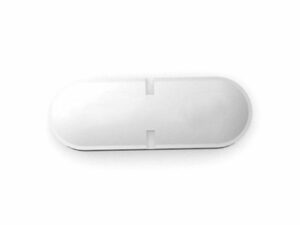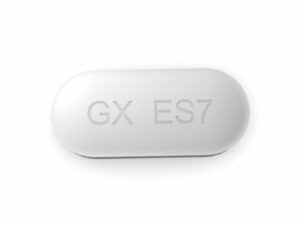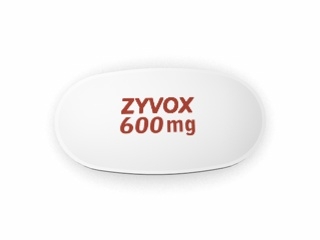
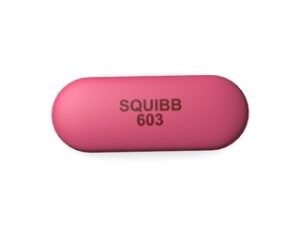

Zyvox (Linezolid) – Patient Information (UK)
Zyvox contains the antibiotic medicine linezolid. It is used to treat certain serious bacterial infections, particularly when other antibiotics may not be suitable. This guide explains how Zyvox works, how it is used in practice in the UK, and what you need to know about safety, interactions and storage.
Note: Always follow the instructions provided with your medicine. If anything here is unclear or differs from what your clinician has told you, follow their advice.
Basic product information
| Feature | Details |
|---|---|
| Medicine name | Zyvox (linezolid) |
| Type | Antibiotic (oxazolidinone) |
| Common forms | Tablets and oral suspension (availability may vary) |
| How it is taken | By mouth |
| Usual schedule | Typically twice daily (every 12 hours) |
| Prescription status (UK context) | Antibiotic requiring a valid UK prescription and appropriate clinical assessment |
How Zyvox works (mechanism of action)
Linezolid works by interfering with bacterial protein production. Specifically, it binds to a component of the bacterial ribosome (the 50S ribosomal subunit). This stops bacteria from making essential proteins they need to grow and multiply.
- Target: Bacterial ribosomes
- Effect: Blocks formation of proteins required for bacterial survival
- Result: Slows bacterial growth and helps the immune system clear the infection
Zyvox is active against a range of Gram-positive bacteria, including some that are resistant to other antibiotics.
Pharmacokinetics (how the body handles linezolid)
Understanding pharmacokinetics can help explain why timing matters and why certain interactions are important.
- Absorption: Linezolid is well absorbed after oral dosing. Tablets and oral suspension can provide similar overall exposure.
- Distribution: It spreads into tissues, including areas where serious infections may occur.
- Metabolism: It is metabolised in the body, forming less active metabolites.
- Elimination: The medicine and its metabolites are removed mainly via the kidneys (with some contribution from non-renal pathways).
- Half-life: The time it takes for blood levels to reduce by about half is roughly in the range of several hours, which is why dosing is often twice daily.
In older adults or people with kidney or liver impairment, clinicians may monitor more closely and adjust the treatment plan if needed.
Typical uses of Zyvox
Zyvox is used for infections caused by susceptible bacteria, especially where resistant organisms are suspected or confirmed. In UK clinical practice, it may be considered for:
- Complicated skin and soft tissue infections
- Pneumonia (including hospital-acquired or community-acquired in certain situations, depending on local guidance and susceptibilities)
- Vancomycin-resistant infections (when appropriate and guided by culture/susceptibility results)
- Infections due to multi-resistant Gram-positive organisms
- Certain bloodstream infections (where linezolid is suitable and sensitivity is confirmed)
- Other serious Gram-positive infections where it is considered clinically appropriate
Your prescriber will base the choice of antibiotic on the infection type, severity, likely bacteria, culture results and your medical history.
When and how to take Zyvox (timing guidance)
Zyvox is usually taken twice daily—for example, every 12 hours. Try to take doses at consistent times each day to maintain steady levels.
- Timing: Aim for approximately 12 hours apart (e.g., 8am and 8pm).
- With or without food: Food does not significantly affect linezolid absorption, so you can take it with meals or on an empty stomach.
- Swallowing: Follow the instructions for the tablet or oral suspension form you have.
- Course completion: Finish the full course unless your clinician tells you to stop. Stopping early may allow infection to return.
If you miss a dose: Take it as soon as you remember. If it is nearly time for the next dose, skip the missed one—do not take a double dose.
Food interactions
Food interactions are generally minimal with linezolid. You can usually take Zyvox with or without food.
However, there are some practical dietary considerations:
- Fermented foods / tyramine: Linezolid can affect monoamine oxidase (MAO) activity, which raises concern for interactions with high-tyramine foods—particularly when treatment lasts more than a short period. To reduce risk, your clinician or pharmacist may advise avoiding or limiting foods high in tyramine.
- Hydration: Maintain adequate fluids unless you have been advised to restrict fluids for medical reasons.
If you are unsure whether your diet may be affected during treatment, ask your pharmacist for personalised advice.
Alcohol and medicine interactions
Alcohol
There is no single universal “safe amount” of alcohol for everyone taking Zyvox. Alcohol may worsen side effects (such as nausea, dizziness, headache) and can impair recovery. For best safety and comfort, it is generally recommended to avoid or limit alcohol during treatment—especially if you feel unwell.
Important medicine interactions
Linezolid has clinically important interactions, mainly because it can act as a weak MAO inhibitor. This can lead to serious problems if taken with certain medicines.
- Serotonergic medicines (risk of serotonin syndrome): Examples include some antidepressants (e.g., SSRIs, SNRIs), triptans, certain migraine medicines, and some other drugs that raise serotonin.
- MAOI medicines: Some medicines used for mood disorders or Parkinson’s disease may have a direct interaction.
- Decongestants and stimulants: Some products may raise blood pressure or affect neurotransmitters.
- Warfarin: There is a known potential interaction affecting clotting (INR). Clinicians often arrange extra monitoring if you take warfarin.
- Antidiabetic medicines: Some medicines may increase the risk of low blood sugar or other effects; monitoring may be needed.
- Blood pressure and cardiovascular medicines: Certain combinations may affect blood pressure or heart rhythm in susceptible people.
- Medications affecting platelets/bleeding risk: Because of potential effects on blood counts, additional caution may be used if you take anticoagulants or antiplatelet agents.
Always tell your pharmacist about all medicines you use, including:
- Prescription medicines
- Over-the-counter medicines
- Herbal products (including St John’s wort)
- Vitamins or supplements
If you notice symptoms such as agitation, confusion, fever, sweating, shaking, diarrhoea, or fast heartbeat, seek urgent medical advice as this can be consistent with serotonin syndrome.
Indications in the UK: when Zyvox may be appropriate
Zyvox is typically considered for suspected or confirmed infections by susceptible Gram-positive organisms, particularly when:
- Other antibiotics are not suitable due to resistance or intolerance
- Culture results show susceptibility to linezolid
- Serious infection requires reliable oral therapy options (depending on clinical scenario)
The decision to use Zyvox also depends on local antimicrobial stewardship recommendations, resistance patterns and patient-specific factors (age, kidney/liver function, other medicines, and duration).
Dosing (how much Zyvox is usually taken)
Dosing should be determined by your clinician based on the type and severity of infection, susceptibility testing, age, kidney/liver function and treatment duration.
- Adults: A common regimen is 600 mg twice daily.
- Children and adolescents: Dosing is weight-based and depends on clinical guidance and product availability.
- Duration of treatment: Varies by infection type, response to treatment and local guidance. Longer courses increase the likelihood of certain side effects, so monitoring becomes more important.
- Renal impairment: Your prescriber may consider your kidney function. Extra monitoring may be recommended, particularly for prolonged therapy.
- Hepatic impairment: Similar careful assessment may be needed.
Do not change the dose without medical advice. If you have concerns (for example, side effects or missed doses), speak to a pharmacist or clinician.
Safety profile: common and serious side effects
Most people tolerate Zyvox well, but like all medicines it can cause side effects. Some effects are more likely with longer treatment.
Common side effects
- Nausea
- Diarrhoea
- Headache
- Vaginal candidiasis (thrush) or other yeast infections
- Changes in taste
Less common but important side effects
- Blood count changes: Linezolid can reduce blood cell numbers (including platelets), especially with courses longer than about 1–2 weeks. Symptoms can include unusual bruising, bleeding, or unusual tiredness.
- Neuropathy (nerve problems): Prolonged treatment may rarely cause numbness, tingling, burning pain or weakness.
- Lactic acidosis: Rare. Seek urgent help if you develop unusual muscle pain, rapid breathing, severe weakness, or persistent vomiting.
Serious side effects—seek urgent advice
- Signs of severe allergy (swelling of face/lips, breathing difficulties, rash that rapidly worsens)
- Severe diarrhoea (especially watery or with blood), fever, or severe abdominal pain
- Vision changes (e.g., blurred vision, changes in colour vision), or hearing changes—especially if persistent
- Signs of serotonin syndrome (agitation, confusion, sweating, fever, shaking)
- Unexplained bruising/bleeding, extreme tiredness or fainting
If you experience any severe or concerning symptoms, stop taking Zyvox and get urgent medical advice. If you are unsure, contact a healthcare professional right away.
Practical use tips (to get the best from treatment)
- Set reminders: Twice-daily antibiotics are easier to manage with phone alarms or a medication organiser.
- Complete the course: Even if you feel better, finishing as directed reduces the chance of relapse.
- Monitor side effects: If treatment is longer, watch for symptoms like vision changes, numbness/tingling, unusual bruising or bleeding.
- Keep track of your medicines: Make a list of everything you take (including OTC and herbal products) and review it with your pharmacist.
- Hydration helps: Drinking plenty of water (unless restricted) may reduce discomfort from illness and constipation.
- Reporting is important: Tell your clinician promptly about new symptoms—especially after about 2 weeks of use.
If your treatment is extended or you have risk factors (e.g., other medicines that affect blood counts), your clinician may request blood tests and/or symptom checks.
Alternative options (what else may be considered)
Alternatives depend on the infection type, severity, the suspected or confirmed organism, local resistance patterns and your medical history. Clinicians may consider other antibiotics with activity against Gram-positive bacteria, such as:
- Vancomycin (often used in hospital settings; route and monitoring differ)
- Daptomycin (for certain Gram-positive infections)
- Teicoplanin (where appropriate)
- Other oral antibiotics may be used for less severe or more susceptible infections
The “best” alternative is highly individual. If you have side effects from Zyvox or have interactions, your prescriber may change the antibiotic based on culture results and clinical response.
Market and legal context in the UK
In the United Kingdom, antibiotics like linezolid are regulated medicines. They are used as part of national and local antimicrobial stewardship efforts aimed at preserving antibiotic effectiveness.
- Antimicrobial stewardship: NHS and partner guidance promotes using antibiotics appropriately, including correct dosing and appropriate duration.
- Resistance awareness: Linezolid is generally reserved for susceptible cases to help reduce the emergence of resistance.
- Monitoring expectations: Because of known risks (such as blood count changes with longer courses and potential drug interactions), clinicians may request monitoring and review other medicines carefully.
Guidance may be updated over time. If you want reassurance about the latest UK approach for your specific infection, ask your pharmacist or clinician, or consult NHS antimicrobial guidance where available.
Recent guidance: what patients should know
While specific recommendations vary by infection type, UK practice commonly emphasises:
- Culture and sensitivity testing where possible to confirm the organism and choose the most targeted antibiotic.
- Reviewing interacting medicines early, especially antidepressants and other serotonergic agents.
- Using the shortest effective duration to reduce side effects and antimicrobial pressure.
- Monitoring during longer therapy, including symptoms and (where needed) blood tests.
Your care team may adjust your plan based on your response and any test results.
Delivery and availability (UK)
Availability and delivery options vary by pharmacy provider and your location in the UK. Typical online pharmacy delivery information may include:
- Packaging: Medicines are usually dispatched in tamper-evident packaging.
- Delivery times: Commonly next-day or within a few working days, depending on stock and postcode.
- Temperature: Follow storage instructions on the pack; do not freeze.
- Order tracking: Many providers offer tracking details after dispatch.
If you need Zyvox urgently, check delivery cut-off times or contact customer support.
Storage
Store Zyvox according to the instructions on the outer carton and label. In general:
- Keep out of the sight and reach of children.
- Do not use after the expiry date stated on the packaging.
- Keep away from excessive heat and moisture (e.g., bathrooms).
- If you have oral suspension, follow the specific storage and use-by guidance for reconstituted products.
FAQ (Frequently Asked Questions)
1) What is Zyvox used for?
Zyvox (linezolid) is an antibiotic used to treat certain serious bacterial infections, particularly those caused by Gram-positive bacteria and in cases where resistant organisms are involved.
2) How quickly should I feel better?
Some improvement may be seen within 24–72 hours, depending on the infection and severity. If you do not improve or you feel worse, contact a clinician promptly.
3) Can I take Zyvox with food?
Usually yes. Food does not significantly affect linezolid absorption, so you can take it with or without meals.
4) Do I need to avoid specific foods?
Because linezolid can affect MAO activity, clinicians may advise limiting high-tyramine foods, especially if treatment lasts more than a short period. Ask your pharmacist for advice suited to your diet and treatment length.
5) Is it safe to drink alcohol?
Alcohol may worsen side effects and is best avoided or limited during treatment. If you are unsure, ask your pharmacist.
6) What interactions should I be most careful about?
The most important interactions involve:
- Medicines that raise serotonin (to avoid serotonin syndrome)
- MAOI medicines
- Warfarin (may require extra clotting monitoring)
- Other medicines listed with linezolid’s interaction warnings
Always tell your pharmacist about all medicines you take.
7) What should I do if I miss a dose?
Take it when you remember unless it is almost time for the next dose. Do not take a double dose.
8) What side effects mean I should get urgent help?
Seek urgent medical advice for symptoms such as severe allergic reaction, severe or bloody diarrhoea, signs of serotonin syndrome, unexplained bruising or bleeding, significant vision changes, or any rapidly worsening condition.
9) Does Zyvox require blood tests?
Blood tests may be considered when treatment is longer or if you have risk factors, because linezolid can affect blood counts. Your clinician will decide what monitoring is appropriate.
10) Are there alternatives to Zyvox?
Alternatives depend on your diagnosis, likely bacteria and susceptibilities. Your clinician may choose another antibiotic if linezolid is not suitable due to interactions, side effects or resistance patterns.
Disclaimer: This information is intended to help you understand Zyvox (linezolid). It does not replace medical advice from your clinician or pharmacist. If you have questions about your treatment or how Zyvox affects you personally, speak to a healthcare professional.