Sumycin (Tetracycline) – Patient Information
Sumycin is a brand of tetracycline, an antibiotic used to treat certain bacterial infections. This patient-friendly guide explains how it works, how it’s typically taken, important safety information, interactions (including with food and alcohol), and practical tips to help you use it effectively.
Important: Always follow the advice given by your healthcare professional and the instructions on your medicine packaging. If anything in this leaflet is unclear, speak to a pharmacist.
1. Basic product information
- Brand name: Sumycin
- Generic name: Tetracycline
- Medicine type: Antibiotic (tetracycline class)
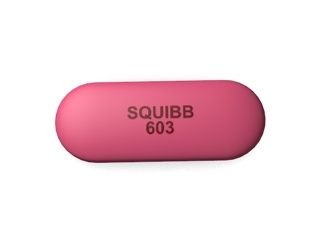
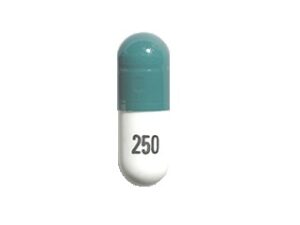
- How it is supplied: Oral tablets/capsules (availability can vary by manufacturer and pharmacy)
- Who it’s for: Adults and some children in line with clinical guidance and age restrictions
In the UK, tetracycline products are used for specific indications based on local guidance and the likely bacteria. Your pharmacist or prescriber will help ensure it’s the right option for your condition.
2. How Sumycin works (mechanism of action)
Tetracycline antibiotics work by stopping bacteria from making proteins they need to grow and multiply. Specifically, tetracycline binds to the bacterial 30S ribosomal subunit, blocking attachment of transfer RNA (tRNA). Without proper protein synthesis, bacterial cells cannot reproduce effectively, helping your immune system clear the infection.
Tetracycline is generally most effective against bacteria that are susceptible to this class of antibiotic. The exact choice depends on the infection type, your symptoms, and local resistance patterns.
3. Pharmacokinetics (how the body handles it)
“Pharmacokinetics” describes what happens after you take a dose: absorption, distribution, metabolism, and elimination.
Absorption
Tetracycline is absorbed from the gut, but absorption can be reduced by some foods and products that bind to it (notably calcium, magnesium, aluminium, and iron-containing preparations). This is why timing and food/drink advice matters.
Distribution
After absorption, tetracycline distributes into many body tissues and fluids. It can also bind to growing bone and teeth—one reason it is not suitable for certain age groups.
Metabolism and elimination
Tetracycline is mainly eliminated through the kidneys. Kidney function therefore affects how long it stays in the body. People with impaired kidney function may need additional monitoring or dose adjustments.
4. Typical uses and indications
Tetracycline (Sumycin) may be used for infections caused by susceptible bacteria. Indications can vary and may be guided by national/local recommendations and antibiotic stewardship principles.
Examples of conditions where tetracycline may be considered include:
- Acne and other acneiform conditions caused or worsened by bacterial involvement
- Some respiratory infections where susceptible organisms are suspected or confirmed
- Skin infections due to susceptible bacteria
- Some sexually transmitted infections where tetracycline is an appropriate option (depending on local guidance and organism)
- Other bacterial infections chosen by a clinician based on culture/sensitivity results when available
If you’re unsure whether your infection is suitable for tetracycline, ask your pharmacist—appropriate selection is important both for effectiveness and to reduce the risk of resistance.
5. Dosing and timing
The dose and frequency depend on the condition being treated, the severity of infection, your kidney function, age, and whether your clinician has identified a specific organism.
Follow your medicine label exactly. Below is a general overview of how tetracycline is commonly scheduled:
| Common scheduling pattern | What it means in practice | Notes |
|---|---|---|
| Multiple times daily | Taken at evenly spaced times (e.g., morning/afternoon/evening) | Helps maintain effective levels |
| With or without food (depending on tolerance) | Often taken with water; some people prefer food to reduce stomach upset | Avoid dairy/minerals at the same time |
| Course duration varies | Typically taken for a set number of days | Even if you feel better, complete the course unless advised otherwise |
How to take Sumycin
- Swallow tablets/capsules with a full glass of water.
- Stay upright for at least 30 minutes after taking a dose to help prevent irritation of the oesophagus.
- Use a consistent schedule each day.
- If you miss a dose, take it when you remember unless it’s close to the next dose—don’t take a double dose.
Treatment expectations
Many infections begin to improve within a few days. If symptoms worsen, fail to improve, or you develop new symptoms (such as severe diarrhoea), contact a healthcare professional promptly.
6. Food interactions: what to avoid and timing advice
Tetracycline can bind to certain minerals, lowering absorption and reducing effectiveness. To minimise this risk, separate your dose from mineral-rich foods and supplements.
Avoid taking with (or shortly after) the following
- Dairy products (milk, cheese, yoghurt)
- Calcium supplements and calcium-fortified drinks
- Antacids containing aluminium or magnesium
- Iron supplements
- Multivitamins containing minerals (including zinc)
- Magnesium-containing products (including some indigestion remedies)
As a practical rule, consider spacing doses by at least 2–3 hours from products that contain these minerals. Your pharmacist can provide guidance tailored to the exact product and your schedule.
Food and drink flexibility
In many cases, taking with a small amount of food can reduce nausea; however, keep away from dairy/minerals at the same time. Water is usually the best choice when taking the medicine.
7. Alcohol interactions
Alcohol does not usually create a dangerous direct interaction with tetracycline in the way it can with some other antibiotics, but it can affect how you feel and may worsen side effects such as nausea, stomach irritation, dizziness, and diarrhoea.
- Try to limit alcohol during treatment, especially if you’re feeling unwell.
- If you drink alcohol, do so moderately and monitor how you feel.
- Seek medical advice if you develop severe vomiting, worsening diarrhoea, or signs of dehydration.
8. Medicine interactions (other drugs and supplements)
Some medicines can reduce absorption of tetracycline or increase the risk of side effects. Inform your pharmacist about all medicines and supplements you use, including over-the-counter products.
Common interaction categories
- Mineral-containing products: antacids, iron, calcium, magnesium, zinc, and multivitamins (absorption reduction).
- Retinoids: taking tetracycline with medicines related to vitamin A (such as isotretinoin or acitretin) can increase the risk of raised pressure inside the skull (intracranial hypertension).
- Warfarin and blood thinners: antibiotic use can affect gut bacteria and vitamin K balance, potentially changing blood clotting control. Extra monitoring (such as INR checks) may be needed.
- Diuretics and other agents affecting kidneys: if you have kidney impairment or take medicines that affect kidney function, your clinician may monitor you more closely.
- Antiepileptics: certain seizure medicines can alter antibiotic effectiveness by changing drug metabolism.
This is not a complete list. Your pharmacist can check your specific medicines for interactions before you start or while you continue treatment.
9. Safety profile and when to seek help
Like all medicines, Sumycin can cause side effects. Many are mild and improve as your body adjusts, but some require urgent medical attention.
Common side effects
- Nausea or indigestion
- Stomach discomfort
- Diarrhoea (mild)
- Sensitivity to sunlight (you may burn more easily)
- Vaginal thrush or oral thrush (overgrowth of yeast can occur after antibiotics)
Serious side effects (seek urgent help)
- Severe or persistent diarrhoea, especially if watery or bloody (could indicate a more serious bowel infection).
- Allergic reaction such as swelling of the face/lips, difficulty breathing, or widespread rash/hives.
- Signs of raised pressure in the skull: severe headache, blurred vision, dizziness, or vision changes. This risk is higher if combined with certain other medicines (e.g., retinoids).
- Severe skin reactions with blistering, peeling, or sores in the mouth/eyes.
- Severe stomach pain or trouble swallowing that may suggest irritation or ulceration.
Special populations
- Pregnancy: Tetracyclines may affect fetal development (especially teeth/bone). Use in pregnancy is generally avoided unless specifically advised by a clinician.
- Breastfeeding: Tetracycline can pass into breast milk; alternatives are often preferred.
- Children: Tetracycline is not suitable for young children due to effects on growing teeth and bone. Your clinician will choose appropriate options based on age and infection.
- Kidney problems: because elimination is mainly renal, extra caution and monitoring may be needed.
10. Practical use tips (to get the best results)
- Complete the course: even if you feel better, finishing helps reduce relapse and resistance.
- Protect from sun: tetracyclines can cause photosensitivity. Use SPF, cover up, and avoid tanning beds.
- Prevent stomach irritation: take with water and remain upright for 30 minutes after dosing.
- Keep an eye on diarrhoea: if diarrhoea is severe, persistent, or comes with fever or blood, stop and seek advice urgently.
- Use a consistent schedule: setting reminders can help you take evenly spaced doses.
- Track other products: separate your antibiotic from vitamins/minerals/antacids by a few hours.
11. Alternative options
The most appropriate antibiotic depends on the type of infection and the bacteria involved. Depending on your condition, a clinician may recommend alternatives within or outside the tetracycline class.
Potential alternatives include (examples):
- Doxycycline (another tetracycline antibiotic; often better tolerated by some people and used for similar purposes)
- Minocycline (another tetracycline option, commonly used in acne/related conditions)
- Macrolides (e.g., erythromycin/clarithromycin) for specific infections where suitable
- Penicillins or cephalosporins for infections where appropriate and tolerated
Your pharmacist can help compare options in terms of interactions, side-effect profile, and suitability for your situation. Do not switch antibiotics without medical advice.
12. UK market and legal context (what to expect)
Antibiotics are controlled by UK healthcare regulations and are used under NHS and evidence-based antimicrobial guidance. In the UK, antibiotic selection is governed by antibiotic stewardship efforts designed to reduce resistance and protect patients.
Availability of specific brands and formulations can vary by pharmacy and manufacturer, and supply may change. A reputable UK pharmacy will confirm the exact product and strength you’re receiving and provide appropriate patient counselling.
Recent emphasis in UK practice includes:
- Appropriate antibiotic choice (using local guidance and, when possible, test results)
- Limiting unnecessary antibiotics for self-limiting conditions
- Clear patient instructions to support correct dosing and completion of courses
While exact “recent guidance” can change over time, the principles above remain consistent across UK health campaigns and antimicrobial stewardship programmes.
13. Delivery and availability
Online pharmacies in the UK may offer delivery to eligible areas depending on stock levels and the specific product. Delivery times can vary by supplier and location. When ordering Sumycin (tetracycline), your pharmacy typically confirms:
- the strength and formulation you’ll receive
- delivery timeframe estimates
- any availability constraints or alternatives if stock is temporarily unavailable
To avoid delays, ensure your contact details are correct and keep an eye on delivery updates.
14. Frequently Asked Questions (FAQ)
Is Sumycin suitable for everyone?
Sumycin is not suitable for everyone. It may not be appropriate for certain age groups, pregnancy, breastfeeding, or people with specific health conditions (such as significant kidney impairment). Your pharmacist can advise based on your personal circumstances and other medicines you take.
How long does it take to work?
Many people notice some improvement within a few days. If there is no improvement after several days, or your symptoms worsen, seek advice. Finishing the full course is important if it’s helping.
Should I take it with food?
Food may help reduce nausea, but avoid taking it at the same time as dairy products or mineral supplements/antacids. Follow your label or pharmacist guidance for the exact schedule.
Can I drink milk or take dairy products while on tetracycline?
It’s best to avoid dairy at the same time as your dose because calcium can reduce absorption. You can usually have dairy at other times—aim to separate by a few hours.
What if I miss a dose?
Take it as soon as you remember unless it’s nearly time for your next dose. Do not take two doses together to make up for a missed one. If you’re unsure, ask your pharmacist.
What should I do if I get diarrhoea?
Mild diarrhoea can occur with antibiotics. However, seek urgent medical advice if diarrhoea is severe, persistent, watery, bloody, or accompanied by fever or severe abdominal pain.
Will Sumycin make my skin more sensitive to sunlight?
Yes. Tetracyclines can cause photosensitivity, making sunburn more likely. Use sunscreen, wear protective clothing, and avoid prolonged direct sunlight.
Can I take Sumycin with other medicines?
Some medicines and supplements can interact, especially mineral-containing products (iron, calcium, magnesium, antacids) and certain drugs that affect intracranial pressure or blood clotting. Tell your pharmacist about all medications you take.
Is it safe to drink alcohol while taking Sumycin?
Moderate alcohol may be tolerated by many people, but it can worsen side effects like nausea and diarrhoea and may delay recovery. Consider limiting alcohol during your course.
What are the storage instructions?
Store tablets/capsules according to the packaging instructions, typically at room temperature, away from direct sunlight and moisture. Keep out of reach of children.
Summary
Sumycin (tetracycline) is an oral antibiotic that works by blocking bacterial protein synthesis. To maximise effectiveness, it’s important to take it at the right times and avoid mineral-rich foods/supplements close to each dose. Watch for side effects such as photosensitivity and stomach upset, and seek help if you experience severe diarrhoea, allergic reactions, or signs of serious complications.
If you have questions about whether Sumycin is appropriate for your infection, or you’re unsure about interactions with your current medicines, speak to your pharmacist for tailored advice.