

Doxycycline (Doxycycline Hyclate or Doxycycline Monohydrate) – Patient Guide (UK)
Doxycycline is a widely used antibiotic belonging to the tetracycline group. It is used to treat a range of bacterial infections and, in some circumstances, other conditions where bacteria may play a role. This guide explains what doxycycline is, how it works, how it is used, safety considerations, and practical tips for getting the best results while reducing side effects.
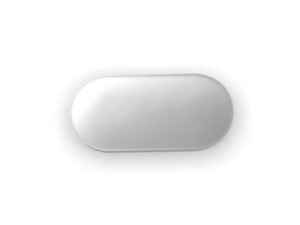
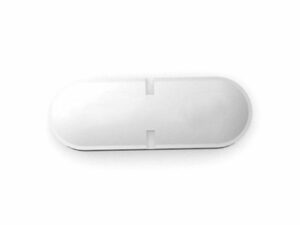
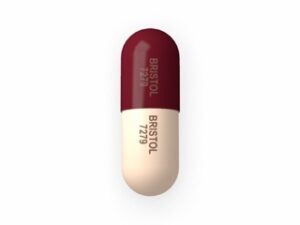
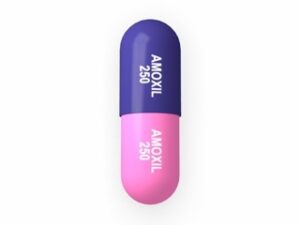
In the United Kingdom, doxycycline products are commonly supplied as oral capsules or tablets, and availability may vary by brand and strength.
Basic product information
| Feature | What you should know |
|---|---|
| Medicine | Doxycycline (often as doxycycline hyclate or doxycycline monohydrate) |
| Type | Antibiotic (tetracycline) |
| Common forms | Tablets/capsules (some products may have different strengths) |
| Typical dosing frequency | Often once or twice daily depending on indication and formulation |
| Key points | Take with plenty of water; avoid lying down immediately after; finish the course |
| Not suitable for viral infections | Only works against bacteria |
How doxycycline works (mechanism of action)
Doxycycline works by stopping bacteria from making essential proteins they need to grow and multiply. It binds to the bacterial ribosome, particularly the 30S subunit, which interferes with protein synthesis. As a result, bacterial growth is inhibited and the infection can gradually resolve.
Doxycycline is considered bacteriostatic (it slows bacterial growth rather than rapidly killing bacteria outright). In practice, this still leads to clinical improvement, especially when taken correctly for the recommended duration.
Pharmacokinetics: how your body processes it
- Absorption: Doxycycline is absorbed from the gastrointestinal tract. Absorption can be reduced by some minerals (such as iron, zinc, magnesium) and certain antacids.
- Distribution: It distributes into many body tissues, including the lungs, skin, and some body fluids. It can also reach sites where infections are present.
- Metabolism: Doxycycline is partially metabolised in the liver.
- Elimination: It is mainly excreted via faeces (bile) and partially via urine. Because elimination is partly non-renal, doxycycline may be preferred over some other tetracyclines in certain patients, but individual suitability still depends on your overall health.
- Half-life: The dosing schedule is designed around how long it stays active in the body.
If you have kidney or liver concerns, it’s important to discuss the appropriateness of doxycycline with a healthcare professional, as dose adjustments or alternative treatments may sometimes be needed.
Typical uses in the UK
Doxycycline is used for infections caused by bacteria sensitive to tetracyclines, and for selected non-infectious conditions where bacteria may be involved. The exact indication depends on local guidelines and the suspected organism.
Common indications may include:
- Respiratory tract infections: In some cases, when the likely bacteria are susceptible.
- Skin infections: Certain infections of the skin and soft tissues.
- Acne (selected cases): Sometimes used for moderate inflammatory acne under clinician advice.
- Sexually transmitted infections: Certain infections caused by susceptible organisms may be treated with doxycycline as part of guideline-based management.
- Tick-borne infections: Doxycycline may be used for specific suspected or confirmed infections depending on local public health advice.
- Malaria prophylaxis (for some travellers): Doxycycline has been used for malaria prevention in certain regions; recommended schedules depend on the travel destination and current UK travel health guidance.
- Other bacterial infections: Where appropriate and guideline-supported.
This is not a complete list. Your prescriber and pharmacist will confirm the indication for your specific product based on national recommendations.
Timing and how to take doxycycline
Taking doxycycline correctly improves absorption and reduces side effects.
General timing
- Consistency matters: Try to take it at the same times each day.
- With water: Take each dose with a full glass of water (at least 200 mL).
- Stay upright: Remain upright (sitting or standing) for at least 30 minutes after swallowing a dose. This helps prevent irritation or injury to the food pipe (oesophagus).
Can doxycycline be taken with food?
Doxycycline can be taken with food if it upsets your stomach. Food may reduce the chance of nausea for many people, and many doxycycline regimens are designed to be taken with meals or shortly after eating.
However, avoid taking it at the same time as supplements containing minerals that can interfere with absorption (see “Food interactions” below).
Food interactions and what to avoid
Some foods and supplements can reduce doxycycline absorption or increase the risk of side effects.
Most important interactions to manage
- Iron, zinc, magnesium, calcium: These minerals can bind doxycycline in the gut and reduce absorption. Avoid taking:
- Iron supplements
- Zinc supplements
- Magnesium-containing products (e.g., some antacids/laxatives)
- Calcium supplements
- Antacids: Products that neutralise stomach acid may interfere, especially those containing aluminium or magnesium.
- Multivitamins/mineral supplements: If your vitamin contains minerals, separate it from your doxycycline dose.
A practical approach is to separate mineral-containing products from doxycycline by at least 2–3 hours (or follow the exact advice provided with your specific product). Your pharmacist can help confirm timing for your medicines.
Dairy and “milk”
Unlike some other tetracyclines, doxycycline is generally less affected by dairy products, but large amounts of calcium at the exact same time may still reduce absorption. If you want to be cautious, take doxycycline with water and space it from large dairy intake or supplements.
Alcohol and medicine interactions
Alcohol
Alcohol does not have a specific “dangerous” interaction with doxycycline for most people, but it may:
- Increase stomach upset and nausea.
- Worsen dehydration, which can make side effects feel more intense.
If possible, keep alcohol moderate and consider avoiding it while your body is fighting an infection or when you’re experiencing gastrointestinal side effects.
Other important medicine interactions
Several medicines can affect doxycycline levels or increase side effects. Common interaction areas include:
- Antacids and mineral supplements (iron/zinc/magnesium/calcium): reduce absorption.
- Warfarin (and other blood thinners): antibiotics may affect bleeding risk in some patients—extra monitoring may be needed.
- Oral retinoids (e.g., isotretinoin): using these together may increase the risk of raised pressure in the brain (idiopathic intracranial hypertension).
- Other tetracyclines: unnecessary overlap increases adverse effects.
- Enzyme-inducing medicines (e.g., some anticonvulsants like phenytoin, carbamazepine; some treatments for TB): can reduce doxycycline effectiveness.
- Some diabetes medicines and other commonly used drugs: interactions can be patient-specific; always check with your pharmacist for your full list.
Before starting doxycycline, compile a list of all medicines you take (including over-the-counter products and supplements) and review it with a pharmacist.
Doxycycline indications: what it’s used for
Doxycycline indications depend on the diagnosis and local antibiotic guidance. In practice, doxycycline may be chosen when:
- The likely bacteria are susceptible.
- The infection location and severity fit doxycycline’s typical coverage.
- Guidelines support its use for that condition and region.
For certain sexually transmitted infections, tick-borne diseases, acne, or travel-related prophylaxis, doxycycline may be part of standard management plans. The exact regimen and duration can differ.
Dosing: typical schedules and how to follow them
Doxycycline dosing varies based on the condition being treated, the severity of illness, and the patient’s age and health status. Always follow the dosing schedule for your specific product.
Common adult dosing patterns
- Many infections: often once or twice daily depending on the regimen (for example, 100 mg per dose is a common strength, but schedules vary).
- Some specific conditions: may require different dosing frequencies or longer courses.
- Malaria prophylaxis (where recommended): uses a specific schedule starting before travel and continuing after leaving the risk area.
Finish the course
Even if you feel better, it’s important to complete the recommended duration unless a clinician advises otherwise. Stopping early can allow the infection to return and may contribute to antibiotic resistance.
If you miss a dose
- Take it when you remember unless it’s close to the next dose.
- Do not take a double dose to make up for a missed tablet.
- If you’re unsure, ask a pharmacist or follow the product instructions.
Safety profile: who should be careful
Like all medicines, doxycycline can cause side effects. Most people tolerate it well when taken correctly, but some risks are important to know.
Common side effects
- Nausea, upset stomach, indigestion
- Diarrhoea (mild diarrhoea can occur)
- Heartburn
- Headache
- Vaginal thrush or other yeast overgrowth (less common)
- Skin sensitivity and sometimes rash
Serious but less common side effects (seek urgent medical help)
- Severe allergic reaction: swelling of the face/lips, difficulty breathing, severe rash, or collapse.
- Severe or persistent diarrhoea: especially watery stool, blood in stool, fever, or severe abdominal pain (may indicate antibiotic-associated colitis).
- Severe blistering skin reactions or widespread rash.
- Signs of oesophageal irritation: pain on swallowing, chest pain, or difficulty swallowing—stop and seek advice promptly.
- Symptoms of raised pressure in the skull: severe headache, blurred vision, double vision, or vomiting.
Important cautions
- Sun sensitivity: Doxycycline can increase sensitivity to sunlight, raising the risk of sunburn. Use sun protection (hat, clothing, and sunscreen) and avoid prolonged sun exposure.
- Children and young people: Tetracyclines can affect teeth development in growing children. Use in children is only appropriate when specifically recommended by guidelines.
- Pregnancy and breastfeeding: Doxycycline is generally avoided in pregnancy unless a clinician judges the benefits outweigh risks; breastfeeding guidance depends on the specific situation.
- Existing liver problems: dosing and safety should be assessed individually.
- Kidney disease: doxycycline is often used despite reduced kidney function, but medical advice is still essential.
Practical use tips to get the best results
- Use the “upright rule”: Take with a full glass of water and stay upright for at least 30 minutes.
- Separate minerals: Plan spacing between doxycycline and iron, zinc, magnesium, calcium supplements, and certain antacids.
- Manage stomach upset: Taking with food can reduce nausea. Avoid lying down immediately after your dose.
- Hydrate: Regular fluids can help reduce headache and improve tolerance.
- Protect from the sun: Apply sunscreen and consider protective clothing.
- Keep track of adherence: Setting alarms can help you take doses consistently—especially twice-daily regimens.
- Know when to contact a clinician: If symptoms worsen after starting, if fever persists, or if you develop severe diarrhoea or rash.
Alternative options
Alternative antibiotics or treatments may be considered depending on the infection and local susceptibility patterns. Alternatives can include other tetracyclines, macrolides, penicillins/cephalosporins, or other targeted therapies.
For some conditions (such as acne or malaria prophylaxis), non-antibiotic alternatives or different antibiotic strategies may be used depending on your personal circumstances, previous treatments, and resistance patterns.
Examples of alternatives that may be discussed by clinicians (not exhaustive):
- Macrolides (e.g., azithromycin) for certain respiratory or skin infections
- Penicillins/cephalosporins for conditions where they are suitable
- Other tetracyclines where appropriate
- Non-antibiotic treatments for acne (depending on severity)
- Different malaria prophylaxis regimens for travel destinations (choice depends on resistance patterns and travel advice)
The “best” alternative depends heavily on the diagnosis and test results (if available). A pharmacist can help check compatibility with your other medicines and allergies.
UK market and legal context
In the United Kingdom, doxycycline-containing medicines are regulated medicines and supply arrangements may differ between pharmacies. Online pharmacy services may provide these medicines under applicable UK frameworks. The exact process for ordering depends on the product and its classification.
Antimicrobial stewardship is a key priority in the UK. This means antibiotics should be used appropriately—right patient, right infection, right dose, right duration—to minimise resistance and protect public health.
Recent guidance and stewardship principles
- Antibiotics should not be used for viral infections (e.g., most colds and flu).
- Selection should be based on likely bacteria and local guidance where possible.
- Review is important: if symptoms do not improve, clinicians may reassess the diagnosis, consider cultures, or switch therapy.
- Correct duration helps reduce unnecessary exposure.
Your pharmacist may ask questions about your symptoms, medical history, allergies, pregnancy status (if relevant), and current medicines to help ensure safe use.
Delivery and availability (UK online pharmacy)
Availability of doxycycline products can vary by brand, strength, and supply chain status. When ordering online in the UK, delivery times depend on the selected delivery option and your location.
- Typical availability: Doxycycline is often stocked by UK pharmacies in common tablet/capsule strengths.
- Dispatch and delivery: Orders are usually processed quickly during business hours; you’ll be given an estimated delivery window at checkout.
- Temperature and storage: Keep tablets/capsules according to the package instructions (usually in a cool, dry place, away from moisture).
- Keeping the packaging: Retain the outer box or patient information leaflet for reference.
If an item is temporarily unavailable, the pharmacy may contact you or offer alternatives, subject to clinical suitability and supply constraints.
FAQ: Doxycycline questions people ask
1) What is doxycycline used for?
Doxycycline is an antibiotic used for bacterial infections that are susceptible to tetracyclines. It may also be used for selected conditions such as acne or tick-borne illnesses, depending on local guidance and your diagnosis.
2) How long does doxycycline take to start working?
Many people notice improvement within 24–72 hours, depending on the infection. If you don’t feel better within a few days, or if symptoms worsen, seek medical advice.
3) Can I take doxycycline with food?
Yes, many people tolerate doxycycline better with food. Avoid taking it at the same time as supplements or medicines that contain minerals such as iron, zinc, magnesium, or calcium.
4) Can I drink alcohol while taking it?
Moderate alcohol is usually not strictly contraindicated, but it can worsen stomach side effects and make you feel unwell. Consider limiting alcohol during treatment.
5) Does doxycycline cause diarrhoea?
It can. Mild diarrhoea may occur. However, seek medical advice urgently if diarrhoea is severe, watery, includes blood, or is associated with fever or severe abdominal cramps.
6) Will doxycycline affect contraception?
Most antibiotics, including doxycycline, do not reliably reduce the effectiveness of hormonal contraception. However, severe vomiting or diarrhoea can affect absorption of oral medicines. If you have significant gastrointestinal symptoms, consult a pharmacist or clinician for guidance on backup contraception.
7) What if I get heartburn or pain when swallowing?
These can be signs of oesophageal irritation. Stop and seek advice promptly, and make sure future doses are taken with a full glass of water and you remain upright for at least 30 minutes.
8) Can I use sunscreen and stay in the sun?
Doxycycline can increase sun sensitivity. Use strong sun protection, avoid prolonged direct sun, and consider protective clothing.
9) Is doxycycline safe for everyone?
Not for every person. Extra caution is needed in pregnancy, during breastfeeding (depending on circumstances), for children, and in people with certain medical conditions. Always check with a pharmacist if you have any relevant health concerns or allergies.
10) What are the most common drug interactions?
The most important interactions are with mineral-containing products (iron, zinc, magnesium, calcium), antacids, and some medicines such as blood thinners (e.g., warfarin) or other drugs that affect liver enzymes. Tell your pharmacist your full medicine list.
When to seek medical advice
Contact a healthcare professional promptly if you experience:
- Signs of an allergic reaction (rash with swelling, breathing difficulty)
- Severe or persistent diarrhoea
- Severe headache with vision changes or vomiting
- Rash that becomes widespread or blistering skin
- Pain on swallowing or chest pain
- No improvement or worsening after starting treatment
Remember: Take doxycycline exactly as directed for your condition, keep to the recommended course length, and review your medicine and supplement list for possible interactions—particularly mineral products and antacids.