
Amoxil (Amoxicillin) — Patient Guide (UK)
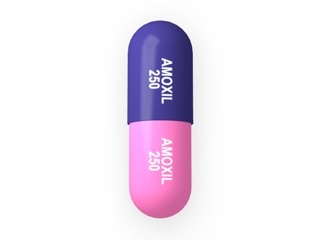
Amoxil is a brand of amoxicillin, a widely used antibiotic belonging to the penicillin group. This guide explains what Amoxil is used for, how it works, how it is absorbed and processed in the body, and important safety information for adults and children in the United Kingdom.
Always read the leaflet provided with your medicine and follow the instructions given by your healthcare professional. If you have questions, speak to a pharmacist or other qualified clinician.
Quick product overview
| Feature | Details |
|---|---|
| Active ingredient | Amoxicillin |
| Medicinal type | Antibiotic (penicillin) |
| Common forms | Tablets, capsules, and paediatric suspensions (strengths vary by product) |
| What it treats | Bacterial infections (not viruses) |
| Typical course | Varies by infection; completing the full course is important |
What is Amoxil and how does it work?
Amoxicillin works by stopping bacteria from building and maintaining their cell walls. Bacterial cell walls protect the bacteria and help them survive and multiply. Amoxicillin interferes with key steps in the cell-wall formation process, causing the bacteria to die or preventing further growth.
Mechanism of action (how it acts):
- Amoxil inhibits enzymes (penicillin-binding proteins) involved in cell-wall synthesis.
- This weakens the bacterial cell wall structure.
- The bacterial cells become unable to survive and replicate effectively.
Amoxil is effective against many bacteria, but not all germs are susceptible. Some bacteria produce enzymes that can reduce antibiotic activity, meaning a different antibiotic (or additional treatment) may be needed.
How Amoxil is absorbed and processed (pharmacokinetics)
Understanding how the body handles amoxicillin can help you take it correctly.
- Absorption: Amoxicillin is absorbed from the gut after oral dosing. Blood levels rise after a dose, and the medicine distributes into body fluids and tissues involved in infection.
- Distribution: It reaches sites such as the middle ear, respiratory tract, urine, and some soft tissues, depending on the infection.
- Metabolism: It is only partially metabolised.
- Elimination: The majority is excreted via the kidneys (urine).
- Half-life: The time taken for blood levels to reduce is typically around 1 hour in adults, though it can be longer in people with reduced kidney function.
Because amoxicillin is cleared relatively quickly, many courses require dosing several times per day to keep drug levels high enough for long enough to treat the infection.
Typical uses in the UK
Amoxil is used to treat certain bacterial infections. It is not effective for viral illnesses such as common colds and most sore throats.
Common indications include:
- Ear, nose and throat infections (for example, some cases of ear infection, tonsillitis, or sinus infections)
- Chest and respiratory infections (for example, some cases of bronchitis or pneumonia caused by susceptible bacteria)
- Urinary tract infections (UTIs) caused by susceptible organisms
- Dental infections where bacterial infection is suspected
- Skin and soft tissue infections in selected cases
- Helicobacter pylori eradication (part of combination regimens) in specific treatment plans
The exact choice of antibiotic depends on the suspected site of infection, severity, local resistance patterns, and patient history. Culture or tests may be used when appropriate.
How to take Amoxil: timing and practical guidance
How often you take Amoxil depends on the infection and the formulation/strength. Many regimens involve dosing two or three times a day (or sometimes more frequently) to maintain effective drug levels.
General timing tips:
- Take at evenly spaced times (for example, morning/afternoon or morning/evening).
- If your schedule is twice daily, try to take doses about 12 hours apart.
- If your schedule is three times daily, try to take doses about 8 hours apart.
- Complete the full course, even if you feel better before it ends.
If you miss a dose: take it as soon as you remember, unless it is close to the time for your next dose. Do not take a double dose to make up for a missed tablet/suspension.
Food interactions: can you take it with meals?
Amoxil is generally well tolerated with food. Taking it with food can improve comfort for some people and may reduce nausea.
- With meals: usually fine and can help if you have a sensitive stomach.
- On an empty stomach: some people tolerate it well, but it may increase the risk of stomach upset.
Follow the instructions on your specific product label. If you’re unsure, ask a pharmacist.
Alcohol and medicine interactions
Alcohol
Moderate alcohol consumption is not usually associated with a direct chemical interaction with amoxicillin. However, alcohol can worsen side effects such as dizziness, nausea, or diarrhoea, and it may make it harder to rest while you recover from infection.
Recommendation: it’s best to limit alcohol while you are unwell. If you’re drinking alcohol, do so cautiously and stop if you feel unwell.
Important medicine interactions (examples)
Tell your pharmacist or clinician about all medicines you take, including over-the-counter products and herbal remedies. Some combinations may require monitoring or adjustment.
- Anticoagulants (e.g., warfarin): antibiotics may affect clotting control in some people. Monitoring (such as INR checks) may be needed.
- Allopurinol: may increase the chance of skin reactions in some patients.
- Oral contraceptives: most antibiotics do not significantly reduce effectiveness, but if you develop vomiting or severe diarrhoea, additional contraceptive protection may be recommended.
- Probenecid: can reduce renal clearance of amoxicillin and may increase its levels.
- Other antibiotics: combinations may be unsuitable depending on the infection.
- Methotrexate: antibiotics can potentially increase methotrexate levels in certain circumstances. Close monitoring is important for people receiving methotrexate.
This is not an exhaustive list. Always check with a healthcare professional for your specific situation.
Dosing: what to know
Amoxil dosing varies by infection, age, weight (especially in children), kidney function, and local guidance. Use the dose on your label or directions from your clinician.
General principles:
- Adults: dosing schedules may differ based on the infection and severity.
- Children: dose is often based on body weight and must be measured carefully.
- Kidney impairment: because the medicine is excreted by the kidneys, dose adjustments may be required.
- Course length: completing the full course is key to successful treatment and to reduce resistance.
Paediatric suspensions: ensure you shake the bottle well if required and measure using an oral syringe or dosing spoon. Never guess the dose.
Safety profile and side effects
Common side effects
Many people tolerate amoxicillin well, but side effects can occur. Common examples include:
- Diarrhoea (often mild; persistent/watery diarrhoea needs medical advice)
- Nausea or mild stomach upset
- Skin rash (some rashes can be mild, but others may indicate allergy)
- Vaginal thrush (in some people)
- Headache (less commonly)
Serious side effects: seek urgent medical help
Contact urgent care services or a clinician immediately if you develop symptoms suggesting a severe reaction, such as:
- Signs of allergy: swelling of the face/lips, difficulty breathing, wheezing, severe rash or hives
- Severe or persistent diarrhoea, especially if watery or with blood/mucus, or accompanied by fever
- Severe skin reactions (rapidly spreading rash, blistering, peeling skin)
- Yellowing of the skin or eyes (jaundice) or severe liver-related symptoms
- Unusual bruising or bleeding with feeling unwell
Allergy considerations
Do not take amoxicillin if you have previously had a severe allergic reaction to penicillins or other beta-lactam antibiotics. If you’re unsure about your allergy history, ask a pharmacist before using Amoxil.
Practical use tips for getting the best results
- Start promptly: if you’ve been advised to take Amoxil, begin the course at the recommended time.
- Don’t stop early: even if you feel better, stopping early can allow infection to return.
- Hydrate: drinking fluids can support recovery, especially if you have fever or diarrhoea.
- Monitor symptoms: you should generally start to feel better within a couple of days. If not, seek medical advice.
- Keep track of doses: using a phone reminder or pill organiser can help.
- Paediatric safety: use correct measuring devices, store safely out of sight and reach, and keep track of expiry.
- Storage: store as directed on the label. Some suspensions require refrigeration; follow your product instructions.
When Amoxil may not be appropriate
Amoxil may not be suitable for everyone. People may need special consideration if they:
- have a history of significant penicillin allergy
- have kidney impairment
- have a history of antibiotic-associated colitis
- have complex infections where a different antibiotic is likely to be better
- are taking medicines that interact with amoxicillin or require monitoring
If you are pregnant or breastfeeding, speak to a healthcare professional about safety for your individual case.
Alternative options (what might be considered)
Alternatives depend on the infection and the likely germ, plus your allergy history and local resistance patterns. In some cases, clinicians may consider:
- Other penicillins (for example, ampicillin or other beta-lactams depending on the scenario)
- Cephalosporins for certain infections (if appropriate)
- Macrolides (such as clarithromycin or azithromycin) when penicillins are not suitable
- Tetracyclines for selected infections where appropriate
- Amoxicillin/clavulanate in infections where beta-lactamase-producing bacteria may be involved
- No antibiotic approach when symptoms are likely viral or self-limiting
If your symptoms do not improve or worsen, reassessment may be needed. Do not switch antibiotics on your own.
UK market and legal context (important notes)
In the United Kingdom, antibiotics are regulated medicines and are managed to support safe use and reduce the risk of antibiotic resistance. National guidance encourages appropriate prescribing, and healthcare professionals aim to confirm whether infection is likely bacterial before starting antibiotics when possible.
Antibiotic stewardship: Amoxil should be used for bacterial infections where it is considered suitable, in the correct dose and for the appropriate duration. Taking antibiotics for viral illnesses can lead to unnecessary side effects and contributes to resistance.
Please follow UK pharmacy and healthcare processes for obtaining and using antibiotic medicines. A clinician’s assessment is important if symptoms are severe, recurrent, or unusual.
Recent guidance and resistance awareness (UK context)
UK prescribing and antimicrobial guidance emphasises:
- Right antibiotic, right dose, right duration—to maximise effectiveness and minimise unnecessary exposure.
- Reviewing response—if symptoms do not improve, re-evaluation may be required.
- Culture/testing when indicated—especially for recurring infections or complex cases.
- Preventing resistance by avoiding antibiotics when they are unlikely to help.
If you have concerns about resistance or repeated infections, discuss options with a healthcare professional.
Delivery and availability
Availability can vary depending on the formulation and strength (tablets/capsules vs. paediatric suspensions) and current supply conditions. Many pharmacies in the UK offer delivery options and may keep stock for common strengths.
Typical online pharmacy considerations:
- Placing an order: you can usually select your preferred product strength and quantity.
- Dispatch times: delivery schedules depend on stock status and courier availability.
- Cold-chain requirements: some suspensions may require refrigeration—check the product label.
- Packaging: medicines are typically shipped in protective packaging to prevent damage and spills.
For the most accurate delivery timeframe, check the availability and delivery estimate shown on the product page. If a product is out of stock, you may be offered an alternative strength or formulation where appropriate.
FAQ — Amoxil (Amoxicillin)
1) Is Amoxil effective for colds or flu?
No. Colds and most flu-like illnesses are caused by viruses. Amoxicillin is only effective against certain bacteria. If symptoms are worrying or not improving, seek medical advice.
2) How soon should I feel better?
Many people begin to notice improvement within 48 hours. If there is no improvement or symptoms worsen, contact a healthcare professional for review.
3) Can I take Amoxil with food?
Yes, Amoxil is generally safe to take with meals. Taking it with food may reduce stomach upset for some people.
4) What if I accidentally take too much?
If you think you have taken more than intended, seek medical advice urgently—especially for children. In the UK you can contact 111 (England/Scotland/Wales) or your local urgent advice service. For severe symptoms, call 999.
5) Can I drink alcohol while taking Amoxil?
There is typically no direct interaction between alcohol and amoxicillin, but alcohol may worsen side effects such as nausea or diarrhoea. It’s best to limit alcohol while you recover.
6) Will Amoxil interact with my birth control?
Most antibiotics do not significantly reduce the effectiveness of combined oral contraceptives. However, if you develop vomiting or severe diarrhoea, absorption may be reduced—use additional protection and follow advice from a clinician or pharmacist.
7) Is Amoxil safe for children?
Amoxicillin is commonly used in children, but dose depends on the child’s weight and the infection being treated. Use the paediatric formulation and measure carefully with a proper device.
8) What should I do if I get diarrhoea during treatment?
Mild diarrhoea can occur. However, seek medical advice promptly if diarrhoea is severe, persistent, watery, or contains blood/mucus, or if you develop fever or significant abdominal pain.
9) Can I stop early if I feel better?
It’s best to complete the full course as directed. Stopping early can reduce effectiveness and may allow the infection to return.
10) What are common signs of an allergic reaction?
Look out for hives, swelling of lips/face, itchy rash, wheezing, or difficulty breathing. If these occur, seek urgent medical help.
Disclaimer: This page is for patient information only and does not replace personalised medical advice. If you have symptoms that are severe, rapidly worsening, or do not improve, contact a healthcare professional promptly.