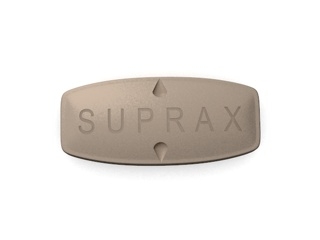

Suprax (Cefixime) — Patient Information (UK)
Suprax contains cefixime, an antibiotic from the cephalosporin group used to treat certain bacterial infections. This page explains how Suprax works, when it is typically used, how it should be taken, and important safety information to help you use it effectively and safely in the United Kingdom.
This information is designed to be patient-friendly and practical. It does not replace advice from a healthcare professional, especially if you have complex medical conditions or are taking other medicines.
Basic product information
| Feature | Details |
|---|---|
| Medicine name | Suprax |
| Active ingredient | Cefixime |
| Drug class | Cephalosporin antibiotic (3rd generation) |
| Common forms | Tablets and/or oral suspension (strengths vary by product) |
| Use in adults and children | Yes, depending on the indication and age/weight |
| How it is taken | Usually by mouth, once or twice daily depending on the condition |
How Suprax works (mechanism of action)
Cefixime works by interfering with how bacteria build their cell walls. Many bacteria need a structure called a cell wall to survive and multiply. Cefixime binds to penicillin-binding proteins (PBPs), which play a role in cell-wall construction. This weakens the bacteria’s cell wall, leading to bacterial death or preventing further growth.
Cefixime is effective against susceptible bacteria. It does not treat infections caused by viruses such as the common cold or flu. Using antibiotics only when they are likely to help helps reduce the risk of antibiotic resistance.
Pharmacokinetics: how your body handles cefixime
Pharmacokinetics describes how the body absorbs, distributes, metabolises, and eliminates a medicine. For cefixime, key points include:
- Absorption: Cefixime is absorbed from the gut after taking by mouth. Food can affect the speed of absorption, though overall absorption is generally adequate.
- Distribution: It can reach many body tissues and fluids where infections may occur. Availability at the infection site depends on the condition.
- Elimination: Cefixime is mainly cleared by the kidneys. If you have reduced kidney function, your prescriber may adjust the dose.
- Half-life (how long it lasts): Cefixime’s dosing schedule is chosen to maintain effective levels long enough to treat the infection. The exact half-life varies between people.
Typical uses and indications in the UK
Suprax (cefixime) is used for bacterial infections where the causative organisms are likely to be susceptible. Common examples include certain infections of the:
- Upper respiratory tract (selected cases)
- Lower respiratory tract (selected cases)
- Ear, nose and throat (selected cases)
- Urinary tract infections (UTIs) (selected cases)
- Other bacterial infections where cefixime is considered appropriate based on local guidance and susceptibility
In practice, what is appropriate depends on symptoms, likely bacteria, severity, previous antibiotic use, and local resistance patterns. Clinicians in the UK often follow evidence-based guidance such as those published by the National Institute for Health and Care Excellence (NICE) and local antimicrobial stewardship programmes.
When to take Suprax (timing guidance)
Follow the instructions given by your healthcare professional or those printed on the package for your specific product. General guidance:
- If prescribed once daily, take it at the same time each day.
- If prescribed twice daily, space doses evenly (for example, morning and evening).
- Finish the course unless your clinician tells you to stop. Stopping early can increase the chance that infection returns.
- If you miss a dose, take it when you remember if it is not close to the next dose. Do not take a double dose.
Food interactions: can you take Suprax with meals?
Cefixime may be taken with or without food. Food can influence the speed of absorption, but it is not usually a reason to avoid meals. Many people find taking antibiotics with food helps reduce stomach upset.
- With food: Often easier on the stomach.
- Without food: May still be acceptable for most people, depending on tolerance.
Alcohol interactions
Moderate alcohol is not typically known to directly “react” with cefixime in the same way as some other antibiotics. However, alcohol can worsen side effects such as nausea, dizziness, and diarrhoea, and it can impair your recovery by reducing sleep quality and hydration.
If you choose to drink alcohol while taking Suprax, consider:
- Keeping it light and avoiding binge drinking.
- Staying well hydrated.
- Stopping alcohol if you notice increased stomach discomfort or diarrhoea.
Medicine interactions: what to tell your clinician/pharmacist
Some medicines can alter how cefixime works or increase the risk of side effects. Tell your healthcare professional if you take:
- Medicines that affect kidney function (because cefixime is cleared via the kidneys)
- Antacids containing certain ingredients may reduce absorption depending on formulation
- Warfarin or other blood thinners (antibiotics can affect bleeding risk in some people; monitoring may be needed)
- Other antibiotics (not usually taken together unless advised)
- Probenecid (may affect kidney clearance of some antibiotics; discuss if you use it)
Also inform your clinician if you use herbal preparations and supplements, and if you have a history of allergies to antibiotics.
Dosing: typical regimens (general information)
Dosing depends on the type and severity of infection, your age, kidney function, and whether a child’s weight has been considered. Below are general dosing patterns commonly used for cefixime, but your exact dose should follow the instructions on your Suprax product and/or clinician guidance.
- Adults and older adolescents: dosing is commonly given as either once daily or twice daily depending on the indication.
- Children: dosing is often based on body weight and is usually adjusted for age and the specific infection.
- Kidney impairment: a dose adjustment may be required if kidney function is reduced.
Important: Do not use the information above to calculate doses yourself. Use the strength provided (mg per tablet or mg per 5 mL for suspension) and take the dose recommended on your packaging or by a healthcare professional.
Safety profile: who should be cautious?
Suprax is generally well tolerated by many people, but like all medicines it can cause side effects. Most side effects are mild and improve as your body adjusts, but some require urgent attention.
Common side effects
- Diarrhoea
- Nausea or mild stomach discomfort
- Headache
- Skin rash (may occur)
- Vaginal yeast infection (in some people taking antibiotics)
Serious side effects — seek urgent medical help
- Signs of severe allergic reaction such as swelling of the face/lips, difficulty breathing, wheezing, or collapse. Seek emergency help immediately.
- Severe or persistent diarrhoea, especially if watery or bloody, or with fever and abdominal cramps. This can rarely be due to antibiotic-associated colitis.
- Severe skin reactions such as blistering, peeling, or widespread rash with fever.
- Yellowing of the skin or eyes (jaundice) or dark urine, which may indicate liver/biliary issues.
Allergy considerations
Cefixime is a cephalosporin. If you have previously had an allergic reaction to:
- cephalosporins
- penicillins (in some cases)
you should discuss this with your pharmacist or clinician before taking Suprax. A history of serious beta-lactam allergy may require an alternative antibiotic.
Practical use tips for best results
- Take consistently: keeping doses evenly spaced helps maintain antibiotic levels.
- Hydrate: especially if you are unwell or have fever. Adequate fluid intake supports recovery.
- Manage diarrhoea carefully: if you develop mild diarrhoea, drink fluids. If diarrhoea is severe, bloody, or persistent, seek urgent advice.
- Do not stop early: even if symptoms improve, finish the planned course unless advised otherwise.
- Note improvements: many bacterial infections should start to improve within a few days. If not, contact a clinician.
- Track side effects: write down when they began and their severity, particularly if you develop a rash.
What to expect: timing of symptom improvement
Symptom response varies by infection type and severity. In many cases:
- General improvement: within 48–72 hours after starting an effective antibiotic.
- Complete recovery: may take longer depending on the infection and your health.
- If no improvement: contact a healthcare professional, as it may indicate the infection is not bacterial, the bacteria may be resistant, or a different diagnosis is needed.
Alternative options (UK context)
If cefixime is not suitable (for example, due to allergy, resistance patterns, or specific infection type), clinicians may choose different antibiotics. The most appropriate option depends on local guidelines and the suspected bacteria.
Possible alternatives in practice may include other antibiotics (for example, from different classes such as penicillins or other cephalosporins) or non-antibiotic strategies when a viral cause is likely.
For common conditions, UK prescribers frequently consider:
- Whether antibiotics are truly needed (antibiotic stewardship)
- Local antimicrobial resistance patterns
- Your allergy history
- Previous antibiotic exposure and treatment failures
- Severity, complications, and comorbidities
Always discuss alternatives with a healthcare professional to ensure the choice matches your diagnosis and risk profile.
Market and legal context for the United Kingdom
In the UK, antibiotics are regulated medicines. Products containing cefixime are subject to pharmaceutical quality standards and legal requirements. Supply and use are governed by UK medicines regulations and antimicrobial stewardship principles.
Healthcare organisations and clinicians in the UK emphasise:
- Responsible antibiotic use to help prevent antimicrobial resistance
- Guideline-based prescribing informed by conditions and local resistance
- Patient safety, including appropriate screening for allergies and kidney function
Guidance may be updated over time. Always follow the most current advice from reputable NHS sources or your local healthcare provider.
Recent guidance overview (how UK practice may guide cefixime use)
UK antimicrobial guidance often reviews:
- Whether a condition is likely bacterial or viral
- Which antibiotic class is preferred first line for particular infections
- When an antibiotic should be avoided (e.g., when self-limiting)
- How culture/susceptibility results (when available) influence choice
Cefixime may be considered in selected infections when it is likely to be effective and appropriate to the patient’s circumstances. If you are unsure why this medicine was recommended, ask your clinician or pharmacist.
Delivery and availability (UK online pharmacy)
Availability can vary by strength and formulation. When ordering online, you may be offered delivery options such as standard or tracked delivery depending on location and stock levels.
- Stock checks: the product availability shown on the website typically reflects current stock status.
- Delivery times: times vary by dispatch location and courier services.
- Packaging: medicines are usually supplied in manufacturer packaging with patient information included.
- Tracking: tracked options may be available.
If you need the oral suspension form (for example, for children), check the strength (mg per 5 mL) and ensure you have the correct measuring device as provided with the product or recommended by your pharmacist.
Storage advice
- Tablets: store at room temperature, away from moisture and direct sunlight.
- Oral suspension: follow the storage instructions exactly (including refrigeration if stated) and use within the stated shelf life after opening.
- Keep out of reach: keep all medicines out of the sight and reach of children.
Frequently Asked Questions (FAQ)
1) What is Suprax used for?
Suprax (cefixime) is used to treat certain bacterial infections. The exact indication depends on the diagnosis and whether the likely bacteria are susceptible.
2) How long will it take to work?
Many people notice improvement within 48–72 hours, but full recovery can take longer. If symptoms do not improve or worsen, contact a healthcare professional.
3) Can I take Suprax with food?
Yes, cefixime can usually be taken with or without food. Taking it with food may help reduce stomach upset.
4) Can I drink alcohol while taking Suprax?
Alcohol is not usually known to cause a direct interaction with cefixime, but it may increase side effects like nausea or diarrhoea. If you choose to drink, keep it moderate and stop if you feel unwell.
5) What if I miss a dose?
Take it as soon as you remember unless it is almost time for your next dose. Do not take a double dose to make up for a missed one.
6) Should I stop when I feel better?
Try not to stop early. Completing the full planned course helps reduce the chance of recurrence and may reduce resistance. Stop early only if you are advised to by a healthcare professional due to side effects or complications.
7) Can Suprax cause diarrhoea?
Yes. Mild diarrhoea can occur. Seek urgent medical advice if diarrhoea is severe, persistent, watery or bloody, or if you have fever and stomach cramps.
8) Who should not take Suprax?
People with a history of serious allergy to cefixime, cephalosporins, or related beta-lactam antibiotics should avoid it and discuss alternatives. If you have kidney problems, dosing may need adjustment.
9) Are there any key drug interactions?
Yes, some medicines may affect kidney clearance or bleeding risk (for example, warfarin). Always tell your pharmacist about all medicines you take, including over-the-counter and herbal products.
10) Is Suprax suitable for children?
Cefixime can be used in children for certain infections. Dosing is usually based on age and/or weight and depends on the form (suspension or tablets). Use the measuring device provided and follow the dosing instructions carefully.
11) What should I do if I get a rash?
A mild rash may occur, but any rash should be monitored. Seek urgent help if you have signs of an allergic reaction such as breathing difficulty, facial swelling, or widespread blistering/peeling.
12) When should I contact my healthcare professional?
Contact your healthcare professional if:
- Symptoms do not improve after a few days
- You develop severe diarrhoea or signs of allergy
- You experience new or worsening side effects
- You have concerns about dosing or kidney function
Final notes
Suprax (cefixime) is an antibiotic intended for bacterial infections where it is clinically appropriate. For the safest use in the UK, make sure you:
- Follow the dosing instructions closely
- Take the doses regularly at the suggested times
- Report serious symptoms promptly
- Tell your pharmacist about all medicines you are taking
If you would like, share the infection type (e.g., ear infection, sinus symptoms, urinary symptoms) and your age group (adult/child) and I can provide a general overview of what people commonly experience and what to watch for—without replacing professional advice.