


Bromocriptine (UK) — Patient-Friendly Guide
Bromocriptine is a medicine used to treat several hormone-related conditions. It works by affecting dopamine pathways in the brain and body. This page explains what bromocriptine is used for, how it works, how it behaves in the body, and how to use it safely in everyday life in the United Kingdom.
Always follow the advice given by your healthcare professional and the instructions on the medicine label. If you have any concerns (for example, side effects or missed doses), speak to a clinician or pharmacist promptly.
Quick Facts
- Medicine name: Bromocriptine
- Common uses: Hormone disorders related to high prolactin, and certain conditions involving abnormal dopamine signalling
- How it works: Dopamine receptor agonist (mainly D2)
- Typical timing: Often taken with food to reduce nausea (exact schedule depends on the condition)
- Key cautions: Low blood pressure, drowsiness, impulse control changes, and interactions with certain medicines and alcohol
Basic Product Information
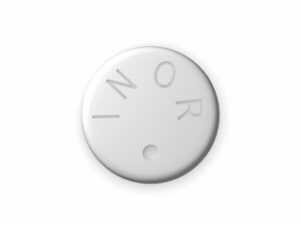
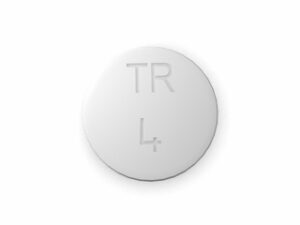
Bromocriptine belongs to a group of medicines called ergot-derived dopamine agonists. In the UK, bromocriptine is available in different brands and strengths depending on supply and licensing. It is typically taken by mouth in tablet form.
Because formulations and strengths can vary, check your specific product pack for the exact amount per tablet (for example, mg strength) and follow dosing instructions carefully.
What does bromocriptine treat?
Bromocriptine is used for a range of conditions where reducing prolactin or affecting dopamine activity is helpful. The main clinical uses include conditions related to raised prolactin levels and some neurological/endocrine conditions.
Mechanism of Action (How Bromocriptine Works)
Bromocriptine acts as a dopamine receptor agonist, meaning it mimics dopamine’s effects. Dopamine is a natural chemical messenger involved in many body processes.
- Dopamine effect in the pituitary: Bromocriptine stimulates dopamine (particularly D2) receptors in the pituitary gland.
- Lowering prolactin: This reduces the release of prolactin, a hormone involved in milk production and reproductive function.
- Broader effects: By influencing dopamine signalling, bromocriptine may also affect other hormone pathways and symptoms linked to dopamine imbalance.
The response can take time, especially in hormone-related conditions—your clinician may monitor symptoms and hormone levels over weeks to months.
Pharmacokinetics (What Happens to the Medicine in the Body)
Pharmacokinetics describes absorption, distribution, metabolism, and elimination. While individual responses vary, the following points help you understand the general pattern.
- Absorption: Bromocriptine is absorbed after oral administration. Taking it with food may reduce stomach upset in many people.
- Distribution: It distributes throughout the body and can cross into tissues where dopamine receptors are present.
- Metabolism: Bromocriptine is metabolised mainly in the liver.
- Elimination: Metabolites are cleared from the body, largely via bile and faeces.
- Half-life: The effective duration depends on the condition and dose; dosing schedules are designed to maintain symptom control while minimising side effects.
If you have liver problems or take other medicines that affect liver metabolism, your clinician may adjust your dose or monitoring plan.
Typical Uses and Indications in the UK
Indications may vary by product licence and clinical guidance. In the UK, bromocriptine is commonly used for the following types of conditions:
- Prolactin-related disorders (hyperprolactinaemia):
- Conditions where prolactin is higher than normal, which may lead to symptoms such as breast milk discharge, menstrual changes, or fertility difficulties.
- Some pituitary-related causes where prolactin-secreting tumours are involved.
- Fertility and related endocrine symptoms: In selected cases under specialist care.
- Conditions where dopamine agonist therapy is clinically appropriate: Your healthcare team will determine whether bromocriptine is suitable based on your diagnosis and medical history.
Your healthcare professional will match bromocriptine to your specific diagnosis and treatment goals. If you are unsure why you are taking it, ask your pharmacist or prescriber.
How to Take Bromocriptine: Timing and Practical Advice
The exact dose and schedule depend on your condition, your response, and tolerability. Many people are advised to start on a low dose and increase gradually to reduce side effects, particularly nausea and dizziness.
General timing guidance
- Take it at the same times each day to help keep levels steady.
- Food and nausea: Taking bromocriptine with food may improve tolerability. If your stomach feels unsettled, discuss timing with your pharmacist.
- Do not suddenly stop unless instructed. Stopping abruptly may worsen symptoms.
Practical use tips
- Start low, go slow: If you’re newly prescribed bromocriptine, nausea or light-headedness can happen at the beginning or after dose increases.
- Rise carefully: If you feel dizzy when standing, rise slowly, especially in the morning.
- Keep a symptom note: Track key symptoms (for example, headaches, menstrual changes, breast symptoms) and any side effects to discuss at follow-ups.
- Use reminders: Set a phone alarm if you struggle with regular dosing.
Dosing Information (Typical Approach)
Dosing schedules vary significantly by indication and patient factors. Your healthcare professional will prescribe a dose appropriate for you. The information below describes general dosing principles rather than a one-size-fits-all regimen.
Common dosing principles
- Individualised: Dose is tailored to diagnosis and response.
- Titration: Many people begin with a low dose and gradually increase.
- Monitoring: For prolactin-related conditions, hormone levels may be checked during treatment.
Example dosing pattern (for understanding)
Some patients take bromocriptine in divided doses (for example, morning and evening). For other conditions, different schedules may be used. Follow your local instructions for your specific product and diagnosis.
| Topic | What to expect |
|---|---|
| Starting dose | Often low to improve tolerability |
| Dose increases | May be gradual every few days/weekly depending on response |
| Number of daily doses | May be once or split across the day |
| Monitoring | Symptoms and, when relevant, prolactin levels |
If you miss a dose, do not take an extra dose to “catch up” unless instructed by your healthcare professional. Refer to the patient information leaflet in your medicine pack for specific advice.
Food Interactions (What to Know)
Bromocriptine can cause nausea and other stomach-related side effects in some people. For this reason, many patients find it easier to take it with food.
- Take with meals if advised: This may reduce nausea and improve comfort.
- Keep a consistent routine: If you normally take it with food, try not to change abruptly.
- Alcohol can worsen side effects: See the alcohol section below.
If you have severe vomiting or ongoing stomach upset, contact your pharmacist or prescriber for advice on timing, dose adjustments, or anti-nausea options.
Alcohol and Medicine Interactions
Alcohol
Alcohol can increase side effects such as dizziness, drowsiness, and low blood pressure. It may also affect judgement and increase the risk of accidental injury.
- Recommendation: Consider avoiding alcohol or keeping it minimal, especially at the start of treatment or after dose increases.
- Be extra cautious: If you feel light-headed or unusually sleepy, avoid alcohol until you have discussed this with a healthcare professional.
Other medicine interactions
Some medicines can change how bromocriptine is processed in the body or increase side effects. Tell your pharmacist about all current medicines, including over-the-counter products and herbal remedies.
- Medicines that lower blood pressure: may increase the risk of low blood pressure symptoms.
- Medicines that cause drowsiness: may increase sleepiness or dizziness.
- Some antibiotics and antifungals: can affect liver enzymes involved in drug metabolism.
- Strong CYP-related inhibitors/inducers: metabolism may change, requiring monitoring or dose adjustment.
- Antipsychotics: may have effects that oppose dopamine agonist activity. This depends on the specific drug—ask your pharmacist.
Because interaction risk is individual, your pharmacist can help check your specific medicines and provide safer scheduling advice.
Safety Profile: Common and Serious Side Effects
Like all medicines, bromocriptine can cause side effects. Many are dose-related and improve after dose adjustments or after your body adapts. However, some effects can be serious and need prompt medical attention.
Common side effects
- Nausea and sometimes vomiting
- Dizziness or light-headedness
- Headache
- Tiredness or sleepiness
- Low blood pressure symptoms, especially when standing
- Stomach discomfort
Potentially serious side effects (seek urgent help)
Contact urgent medical services or seek immediate medical attention if you experience:
- Fainting or severe dizziness
- Chest pain, severe shortness of breath, or symptoms of a serious cardiovascular problem
- Severe allergic reaction (for example, swelling of the face/lips, trouble breathing)
- Uncontrolled movements or sudden severe worsening of symptoms
- High fever, confusion, or severe illness
Impulse control and unusual behaviour
Dopamine agonists (including bromocriptine) can rarely be associated with impulse-control problems such as gambling urges, increased libido, compulsive shopping, or binge eating. These can occur even if you don’t usually have such behaviours.
- Tell a clinician promptly if you or those close to you notice unusual changes in behaviour or urges.
- Do not ignore concerns—early adjustment can help.
Driving and operating machinery
Bromocriptine can cause sleepiness or dizziness in some people. If you feel drowsy or unusually alert against your normal pattern, avoid driving and using machinery until it is safe.
Safety for Special Circumstances
- Low blood pressure risk: If you have a history of fainting, dehydration, or blood pressure problems, discuss this with your pharmacist.
- Liver impairment: Liver issues may require extra caution and monitoring.
- Psychiatric history: Any history of psychosis or severe mental health conditions should be discussed with your healthcare professional.
- Pregnancy and breastfeeding: If you are planning a pregnancy, already pregnant, or breastfeeding, talk to your prescriber about risks and benefits.
Practical Use Tips (Making Treatment Easier)
- Manage nausea: Take with food if advised, consider smaller meals, and stay well hydrated.
- Reduce dizziness: Stand up slowly; avoid sudden position changes.
- Consistency matters: Take doses at consistent times daily.
- Report behavioural changes: Early discussion is important for impulse-control side effects.
- Keep follow-up appointments: If your treatment involves prolactin levels or symptoms linked to hormone balance, monitoring helps confirm effectiveness.
If side effects become difficult to manage, your clinician may adjust the dose, timing, or consider alternatives.
Alternative Options
Depending on why you are taking bromocriptine, alternatives may include other dopamine agonists or different medicines tailored to your diagnosis.
Possible alternatives (discuss with your clinician)
- Other dopamine agonists: Some conditions may be treated with similar medicines that act on dopamine receptors.
- Non-dopamine options: Depending on the cause (for example, hormone-related conditions), different classes may be considered.
- Specialist-led options: For certain prolactin-secreting tumours, specialist monitoring and other interventions may be discussed.
Your best alternative depends on your diagnosis, your medical history, your response to bromocriptine, and tolerability.
Market and Legal Context in the United Kingdom
In the UK, medicines are supplied under specific regulatory frameworks. The availability of bromocriptine online may depend on licensing, classification, and pharmacy supply rules, including how patient eligibility is assessed and recorded.
Medicines are regulated by the UK’s medicines authority and are dispensed through authorised channels. Requirements can change over time, and online pharmacy services follow local regulatory standards.
If you’re ordering via an online pharmacy, you may be asked to confirm key health information to help ensure safe supply and correct usage guidance.
Recent Guidance and Ongoing Precautions (UK Context)
Clinical practice evolves as new safety information emerges and as prescribers update protocols. For dopamine agonists like bromocriptine, key ongoing areas of focus include:
- Recognising and managing impulse-control changes
- Monitoring blood pressure symptoms and dizziness
- Reviewing interactions with medicines that affect liver metabolism or cause sedation
- Individualising dose titration to improve tolerability
To stay safe, always keep your pharmacist informed about any new medicines and report side effects early.
Delivery and Availability (Online Pharmacy)
Availability can vary based on stock levels and product brand. When bromocriptine is in stock, delivery times may vary depending on the courier service and your location.
- Check stock status on the product page before placing an order.
- Delivery times: Many UK deliveries are made within 1–3 working days, depending on service type.
- Cold chain: Bromocriptine tablets do not generally require cold storage, but always follow storage instructions on the pack.
- Track your order: If available, use tracking links provided by the pharmacy.
If you urgently need your medicine and delivery is delayed, contact the pharmacy. They may advise on interim steps or alternative supply options where appropriate.
FAQ: Bromocriptine
1) How long does bromocriptine take to work?
Some people notice symptom improvement within days, while hormone-related changes may take longer. Your clinician may monitor prolactin levels or symptom trends over time to judge effectiveness.
2) Should I take bromocriptine with food?
Many people find it easier to tolerate bromocriptine with meals. Follow the specific advice from your prescriber or pharmacist for your condition and dose.
3) Can I drink alcohol while taking bromocriptine?
Alcohol can worsen dizziness and drowsiness and may increase the risk of low blood pressure symptoms. It’s usually safest to avoid or limit alcohol, especially when you first start or after dose increases.
4) What should I do if I miss a dose?
Refer to your leaflet for the exact approach. In general, if you realise soon after missing it, you may take it if it’s close to the scheduled time—but do not double up unless specifically instructed.
5) Are there any medicines I should avoid?
Interaction risk depends on your current medicines. Tell your pharmacist about everything you take, including over-the-counter products and herbal supplements. They can check for specific issues.
6) Why do I feel dizzy after taking bromocriptine?
Bromocriptine can lower blood pressure or affect the nervous system, especially when starting treatment or increasing the dose. Standing up slowly and taking with food may help. Contact a pharmacist if dizziness is persistent or severe.
7) Can bromocriptine cause drowsiness?
Yes. Some people feel tired or sleepy. Avoid driving or dangerous activities if you feel drowsy or light-headed.
8) What if I notice unusual urges or behaviours?
Dopamine agonists can rarely be associated with impulse-control issues. If you or others notice gambling urges, compulsive behaviours, or changes in libido, contact your healthcare professional promptly.
9) Is bromocriptine suitable for everyone?
Not necessarily. Suitability depends on your diagnosis, other medical conditions (such as blood pressure issues or liver problems), and other medicines you take. Your pharmacist can support safe use by checking key information.
10) How should I store bromocriptine tablets?
Store the tablets according to the instructions on the pack (usually at room temperature, protected from moisture). Keep out of sight and reach of children.
When to Seek Advice
If you experience troubling side effects, worsening symptoms, or any signs of serious problems, seek medical advice without delay. When in doubt, contact a pharmacist—early guidance can often prevent complications and improve tolerability.
This guide is intended to help you understand bromocriptine better. For personalised information about your dose, timing, and safety in your own situation, always follow advice from your healthcare team.