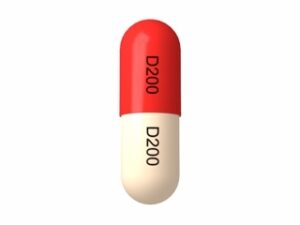
Cyklokapron (Tranexamic acid) – Patient Guide
Cyklokapron contains tranexamic acid, a medicine used to help control excessive bleeding in specific situations. It works by supporting the body’s normal clotting system so that blood clots can form and stay in place where needed. This guide explains what Cyklokapron is, how it works, how it is used, what to expect, and important safety information for people in the United Kingdom.
Always read the patient information leaflet supplied with your medicine and follow the instructions given by your healthcare professional.
Key product information
| Information | Details |
|---|---|
| Active ingredient | Tranexamic acid |
| Brand name | Cyklokapron |
| Medicine type | Anti-fibrinolytic (helps prevent premature clot breakdown) |
| Common uses (examples) | Heavy menstrual bleeding (in some cases), dental/surgical bleeding, bleeding after certain injuries or procedures (as clinically appropriate) |
| How it is taken | Usually by mouth (tablet forms; exact product presentation may vary) |
| Availability in the UK | May be supplied via healthcare services/pharmacies depending on indication and local prescribing pathways |
How Cyklokapron works (mechanism of action)
After a blood vessel is injured, the body forms a clot using platelets and fibrin. However, once the repair is underway, the body also uses natural processes to break down the clot (fibrinolysis). In some situations, fibrinolysis is too strong or occurs at the wrong time, causing bleeding to continue.
Tranexamic acid helps by blocking the interaction between plasminogen and plasmin, enzymes involved in clot breakdown. This reduces fibrinolysis, helping clots remain stable longer and supporting control of bleeding.
In simple terms: Cyklokapron helps the body keep clots from breaking down too quickly, which can reduce or prevent ongoing bleeding.
Pharmacokinetics (what the body does to the medicine)
Pharmacokinetics describes how the body absorbs, distributes, metabolises and eliminates a medicine.
- Absorption: Tranexamic acid is absorbed after oral dosing. Peak levels are reached within a few hours (timing can vary between individuals).
- Distribution: It distributes into body tissues and may reach sites relevant to bleeding control.
- Metabolism: Tranexamic acid is not extensively metabolised.
- Elimination: It is mainly excreted by the kidneys. This means kidney function can influence how long the medicine stays in the body.
Because elimination is largely renal, dose adjustments may be needed in people with reduced kidney function and kidney function may be assessed where appropriate.
Typical uses and indications
Cyklokapron is used in situations where reducing excessive bleeding is important. In the UK, its use is guided by clinical need and local pathways. Common indications include:
1) Heavy menstrual bleeding (HMB)
Tranexamic acid can be used to reduce heavy menstrual bleeding for some people. It helps by reducing breakdown of fibrin within the uterine lining, which can reduce the volume of menstrual blood loss.
2) Bleeding during or after procedures
It may be used to help control bleeding in certain surgical or dental contexts, for example when there is a risk of persistent bleeding.
3) Other bleeding conditions (specialist-led)
Some bleeding disorders and specific clinical circumstances may require anti-fibrinolytic treatment. Use should be based on clinical assessment, diagnosis, and an individual risk–benefit discussion.
Important note: Tranexamic acid is not used to treat all types of bleeding. If you have unusual bleeding, severe pain, or symptoms that could indicate a serious condition, seek medical advice promptly.
How to take Cyklokapron (dosing and timing)
Dosing depends on the reason you are taking Cyklokapron, your kidney function, and other medicines you use. Always follow the specific instructions provided for your situation.
General timing principles
- Take it regularly: For ongoing bleeding control (such as heavy menstrual bleeding), dosing is usually repeated across a set number of days.
- Keep to the schedule: If doses are missed, do not double up unless told to do so by a healthcare professional.
- Duration matters: Anti-fibrinolytic benefit depends on dosing during the bleeding period.
Example dosing for heavy menstrual bleeding (HMB)
In many UK clinical settings, tranexamic acid for HMB is taken during menstruation for a limited number of days (often up to the days of the period) with dosing spaced through the day. Exact dose may vary by product strength and individual factors.
Because products and instructions differ: use the dosing schedule written on your medicine label and the leaflet for your exact product.
Dosing considerations
- Kidney problems: may require dose reduction or avoiding certain dosing schedules.
- Thromboembolic risk: people at higher risk of blood clots may need extra caution.
- Body weight: dosing is usually standard, but clinicians may consider individual factors.
- Age: older adults may have different kidney clearance and may need careful monitoring.
When to take it: practical timing guidance
Aim to take doses at roughly even intervals. For example:
- If instructed to take two or three times daily, try to space doses across the day (morning/afternoon/evening), rather than clustering them.
- If you are using it for menstrual bleeding, start at the beginning of your period or as advised, and continue only for the recommended number of days.
- If used around a procedure, follow the timing instructions for that specific event.
Missed dose: If you miss a dose, take it as soon as you remember unless it is close to the time of the next dose. Do not take extra to make up for a missed dose unless advised.
Food interactions: can you take Cyklokapron with meals?
In general, tranexamic acid can be taken with or without food. If it upsets your stomach, taking it with a meal or snack may improve comfort.
- With food: may help reduce nausea or stomach discomfort for some people.
- Without food: may still be appropriate if you tolerate it well.
Consistency helps: try to take each dose in a similar way (e.g., always with food) unless your clinician instructs otherwise.
Alcohol interactions
There is no well-established direct interaction between tranexamic acid and typical amounts of alcohol. However, alcohol can worsen certain symptoms (such as heavy bleeding in some people), increase stomach irritation, and affect clotting risk indirectly in some situations.
If you choose to drink alcohol while taking Cyklokapron, consider the following:
- Keep alcohol intake moderate.
- Stop drinking if you feel unwell, dizzy, or your symptoms worsen.
- Avoid heavy drinking, especially if you have a bleeding condition or other health risk factors.
If you’re unsure whether alcohol is safe for you personally, ask your healthcare professional or pharmacist.
Medicine interactions (other important medicines and supplements)
Always tell your pharmacist or healthcare professional about all medicines you use, including over-the-counter products, herbal remedies, and supplements.
Notable interaction concerns
- Hormonal contraceptives and oestrogen-containing medicines: These can increase the risk of blood clots in some people. Combining with tranexamic acid may increase risk, especially if you already have clot risk factors. A clinician will weigh benefits and risks.
- Anti-fibrinolytic agents: Combining with other medicines that affect clot breakdown may not be appropriate.
- Anticoagulants (blood thinners): The relationship between tranexamic acid and anticoagulants depends on the condition being treated and should be assessed clinically.
- “Factor” clotting products: In some contexts, combining with clot-promoting treatments may increase thrombotic risk.
- Medicines affecting the kidneys: Because tranexamic acid is cleared by the kidneys, other medicines that significantly affect renal function may require monitoring.
Tell your pharmacist if you use
- Any combined oral contraceptive pill or hormone replacement therapy
- Medicines for blood clots or clotting disorders
- Iron supplements or medicines for anaemia (these may be used alongside bleeding control in some cases)
- Any medicines you’re taking for kidney disease
Safety profile: who should take extra care?
Like all medicines, Cyklokapron can cause side effects. Most people tolerate it well when used correctly, but it is important to understand risks—particularly the risk of blood clots in certain people.
Potential side effects
- Common/possible: nausea, stomach discomfort, diarrhoea, dizziness, headache.
- Less common but important: visual disturbances, allergic reactions.
- Serious: symptoms that may suggest a blood clot (thrombosis) or other complications.
Seek urgent medical help if you develop symptoms of a clot
If you experience any of the following, seek urgent medical attention:
- Sudden breathlessness or chest pain
- Coughing blood
- One-sided leg swelling, pain, warmth, or redness
- Sudden severe headache, weakness or numbness on one side, or speech difficulty
Risk factors requiring careful assessment
Extra caution may be needed if you have or have had:
- Active or past blood clots (venous or arterial)
- High clot risk factors (e.g., certain genetic conditions, prolonged immobility)
- Problems with vision in the past (rarely, tranexamic acid has been associated with eye issues, particularly with prolonged use)
- Kidney impairment
- Irregular or very heavy bleeding where the underlying cause has not been assessed
Who may not be suitable
Some conditions may make tranexamic acid unsuitable. A clinician or pharmacist should confirm suitability before use—particularly if you have known clotting disorders, a history of thromboembolism, or significant kidney problems.
Practical tips for safe use
- Track your bleeding: If you’re using it for heavy menstrual bleeding, consider keeping a simple diary of period days and perceived heaviness to discuss with your clinician.
- Know your stop-and-seek signs: Have a plan for when to seek urgent help (e.g., chest pain, one-sided leg swelling, sudden breathing problems).
- Check your kidney health: If you have kidney disease, ask about whether you need dose adjustment.
- Avoid missing doses: Set reminders to keep dosing intervals steady.
- Don’t combine without advice: Avoid taking other medicines that affect clotting or bleeding unless advised.
- Review ongoing need: If bleeding continues or worsens, seek assessment to rule out underlying causes.
Alternative options for excessive bleeding
Alternatives depend on the underlying cause and the type of bleeding. Some common options include:
For heavy menstrual bleeding
- Non-steroidal anti-inflammatory drugs (NSAIDs) (may reduce bleeding and pain for some people).
- Hormonal treatments (e.g., progestogens or levonorgestrel-releasing intrauterine systems), depending on suitability.
- Iron supplementation if you have anaemia due to heavy blood loss.
- Investigation and treating the cause (e.g., fibroids, polyps, bleeding disorders), which may involve referral to gynaecology or haematology.
For bleeding around procedures
- Local measures such as pressure, topical agents, and procedure-specific protocols.
- Other clinician-directed systemic medicines depending on the bleeding risk.
Your healthcare professional can guide which option is best for your situation.
Cyklokapron in the UK: market and legal context
In the United Kingdom, medicines are regulated by the Medicines and Healthcare products Regulatory Agency (MHRA). Tranexamic acid products such as Cyklokapron may be supplied through healthcare services in line with the relevant legal classification, clinical indication, and local guidance.
Availability can depend on:
- the specific formulation/strength
- the clinical indication
- the prescribing or supply route used in your area
- stock levels and pharmacy ordering systems
If you’re using this medicine for heavy menstrual bleeding, the appropriate plan in the UK is often discussed as part of a structured care pathway that may include assessment for anaemia and underlying causes of abnormal uterine bleeding.
Recent guidance (UK context)
Clinical practice in the UK commonly focuses on:
- confirming the cause of excessive bleeding
- assessing severity, anaemia risk, and clotting risk
- using evidence-based options and reviewing response
- referring appropriately for persistent or unexplained abnormal uterine bleeding
For heavy menstrual bleeding, tranexamic acid has a recognised role as a non-hormonal option in appropriate patients. Ongoing changes in recommendations are periodically reflected in national guidance, including updates to womens’ health and prescribing practice. Your clinician can confirm the most current approach for your individual circumstances.
Delivery and availability (online pharmacy notes)
Availability of Cyklokapron in the UK depends on stock and the supply pathway used. When ordering from an online pharmacy, you may be able to:
- choose standard or expedited delivery options where available
- receive tracking information after dispatch (when offered)
- receive packaging designed to protect tablets and maintain quality
Typical delivery times can vary by location and supplier. If you need the medicine for a specific time period (e.g., starting of a period or around a procedure), order early to allow for processing and dispatch.
Storage: Store your tablets at room temperature in a dry place, away from direct sunlight, and keep them out of reach of children. Follow the storage instructions on your packaging.
Cyklokapron FAQ
Is Cyklokapron the same as tranexamic acid?
Yes. Cyklokapron is a brand name for tranexamic acid, the active ingredient.
What is Cyklokapron used for?
It is used to help reduce excessive bleeding in certain situations, including (depending on clinical assessment) heavy menstrual bleeding and bleeding around procedures. The exact indication depends on your diagnosis and risk factors.
When will I notice it working?
For bleeding control, effects occur during the period of use. If you are taking it for heavy menstrual bleeding, you may notice reduced blood loss over the days you take it. If bleeding does not improve, or you experience worsening symptoms, seek medical advice.
Can I take Cyklokapron with food?
Usually yes. Taking it with a meal may help if it upsets your stomach. Always follow the patient leaflet and instructions on your medicine label.
Can I drink alcohol while taking it?
Moderate alcohol is not known to have a direct interaction with tranexamic acid for most people, but alcohol can affect how you feel and may influence bleeding or stomach comfort. Avoid heavy drinking and seek advice if you’re unsure.
Who should not take tranexamic acid (Cyklokapron)?
People with certain clotting or kidney problems, or those at high risk of thromboembolism, may need to avoid it or use it with extra caution. Check suitability with a clinician or pharmacist, especially if you have a history of blood clots or kidney disease.
What if I miss a dose?
Take it when you remember unless it is close to your next scheduled dose. Do not take double doses to make up for a missed tablet unless instructed.
Are there long-term concerns?
Long-term or frequent use may require monitoring, particularly for people who use it repeatedly. If your bleeding is ongoing, it’s important to have the underlying cause assessed and reviewed rather than using the medicine alone.
What should I do if I get side effects?
Mild side effects like stomach upset may settle. However, if you experience allergic symptoms (e.g., rash, swelling, breathing difficulties), visual disturbances, or any signs that could suggest a clot (e.g., chest pain, shortness of breath, one-sided leg swelling), seek urgent medical attention.
What are good alternatives to Cyklokapron?
Alternatives depend on your condition. For heavy menstrual bleeding, options may include NSAIDs, hormonal treatments, and iron supplementation if anaemia is present. For procedure-related bleeding, local measures and clinician-directed options may apply.
Summary
Cyklokapron (tranexamic acid) helps control excessive bleeding by reducing clot breakdown. It may be used for specific bleeding conditions, including some cases of heavy menstrual bleeding, and for bleeding around certain procedures. Because tranexamic acid is cleared by the kidneys and may be unsuitable for people at higher risk of blood clots, it’s important to consider your personal medical history and other medicines. If your symptoms are severe, unusual, or not improving, seek medical advice promptly.