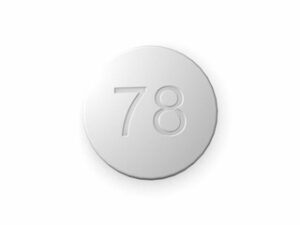

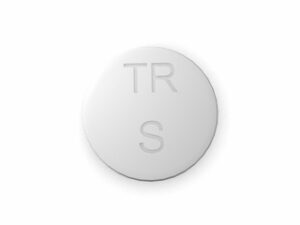

Drospirenone and Ethinyl Estradiol: Patient Information (UK)
Drospirenone and ethinyl estradiol is a combined hormonal medicine used by many people in the UK for contraception and, in some cases, for other hormone-related concerns. This page explains how the medicine works, how it is typically taken, what to expect, common safety points, and practical tips for everyday use.
Important: Always follow the advice given by your healthcare professional and the instructions in the leaflet supplied with your medicine. If you have questions about suitability for you personally, speak to a qualified clinician or pharmacist.
1. Basic product information
| Feature | What this medicine is like |
|---|---|
| Active ingredients | Drospirenone + Ethinyl estradiol (combined oral contraceptive pill) |
| Medicine type | Combined oral contraceptive (COC) |
| Common uses in the UK | Contraception; may also be considered for hormone-related skin symptoms in some products |
| Form | Tablets taken by mouth |
| Typical schedule | Daily dosing in a cycle (exact pattern depends on the product brand) |
| Who it’s for | People who are suitable candidates for combined hormonal contraception |
Different brands may have slightly different dosing schedules (for example, 21 active tablets followed by a break, or 24 active tablets followed by a short break, depending on the specific formulation). Your exact regimen should match the product you receive.
2. How it works (mechanism of action)
Drospirenone is a progestogen, a synthetic form of the hormone progesterone-like activity. Ethinyl estradiol is an oestrogen, a synthetic oestrogen. Together, they help prevent pregnancy mainly by:
- Suppressing ovulation: the ovaries are less likely to release an egg.
- Thickening cervical mucus: sperm find it harder to enter the uterus.
- Changing the endometrium: the uterine lining becomes less receptive to implantation.
Drospirenone has anti-mineralocorticoid activity (it can reduce the effect of aldosterone), which may influence water retention. It also has anti-androgen properties, which may be helpful for certain hormone-related symptoms such as acne in selected people, depending on the specific product and indication.
3. Pharmacokinetics (how the body handles it)
“Pharmacokinetics” describes what happens to the medicine in the body—how it is absorbed, processed, and eliminated. While exact values vary by person and product brand, the key concepts for this combination are:
- Absorption: both hormones are absorbed through the gastrointestinal tract after you swallow the tablet.
- Distribution: the hormones circulate in the bloodstream, bind to plasma proteins, and reach target tissues.
- Metabolism: they are mainly metabolised in the liver.
- Elimination: metabolites are eliminated largely through the urine and faeces.
Because the medicine contains two active hormones, drug levels may build over the first cycle and then reach a more steady pattern with continued correct use. Missing tablets, vomiting, or interactions with other medicines can reduce effectiveness.
4. Typical use and timing
When to start
There are different ways to start combined pills, often including “quick start” or starting at the beginning of a menstrual cycle. The correct approach depends on your circumstances (for example, whether you are switching from another contraception method, whether you have recently given birth, and your medical history).
- Cycle start: starting on the first day of bleeding can provide protection sooner.
- Switching pills: follow guidance for the specific change-over timing.
- After pregnancy/breastfeeding: timing and suitability depend on individual factors and should be discussed with a clinician.
How to take it (daily timing)
For best effectiveness, take one tablet at the same time every day. Many people find it helpful to choose a time linked to a routine, such as after breakfast or before bed.
The “tolerance” for timing varies by formulation, but general practice is to keep the dose as consistent as possible. If you miss tablets or take them late, refer to the missed-dose guidance in the leaflet and consider whether additional contraception is needed.
What happens if you have vomiting or severe diarrhoea?
Vomiting soon after taking a tablet can prevent full absorption. If you vomit shortly after a dose, you may need another tablet depending on how long after dosing the vomiting occurred. Severe diarrhoea can also affect absorption.
In these cases, follow the advice in the leaflet, and use extra contraception until you are back to reliable absorption.
5. Indications (what it is used for)
In the UK, drospirenone and ethinyl estradiol is primarily used as a combined oral contraceptive. Depending on the exact brand and licensed indications, it may also be used for hormone-related skin symptoms such as acne in selected people (where appropriate).
- Contraception: preventing pregnancy when taken correctly.
- Selected skin/hormonal concerns: some formulations may be indicated for acne or other androgen-sensitive conditions, particularly when suitable for combined hormonal contraception.
Your healthcare professional can confirm the indication and whether this specific product fits your needs.
6. Dosing (general approach)
The dosing depends on the product’s specific cycle design. Most combined pills involve taking active tablets daily for part of the cycle, then either a break or placebo/low hormone tablets for the remaining days.
- Standard dosing: typically one tablet daily.
- Cycle pattern: follow the pack instructions exactly (active vs placebo days).
- Consistency: continue daily dosing without gaps unless the pack schedule calls for them.
If you are switching from another contraceptive or are unsure about when to start, check the pack instructions and/or seek advice from a clinician or pharmacist.
7. Food interactions
For most people, food does not significantly affect how drospirenone and ethinyl estradiol work. You can generally take the tablet with or without food.
- Swallowing tip: if you have nausea, taking the tablet with a meal or at bedtime may help.
- Be cautious with significant digestive upsets: vomiting or severe diarrhoea can reduce absorption.
8. Alcohol and medicine interactions
Alcohol
Moderate alcohol intake is not typically expected to directly reduce contraceptive effectiveness. However, heavy drinking can lead to missed doses and vomiting, which can compromise reliable use.
- Aim to take your tablet at your usual time, regardless of social plans.
- If you vomit after drinking, follow the leaflet guidance for missed/affected tablets.
Interactions with other medicines
Some medicines can reduce the effectiveness of combined oral contraceptives or increase breakthrough bleeding. This can occur when medicines affect hormone metabolism (often via liver enzyme pathways).
Common categories to be aware of include:
- Anti-epileptics (some seizure medicines)
- Rifampicin/rifabutin (some antibiotics used for specific infections)
- Certain treatments for HIV or hepatitis C
- St John’s wort (a herbal remedy for mood)
- Some antifungals and other liver-metabolism affecting drugs
Always tell your pharmacist or clinician about all medicines you take, including over-the-counter products and herbal supplements. Interaction advice may differ depending on the specific product you use.
9. Safety profile and important precautions
Combined oral contraceptives can be very effective, but they are associated with specific risks. The most important safety considerations relate to blood clot risk (venous thromboembolism) and, more rarely, arterial events.
When you must seek urgent medical help
Contact emergency services or seek urgent care if you develop signs that could indicate a serious clot, such as:
- Chest pain or sudden breathlessness
- Coughing blood
- One-sided leg swelling, pain, or warmth
- Sudden weakness or numbness on one side of the body
- Sudden severe headache, vision changes, or trouble speaking
- Severe abdominal pain not explained by another cause
Conditions that may increase risk
Suitability depends on personal risk factors, including:
- Smoking (especially if you are aged 35 or over)
- High blood pressure
- History of blood clots or certain clotting disorders
- Migraine with aura
- Known clotting risk due to family history
- Major surgery or prolonged immobilisation
- Some heart valve conditions or rhythm disorders
- Diabetes with vascular complications (where applicable)
Drospirenone-specific considerations
Drospirenone has anti-mineralocorticoid effects, which can influence potassium balance. While routine monitoring is usually not required for most people, your clinician may consider your overall risk if you have conditions affecting kidney function or if you take medicines that raise potassium.
Examples of medicines that may affect potassium include certain diuretics or other agents. If you have kidney disease or take potassium-affecting medicines, discuss this before starting.
Common side effects
Many side effects improve after the first few months. Commonly reported effects can include:
- Nausea
- Breast tenderness
- Headache
- Changes in mood
- Breakthrough bleeding or spotting
- Changes in menstrual pattern (lighter bleeding is possible)
What to do if you experience new symptoms
- Unusual or heavy bleeding that persists should be assessed.
- Severe headaches, migraine changes, or visual symptoms require prompt advice.
- Any sign of a clot should be treated as urgent.
10. Practical use tips
- Use reminders: calendar alerts or phone alarms can help prevent missed doses.
- Keep the pack visible: store in a convenient place where you will remember.
- If you miss a tablet: follow the missed-dose instructions in your leaflet. Don’t “guess” because the advice depends on how many tablets were missed and where you are in the pack.
- Back-up contraception: if you have missed tablets or started late, you may need additional contraception for a period—check leaflet guidance.
- Travel: bring enough tablets for your trip and consider time zone changes. Keeping a consistent daily time may help; consult leaflet guidance if travelling long distances.
- Record symptoms: if you have side effects or breakthrough bleeding, note when they start and what you experience.
11. Alternative options
If drospirenone and ethinyl estradiol isn’t suitable for you, there are other contraceptive options available in the UK. Alternatives include:
- Other combined pills (different progestogens and oestrogen doses)
- Progestogen-only methods, such as the progestogen-only pill (POP)
- Long-acting reversible contraception (LARC):
- Implant
- Intrauterine systems (IUS)
- Intrauterine devices (IUD)
- Barrier methods (e.g., condoms) and fertility-awareness approaches
Choosing the best option depends on your preferences, medical history, bleeding pattern goals, and how you manage pill-taking reliably. A clinician can help compare risks and benefits for your situation.
12. Market and legal context for the UK
In the United Kingdom, combined oral contraceptives are prescription-only medicines in many cases. Supply is regulated, and products may be offered through various pathways including community services and pharmacy-based routes. Safety information must be provided with the medicine, and patients should have access to advice and support.
The medicines used for contraception are subject to national guidance and monitoring. In addition to routine prescribing and dispensing requirements, manufacturers and regulators provide patient information leaflets and safety communications when needed.
Recent guidance (UK context)
Guidance in the UK has continued to emphasise:
- Assessing individual clot and cardiovascular risk factors before starting combined hormonal contraception.
- Clear counselling about missed pills and drug interactions.
- Prompt evaluation of new symptoms that may indicate thrombosis or other serious adverse effects.
- Considering safer alternatives for people with higher risk profiles.
Because guidance can evolve, your pharmacist or clinician can confirm the most up-to-date advice relevant to your circumstances.
13. Delivery and availability (online pharmacy)
Availability may vary by brand and strength. When ordering from an online pharmacy in the UK, you typically receive:
- Well-packaged tablets in a tamper-evident outer pack
- Patient information leaflet inside the carton
- Delivery to your nominated address
Delivery times and costs depend on the provider and local service level. Many UK online pharmacies offer:
- Standard delivery (typically several working days)
- Express options in some areas
- Trackable delivery where supported
If you need to use the medicine without interruption, allow extra time when ordering, especially around weekends and bank holidays.
14. Storage and disposal
- Storage: keep tablets in their original packaging and store at room temperature as directed on the label.
- Keep out of sight: store where children cannot reach.
- Do not use after expiry date: check the carton and blister expiry.
- Disposal: return unused medicines to a pharmacy collection point when available; otherwise follow local guidance.
15. FAQ
How effective is drospirenone and ethinyl estradiol?
Effectiveness depends strongly on correct, consistent daily use and on how you manage missed tablets, vomiting, diarrhoea, and drug interactions. When taken correctly, combined pills are highly effective. If you are unsure after a missed dose, consult the leaflet guidance and consider additional contraception for the recommended time.
Will my periods become lighter?
Many people experience lighter bleeding and sometimes less cramping. Some may have spotting or irregular bleeding, especially in the first few months. If bleeding becomes very heavy or persistent, seek advice.
Can I start it straight away?
Some starting methods allow quicker protection, but the best approach depends on whether you are switching from another method and on timing within your menstrual cycle. Follow the instructions provided with your product and the advice from your healthcare professional.
What should I do if I forget a tablet?
The correct response depends on how many tablets you missed, how late you took one, and where you are in the pack. Always use the missed-dose section of your leaflet. If you are at risk of reduced protection, you may need additional contraception for a specific number of days.
Does it protect against sexually transmitted infections (STIs)?
No. Combined pills do not protect against STIs. Condoms may be recommended to reduce STI risk, especially if you are not in a mutually monogamous relationship.
Can I take it with other medications?
Some medicines can interfere with hormone levels and reduce effectiveness (for example, certain anti-epileptics, rifampicin-type antibiotics, some HIV/hepatitis treatments, and St John’s wort). Tell your pharmacist about everything you take so they can advise whether extra precautions are needed.
Is it safe to drink alcohol while using it?
Moderate alcohol intake is not usually a direct problem. The main concern is missing your tablet or vomiting soon after taking it. If vomiting occurs, follow leaflet advice for affected doses.
What are the warning signs that mean I should stop and get urgent help?
Seek urgent medical attention for symptoms that could indicate a serious clot (such as chest pain, sudden breathlessness, one-sided leg swelling, severe sudden headache, or weakness/numbness on one side). If you experience these, don’t wait for your next routine appointment.
Are there alternatives if I get troublesome side effects?
Yes. Some people do well with a different combined pill formulation, while others prefer progestogen-only methods or long-acting reversible contraception (like an implant or IUS/IUD). A clinician can help match the method to your health profile and preferences.
16. Summary
Drospirenone and ethinyl estradiol is a combined oral contraceptive that helps prevent pregnancy by suppressing ovulation, thickening cervical mucus, and changing the uterine lining. Like other combined pills, it requires consistent daily use and careful attention to safety considerations, especially clot risk and potential drug interactions.
If you’re considering this medicine or already taking it, the most important steps are:
- Take your tablet at the same time each day.
- Check missed-dose and interaction guidance in the leaflet.
- Seek urgent help for symptoms that could suggest a serious clot.
- Discuss your individual risk factors with a clinician or pharmacist.