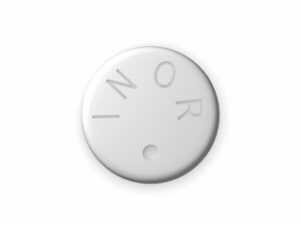

Desogen (Desogestrel / Ethinyl Estradiol) – Patient Guide
Desogen is a combined oral contraceptive pill containing two hormones: desogestrel (a progestogen) and ethinyl estradiol (an oestrogen). It is used to help prevent pregnancy and may also help make monthly bleeding more regular.
This page explains how Desogen works, how to take it safely and effectively, what to expect, and important information about interactions and side effects. It is written for people in the United Kingdom and reflects common clinical practice and regulatory expectations.
Quick Facts
- Medicine name: Desogen
- Active ingredients: Desogestrel + Ethinyl estradiol
- Type: Combined oral contraceptive (COC)
- Typical schedule: 21 active tablets followed by 7 tablet-free days (or a placebo week depending on pack format)
- Common benefits: Pregnancy prevention, more predictable periods for many users
- When it works: Depends on when you start (see “Timing” below)
Basic Product Information
What is Desogen used for?
Desogen is used as an oral contraceptive. It contains hormones that prevent ovulation and help make the cervix less receptive to sperm.
How does it come in packs?
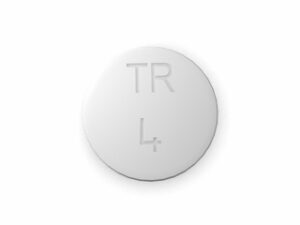
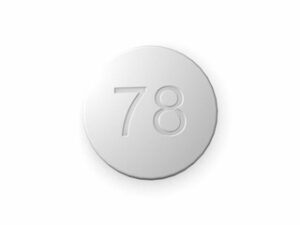
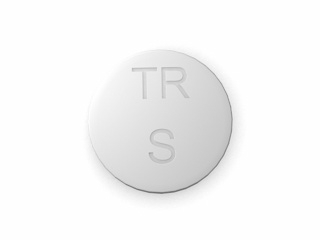
Desogen packs typically contain 21 tablets with a hormone-free interval of about 7 days. Some packs may include placebo tablets or instructions for the hormone-free week. Always follow your specific pack leaflet or the instructions provided by your pharmacy.
Who makes it?
Desogen is a branded product. The exact manufacturer may vary by supply batch and pharmacy listing, but the active ingredients remain the same.
Mechanism of Action (How Desogen Works)
Desogen works through several coordinated effects:
- Prevents ovulation: The hormones suppress the release of eggs from the ovaries.
- Thickens cervical mucus: The progestogen makes it harder for sperm to enter the uterus.
- Alters the uterine lining: Changes in the endometrium reduce the chance of implantation.
Because it works by reliably regulating hormone levels, taking it at the same time every day improves effectiveness and reduces breakthrough bleeding.
Pharmacokinetics (Absorption, Distribution, Metabolism, Elimination)
Pharmacokinetics describe how the body absorbs, processes, and clears the active ingredients.
| Aspect | What happens (overview) |
|---|---|
| Absorption | Desogestrel and ethinyl estradiol are absorbed after oral dosing. Peak blood levels typically occur within a few hours, though individual timing varies. |
| Distribution | The hormones bind to blood proteins; this affects how much is “free” and available to act in the body. |
| Metabolism | Both components are metabolised mainly in the liver. Some metabolism pathways can be influenced by other medicines (see “Interactions”). |
| Excretion | Metabolites are eliminated primarily via urine and bile/faeces. |
| Half-life (practical relevance) | Because hormone levels gradually decline and build-up patterns exist, missed pills can reduce protection—hence adherence to the schedule. |
Key takeaway: The way your body clears the hormones can be altered by enzyme-inducing medicines, which may reduce contraceptive effectiveness.
Typical Use and Who It May Suit
Desogen is designed for people who want reliable daily oral contraception. It may suit those who:
- Prefer a once-daily method
- Want potential cycle regularity benefits
- Have no contraindications to oestrogen-containing pills (see “Safety profile”)
Not suitable for everyone. Combined pills may be unsuitable if you have certain medical conditions (for example, a history of blood clots or specific migraine patterns). Your healthcare professional can help decide the most appropriate option.
Timing: When to Start and How Quickly It Works
How quickly Desogen protects against pregnancy depends on when you start.
- Starting on day 1 of your period: Protection usually begins immediately.
- Starting later in your cycle: You may need to use additional contraception for a period (often the first 7 days) until the pill has built reliable protection.
Helpful practical tip: If you are unsure when to start or how long to use extra protection, check the leaflet in your Desogen pack. In the UK, you can also speak to a pharmacist for tailored advice.
What about after a break?
During the typical 7-day hormone-free interval, you should still be protected if you have taken the active tablets correctly and you resume on time.
How to Take Desogen (Dosing and Administration)
Standard dosing
Adult dosing:
- Take one tablet daily, ideally at the same time each day.
- Common regimen: 21 active tablets, followed by a 7-day tablet-free interval (or placebo week depending on pack).
If you miss a dose
Advice on missed tablets can vary depending on how many pills were missed and when. A general approach often used for combined pills is:
- Take the most recent missed tablet as soon as you remember.
- Continue the remaining tablets at the usual time.
- Use additional contraception for a period if you missed tablets and are not protected.
Most important: Refer to the missed-pill section in your Desogen leaflet. If you have had unprotected sex or missed pills during a critical time, ask a pharmacist or healthcare professional for the most appropriate advice.
Vomiting or severe diarrhoea
If you vomit shortly after taking a tablet, it may not have been fully absorbed. The leaflet will usually advise how to treat this (often taking another tablet as soon as possible). Use extra contraception if advised.
Indications (What It Is Approved for)
In the UK, Desogen is used for:
- Contraception (to prevent pregnancy).
Some people also find combined pills help with:
- Less irregular bleeding
- More predictable withdrawal bleeds during the hormone-free interval
These additional benefits depend on the individual and are not the same as treating a medical condition.
Food Interactions (Including What You Can Eat and Drink)
Food: Food usually does not significantly affect how Desogen is absorbed. You can take the tablet with or without food.
Stomach upset: If you have vomiting or severe diarrhoea, absorption can be reduced regardless of food. See “Vomiting or severe diarrhoea” above.
Alcohol and Medicine Interactions
Alcohol
Moderate alcohol is not generally expected to directly reduce contraceptive effectiveness. However:
- Heavy drinking may lead to missed pills, which can reduce protection.
- Alcohol-related vomiting may reduce absorption.
- Alcohol may increase the likelihood of side effects such as nausea for some people.
Other medicines and interactions
Some medicines can lower the effectiveness of combined oral contraceptives by affecting hormone metabolism (particularly by inducing certain liver enzymes). This may lead to breakthrough bleeding and/or reduced contraceptive protection.
Examples of medicine groups that may interact:
- Enzyme-inducing medicines (e.g., some treatments for epilepsy, some antibiotics like rifampicin/rifabutin, and certain anti-HIV medicines)
- Some herbal products, especially St John’s wort
- Medicines that affect liver enzymes or increase hormone clearance
Important: If you start, stop, or change any medicine (including short courses), check interaction guidance in the Desogen leaflet or ask a pharmacist. You may need additional contraception during the treatment and for a period after.
Safety Profile: Key Risks and When Desogen May Not Be Suitable
Like all combined oral contraceptives, Desogen carries certain risks related to oestrogen. Most people can use it safely, but there are circumstances where it should not be used.
Blood clots (VTE) – important warning
Combined pills increase the risk of venous thromboembolism (VTE) compared with not using combined pills. The risk is still greatest during the first months of use and with certain risk factors.
- Seek urgent medical help if you develop symptoms that could indicate a blood clot, such as:
- Chest pain or sudden shortness of breath
- Coughing blood
- Severe pain/swelling in one leg
- Sudden weakness or numbness on one side of the body, trouble speaking, or vision changes
Arterial events
Oestrogen-containing pills may also increase risk of other vascular events, particularly in people with additional risk factors.
Contraindications (when Desogen may be unsuitable)
Desogen may not be appropriate if you have certain conditions. Common examples include:
- Past or current blood clots (VTE) or known clotting disorders
- Some migraine types, particularly migraine with aura
- Severe liver disease
- Unexplained vaginal bleeding
- Known or suspected pregnancy
- Breast cancer (current or past, depending on specifics)
If any of these apply, speak to a pharmacist or healthcare professional for guidance on safer alternatives.
Common side effects
Side effects may improve after the first few months as your body adjusts. Commonly reported effects include:
- Nausea
- Headache
- Breast tenderness
- Changes in bleeding pattern (spotting or breakthrough bleeding)
- Mood changes
Less common but important side effects
- High blood pressure
- Cholecystitis (gallbladder issues) in some people
- Visual disturbances (especially if severe or sudden)
Always consult a healthcare professional if symptoms are severe, unusual, or persistent.
Practical Use Tips for Better Effectiveness
- Take it at the same time daily: Consider setting a phone alarm.
- Know your start date and regimen: Use your pack instructions to avoid mistakes during the 7-day break.
- Keep a pill-free interval consistent: Resuming tablets on time helps maintain protection.
- Check interactions: If you’re prescribed or taking a new medicine, ask about contraceptive interactions.
- Manage missed pills promptly: Follow the missed-pill guidance in the leaflet.
- Use condoms as backup when needed: If you miss pills, have vomiting/diarrhoea, or start interacting medicines, consider additional protection.
- Monitor your body: If you notice warning signs of blood clots or severe side effects, seek urgent help.
Alternatives to Desogen
Depending on your preferences and medical history, you may consider other contraceptive options:
- Other combined oral contraceptives (different progestogens or oestrogen doses)
- Progestogen-only pills (no oestrogen; different timing rules)
- Long-acting reversible contraception (LARC):
- Intrauterine system (IUS) (hormonal)
- Intrauterine device (IUD) (copper)
- Implant (etonogestrel)
- Barrier methods (condoms) – also help reduce STI risk
- Emergency contraception if pills are missed or unprotected sex occurs (availability and guidance vary)
If you’re experiencing side effects on Desogen or have concerns about risk factors, a healthcare professional can help you find the most suitable alternative.
United Kingdom Market and Legal Context (What to Expect)
In the UK, combined oral contraceptives are regulated medicines and are widely available through community pharmacies and sexual health services. Supply practices may vary based on the product listing and pharmacy workflow.
Key points:
- Product information: UK medicines include a patient leaflet and are required to meet regulatory standards for safety information.
- Professional support: Pharmacists can advise on correct use, missed pills, and interaction risks.
- Ongoing guidance: National contraception services and clinical guidelines support safe prescribing and appropriate eligibility screening.
Recent Guidance and Ongoing Safety Considerations
Contraceptive practice in the UK continues to emphasise:
- Individual risk assessment for combined pill eligibility (especially clot risk)
- Awareness of drug interactions (including herbal products)
- Clear missed-pill instructions and backup contraception where needed
- Prompt recognition of warning signs of serious adverse events
Guidance can evolve. If you have questions about whether your health circumstances changed since starting Desogen (for example, new migraines, smoking status, recent surgery, or pregnancy risk), seek advice promptly.
Delivery and Availability in the United Kingdom
Availability depends on pharmacy stock levels and product supply chains. In the UK, branded contraceptives like Desogen may be supplied as standard stock items.
Delivery:
- Most online pharmacies offer tracked delivery.
- Delivery times vary by supplier and postcode area.
- Some pharmacies may dispatch orders within 24–48 hours (excluding weekends and bank holidays), depending on order cut-off times.
What to check before ordering:
- Ensure the product matches the dosage and regimen you expect.
- Check the expiry date on dispatch (if provided in your order details).
- Store tablets as directed on the pack (typically at room temperature, away from excessive heat and moisture).
If Desogen is temporarily unavailable, your pharmacy may offer a suitable alternative (same active ingredients or clinically equivalent options), depending on local supply.
FAQ (Frequently Asked Questions)
1) How effective is Desogen?
Effectiveness depends on correct daily use. When taken perfectly and on time, combined oral contraceptives are highly effective. Missing tablets or taking medicines that interact with contraceptives can reduce effectiveness. If you’re unsure after missed doses, seek advice and consider backup contraception.
2) Can I start Desogen any day?
You can often start at various times, but the level of immediate protection depends on cycle timing. The leaflet provides guidance for starting within or outside your period. If starting mid-cycle, you may need additional contraception for the first days.
3) What if I have spotting or breakthrough bleeding?
Spotting can occur during the first few months as your body adjusts. Persistent or heavy bleeding should be assessed. Use the missed-pill guidance if any doses were late or missed.
4) Do I still bleed when I’m on Desogen?
During the hormone-free interval (or placebo week), you may have a withdrawal bleed. Some people have lighter bleeding or no bleeding at that time, especially after using the pill correctly. If you miss active tablets, take them irregularly, or miss your withdrawal bleed, follow the leaflet guidance and consider a pregnancy test if appropriate.
5) Can I take Desogen with other medicines?
Some medicines can interact and reduce contraceptive effectiveness. Tell your pharmacist about all medicines and supplements (including herbal products). Special attention is needed for enzyme-inducing medicines.
6) What about antibiotics?
Most commonly used antibiotics do not significantly affect combined pill effectiveness. However, certain antibiotics (for example, rifampicin or rifabutin) can. Always check with a pharmacist when starting a course of antibiotics.
7) Can I drink alcohol while taking Desogen?
Moderate alcohol is usually fine. The main risk is that alcohol may cause missed tablets or vomiting, which can affect absorption. If vomiting occurs soon after a tablet, follow leaflet advice.
8) Is it safe to use if I smoke?
Smoking increases cardiovascular risk, and combined pills may be unsuitable depending on age and smoking amount. This is something to discuss with a healthcare professional to determine the safest contraceptive choice.
9) What should I do if I think I might be pregnant?
If you miss tablets, take them irregularly, or have concerning symptoms, consider a pregnancy test and seek advice promptly. Also consider emergency contraception guidance if recent unprotected sex occurred.
10) What are the signs I should seek urgent help?
Seek urgent medical attention for symptoms that could indicate a blood clot or stroke, such as severe leg swelling/pain, chest pain, sudden shortness of breath, severe headaches, vision changes, weakness/numbness, or trouble speaking.
Important Reminder
This guide is for general information. Always read the patient information leaflet supplied with Desogen and follow the specific instructions for your pack. If you have medical conditions, are taking other medicines, or are unsure about suitability, ask a pharmacist for advice tailored to you.