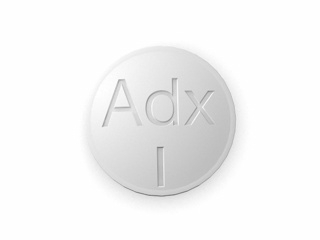


Arimidex (Anastrozole) – Patient Guide (United Kingdom)
Arimidex is the brand name of anastrozole, a medicine used to treat certain hormone-dependent cancers in postmenopausal women. This guide is written to help you understand how Arimidex works, how it is usually taken, what to expect, and what to discuss with your healthcare team. Always follow the instructions given to you by your clinician and the information on the patient information leaflet provided with your medicine.
Basic product information
| Feature | Details |
|---|---|
| Medicine name | Arimidex |
| Active ingredient | Anastrozole |
| Medicine type | Non-steroidal aromatase inhibitor (anti-hormone therapy) |
| Typical strength | Often supplied as 1 mg tablets (confirm your pack) |
| Who it is used for | Commonly postmenopausal women with hormone-receptor positive breast cancer |
| How it works | Reduces oestrogen production in the body |
How Arimidex works (mechanism of action)
Arimidex belongs to a group of medicines called aromatase inhibitors. Many breast cancers rely on oestrogen to grow and spread. In postmenopausal women, oestrogen is mainly produced by converting other hormones (such as androgens) into oestrogen using an enzyme called aromatase.
Anastrozole blocks aromatase, which lowers oestrogen levels. With less oestrogen available, hormone-receptor positive cancer cells typically grow more slowly or stop progressing.
Key point: Arimidex does not “replace” hormones; it reduces oestrogen production.
Pharmacokinetics (how the body processes it)
Understanding pharmacokinetics can help you know what to expect with daily dosing:
- Absorption: After taking a tablet, anastrozole is absorbed into the bloodstream.
- Time to peak: Peak blood levels are generally reached within a few hours after a dose.
- Distribution: It moves through the body and can reach tissues where it helps lower oestrogen production.
- Metabolism: The medicine is processed mainly in the liver.
- Elimination: It leaves the body through normal metabolic pathways (including excretion of metabolites).
- Half-life: It has a sufficiently long half-life to support once-daily dosing for many indications.
If you have liver-related conditions or take multiple medicines, your healthcare team may monitor you more closely.
Typical use in the UK
In the UK, Arimidex is commonly used for oestrogen receptor positive (ER+) and/or hormone-receptor positive breast cancer in appropriate patients, often after surgery or as part of an overall cancer treatment plan. Your care team will decide which option fits your stage of disease and treatment history.
Arimidex may be used in:
- Adjuvant (after surgery) treatment to lower the risk of cancer coming back.
- Extended adjuvant therapy for some patients after initial treatment.
- Advanced or metastatic disease when the cancer is hormone-receptor positive.
- Neoadjuvant (before surgery) in selected circumstances.
Indications (what Arimidex is used for)
Indications can vary by individual circumstances and clinical guidance. In general, anastrozole is used for:
- Early breast cancer in postmenopausal women that is hormone-receptor positive (as a treatment to reduce recurrence risk).
- Locally advanced or metastatic breast cancer in postmenopausal women that is hormone-receptor positive.
- Management of recurrent disease in appropriate hormone-receptor positive settings.
Your specialist may also consider your prior therapies, menopausal status, and test results of the cancer (such as ER status).
Dosing and timing
Typical dosing for Arimidex in adults is usually one tablet once daily (commonly 1 mg daily). However, your exact regimen may differ depending on your treatment plan.
How to take Arimidex
- Take it at the same time each day to help you remember.
- You can take it with or without food (food does not usually require special timing).
- Swallow the tablet whole with water.
Missed dose advice
If you miss a dose, take it when you remember unless it is close to the time for the next dose. Do not take double doses to make up for the missed tablet. If you are unsure, speak to your pharmacist.
Starting treatment
If you’ve recently started Arimidex, it’s normal to notice changes over the first weeks or months. Many side effects are manageable with supportive care and lifestyle measures. Report new or worsening symptoms promptly.
Food interactions
Arimidex can generally be taken with or without food. This is often helpful if you experience nausea or prefer a routine tied to meals. Nevertheless, follow your clinician’s instructions and the leaflet supplied with your medicine.
Tip: If you notice stomach discomfort, try taking it with a small snack or at a time you tolerate best.
Alcohol interactions
Alcohol does not have a specific “hard” interaction commonly highlighted for anastrozole, but alcohol can affect overall wellbeing and can worsen certain side effects such as:
- Fatigue and reduced energy
- Hot flushes or perception of flushing
- Sleep disturbance
- Liver stress if consumed heavily (especially important if you have liver-related conditions)
If you drink alcohol, consider keeping intake moderate and discuss your typical pattern with your healthcare team—particularly if you are taking other medicines that may interact with alcohol or affect the liver.
Medicine interactions (important)
Interactions can occur when medicines change each other’s effect or increase side effects. Tell your pharmacist or doctor about all medicines you take, including:
- Prescription medicines
- Over-the-counter medicines
- Herbal supplements (for example, St John’s wort)
- Vitamin and mineral products
Notable interaction considerations
- Hormone treatments: Avoid taking other hormone medicines without medical advice. For example, medicines containing oestrogen or certain hormone combinations may reduce the effectiveness of anastrozole.
- Medicines affecting liver enzymes: Because anastrozole is metabolised in the liver, medicines that strongly affect hepatic enzyme activity may influence blood levels.
- Supplements and herbal products: Some herbal products may alter drug metabolism. If you’re considering a supplement, ask a pharmacist first.
Your pharmacist can check your personal medication list for potential interactions.
Safety profile (side effects and when to seek help)
Like all medicines, Arimidex can cause side effects. Many people experience mild effects that improve over time, while others may require changes to treatment or additional supportive care. The side effects below are commonly reported. Always refer to your leaflet for the full list.
Common side effects
- Joint pain or stiffness (sometimes called “aromatase inhibitor-associated arthralgia”)
- Hot flushes
- Headache
- Fatigue
- Vaginal dryness or discomfort
- Nausea
- Swelling (for example, mild fluid retention)
Bone health and bone-related risks
Because Arimidex lowers oestrogen, it may reduce bone mineral density, increasing the risk of osteoporosis and fractures. Bone health is a key safety issue, and your clinician may arrange:
- Baseline and follow-up bone density scans
- Consideration of calcium and vitamin D
- Other bone-protecting medicines in some patients
Serious but uncommon warnings
Seek urgent medical advice if you experience signs of a serious reaction or emergency, such as:
- Swelling of the face, lips, tongue, or throat, or trouble breathing (possible allergic reaction)
- Chest pain, severe shortness of breath, or symptoms suggesting a blood clot
- Severe or persistent abdominal pain or yellowing of the eyes/skin (possible liver-related issues)
- Severe pain in the back, hip, or bone after a minor injury (possible fracture)
Long-term tolerability
If side effects affect your ability to continue treatment, speak to your healthcare team. Practical strategies can help (see tips below), and alternative medicines may be considered in certain cases.
Practical use tips
Manage joint pain and stiffness
- Gentle regular exercise (walking, stretching, physiotherapy exercises) can help.
- Warm showers, heat packs, and stretching routines may reduce discomfort.
- If pain is persistent, discuss it with your clinician. Adjustment of supportive treatments or a different anti-hormone option may be considered.
Support bone health
- Discuss bone density testing and whether you need supplements.
- Ensure adequate calcium and vitamin D intake (through diet and/or supplements if advised).
- Do weight-bearing activities as tolerated (for example, walking) and include balance exercises to reduce fall risk.
Hot flushes and comfort measures
- Dress in layers, keep your environment cool, and use fans where possible.
- Limit triggers such as very hot drinks, spicy food, and smoking.
- Some patients benefit from non-hormonal approaches—discuss options with your healthcare team.
Vaginal dryness and sexual wellbeing
- Consider non-hormonal moisturisers or lubricants if suitable.
- Report symptoms early—there are supportive options available in the UK.
Adherence and routine
- Use a daily reminder on your phone or a pill organiser.
- If you travel, bring enough tablets for your trip and keep them in original packaging.
Alternative options
Depending on your cancer type, stage, previous treatment, and personal factors, your specialist may consider other endocrine (anti-hormone) options. Common alternatives may include:
- Other aromatase inhibitors, such as letrozole or exemestane.
- Selective oestrogen receptor modulators (SERMs), such as tamoxifen in appropriate settings.
- Oestrogen receptor down-regulators (for selected patients), depending on local clinical guidance.
If Arimidex causes difficult side effects, your clinician may discuss switching to another medicine or adding supportive treatments.
Pharmacovigilance and recent guidance in the UK (overview)
Treatment decisions in the UK are guided by evidence from clinical trials and recommendations from professional bodies. Guidance is regularly updated to reflect new evidence, including:
- Selection of endocrine therapy based on oestrogen receptor status and patient risk factors
- Strategies to minimise and manage bone loss
- Considerations for duration of therapy in early breast cancer
- Managing treatment tolerability to support adherence
While this page provides general information, your oncology team will follow the most current UK recommendations relevant to your situation. If you’re unsure what you should be monitoring while taking Arimidex, ask your specialist nurse or clinician.
Market and legal context for the UK
In the United Kingdom, Arimidex is a licensed medicine and is supplied through regulated routes. Online pharmacies offering medicines in the UK must comply with relevant UK laws and pharmacy regulations, including:
- Appropriate supply chain controls
- Verification and eligibility checks where required by law
- Clear patient information, safe handling, and packaging standards
You should only purchase medicines from legitimate sources. If you have any concern about a seller or packaging, contact a pharmacist for advice.
Delivery and availability (what to expect)
Availability can vary depending on stock levels, manufacturer supply, and dispensing schedules. Typical online pharmacy processes may include:
- Standard delivery times that vary by location
- Order tracking and safe packaging to protect tablets
- Customer support if a delivery is delayed
When ordering, ensure the strength matches your usual supply (commonly 1 mg tablets) and confirm that the product name is correct. If you’re unsure, speak to a pharmacist.
Tip: Keep tablets in a cool, dry place and store according to the instructions on the pack.
FAQ about Arimidex (Anastrozole)
1) What is Arimidex used for?
Arimidex (anastrozole) is used in the treatment of hormone-receptor positive breast cancer in appropriate patients, commonly postmenopausal women. It helps reduce oestrogen levels that can feed certain types of breast cancer.
2) How long will I take Arimidex?
The duration depends on the stage of cancer and your treatment plan. Some people take it for years as part of adjuvant therapy, while others take it for advanced disease as directed by their specialist. Discuss the expected course with your clinician.
3) When should I take my dose—morning or evening?
You can usually take it at any time of day as long as you take it consistently once daily. Choose a time you can maintain. If you notice side effects at a particular time, speak to your pharmacist about adjusting the timing.
4) Can I take Arimidex with food?
Yes. Arimidex can generally be taken with or without food. If it upsets your stomach, consider taking it with a small snack.
5) Is it safe to drink alcohol while taking Arimidex?
Moderate alcohol is not usually singled out as a specific interaction. However, alcohol may worsen fatigue or other symptoms and may be unwise in high amounts—especially if you have liver concerns. Keep intake moderate and discuss with your healthcare team if you drink regularly.
6) What are the most common side effects?
Common side effects include hot flushes, joint pain or stiffness, headache, fatigue, nausea, and vaginal dryness. Many people find strategies that help improve tolerability.
7) Does Arimidex affect bone density?
Yes. By lowering oestrogen, it can reduce bone mineral density. Your clinician may arrange bone monitoring and recommend calcium/vitamin D or other bone-protecting measures when appropriate.
8) What should I do if I get severe joint pain?
Report it promptly. Some joint pain can be managed with exercise, supportive care, and pain-relief options, but severe or persistent symptoms may require a review of treatment.
9) Can I take other medicines or supplements with Arimidex?
Many products can be taken safely, but some may interact or affect effectiveness. Tell your pharmacist about all medicines and supplements—including herbal products—so they can check for interactions.
10) What if I miss a dose?
Take it when you remember unless it is close to the next dose. Do not double up. If you’re unsure, ask a pharmacist for advice.
11) Are there alternatives if Arimidex doesn’t suit me?
Depending on your situation, your specialist might consider another endocrine therapy, such as another aromatase inhibitor or a different anti-hormone option. Your care team can advise based on your cancer characteristics and side-effect profile.
Important: This information is for general guidance and does not replace the advice of a qualified healthcare professional. If you experience worrying symptoms or side effects that concern you, contact your healthcare team promptly.