
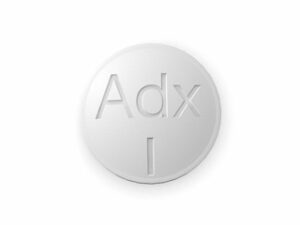
Alendronate (UK) — Patient-Friendly Guide
Alendronate is a medicine used to prevent and treat certain bone conditions, especially those related to low bone density (osteoporosis). It belongs to a group of medicines called bisphosphonates. In the UK, alendronate is widely used and available in tablet form.
This guide explains how alendronate works, how to take it safely, what to expect, key interactions (including with food and other medicines), and practical tips to help you use it correctly.
Basic product information
| Feature | Information |
|---|---|
| Generic name | Alendronic acid (commonly referred to as alendronate) |
| Medicine type | Bisphosphonate |
| Common strengths | Typically 10 mg daily or 70 mg weekly (strengths may vary by product brand) |
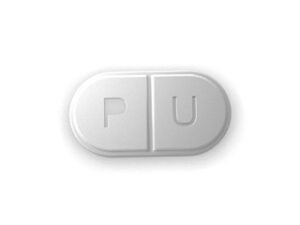
| Form | Tablets |
| Typical schedule | Daily or weekly dosing depending on the prescribed regimen |
| Who it’s used for | Postmenopausal osteoporosis; osteoporosis in men; glucocorticoid-induced osteoporosis (where indicated) |
Note: Always follow the dosing instructions on your specific product packaging and the directions given to you.
How alendronate works (mechanism of action)
Alendronate helps reduce bone breakdown.
- It binds to bone mineral, especially in areas where bone is being actively broken down.
- It slows the activity of osteoclasts (cells responsible for bone resorption).
- Over time, this helps maintain or increase bone mineral density and reduces fracture risk.
Importantly, alendronate is not a painkiller. It works gradually to strengthen bone and lower the chance of fractures over months and years.
Pharmacokinetics (how the body handles it)
Understanding pharmacokinetics can help explain why taking it correctly—especially with timing and fasting—is so important.
- Absorption: Oral absorption is relatively low (and can be significantly reduced by food, drinks (other than plain water), and certain minerals such as calcium).
- Distribution: Once absorbed, it is distributed to bone and concentrates at sites of active bone remodeling.
- Metabolism: It is not meaningfully metabolised by the liver.
- Elimination: Alendronate is excreted largely unchanged via the kidneys.
- Duration of effect: Because it binds to bone, it can remain active in the skeleton for a long time even after doses are stopped.
Typical use in the UK
In the UK, alendronate is used mainly for:
- Prevention and treatment of osteoporosis in postmenopausal women.
- Osteoporosis in men (when appropriate based on clinical assessment).
- Glucocorticoid-induced osteoporosis (long-term steroid treatment can thin bones).
Your clinician may also recommend calcium and vitamin D, depending on your diet, blood levels, and fracture risk.
Indications (when it may be prescribed)
Indications can vary by product and patient profile. Commonly, alendronate is used for:
- Postmenopausal osteoporosis (treatment and sometimes prevention in higher-risk groups).
- Osteoporosis in men with increased fracture risk.
- Glucocorticoid-induced osteoporosis in patients at increased fracture risk.
If you are unsure whether your use is for prevention or treatment, check your medicine label or speak to a healthcare professional.
Dosing and timing (daily and weekly schedules)
Alendronate is commonly taken either once daily or once weekly. The exact dose depends on the indication and the product strength.
General dosing principles
- Choose the schedule your prescription or label instructs.
- Take alendronate on an empty stomach with plain water only.
- Timing matters: allow time for absorption before eating or taking other medicines.
How to take alendronate tablets correctly
- Take your tablet in the morning (or at least after a period of fasting), with a full glass of plain water.
- Do not take it with coffee, tea, fruit juice, milk, or mineral water.
- After taking it, stay upright (sitting or standing) for at least 30 minutes.
- Do not lie down immediately after swallowing the tablet.
- Wait at least 30 minutes before eating breakfast or taking other oral medicines.
Why upright posture is important: This reduces the risk of irritation to the oesophagus (the tube from the mouth to the stomach).
Missed dose guidance (general)
Missed-dose instructions can depend on whether your regimen is daily or weekly. In general:
- If you miss a weekly dose, take it when you remember, unless it is close to your next scheduled dose.
- Then resume your original schedule.
- Do not take a double dose to make up for the missed one.
Always check your patient information leaflet (PIL) for the precise missed-dose instructions for your specific product.
Food interactions and fasting requirements
Food can greatly reduce how well alendronate is absorbed. For this reason, dietary timing is a key part of safe use.
What to avoid around your dose
- Do not take alendronate with food. Eat only after the recommended waiting time.
- Avoid drinks other than plain water when taking the tablet.
- Keep spacing from supplements containing minerals, particularly:
- calcium
- magnesium
- iron
- zinc
Practical tip
Many people find it easiest to take alendronate first thing in the morning. If you work shifts or struggle with mornings, ask your pharmacist for advice on timing that still meets the fasting and upright requirements.
Alcohol interactions
Alcohol is not known to have a direct chemical interaction with alendronate in the way some medicines do. However, there are practical considerations:
- Stomach irritation: Both alcohol and alendronate can irritate the upper gastrointestinal tract in some people. Keep alcohol moderate, especially if you have symptoms like reflux or heartburn.
- Risk factors for falls: Frequent alcohol consumption can increase fall risk, which may counteract the fracture risk reduction benefit.
- Vitamin D and nutrition: Heavy alcohol intake can contribute to poor nutrition, potentially affecting bone health.
If you drink alcohol regularly or have a history of reflux, ulcers, or stomach irritation, discuss this with a healthcare professional.
Medicine interactions (important)
Certain medicines and supplements may interfere with alendronate absorption or increase side effects. Always inform your pharmacist or clinician about all medicines you take, including over-the-counter products.
Common interaction categories
- Calcium, iron, magnesium, and other mineral supplements: can reduce absorption. Keep these separated by the recommended fasting interval after your alendronate dose.
- Other oral medicines: may also compete for absorption and increase irritation if taken at the same time.
- Non-steroidal anti-inflammatory drugs (NSAIDs) (e.g., ibuprofen, naproxen):
- NSAIDs can irritate the stomach and may increase the risk of gastrointestinal discomfort when combined with medicines that can also irritate the oesophagus.
- Do not change NSAID use without medical advice.
- Medicines affecting the kidneys: alendronate is cleared by the kidneys. If you have reduced kidney function, your prescriber may adjust or avoid alendronate depending on safety thresholds.
Medical conditions that increase caution
- Oesophageal disorders (e.g., narrowing/strictures) or difficulty swallowing
- Severe reflux or oesophagitis
- Low calcium levels (hypocalcaemia) before starting treatment
- Reduced kidney function
If any of these apply to you, it’s especially important to follow administration instructions closely and seek professional advice.
Safety profile: side effects and when to seek help
Like all medicines, alendronate can cause side effects. Many are mild, but some require prompt medical attention.
Common side effects
- Indigestion
- Heartburn or reflux
- Stomach pain or discomfort
- Nausea
- Headache (in some patients)
- Muscle/joint pains (can occur, particularly after starting)
Serious but uncommon risks
These risks are uncommon, but it is important to know about them.
-
Oesophageal irritation: symptoms may include pain when swallowing, difficulty swallowing, new or worsening chest pain, or persistent heartburn.
- Seek medical advice promptly if these occur.
-
Hypocalcaemia: may present as tingling around the mouth or in the fingers, muscle cramps, or spasms.
- Confirm calcium and vitamin D status with your healthcare team if you’re at risk.
-
Osteonecrosis of the jaw (ONJ): a rare condition mainly associated with certain bone-strengthening medicines.
- Seek dental assessment if you develop jaw pain, swelling, loose teeth, or delayed healing after dental work.
- Tell your dentist you are taking alendronate.
-
Atypical femoral fractures: rare fractures can occur with long-term bisphosphonate use.
- Report persistent thigh, hip, or groin pain to a clinician for evaluation.
Urgent help: If you develop severe chest pain, significant difficulty swallowing, vomiting blood, or black/tarry stools, seek urgent medical attention.
Practical use tips to get the best results
- Stick to the method: plain water only, empty stomach, and stay upright after taking.
- Use a “routine anchor”: for example, after brushing teeth in the morning, take it before breakfast.
- Don’t take with other supplements at the same time: separate calcium/iron/magnesium and other tablets as advised.
- Hydrate: take with enough water to help swallowing.
- Watch your reflux symptoms: if heartburn gets worse, speak to your pharmacist or clinician—your dose timing or treatment plan may need review.
- Keep up with bone-healthy lifestyle steps: regular weight-bearing exercise (as tolerated), adequate protein, and avoiding smoking.
- Follow follow-up plans: clinicians often review response and fracture risk over time.
What to expect during treatment
Bone changes take time. Many people will not feel immediate benefits, but successful treatment can:
- slow bone loss
- increase bone mineral density
- reduce the risk of hip and other fractures
Some clinicians monitor bone density with DEXA scans and may review risk factors periodically.
Alternative options (other treatments for osteoporosis)
If alendronate is not suitable due to side effects, swallowing difficulties, kidney function concerns, or preference, there are alternative options. Your clinician can advise based on your risk profile.
Other bisphosphonates
- Risedronate (daily or weekly regimens)
- Ibandronate (tablet monthly or injection options)
- Zoledronic acid (typically an infusion schedule)
Non-bisphosphonate options
- Denosumab (injection schedule; requires ongoing planning)
- Teriparatide and other anabolic treatments (for selected patients)
- Romosozumab (for selected patients, with specific safety considerations)
Switching medicines may require careful timing to maintain benefits and minimise risks. Always get advice before stopping or changing treatment.
Market and legal context in the UK
In the United Kingdom, medicines are regulated by the Medicines and Healthcare products Regulatory Agency (MHRA). Alendronate products have UK marketing authorisations and are supplied through licensed channels.
Bone health treatments, including bisphosphonates, are commonly used within NHS care pathways for osteoporosis assessment and management, alongside lifestyle and fracture risk reduction strategies.
Important: Advice on suitability depends on individual health factors such as age, fracture history, kidney function, swallowing ability, and concurrent medicines.
Recent guidance and clinical considerations (UK)
Osteoporosis management guidance evolves over time. In recent years, UK practice has increasingly emphasised:
- Assessing fracture risk using clinical tools and patient history.
- Ensuring adequate calcium and vitamin D intake where appropriate.
- Reviewing treatment after a period (often referred to as “drug holiday” concepts for some bisphosphonates) based on ongoing risk.
- Awareness of rare adverse effects such as osteonecrosis of the jaw and atypical femoral fractures.
- Dental precautions for patients undergoing invasive dental procedures.
Your clinician may also tailor follow-up intervals and bone density monitoring based on your response and risk level.
Delivery and availability (online pharmacy)
Alendronate may be available through reputable UK online pharmacies depending on stock, strength, and your chosen delivery option. Delivery times vary by supplier and location within the UK.
When ordering online, ensure:
- you select the correct strength and dosing frequency (e.g., daily or weekly)
- the product matches what you previously used (unless you were advised to change)
- you check the packaging details and expiry date
Storage: Keep tablets in their original packaging, protected from moisture and out of reach of children. Follow storage instructions on the box.
FAQ
1) What is alendronate used for?
Alendronate is used to treat and/or prevent osteoporosis by slowing bone breakdown. It helps reduce fracture risk in suitable patients (commonly postmenopausal osteoporosis, osteoporosis in men, and glucocorticoid-induced osteoporosis depending on indication).
2) How do I take alendronate?
Take it on an empty stomach with plain water only, and remain upright for at least 30 minutes. Wait at least 30 minutes before eating or taking other oral medicines.
3) Can I take it with food or tea?
No. Food and many drinks can reduce absorption. Take it with plain water only, and avoid food for the recommended waiting time.
4) What should I do if I miss a dose?
Missed-dose advice depends on whether you take it daily or weekly and on your specific product instructions. In general, do not take a double dose. Check the patient leaflet or ask a pharmacist for guidance specific to your regimen.
5) Can I drink alcohol while on alendronate?
Alcohol does not typically have a direct interaction, but it may worsen stomach irritation or reflux in some people and can increase fall risk. Keep alcohol moderate and seek advice if you experience digestive symptoms.
6) Does alendronate affect the kidneys?
Alendronate is eliminated through the kidneys. If you have kidney problems, your clinician may adjust the plan or avoid use depending on the severity.
7) What side effects should I watch for?
Common effects include indigestion, reflux/heartburn, and abdominal discomfort. Seek prompt medical advice if you develop symptoms suggesting oesophageal irritation (e.g., painful swallowing, worsening chest pain, persistent trouble swallowing).
8) Is it safe for long-term use?
Many patients use bisphosphonates for extended periods under clinical review. Your clinician may periodically reassess fracture risk and the balance of benefits and risks. Report new thigh/hip/groin pain or jaw problems promptly.
9) Do I need calcium and vitamin D?
Many people are advised to ensure adequate calcium and vitamin D intake during osteoporosis treatment, but whether you need supplements depends on diet and medical factors. Ask your pharmacist or clinician for personalised advice.
10) Are there alternatives if I can’t tolerate alendronate?
Yes. Alternatives include other bisphosphonates and non-bisphosphonate options such as denosumab or anabolic therapies, depending on your condition and risk profile.
Always read the patient information leaflet (PIL) provided with your medicine. If you have specific concerns (such as swallowing difficulties, reflux, or kidney issues), discuss them with a healthcare professional.