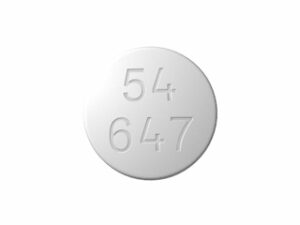

Conjugated Estrogens (Hormone Replacement Therapy) – Patient Information (UK)
Conjugated estrogens are medicines that contain a mixture of naturally occurring oestrogen hormones, used to relieve symptoms of low oestrogen levels in certain people. In the UK, these medicines are commonly prescribed as part of hormone replacement therapy (HRT) for menopause-related symptoms, and in some other oestrogen-responsive conditions.
This page provides clear, patient-friendly information about how conjugated estrogens work, how they are used, and important safety considerations in the UK.
1) Basic product information
- Medicine name: Conjugated estrogens
- Medicinal group: Oestrogen hormone therapy
- What it contains: A mixture of oestrogen compounds (conjugated oestrogens)
- Common reasons for use: Menopausal symptom relief; oestrogen deficiency in specific clinical settings
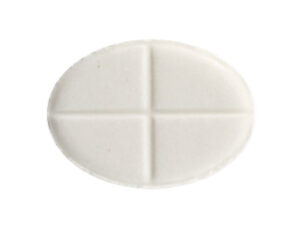
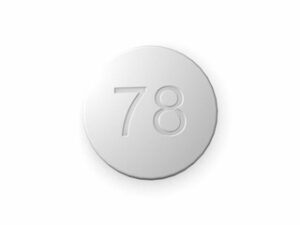
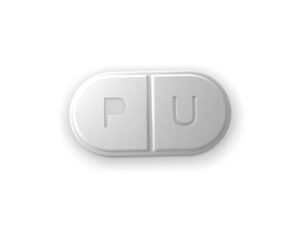
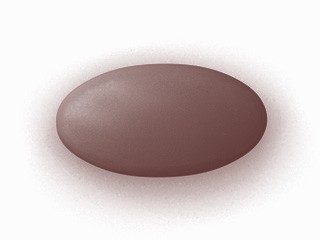
- Available forms: Depending on the product, conjugated estrogens may be supplied as oral tablets or other presentations. Your specific brand and form will affect dosing details.
Important: Different strengths and formulations exist. Always follow the dosing instructions given for your particular product.
2) How conjugated estrogens work (mechanism of action)
Oestrogens help regulate many body functions, including:
- Thermoregulation: They can reduce hot flushes and night sweats.
- Vaginal and urinary tissues: They can improve vaginal dryness, discomfort during sex, and urinary symptoms related to menopause.
- Bone maintenance: Over time, oestrogens help slow bone loss, which is important for osteoporosis risk.
- Feedback on hormones: Oestrogen contributes to stabilising hormone signalling in the body.
In natural menopause, oestrogen levels fall. Conjugated estrogens replace part of this hormonal activity, improving symptoms and supporting some long-term health outcomes.
3) Pharmacokinetics (how the body handles the medicine)
Pharmacokinetics describes what the body does to the medicine. While exact values vary by formulation and individual factors, the overall pattern for conjugated oestrogens is:
- Absorption: After administration (commonly oral), oestrogens are absorbed through the gastrointestinal tract.
- Distribution: Oestrogens circulate in the bloodstream, binding to plasma proteins, and reach target tissues such as the uterus, vagina, liver, and bones.
- Metabolism: Oestrogens are metabolised primarily in the liver (including pathways involving conjugation and other metabolic steps).
- Excretion: Metabolites are excreted via urine and bile/faeces.
- Enterohepatic circulation: Some oestrogen metabolites may be recycled through the digestive tract, influencing overall exposure.
Because metabolism occurs mainly in the liver, factors affecting liver function can influence drug exposure and safety. If you have known liver disease, you should discuss suitability and monitoring with a clinician.
4) Typical use in the UK
Conjugated estrogens are used to treat conditions where oestrogen deficiency or oestrogen responsiveness is expected. In the UK, they are most commonly associated with menopause hormone replacement therapy.
- Moderate to severe vasomotor symptoms (hot flushes and night sweats) due to menopause.
- Genitourinary symptoms of menopause (vaginal dryness, pain with sex, urinary discomfort), depending on the specific product plan.
- Prevention of bone loss when appropriate (depending on age, fracture risk, and suitability of alternatives).
With a uterus: If you still have your womb (uterus), treatment with oestrogen alone may increase the risk of endometrial (womb lining) overgrowth. Many regimens therefore include a progestogen to protect the womb. Your exact regimen will depend on your individual circumstances and the product you are using.
Without a uterus: Some people may be managed with oestrogen alone, as there is no endometrial lining that can overgrow.
5) Indications (what it is used to treat)
Indications can vary by product licence and clinical setting. In general, conjugated estrogens are indicated for:
- Hormone replacement therapy in postmenopausal people to relieve menopausal symptoms.
- Oestrogen deficiency in certain cases where oestrogen replacement is appropriate.
- Other oestrogen-responsive conditions, as determined by a specialist, where the benefits outweigh risks.
If your use is for menopause, the goal is symptom relief with the lowest effective dose for the shortest duration necessary—an approach supported by current UK clinical practice.
6) Dosing and timing
Dosing depends on:
- the severity of symptoms
- your age and how long since menopause
- whether you have a uterus
- your risk factors (for example, history of blood clots or breast cancer)
- the specific formulation and strength
Many HRT regimens are designed as either:
- Continuous combined regimens (oestrogen plus progestogen, taken daily), or
- Sequential regimens (oestrogen taken daily with progestogen added for part of the cycle).
Timing within the day: With oral oestrogen products, timing can be flexible. Choose a time you can maintain consistently. Some people prefer taking it in the evening, while others take it in the morning—follow the specific product instructions you have been given.
When to expect benefit:
- Hot flushes/night sweats: often improve within a few weeks.
- Vaginal dryness and comfort: may take several weeks to notice improvement.
- Bone health: changes are gradual and require longer-term use to influence fracture risk.
7) Food interactions
Food may affect absorption of some oral medications. For conjugated estrogens, the practical impact is usually modest, but consistent administration is helpful.
- General advice: You can usually take the medicine with or without food.
- Consistency: Take it the same way each day (either always with food or always on an empty stomach) unless your product instructions say otherwise.
- Stomach upset: If you experience nausea, taking with food may reduce discomfort.
If you have specific concerns about absorption, or you are taking medicines that affect the gut, discuss with a pharmacist or clinician.
8) Alcohol interactions
Moderate alcohol intake does not typically directly “cancel out” oestrogens, but alcohol may increase some risks indirectly—especially those related to the liver and overall health.
- Liver considerations: Oestrogen metabolism involves the liver. Heavy alcohol use may impair liver function and could increase side effects.
- Blood pressure and general cardiovascular risk: Alcohol can affect blood pressure and weight; these factors influence overall risk planning.
If you drink alcohol, aim for moderation. If you have liver disease, a history of blood clots, or other significant risk factors, seek individual advice.
9) Interactions with other medicines
Interactions can change how well conjugated estrogens work or alter side effects. Below are common interaction themes. Your exact interaction risk depends on the other medicines you take and your health history.
Medicines that may reduce oestrogen levels
- Enzyme-inducing medicines (for example, some treatments for epilepsy and certain infections) may increase oestrogen metabolism, potentially reducing effectiveness.
- Some herbal products (such as St John’s wort) may also affect metabolism.
Medicines that may affect bleeding patterns
- Some medicines can change the pattern of breakthrough bleeding in combined regimens.
- Only experienced clinicians can adjust regimens safely—do not change your plan without advice.
General categories to mention to your clinician/pharmacist
- Anticoagulants/antiplatelet medicines (blood-thinning medicines)
- Anti-seizure medicines
- Antibiotics/antifungals (some may affect metabolism)
- Herbal supplements (especially those known to interact with liver enzymes)
Practical tip: Keep an up-to-date list of all medicines, including OTC products and herbal remedies, and review it with a pharmacist when starting or changing therapy.
10) Safety profile and key risks
Like all hormone therapies, conjugated estrogens can cause side effects and may carry certain risks. The balance between benefit and risk depends on your personal health history, age, and how long it has been since menopause.
Common side effects
- Breast tenderness or swelling
- Nausea or bloating
- Headache or migraine changes
- Fluid retention (feeling puffy)
- Vaginal bleeding or spotting (particularly in the early months or with certain regimens)
- Changes in mood
Serious but less common risks
The following are important to understand. Your clinician will typically assess these before recommending HRT.
- Venous thromboembolism (VTE) / blood clots: Risk may be increased with systemic oestrogen therapies, particularly in some individuals and in certain situations (for example, immobility).
- Stroke risk: may increase in some populations.
- Heart disease risk: depends on age, time since menopause, and cardiovascular risk factors.
- Breast cancer: risk varies with type and duration of HRT and whether progestogen is included; long-term combined use can be associated with increased risk compared with no HRT.
- Endometrial cancer: risk increases if oestrogen is used without appropriate womb protection (progestogen) in people with a uterus.
- Gallbladder disease: oestrogen may increase risk of gallstones in some people.
- Severe allergic reactions (rare): seek urgent help if you develop swelling of the face/lips, trouble breathing, or widespread rash.
Seek urgent medical help if you experience
- Chest pain, sudden shortness of breath, coughing blood
- One-sided weakness, sudden severe headache, or speech trouble
- Severe leg pain or swelling (especially one leg)
- Unusual heavy vaginal bleeding or bleeding after a period of no bleeding
11) Practical use tips
- Use the lowest effective dose: Your clinician may adjust dose over time based on symptom control and side effects.
- Review regularly: Periodic reviews help ensure benefits continue to outweigh risks.
- Don’t skip womb protection: If you have a uterus, follow the combined regimen plan exactly as advised.
- Track symptoms: Note changes in flushes, sleep, mood, and vaginal symptoms to help assess effectiveness.
- Know what “breakthrough bleeding” means: Spotting can occur early on. Persistent or heavy bleeding should be investigated.
If you miss a dose, follow the product instructions provided by your specific medicine or discuss guidance with a pharmacist. In general, avoiding double doses is common, but the correct approach depends on the schedule.
12) Alternative options
There are several alternatives to conjugated estrogens, depending on your symptoms, medical history, and preferences. Options may include:
Other HRT formulations
- Different oestrogen types: such as estradiol preparations (choice may affect bleeding patterns and risk profile).
- Transdermal oestrogen (patch/gel): in some cases, may be preferred for people with higher risk factors because it bypasses first-pass liver metabolism.
- Local (vaginal) oestrogen: for predominantly vaginal/genitourinary symptoms, often considered with lower systemic exposure.
- Different progestogens for womb protection (when needed).
Non-hormonal treatments
- Lifestyle measures: cooling strategies for hot flushes, smoking cessation, weight management.
- Non-hormonal prescription options may be considered for vasomotor symptoms in some patients.
- For bone health: alternatives like bone-directed therapies may be considered depending on fracture risk.
Your clinician can help choose the best option based on symptom type (hot flushes vs vaginal symptoms), your risk factors, and how soon you are after menopause.
13) UK market and legal context (overview)
In the UK, HRT products including conjugated estrogens are regulated medicines. They are made available to patients through approved prescribing and supply pathways, with safety information and monitoring guidance aligned with UK medicines regulation and clinical standards.
UK guidance emphasises:
- individualised decision-making
- using the lowest effective dose
- regular reassessment of benefits and risks
- appropriate protection of the womb when relevant
If you are considering starting or continuing HRT, it’s recommended to have regular clinical reviews, particularly if you have risk factors for blood clots, cardiovascular disease, or breast cancer.
14) Recent guidance and clinical practice (high-level)
UK clinical practice for HRT continues to focus on symptom relief while minimising risk. In general terms, recent guidance and consensus in the UK have supported:
- Early use when appropriate: for many people within a few years of menopause, the benefit-risk balance can be more favourable.
- Regular review: ongoing evaluation of dose, route, and whether treatment is still needed.
- Route considerations: some risk differences between oral and transdermal oestrogen therapies may influence choice for specific patients.
- Womb protection: correct regimen for those with a uterus to reduce endometrial risks.
Local protocols and specialist advice may vary; your clinician will tailor treatment to your health profile.
15) Delivery and availability (online pharmacy)
Availability depends on stock levels, formulation strength, and supply chain timing. When ordering online in the UK, delivery schedules may vary by:
- postcode and delivery service selected
- order processing time
- product availability from suppliers
Typical delivery expectations (example):
- Dispatch: often within 1–3 working days, where stock is available
- Delivery: commonly 1–3 working days after dispatch (subject to courier performance and any delays)
Always check the retailer’s delivery information at checkout and keep an eye on tracking updates where available.
16) FAQ
How quickly will I feel better?
Hot flushes and night sweats often start to improve within a few weeks. Vaginal symptoms may take several weeks. Bone benefits are gradual and develop over longer periods.
Do I need progestogen as well?
If you have a uterus, oestrogen alone can increase the risk of endometrial overgrowth. Many people with a uterus use a combined or sequential regimen that includes a progestogen to protect the womb.
Can I take conjugated estrogens with food?
Usually yes. If you get nausea, taking it with food may help. Try to take it consistently in the same way each day.
What if I miss a dose?
Follow your specific product instructions or ask a pharmacist for guidance. In many cases, doubling up isn’t recommended. The correct approach can depend on the dosing schedule.
Is it safe to drink alcohol while taking it?
Moderate alcohol intake is not typically a direct interaction, but heavy alcohol use can strain the liver and affect overall health. If you have liver disease or significant health risks, seek personalised advice.
What medicines should I be cautious about?
Enzyme-inducing medicines (some anti-epileptics and treatments for certain infections), certain herbal products, and anticoagulants/antiplatelets are examples of medicines that may need review. Always share your full list of medicines with your pharmacist or clinician.
Are there warning signs that mean I should stop and seek help?
Seek urgent medical help if you develop symptoms of blood clots (leg swelling or pain, sudden breathlessness, chest pain), stroke-like symptoms, or severe/unusual vaginal bleeding. Do not ignore these symptoms.
Can I use it long-term?
Some people use HRT for longer if symptoms persist and benefits continue to outweigh risks. This should be reviewed regularly, with adjustments to dose and sometimes route, to maintain the safest plan for you.
What if I’m mainly bothered by vaginal dryness?
Many people with mainly vaginal symptoms benefit from local vaginal treatments (such as vaginal oestrogen preparations), which often have lower systemic exposure than some oral options. Your clinician can guide which approach suits you.
Summary
Conjugated estrogens are systemic oestrogen medicines used to relieve menopausal symptoms and treat conditions related to oestrogen deficiency in appropriate patients. They work by replacing oestrogen activity, helping improve hot flushes, night sweats, and genitourinary symptoms, and contributing over time to bone protection. However, like all hormone therapies, they require careful individual risk assessment, correct regimen planning—especially if you have a uterus—and regular review.
If you have questions about suitability, interactions, or how to manage side effects, speak with a qualified healthcare professional or pharmacist.