Mestinon (Pyridostigmine) — Patient-Friendly Guide (UK)
Mestinon is a medicine containing pyridostigmine. It is used to improve the weakness and fatigue associated with certain conditions that affect communication between nerves and muscles.
This guide explains how Mestinon works, how it is typically used, what to expect, and important safety information. It is written to be clear and practical for people in the United Kingdom. Always follow the instructions given by your healthcare professional and the information on the medicine package.
Basic product information
| Feature | Details |
|---|---|
| Active ingredient | Pyridostigmine |
| Brand name | Mestinon |
| Medicine class | Cholinesterase inhibitor (a type of cholinergic medicine) |
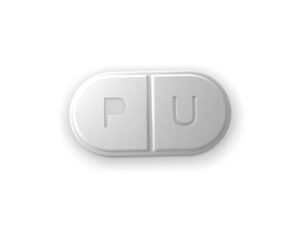
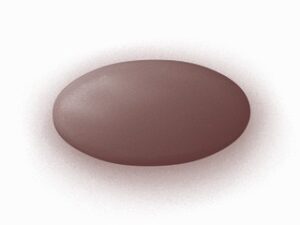
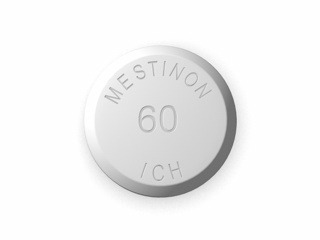
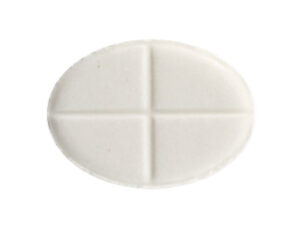
| Common formulations | Tablets (the exact strengths and brands available may vary) |
| How it’s taken | Oral (by mouth), usually divided through the day |
| Main conditions treated | Neuromuscular weakness, especially myasthenia gravis |
Note: UK availability, pack sizes and strengths may vary by supplier and stock. Your pharmacist can confirm the exact product and strength you are buying.
How Mestinon works (mechanism of action)
Mestinon (pyridostigmine) works by inhibiting acetylcholinesterase—the enzyme that breaks down acetylcholine at the nerve-muscle junction.
- Normally, acetylcholine is released from the nerve to help trigger muscle contraction.
- Acetylcholinesterase clears acetylcholine from the synapse.
- By slowing this breakdown, pyridostigmine increases and prolongs acetylcholine activity.
- This helps improve muscle strength and endurance in conditions like myasthenia gravis.
Mestinon does not “cure” underlying disease processes, but it can provide meaningful symptom control by strengthening neuromuscular transmission.
Pharmacokinetics (how the body handles it)
Pharmacokinetics describes absorption, distribution, metabolism, and excretion.
- Absorption: Pyridostigmine is absorbed after oral dosing, though the speed and extent can vary between individuals.
- Onset: Symptoms may improve within an hour or so after a dose (timing varies).
- Duration: Effects are not permanent; dosing is often split through the day to maintain benefit.
- Metabolism and elimination: Pyridostigmine is mainly cleared by the body and removed through renal (kidney) pathways; kidney function can therefore influence exposure.
Practical takeaway: Because effects wear off, many people require scheduled doses rather than taking it only “as needed.” Your regimen should match your symptom pattern.
Typical uses in the UK
Mestinon is commonly used for:
- Myasthenia gravis (symptomatic improvement of muscle weakness and fatigability)
- Other neuromuscular conditions may be considered by specialists depending on the person’s diagnosis and treatment plan
In myasthenia gravis, Mestinon is often used alongside other therapies (for example, medicines that affect the immune system). The role of each medicine varies by person and disease severity.
Indications and how it is chosen
In the UK, Mestinon is used when the goal is to improve neuromuscular symptoms such as:
- Weakness that worsens with use and improves with rest
- Fatigue affecting speech, swallowing, chewing, or limb strength
- Fluctuating symptoms over the day
Why timing matters: Because symptoms can fluctuate, treatment is usually tailored to periods of higher activity (e.g., morning, daytime routines, or evening).
Dosing — general guidance
Important: Always follow the exact dose and schedule given for you by your healthcare professional. The “right” Mestinon dose can vary widely between individuals.
Typical approach
- Doses are often divided through the day (for example, multiple times daily).
- Many treatment plans start at a lower dose and adjust gradually based on response and side effects.
- Some people also adjust timing around meals and daily activities.
Adjusting for side effects
If you get “too much cholinergic effect” (for example, excessive saliva, diarrhoea, muscle twitching), your clinician may reduce the dose or change the schedule.
Do not change your dose suddenly without medical advice.
When to take Mestinon (timing)
People often take Mestinon to cover times when they need strength most. Common practical timing includes:
- Morning: to help with starting the day
- Midday/afternoon: to support daily tasks
- Evening: if evening symptoms are troublesome
- Before meals or around meals: depending on your individual plan and tolerance
Consistency helps: Try to take doses at similar times each day, unless your prescriber advises otherwise.
If you miss a dose, do not take a double dose to make up for it. Ask your pharmacist or refer to the patient information in your medicine packaging for advice specific to your product.
Food interactions and meal considerations
Diet and meal timing can influence comfort and tolerability.
- Gastrointestinal effects: Pyridostigmine can cause nausea, abdominal cramps, or diarrhoea in some people. Taking it with food may help reduce stomach upset for some individuals.
- Swallowing difficulties: If swallowing is affected, ensure you can take tablets safely. Your pharmacist can advise on administration options appropriate for the specific formulation.
- Individual response: Some people find certain meal patterns worsen symptoms, while others notice little effect.
Practical tip: Keep a brief diary noting timing, meals, and symptom changes. This can help you and your clinician fine-tune dosing.
Alcohol interactions
There is no single universal “safe” amount of alcohol for everyone taking Mestinon. Alcohol may:
- Increase fatigue or worsen weakness
- Aggravate swallowing risk in people with bulbar symptoms
- Worsen dizziness in some individuals
- Potentially worsen gastrointestinal upset
Recommendation: If you drink alcohol, consider keeping it minimal and discuss with your healthcare professional—especially if you have swallowing problems or episodes of breathing difficulty.
Medicine interactions (other medicines and supplements)
Mestinon interacts with other medicines that affect cholinergic activity, neuromuscular transmission, or heart rate.
Medicines that may affect cholinesterase inhibitors
- Anticholinergic medicines (often used for overactive bladder, some allergies, motion sickness): may reduce the benefit of pyridostigmine.
- Other cholinergic medicines: may increase side effects.
- Some antibiotics and medicines used in anaesthesia or intensive care settings can influence neuromuscular function. Tell clinicians you are taking Mestinon before procedures.
- Heart-rate affecting medicines: because pyridostigmine can influence the parasympathetic system, medicines that also affect heart rate may change your response.
Supplements and “natural” products
Herbal supplements can also affect the nervous system or gastrointestinal function. Provide a full list of all medicines, supplements, and over-the-counter products to your pharmacist to check for interaction risks.
Practical tip: Keep an up-to-date medication list (including doses and timing) and carry it to appointments.
Safety profile — what to expect
Like all medicines, Mestinon can cause side effects. Many people tolerate pyridostigmine well, especially when dosing is carefully adjusted, but side effects can occur—particularly if the dose is too high.
Common side effects
- Gastrointestinal: nausea, diarrhoea, abdominal cramps, increased bowel movements
- Excess secretions: increased saliva and mucus
- Urinary changes: difficulty or increased urgency in some people
- Muscle symptoms: muscle twitching or cramping
- Fatigue or dizziness in some individuals
Less common but important effects
- Low heart rate (bradycardia) and palpitations
- Skin reactions (rare)
- Worsening weakness due to over-treatment (sometimes called cholinergic excess)
Seek urgent medical help if
Get urgent advice if you experience:
- Breathing difficulty or trouble swallowing that is worsening
- Severe diarrhoea with dehydration
- Uncontrollable vomiting or severe abdominal pain
- Fainting, severe dizziness, or very slow pulse
- Marked increase in weakness after dose changes
If you are unsure, contact your NHS service (for example, NHS 111) for guidance.
Practical use tips for best results
- Track your pattern: Note how long each dose seems to help and when symptoms return.
- Adjust around your day: If you know mornings are hardest, discuss whether your schedule should reflect that.
- Watch for over-treatment: Excessive saliva, diarrhoea, cramps, or sudden worsening can be signs your dose is too high.
- Stay hydrated: If diarrhoea occurs, fluid intake is important.
- Be careful with physically demanding activities: Plan exertion around when your medication is likely to be working.
- Keep tablets safe and accessible: Store according to label instructions and keep out of reach of children.
- Tell healthcare professionals: Inform all clinicians and dental professionals that you take Mestinon, particularly before procedures and anaesthesia.
Driving and machinery: If pyridostigmine affects you by causing dizziness or visual disturbance, avoid driving or hazardous tasks until you know how you respond.
Alternative options
Depending on your diagnosis and symptoms, alternative medicines or treatment strategies may include:
- Other symptomatic treatments for myasthenia gravis (your specialist will choose the most suitable option)
- Immunosuppressive therapies (to reduce the underlying immune activity in myasthenia gravis)
- Specialist therapies such as plasma exchange or intravenous immunoglobulin for certain flare-ups
- Non-medicine support such as physiotherapy, speech and swallowing advice, and energy-conservation strategies
Do not switch or stop Mestinon without medical guidance. In myasthenia gravis, changes in treatment can affect breathing, swallowing, and overall strength.
UK market and legal context (high-level)
In the United Kingdom, medicines are regulated to ensure quality, safety and effectiveness. Availability in online pharmacies depends on licensed suppliers and the product’s category within UK medicine regulations. Online listings should include clear product information, storage advice, and instructions for use.
Medicines may differ in availability and presentation depending on supply chain conditions and manufacturer stock. If a product is temporarily unavailable, reputable online pharmacies usually provide alternatives or options to contact support for restock updates.
Recent guidance and evolving practice: Treatment approaches for myasthenia gravis and similar neuromuscular disorders can evolve based on clinical evidence and specialist neurology guidance. Your clinician may review your regimen periodically to improve balance between symptom control and side effects.
Delivery, availability and ordering in the UK
At the time of purchase, UK online pharmacies typically provide:
- Estimated delivery times at checkout (based on your postcode and service level)
- Secure packaging to protect tablets during transit
- Clear product information including strength and form
Availability: If your preferred pack is out of stock, customer support may help you find a comparable alternative (same active ingredient and strength, where appropriate) or notify you when it returns.
Storage: Keep Mestinon at room temperature as directed on the label and protect from moisture. Check the patient information leaflet for exact storage instructions.
Frequently Asked Questions (FAQ)
1) What is Mestinon used for?
Mestinon (pyridostigmine) is used to help improve muscle weakness and fatigue, most notably in myasthenia gravis. It works by enhancing the effect of acetylcholine at the nerve-muscle junction.
2) How quickly does Mestinon work?
Many people notice symptom improvement after a dose, often within an hour. The exact timing varies by person, dose, and daily activity level.
3) How long does a dose last?
The effect typically lasts for a limited period. That’s why regimens often involve multiple doses per day. Your clinician sets the schedule based on when your symptoms are worst.
4) Should I take it with food?
Some people find that taking Mestinon with food helps reduce stomach upset. If you experience nausea or diarrhoea, ask your pharmacist whether taking with meals could be beneficial in your specific case.
5) What are signs that the dose might be too high?
Signs can include increased saliva, diarrhoea, abdominal cramps, muscle twitching/cramps, and sometimes worsening weakness. If you suspect your dose is too high, contact your healthcare professional promptly for advice.
6) Can I drink alcohol while taking Mestinon?
Small amounts may be tolerated by some people, but alcohol can worsen fatigue and increase risks such as swallowing problems. Discuss with your healthcare professional. If you choose to drink, keep it minimal and monitor how you feel.
7) Can Mestinon be used with other medicines?
Mestinon may interact with other treatments, especially those affecting cholinergic activity or neuromuscular transmission. Always provide your full medicine list (including over-the-counter products and supplements) to your pharmacist to check for interaction concerns.
8) What should I do if I miss a dose?
Do not take a double dose to compensate. Instead, follow the guidance in the patient information leaflet or contact your pharmacist for advice based on your dosing schedule.
9) Is Mestinon safe for everyone?
Not everyone is suitable for pyridostigmine. People with certain medical conditions (and those taking interacting medicines) may need extra caution. Always review your medical history with your healthcare professional.
10) Where can I find the patient leaflet and detailed instructions?
Your medicine’s pack contains or provides access to the official patient information leaflet. Your pharmacist can also explain how to take Mestinon safely and answer questions about your specific regimen.
Key points to remember
- Mestinon (pyridostigmine) improves communication at the nerve-muscle junction by inhibiting acetylcholinesterase.
- It is used mainly for symptomatic benefit in myasthenia gravis.
- Dosing is often spread through the day to match symptom fluctuations.
- Side effects commonly involve the gut and increased secretions; severe symptoms or breathing difficulty require urgent medical advice.
- Food can affect comfort, and alcohol may worsen weakness or swallowing risks—seek personalised advice.
- Keep clinicians informed about your use of Mestinon before procedures and anaesthesia.
Disclaimer: This page is for general information and does not replace advice from a healthcare professional. If you have concerns about your symptoms, side effects, or drug interactions, seek medical guidance promptly.