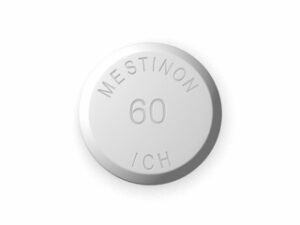


Liothyronine (T3) – Patient-Friendly Guide (UK)
Liothyronine is a medicine containing liothyronine sodium, a form of the thyroid hormone triiodothyronine (T3). It is used to treat thyroid hormone deficiency and, in selected situations, to support thyroid management under clinical supervision.
This guide explains how liothyronine works, how it is used, what to expect, and key safety and interaction information. It is written for patients in the United Kingdom and uses general, patient-focused information.
Basic product information
- Active ingredient: Liothyronine sodium (T3)
- Medicine type: Thyroid hormone replacement
- What it does: Provides T3 to support normal body metabolism
- Common brand examples (may vary): Availability depends on local supply and product names
- Who it is for: People who need T3 treatment as advised by a healthcare professional
In the UK, thyroid medicines are widely used and regulated. Your exact brand, tablet strength and dosing plan may differ depending on your needs.
How liothyronine works (mechanism of action)
T3 is one of the main thyroid hormones responsible for controlling how your body uses energy. Normally, the thyroid gland produces thyroid hormones, which affect:
- Metabolism: how quickly cells use oxygen and energy
- Heart and circulation: heart rate and the strength of pumping
- Temperature regulation: normal body heat balance
- Growth and development: especially important in children
- Brain function: mood, thinking and concentration
- Muscle and energy levels: fatigue and strength
- Digestion: bowel motility
Liothyronine supplies T3 directly. Compared with T4-based medicines (such as levothyroxine), liothyronine can act more quickly because it does not need conversion in the body to become active.
Pharmacokinetics (how the body handles it)
Pharmacokinetics describes what the body does to the medicine—how it is absorbed, distributed, metabolised, and eliminated.
- Absorption: Liothyronine is absorbed from the gastrointestinal tract. Absorption can be affected by food and certain medicines (see “Food interactions” and “Medicine interactions”).
- Distribution: Thyroid hormones travel in the blood bound to transport proteins, meaning only a small fraction is free to act on tissues.
- Metabolism: T3 is metabolised in tissues and the liver. The body also regulates thyroid hormone levels through feedback mechanisms.
- Elimination: Thyroid hormone metabolites are eliminated mainly through the kidneys and bile. The overall effect lasts longer than a single dose, though the immediate onset may be relatively faster than T4.
Your clinician may monitor blood tests such as TSH and free T4 (and sometimes free T3) to guide dose adjustments.
Typical uses and indications (UK context)
Liothyronine is used to treat conditions where thyroid hormone levels are low or require specific thyroid hormone management. Indications can vary depending on local practice and individual assessment.
Common clinical indications include
- Hypothyroidism (underactive thyroid): when thyroid hormone replacement is needed
- Situations where rapid T3 support may be considered: your healthcare professional will decide whether liothyronine is suitable for your case
- Selected thyroid management scenarios: including special clinical pathways where T3 is appropriate (details depend on the diagnosis and local guidelines)
In many patients, thyroid replacement is commonly achieved with T4-based therapy. Liothyronine may be used when a T3-containing approach is needed, for example due to specific clinical circumstances or side-effect profiles.
Dosing and timing (what patients often need to know)
Dose requirements are individual. Factors influencing your dose include age, weight, symptoms, heart health, and blood test results.
General dosing principles
- Start low, go slow (particularly in older adults or if heart disease exists): this helps reduce the risk of symptoms of excess thyroid hormone.
- Monitoring is essential: clinicians use blood tests and symptoms to adjust the dose.
- Consistency: try to take your dose at the same time each day as advised.
Timing
Liothyronine can be taken once or more than once daily depending on the prescribed regimen and how it affects you. Some patients do better with split dosing to smooth out hormone levels through the day. Follow your own schedule.
- Morning dosing: many people take it in the morning; if symptoms fluctuate, your clinician may suggest a divided schedule.
- Do not change the schedule yourself: dose timing changes can affect blood test results and symptom control.
When to seek urgent advice
If you develop signs that may suggest excessive thyroid hormone levels (for example severe palpitations, chest pain, shortness of breath, fainting, or marked agitation), seek urgent medical advice.
Food interactions (and how to take it)
Food can affect how much liothyronine is absorbed. To reduce variability, it’s often recommended to take thyroid medicine in a consistent way relative to meals.
Practical advice
- Consistency matters: take it the same way each day (with or without food) unless your clinician advises otherwise.
- Separate from certain supplements/minerals: products containing iron or calcium (including some antacids) can interfere with absorption. A gap may be needed.
- Dietary fibre and certain foods: very high fibre diets may affect absorption in some people. Keep your diet consistent and discuss changes with your clinician.
Common categories that may interfere
The list below highlights common interaction types. Your clinician or pharmacist can advise the best timing for your specific products:
- Iron supplements (including ferrous sulphate)
- Calcium supplements (calcium carbonate and similar)
- Magnesium-containing antacids
- Cholestyramine and other bile acid binders
- Some gastrointestinal medicines that alter stomach pH or binding capacity
If you are unsure whether you should separate your thyroid tablet from other medicines or supplements, ask your pharmacist for advice based on the exact products you use.
Alcohol and medicine interactions
Alcohol
Moderate alcohol intake does not usually directly “react” with liothyronine in a simple way, but alcohol may affect adherence, hydration, sleep, and liver function. In some people, alcohol can worsen symptoms such as palpitations or anxiety, which may become noticeable if your thyroid hormone level is too high.
If you notice that alcohol triggers symptoms (e.g., increased heart rate, tremor, or palpitations), discuss it with your clinician. It may also be a sign that your dose needs adjustment.
Medicine interactions (important examples)
Thyroid hormones can interact with several medicines. Some may reduce absorption; others may increase the effect of thyroid hormones or change thyroid hormone metabolism.
| Medicine/supplement category | Possible effect | What you can do |
|---|---|---|
| Iron or calcium supplements | May reduce absorption | Use a time gap; ask your pharmacist how long |
| Antacids containing aluminium/magnesium | May reduce absorption | Separate doses as advised |
| Bile acid sequestrants (e.g., cholestyramine) | May reduce thyroid hormone effect/absorption | Discuss scheduling and monitoring |
| Certain anti-epileptics (e.g., phenytoin, carbamazepine) | May alter thyroid hormone levels | Monitoring may be needed |
| Amiodarone | May affect thyroid function | Extra monitoring is often required |
| Oral anticoagulants (blood thinners) | Thyroid hormones can change clotting control | Tell your clinician if starting, stopping or changing dose |
| Diabetes medicines (insulin and tablets) | Thyroid status can change glucose needs | Monitor sugars; discuss dose adjustments if needed |
| Oestrogens | May alter thyroid hormone binding | Blood test monitoring may be required |
| Some weight-loss products and supplements | May affect heart rate/stimulant balance | Check ingredients; discuss with a pharmacist |
This table is not exhaustive. Always provide your pharmacist with a full list of medicines, including over-the-counter products and herbal remedies.
Safety profile and side effects
Liothyronine is generally well tolerated when used at the correct dose and with appropriate monitoring. Because it is a thyroid hormone, the main safety concern is taking too much or having hormone levels become too high.
Possible side effects of excessive thyroid hormone
- Fast heartbeat or palpitations
- Tremor, feeling shaky
- Anxiety, irritability or restlessness
- Insomnia
- Increased sweating and heat intolerance
- Weight loss despite normal intake
- Diarrhoea or increased bowel frequency
- Menstrual changes
- More serious symptoms: chest pain, shortness of breath, fainting, or severe ongoing palpitations require urgent medical assessment
Possible side effects of too little thyroid hormone
If your dose is inadequate, you may still experience symptoms of hypothyroidism such as tiredness, feeling cold, constipation, dry skin, slowed thinking, and weight gain.
Allergic reactions (rare)
Seek urgent help if you experience signs of allergy such as swelling of the face/lips, breathing difficulty, or a widespread rash.
Special considerations
- Heart disease or previous heart rhythm problems: dose adjustments and careful monitoring may be required.
- Pregnancy and breastfeeding: thyroid hormone needs can change. Tell your healthcare professional promptly if you are pregnant, planning pregnancy, or breastfeeding.
- Older adults: slower initiation and careful titration are important.
- Children: thyroid hormone treatment is weight- and age-specific; follow clinical dosing plans closely.
Practical use tips (to help you get the most benefit)
- Choose a routine: take your tablet at the same time each day. Keep your routine consistent with respect to meals.
- Separate interfering products: if you take iron, calcium, or certain antacids, ask your pharmacist about a suitable time gap.
- Don’t double up: if you miss a dose, follow your clinician/pharmacist advice rather than taking extra.
- Track symptoms: note changes in energy, mood, bowel habits, sleep, and palpitations. These can help interpret blood test results.
- Keep follow-up appointments: blood tests are key to safe and effective treatment.
- Inform other healthcare professionals: tell dentists, emergency staff, and pharmacists you take liothyronine.
- Check brand and strength: medicines may come in different strengths. Confirm your tablet strength to avoid dosing errors.
Alternative options
Thyroid hormone replacement approaches differ. Alternatives are typically chosen based on your diagnosis, response to therapy, preferences, and safety considerations.
Common alternative thyroid medicines
- Levothyroxine (T4): a widely used thyroid hormone replacement
- Combined T4/T3 regimens: used in selected circumstances under specialist advice
- Other formulations: brand or formulation changes may sometimes be considered if absorption issues or stability problems occur
Do not switch between products without guidance. Small changes in formulation or dosing can lead to symptom changes and blood test shifts.
UK market and legal context (patient-focused overview)
In the UK, prescription-only medicines are supplied under regulated systems to ensure safe use and monitoring. Medicines like liothyronine are subject to standard pharmaceutical regulations, quality standards, and pharmacy controls.
Supply and brand availability can vary. Pharmacies may sometimes offer alternative presentations if a specific brand is temporarily unavailable, but the active ingredient and dose should be carefully matched.
Recent guidance and clinical practice themes
Clinical guidance in the UK and Europe has emphasised the importance of:
- Using thyroid hormone replacement tailored to the individual
- Monitoring with blood tests and symptom review
- Care with dosing in people with heart disease, older age, or pregnancy
- Consistency of preparation and administration to avoid fluctuations in thyroid levels
Ongoing research continues to explore the role of T3-containing therapy versus T4 alone. Your clinician will consider your personal response and safety profile.
Delivery and availability (online pharmacy)
Availability can depend on tablet strength, stock levels, and manufacturer supply schedules. Online pharmacies in the UK typically aim to:
- Confirm stock before dispatch
- Deliver via tracked courier where appropriate
- Protect medicines during transit and include appropriate packaging
Delivery times vary by service level, location, and courier schedules. When ordering, check the estimated delivery window shown at checkout.
If your usual brand or strength is unavailable, a pharmacist may contact you or suggest the closest available alternative (depending on local regulations and clinical suitability).
FAQ – Frequently asked questions
1) How quickly will I feel a difference?
Some people notice symptom changes within days, while others may take weeks. Because thyroid hormone levels and symptoms adjust gradually, clinicians often assess blood tests and symptoms over time.
2) Should I take liothyronine with food?
Food can affect absorption, so it’s usually best to take it in a consistent way each day. If your clinician has advised “take on an empty stomach” or “take with meals,” follow that guidance. If you’re unsure, ask your pharmacist.
3) Can I drink alcohol while taking liothyronine?
Moderate alcohol is usually acceptable for many people, but if you notice worsened palpitations, tremor, anxiety, or sleep disturbance, you may want to reduce alcohol and discuss symptoms with your clinician.
4) What blood tests are used to monitor treatment?
Typically TSH and free T4 are monitored, though depending on the regimen and your clinician’s approach, free T3 may also be checked.
5) What should I do if I miss a dose?
Follow advice from your pharmacist or clinician. In general, don’t take an extra dose to “catch up” unless instructed, because overcorrection can cause symptoms of excess thyroid hormone.
6) Can I stop taking liothyronine suddenly?
Stopping abruptly can cause return of hypothyroid symptoms. Only stop or change your medicine with professional advice.
7) Are there interactions with vitamins or supplements?
Yes. Supplements containing iron or calcium can reduce absorption. Other supplements may affect heart rate, sleep, or liver metabolism. Tell your pharmacist about everything you take.
8) Does liothyronine affect driving or working?
Many people can drive and work normally while taking liothyronine. However, if your dose is too high and you experience palpitations, tremor, dizziness, or severe anxiety, avoid driving and seek medical advice.
9) What if I switch between brands?
Different brands may differ in excipients and tablet appearance. It’s important to confirm the same strength and follow advice on whether you need extra monitoring after a brand change.
10) Who should be extra careful when using liothyronine?
Extra care is often needed for people with heart disease, older adults, those with a history of rhythm problems, people who are pregnant or breastfeeding, and anyone with fluctuating thyroid levels or complex medicine regimens.
Important: This information is intended for general patient guidance. Your personal situation matters. If you have questions about interactions, timing, or dose changes, speak to your pharmacist or healthcare professional.