Itraconazole (Oral) — Patient Guide
Itraconazole is an antifungal medicine used to treat a range of fungal infections. It works by stopping fungi from making the substances they need to survive and grow. This page is designed to help you understand what itraconazole is, how it works, how it’s usually taken, and what to watch out for while using it.
Please note: information below is general and may not replace advice from a healthcare professional. If anything is unclear—such as which capsule formulation you have, how to take it, or when to seek help—contact a clinician or pharmacist.
Basic product information
- Medicinal name: Itraconazole
- Type: Antifungal (systemic triazole)
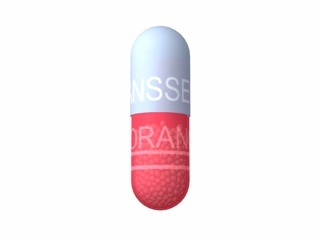
- Common forms: Capsules and oral solutions (availability varies by product)
- How it’s used: Usually taken by mouth to treat infections inside the body
- Brand examples: Vary by manufacturer (your pack will show the exact brand name)
In the UK, itraconazole is supplied for appropriate fungal infections and may be provided under different brands. Your packaging will indicate the exact strength and formulation.
How itraconazole works (mechanism of action)
Itraconazole belongs to the triazole class of antifungals. It inhibits an enzyme called lanosterol 14-α-demethylase (often referred to in practice as part of the cytochrome P450 system).
This reduces production of ergosterol, an essential component of fungal cell membranes. Without a stable cell membrane, fungal cells cannot function properly and growth is inhibited. Depending on the infection and fungus type, the effect can be fungistatic (slowing growth) or fungicidal (killing), but itraconazole is generally described as having strong activity against many clinically significant fungi.
Pharmacokinetics (how the body handles itraconazole)
Understanding how itraconazole is absorbed and processed can help explain why some medicines and food choices matter.
Absorption
- Capsules: Absorption is influenced by stomach acid. They typically require adequate acidity for good absorption.
- Oral solution: Absorption tends to be less dependent on stomach acidity than capsules, but it can still have food and drink interactions.
Distribution
Itraconazole distributes into tissues where fungi may be present. It can accumulate in some body compartments, which is one reason courses may continue for a period even after symptoms begin to improve.
Metabolism and elimination
- Metabolism: Primarily in the liver.
- Excretion: Mostly via the liver/bile pathways, with some elimination through the kidneys.
- Half-life: The effective half-life can be long, and antifungal activity may continue after stopping treatment.
Because itraconazole is processed by the liver and can interact with other medicines, it’s important to inform a clinician/pharmacist about all treatments you use—including over-the-counter products and herbal remedies.
Typical uses and indications
Itraconazole is used to treat a variety of fungal infections, including those affecting skin, nails, and internal organs. A clinician will select itraconazole based on the type of fungus, infection site, severity, and your medical history.
Common indications include
| Infection type | Examples | Notes |
|---|---|---|
| Skin and nail fungal infections | Fungal infections of skin, toenails, and fingernails | Often considered when other options are unsuitable, or when broader coverage is needed. |
| Yeast infections | Candida-related infections (depending on site) | Selection depends on the organism and location of infection. |
| Systemic fungal infections | Infections affecting internal organs | Usually for more serious infections under medical supervision. |
| Dimorphic fungi and other invasive fungi | Depending on regional patterns and susceptibility | Examples vary by country guidance and organism identification. |
If you know the name of your diagnosis (for example, a fungal nail infection or a specific systemic infection), keep it handy—your treatment plan is typically tailored to that.
How to take itraconazole: timing and dosing basics
Always follow the instructions on your medicine label. Doses differ based on the infection being treated, the formulation, and your individual factors such as kidney/liver function and interacting medicines.
General principles
- Take at the same time(s) each day to maintain consistent drug levels.
- Do not skip doses. If you miss a dose, follow the guidance on your label or ask a pharmacist.
- Finish the full course even if you feel better early.
Typical dosing patterns (examples)
The exact dose depends on the formulation and indication. The following are general dosing patterns used in clinical practice. Your label will state your specific dose.
- Toenail/fingernail fungal infections (onychomycosis): Common approaches include daily regimens for a set period, or pulsed regimens (treatment given in blocks). The precise duration depends on which nails are affected and your clinician’s plan.
- Skin fungal infections (tinea/candidal conditions, etc.): Often treated for a defined course length, based on response and site.
- More serious systemic infections: Dosing may be higher and treatment may be prolonged, sometimes requiring careful monitoring.
Because dosing varies so widely, it’s essential to confirm the instructions for your product strength and regimen.
Food interactions: what you should eat/drink
Food and drink can affect how well itraconazole capsules are absorbed. This is particularly important for people taking medicines that change stomach acid.
Capsules
- Often, itraconazole capsules should be taken with food (commonly after a full meal) to improve absorption.
- Avoid taking with an empty stomach unless your pharmacist/label specifically instructs otherwise.
Oral solution
- Oral solution absorption may be less affected by stomach acid than capsules, but follow your product instructions carefully.
Stomach acid medicines
If you use medicines that lower stomach acid, absorption of itraconazole capsules may be reduced. Examples include:
- Proton pump inhibitors (PPIs), such as omeprazole
- H2 blockers, such as famotidine
- Antacids, such as aluminium hydroxide or similar products
If you need such treatment, your clinician may recommend an alternative antifungal, adjust the timing, or consider a different formulation. Do not change or stop your stomach medicine without advice.
Alcohol and itraconazole interactions
Alcohol does not always create a direct interaction with itraconazole, but it can affect the liver and increase the risk of side effects when taken during treatment—particularly because itraconazole is metabolised in the liver.
Practical advice:
- Limit or avoid alcohol if you have liver problems, elevated liver enzymes, or symptoms suggesting liver involvement.
- If you do drink, keep it modest and avoid binge drinking.
- Seek medical advice promptly if you notice signs of liver problems (see “Safety profile”).
Medicine interactions (very important)
Itraconazole can interact with many medicines due to effects on liver enzymes and transport proteins. Some interactions can be serious, increasing side effects or reducing antifungal effectiveness.
Medicines that may be unsafe with itraconazole
Certain medicines are generally not recommended or are contraindicated because they can lead to dangerous increases in drug levels (for example, irregular heart rhythm risks) or reduce itraconazole levels dramatically.
- Some antihistamines and other drugs that affect heart rhythm (QT prolongation risk)
- Some statins (risk of muscle toxicity; exact interactions depend on the statin)
- Certain antiarrhythmics and other cardiac medicines
- Some antibiotics/antivirals (levels may rise or fall)
- Rifampicin and other strong enzyme inducers (may reduce itraconazole effectiveness)
- Phenytoin, carbamazepine, and similar enzyme-inducing anticonvulsants
Medicines that can reduce itraconazole absorption
- Stomach acid suppressors (PPIs and H2 blockers) may reduce capsule absorption
- Antacids (timing may need separation)
What to do
- Make a list of all medicines you take, including inhalers, eye drops, topical products you swallow (if any), and herbal supplements.
- Tell your pharmacist before starting itraconazole to check for interactions.
- If you start a new medicine during treatment (including over-the-counter products), double-check for interaction risk.
Safety profile: what to watch for
Most people tolerate itraconazole without major problems, but it can cause side effects and has important risks—particularly regarding liver health, heart rhythm, and interactions with other medicines.
Common side effects
- Nausea
- Stomach discomfort or indigestion
- Headache
- Dizziness
- Changes in appetite
- Skin rash (may occur)
Serious warnings (seek urgent medical advice)
- Signs of liver problems such as yellowing of the skin/eyes (jaundice), dark urine, unusual fatigue, severe loss of appetite, or persistent vomiting.
- Severe allergic reactions including swelling of the face/lips, trouble breathing, or widespread rash with blistering.
- Chest pain, fainting, or significant palpitations, especially if you take medicines that affect heart rhythm.
Heart-related considerations
Itraconazole has been associated with concerns in people with certain heart conditions. Your clinician will consider your health history before prescribing and may monitor you if you have risk factors.
Liver monitoring
Because itraconazole is metabolised by the liver, clinicians may perform blood tests if treatment is prolonged or if you are at higher risk of liver problems.
Pregnancy and breastfeeding
If you are pregnant, trying to become pregnant, or breastfeeding, discuss the risks and benefits with a healthcare professional. The appropriate antifungal choice can depend heavily on infection type and severity.
This page does not replace medical assessment.
Practical use tips for better results
- Be consistent with meals (for capsules): taking capsules with food as advised can improve success rates.
- Don’t stop early: fungal infections can take time to clear; nails in particular may require longer courses or patience while new healthy growth replaces infected nail.
- Keep the affected area clean and dry: for skin and nail fungal infections, hygiene habits can support treatment.
- Follow nail/skin care advice: trimming nails, using appropriate topical treatments when recommended, and avoiding contaminated footwear can help.
- Watch for interaction changes: if you start a new medicine (including over-the-counter products or supplements), check with a pharmacist.
- Keep a symptom diary: note changes in redness, itching, pain, discharge, or nail appearance. This helps clinicians assess response.
Alternative options
Depending on the site and type of fungal infection, other antifungals may be considered. The “best” option depends on susceptibility, your medical history, and interactions with other medicines.
Common alternatives in practice
- Terbinafine: often used for dermatophyte infections and nail infections; absorption and food requirements differ from itraconazole.
- Fluconazole: another oral triazole; suitability depends on fungus type and interactions.
- Griseofulvin: used for certain fungal infections, often depending on organism and patient factors.
- Topical antifungals: for limited skin infections (e.g., creams, gels, sprays) where systemic therapy is not needed.
- Other systemic agents: choice depends on severity and organism.
A clinician may select itraconazole specifically when other medicines are less suitable or when broader coverage is needed.
Market and legal context in the United Kingdom
In the UK, itraconazole is regulated and supplied under national medicines guidance. Availability can vary by formulation and manufacturer. Clinicians consider benefit–risk, fungal type, local treatment recommendations, and interaction safety when choosing therapy.
Pharmacy supply arrangements follow UK medicines legislation and safety standards. If you’re ordering from an online pharmacy, the process should include checks to ensure your intended use is appropriate and safe.
If you have questions about eligibility or suitability for your specific infection, contact the pharmacy or a healthcare professional.
Recent guidance and clinical updates (what to consider now)
Antifungal prescribing guidance evolves as new safety data, resistance patterns, and interaction information emerge. In recent years, key themes have included:
- Stricter attention to drug–drug interactions for triazoles, including QT-prolongation risk and interactions with cardiovascular medicines and statins.
- Consideration of liver safety, with monitoring in longer courses or higher-risk patients.
- Optimising absorption by considering stomach acid–reducing medicines and whether capsules or oral solution is most appropriate.
- Appropriate selection of antifungal choice based on organism (where tests identify the fungus) rather than using a single option for all cases.
Your pharmacist may ask additional questions to ensure you’re taking itraconazole safely with your existing medicines.
Delivery, packaging, and availability (UK)
Online pharmacies in the UK typically offer home delivery options. Availability may depend on:
- Your required strength and formulation (capsules vs oral solution)
- Current stock levels and manufacturer supply
- Any eligibility checks required to dispense the medicine safely
When your delivery arrives:
- Check the product name, strength, and expiry date on the outer packaging.
- Store the medicine as directed on the label (commonly away from excessive heat and moisture).
- Keep out of reach of children.
FAQ about itraconazole
1) How long does it take for itraconazole to work?
Timing varies with the infection. Skin symptoms may improve within days to weeks, while nail fungal infections often take longer. New healthy nail growth may be slow, so even when treatment is working, it can take months for visible improvement—especially with toenails.
2) Should I take itraconazole with food?
Many itraconazole capsule regimens should be taken with food to improve absorption. Follow your label instructions or pharmacist guidance. Oral solution instructions can differ; check the specific product you have.
3) Can I take antacids or acid reducers with itraconazole?
Some stomach acid–reducing medicines can reduce itraconazole absorption (particularly with capsule formulations). If you need an antacid, PPI, or H2 blocker, ask a pharmacist about safe timing or suitability before using them alongside itraconazole.
4) What should I do if I miss a dose?
If you miss a dose, take it as soon as you remember unless it’s close to the next dose. Do not take a double dose to make up for a missed one. For advice tailored to your regimen, check the instructions on the label or ask your pharmacist.
5) Is it safe to drink alcohol during treatment?
Moderate alcohol may be tolerated by some people, but alcohol can add stress to the liver and may worsen side effects. Limiting or avoiding alcohol is often the safest choice—especially if you have liver concerns or elevated liver enzymes.
6) What interactions are the most important to avoid?
The most important interactions involve medicines that can:
- Increase itraconazole levels to dangerous ranges
- Lower itraconazole levels and reduce effectiveness
- Increase risk of heart rhythm problems
- Increase liver risk
Because interactions depend on the exact medicine, always inform your pharmacist of your full list of medicines and supplements.
7) Can itraconazole cause liver problems?
It can, though not everyone experiences this. Contact urgent medical services if you develop symptoms such as yellowing of the skin or eyes, dark urine, severe fatigue, or persistent nausea/vomiting.
8) What if my symptoms don’t improve?
If there is no improvement, symptoms worsen, or the infection spreads, speak to a clinician. You may need a review of the diagnosis, whether the fungus is susceptible, or whether another treatment approach is required.
9) Is itraconazole suitable for everyone?
Suitability depends on factors such as liver function, heart conditions, age, pregnancy/breastfeeding status, and your other medicines. Your pharmacist can help screen for key safety issues based on your answers.
10) Are there alternatives if itraconazole isn’t suitable?
Yes. Alternatives include other antifungals such as terbinafine, fluconazole, or topical treatments depending on the infection type. Your clinician will choose based on effectiveness and interaction risk.
Summary
Itraconazole is a systemic antifungal that helps clear fungal infections by disrupting an essential step in fungal membrane formation. Success depends not only on taking the correct dose, but also on taking it at the right times (often with food for capsules), avoiding key interactions, and monitoring for rare but important safety concerns—especially liver-related symptoms and interactions with other medicines.
If you have questions about how to take your specific formulation or you’re unsure about any medicines you use alongside it, speak to a pharmacist before starting or continuing treatment.