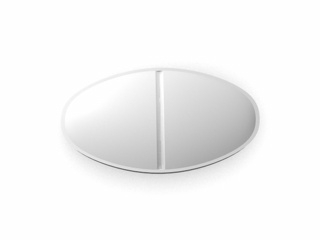
Uniphyl Cr (Theophylline) – Patient Information
Uniphyl Cr contains theophylline, a bronchodilator medicine used to help keep the airways open in people with long-term breathing problems such as asthma and chronic obstructive pulmonary disease (COPD). “Cr” indicates controlled release, designed to release the medicine slowly over time to help maintain levels in the body.
This page explains how Uniphyl Cr works, how it is usually taken, important interactions, side effects, and practical tips for safe use in the United Kingdom.
Key facts at a glance
- Active ingredient: Theophylline
- Brand example: Uniphyl Cr
- Formulation: Controlled-release (Cr)
- Used for: Long-term control of wheeze/breathlessness in selected people (e.g., asthma or COPD) when appropriate
- Important note: Theophylline has a narrow therapeutic range, so dose and monitoring (where advised) are important
- Typical schedule: Often taken once or twice daily depending on your regimen
How Uniphyl Cr works (mechanism of action)
Theophylline helps to relieve and prevent symptoms by widening the airways (bronchodilation) and by reducing some of the activity that contributes to breathing difficulties.
Its main actions include:
- Phosphodiesterase (PDE) inhibition: Theophylline helps increase levels of substances inside airway muscle cells that lead to relaxation of smooth muscle.
- Adrenal effects and inflammatory modulation: It may help support normal airway function and reduce some inflammatory processes.
- Improves airway responsiveness: Over time, it can reduce symptoms such as wheeze and breathlessness in appropriate patients.
Important: Uniphyl Cr is generally used for ongoing control. It may not act as quickly as a “reliever” inhaler for sudden attacks.
Pharmacokinetics (how the body handles theophylline)
Understanding pharmacokinetics helps explain why interactions matter.
- Absorption: With controlled-release tablets, theophylline is absorbed gradually.
- Distribution: It distributes throughout body tissues. Theophylline is relatively widely distributed.
- Metabolism: Theophylline is mainly broken down by the liver, largely via CYP enzymes.
- Excretion: Theophylline and its metabolites are eliminated mainly by the kidneys.
- Half-life: The time it takes for the body to reduce drug levels can vary widely between individuals and with factors like age, liver function, smoking status, and other medicines.
Why it matters: Because theophylline levels can become too high or too low, doctors and pharmacists may advise dose adjustments or blood level monitoring in some situations.
Typical uses in the UK
Uniphyl Cr (theophylline controlled release) is used as an add-on or alternative in selected adults and, in some cases, children, for conditions such as:
- Asthma: For long-term control in specific people who remain symptomatic despite other treatments.
- COPD: To help reduce symptoms and improve breathing in certain patients with chronic obstructive pulmonary disease.
Your healthcare team will decide whether theophylline is appropriate for you based on your symptoms, other medicines, and risk factors.
When to take Uniphyl Cr (timing and routine)
Uniphyl Cr controlled-release tablets are usually taken at regular times each day.
- Try to take it at the same times daily to maintain steady levels.
- Swallow the tablet whole, or follow the specific instructions for your brand strength. Do not crush or chew unless your clinician or pharmacist has advised it.
- Consistency matters: Changes in meal patterns, smoking, alcohol intake, and other medicines can affect theophylline levels.
Missed dose: If you miss a dose, take it when you remember unless it is close to the time of your next dose. Do not take a double dose to make up for the missed one.
Food interactions
Food can influence theophylline absorption and stomach tolerance. The effects can vary by person.
General practical guidance:
- Take with food if you experience stomach discomfort.
- Avoid large, sudden dietary changes without checking with your pharmacist, especially if your dose is being newly adjusted.
- Be cautious with caffeine-heavy foods and drinks (e.g., coffee, strong tea, energy drinks, cola, some chocolates), as caffeine is related in effect and may increase side effects like tremor or palpitations.
Note: There can also be important interactions with specific supplements and herbal products that affect liver enzymes—ask your pharmacist if you are unsure.
Alcohol and medicine interactions
Alcohol
Alcohol may increase the risk of side effects and can affect the way the liver processes medicines. If you drink alcohol, aim for moderation and avoid binge drinking. If you have liver disease, alcohol should be avoided unless specifically advised by your clinician.
Caffeine and “stimulants”
Because theophylline can cause nervous system stimulation in higher levels, combining it with caffeine or other stimulants can increase side effects.
Other medicines (very important)
Theophylline is metabolised by liver enzymes, and many medicines can either raise theophylline levels (increasing risk of toxicity) or lower them (reducing effectiveness).
Tell your pharmacist or clinician if you take any of the following, as they can affect theophylline:
- Antibiotics (examples include macrolides such as erythromycin/clarithromycin, and other antibiotics that can inhibit metabolism)
- Antifungal medicines (e.g., azoles)
- Some stomach medicines (acid-related or enzyme-influencing treatments)
- Antiepileptics (some can reduce theophylline levels)
- Smoking-related interactions:
- Smoking can reduce theophylline levels by increasing certain liver enzyme activity.
- Quitting smoking may increase theophylline levels.
- Other bronchodilators and respiratory medicines (may affect overall side effect profile)
- Herbal products, especially those affecting the liver enzymes
Always check with your pharmacist or doctor before starting or stopping any medicine, including over-the-counter products.
Indications: who Uniphyl Cr is for
Uniphyl Cr is indicated for long-term management of airway disease in appropriate patients. In practice, the decision to use theophylline may depend on:
- Your diagnosis (asthma or COPD)
- Current symptom control with inhalers and other long-term medicines
- Your age, liver and kidney function
- Risk factors for higher theophylline levels (for example, drug interactions, severe liver disease)
- Smoking status
Because Uniphyl Cr requires careful attention to dosing and interactions, it may not be suitable for everyone.
Dosing: general guidance (individualised)
Dose varies by person and may be adjusted according to response and safety. Your prescriber will provide the exact strength and schedule for you.
Important dosing principles
- Controlled release tablets are designed to be taken at set intervals; do not alter the tablet (e.g., splitting/crushing) unless advised.
- Start low and titrate carefully for many patients due to the narrow therapeutic range.
- Dose may be different in elderly patients, those with liver impairment, and those with certain interacting medicines.
- Smoking changes can require dose adjustment.
Typical adult frequency (example)
Many controlled-release theophylline regimens are given once or twice daily. Your exact schedule may differ.
| Situation | How it is commonly taken | What to do |
|---|---|---|
| Typical maintenance (adult) | Often once or twice daily depending on tablet strength and your plan | Follow your label instructions and keep timing consistent |
| Dose adjustment period | May be titrated gradually | Report side effects promptly and attend follow-up if advised |
| High-risk factors (e.g., liver disease, interactions, older age) | Lower doses and closer monitoring may be needed | Do not change your dose without clinician advice |
Do not exceed the prescribed dose. If you suspect overdose or severe side effects, seek urgent medical advice.
Safety profile: side effects and what to watch for
Theophylline can cause side effects, especially if blood levels become too high. Many effects are more likely with higher dose, rapid dose increases, certain interactions, or kidney/liver problems.
Common side effects
- Nausea or stomach discomfort
- Headache
- Feeling restless or difficulty sleeping
- Tremor
- Palpitations (awareness of heartbeat)
Serious side effects (seek urgent advice)
Get urgent help if you experience signs that could indicate theophylline toxicity, such as:
- Severe vomiting or persistent diarrhoea
- Marked tremor, agitation, confusion
- Fainting or severe dizziness
- Serious or irregular heartbeat
- Seizures
- Chest pain or severe breathlessness beyond your normal pattern
If you are concerned about side effects, contact a healthcare professional. Because theophylline levels can change with interactions, prompt advice is important.
Who should be extra cautious
- Liver impairment
- Kidney impairment
- Elderly patients
- People with frequent or significant drug interactions
- People who change smoking habits
- Those taking multiple medicines that may affect theophylline metabolism
Practical use tips for safer, more effective treatment
- Keep a consistent routine: Take your tablet at the same times daily.
- Avoid energy drinks and limit caffeine.
- Check before you start new medicines: including antibiotics, antifungals, herbal remedies, and OTC products.
- Let your clinician know about smoking changes: starting/stopping smoking can affect levels.
- Don’t “double up” if you miss a dose.
- Consider meal support: if the medicine upsets your stomach, taking it with food may help (confirm what’s suitable for you).
- Keep an eye on symptoms: if your wheeze/breathlessness worsens, seek advice rather than increasing dose yourself.
Important: If you are using inhalers for symptom relief, continue to use them as directed. Do not replace a reliever inhaler with Uniphyl Cr unless your clinician has advised.
Alternative options
Depending on your diagnosis and symptom severity, alternatives may include:
- Inhaled bronchodilators:
- Short-acting beta-agonists (SABAs) for rapid symptom relief
- Long-acting bronchodilators for maintenance (e.g., LABA and LAMA options in COPD)
- Inhaled corticosteroids (ICS) for asthma control
- Leukotriene receptor antagonists (in selected asthma patients)
- Other long-acting controllers depending on guidelines and your clinical profile
- For some cases, other formulations of theophylline or different drug classes may be considered
Your pharmacist or clinician can discuss what fits your condition, your current treatment plan, and your risk factors for side effects.
Market and legal context in the UK
In the United Kingdom, medicines are regulated by the Medicines and Healthcare products Regulatory Agency (MHRA), and prescribing and supply practices follow UK healthcare standards and medicines legislation. Medicines are also supported by guidance from professional bodies, and safety information is updated through systems for reporting adverse events.
For theophylline products such as Uniphyl Cr, key practical points in UK care include:
- Medicines safety due to interaction potential and variability between individuals
- Appropriate patient selection and dose individualisation
- Education on side effects and when to seek help
Recent guidance (overview): In respiratory care, recent years have emphasised using modern inhaled therapies with proven safety and effectiveness, while reserving theophylline for selected cases where it is appropriate. Clinicians may also be more cautious with theophylline due to monitoring and interaction risks. Always follow the advice of your healthcare professional regarding whether Uniphyl Cr remains suitable for you.
Delivery and availability (UK)
Uniphyl Cr availability can vary by strength, tablet size, and supply chain demand. In a UK online pharmacy setting, delivery is typically arranged to UK addresses within standard courier timeframes.
What to expect:
- Packaging: medicines are generally dispatched in secure, tamper-evident packaging.
- Tracking: some deliveries include tracking updates.
- Stock status: if an item is temporarily out of stock, the website may show an estimated restock date or alternative options.
- Cold chain: Uniphyl Cr tablets do not normally require refrigeration.
If you need the exact strength, consider checking the product page for the available strengths and pack sizes.
FAQ
1) What is Uniphyl Cr used for?
Uniphyl Cr (theophylline controlled release) is used for long-term management of airway conditions such as asthma and COPD in selected patients, typically when other therapies are not sufficient or when the clinician considers theophylline appropriate.
2) How quickly does it start working?
Controlled-release theophylline is designed for steady maintenance. It may not act as quickly as a reliever inhaler. Symptom improvement can take time depending on your condition and dose.
3) Can I crush or split the tablets?
Controlled-release tablets are usually intended to be swallowed whole. Do not crush or chew unless your pharmacist or prescriber has specifically instructed otherwise for your particular brand/strength.
4) What should I do if I miss a dose?
Take it when you remember if it is not close to the next dose. If you are near the next dose, skip the missed dose and continue as planned. Do not double dose.
5) Can I drink coffee or tea while taking Uniphyl Cr?
You can generally have tea or coffee in moderation, but because caffeine may worsen side effects (like tremor or palpitations), it’s wise to avoid excessive intake. Energy drinks should generally be avoided.
6) Is alcohol safe with theophylline?
Moderate alcohol may be tolerated by some people, but alcohol can increase risk of side effects and can affect liver metabolism. If you drink alcohol, keep it moderate and avoid binge drinking. Seek advice if you have liver disease or experience side effects.
7) Why do my symptoms or side effects change after starting another medicine?
Many medicines can raise or lower theophylline levels by affecting liver enzymes or clearance. This can change both effectiveness and side effects. Always check with your pharmacist before starting new medicines.
8) What side effects mean I should seek help urgently?
Urgent advice is needed for symptoms suggestive of toxicity, such as severe nausea/vomiting, severe tremor, confusion, fainting, severe or irregular heartbeat, or seizures.
9) Does smoking affect Uniphyl Cr?
Yes. Smoking can lower theophylline levels, while quitting smoking can increase them. Inform your healthcare team about changes in smoking so dosing can be reviewed if needed.
10) Are there alternatives to Uniphyl Cr?
Yes. Depending on your diagnosis, alternatives may include inhaled bronchodilators, inhaled corticosteroids, and other long-term asthma/COPD medicines. Your clinician can discuss the best option for your specific needs.
Summary
Uniphyl Cr (theophylline controlled release) is a long-term respiratory medicine designed to help keep airways open and improve symptoms in selected people with asthma or COPD. Because theophylline levels can be affected by other medicines, smoking status, and liver function—and because it can cause side effects if levels become too high—safe use requires careful adherence to dosing instructions and prompt attention to new symptoms.
If you have questions about interactions, side effects, or how to take Uniphyl Cr safely, speak to a qualified healthcare professional or pharmacist.