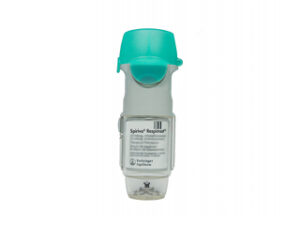
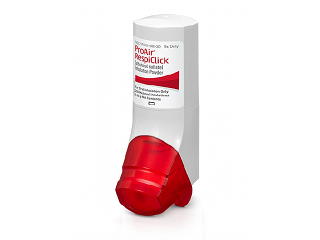
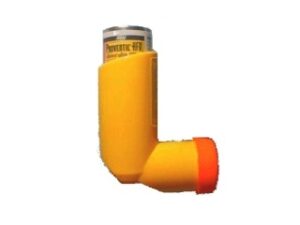
Proair Inhaler (Salbutamol / Albuterol) – Patient Guide (UK)
Proair Inhaler contains salbutamol (albuterol), a fast-acting medicine used to relieve symptoms of asthma and other reversible airways conditions. It helps to quickly open the airways, making it easier to breathe. This guide explains how it works, how to use it properly, and important safety information.
Always check the packaging for your exact strength and instructions. If you are unsure about your technique or dose, speak to a healthcare professional or pharmacist.
1. Basic product information
| Feature | Details |
|---|---|
| Medicine name | Proair Inhaler (Salbutamol / Albuterol) |
| Common use | Reliever inhaler for sudden breathing difficulties |
| Type of medicine | Short-acting beta2-adrenoceptor agonist (SABA) |
| How it is taken | Inhaled into the lungs |
| Onset of action | Typically starts working within minutes |
| Typical duration | Often lasts around 4–6 hours for many people |
2. How Proair Inhaler works (mechanism of action)
Salbutamol is a bronchodilator. After you inhale it, it binds to beta2 receptors on the smooth muscle lining the airways. This causes the airway muscles to relax, leading to opening (dilation) of the airways.
- Relieves bronchospasm: It helps stop the tightening of the airways that causes wheeze and breathlessness.
- Improves airflow: You may notice easier breathing and reduced chest tightness.
- Rapid symptom relief: Designed to work quickly for flare-ups.
Proair Inhaler is considered a reliever (rescue) medicine. It treats symptoms, but it does not treat the underlying airway inflammation that can be present in asthma.
3. Pharmacokinetics (how the body handles salbutamol)
Pharmacokinetics describe what the body does to a medicine (absorption, distribution, metabolism, and elimination). With inhaled salbutamol, most of the intended effect is local in the lungs, but some medicine may enter the bloodstream.
- Absorption: After inhalation, a portion deposits in the airways and lungs; some may be swallowed if it reaches the back of the throat.
- Distribution: The medicine that reaches the bloodstream can distribute throughout the body.
- Metabolism: Salbutamol is primarily metabolised in the liver.
- Excretion: Metabolites are mainly excreted by the kidneys (via urine).
- Timing: Because inhaled salbutamol works quickly, symptom relief usually occurs within minutes.
Individual response varies. People with poor inhaler technique may receive less medicine in the lungs and may experience reduced benefit.
4. Typical uses and indications (what it is for)
Proair Inhaler is used for conditions where symptoms improve after bronchodilation, including:
- Asthma: Relief of sudden symptoms such as wheeze, coughing, chest tightness, and shortness of breath.
- Reversible airways disease / bronchospasm: For episodes where airways tighten and respond to salbutamol.
- Prevention of exercise-induced bronchoconstriction: For some people, before exercise (or predictable triggers), as advised by their clinician.
Important: If your asthma symptoms happen frequently, you may need more than just a reliever. Regular assessment is essential.
5. How soon it works (timing) and how long it lasts
With a correctly used inhaler, salbutamol typically begins to ease symptoms within minutes. The maximum effect is often reached shortly after dosing. Many people find it helps for about 4–6 hours, though the duration can vary.
- For sudden symptoms: use at the start of an attack/flare-up, following the instructions provided.
- For planned triggers: if advised for exercise or allergen exposure, use ahead of the trigger within the time window recommended.
If symptoms are not improving or reliever use is becoming more frequent, seek medical advice promptly.
6. Dosing and administration (adults and children)
Dosing can differ based on age, the severity of symptoms, and your personal treatment plan. Always follow the dosing instructions given with your inhaler or by a healthcare professional.
General dosing principles (UK patient guide)
- Use the inhaler as a reliever to relieve acute symptoms.
- Do not exceed your recommended daily maximum unless a clinician has instructed otherwise.
- If you need repeat doses: allow time between puffs as advised on your inhaler instructions.
- If you use it frequently: it can indicate asthma not being well controlled.
Common dosing patterns (illustrative)
The exact number of puffs and frequency depends on the inhaler strength and your age group. Some typical patterns may include:
- Adults and children (age-dependent): One to two puffs at the start of symptoms, with further puffs only if needed and as directed.
- Pre-exercise (if advised): take it shortly before exercise to reduce the chance of symptoms.
Always check: the patient information leaflet (PIL) for your specific Proair inhaler and your dosing instructions. If you have worsening asthma or require reliever repeatedly, get urgent medical help.
7. Practical use tips (getting the best results)
Correct inhaler technique is essential to ensure enough medicine reaches the lungs. If medicine is not delivered effectively, you may not get relief even if the inhaler is working.
How to use your Proair Inhaler (general steps)
- 1) Check the inhaler: Ensure the mouthpiece is clean and there is no blockage.
- 2) Remove the cap (if applicable).
- 3) Shake the inhaler (many pressurised MDIs require shaking before use).
- 4) Breathe out gently away from the mouthpiece.
- 5) Seal your lips around the mouthpiece.
- 6) Start to breathe in slowly through your mouth.
- 7) Press once to release a puff at the start of your slow inhale.
- 8) Keep breathing in as deeply as you can.
- 9) Hold your breath for about 10 seconds (or as long as comfortable).
- 10) Breathe out slowly.
- 11) If a second puff is needed: wait about 30–60 seconds and repeat.
Spacer advice
Using a spacer (or holding chamber) can improve delivery to the lungs and reduce the amount that gets deposited in the mouth/throat. A spacer is especially helpful for children, for people who struggle with timing, or for reducing side effects.
- Ask your pharmacist or clinician if a spacer is appropriate for you.
- Follow the spacer instructions for your device.
After use
- If you notice an unpleasant taste, mouth dryness, or throat irritation, rinse your mouth with water after use and spit out (particularly if you use other inhaled medicines as well).
- Keep track of how often you use your reliever.
8. Food interactions
In general, food does not have a major direct interaction with inhaled salbutamol. Because the medicine is delivered to the lungs, the effect is mainly local.
- Swallowed portion: Some dose may be swallowed; however, this typically does not require dietary changes.
- Stomach comfort: Rarely, people may feel mild nausea or throat irritation, but this is not usually food-related.
If you experience unusual symptoms after dosing, speak to a pharmacist.
9. Alcohol and medicine interactions
Alcohol
There is no well-known direct interaction between inhaled salbutamol and alcohol for most people, but alcohol may worsen breathing in some situations (e.g., by increasing breathlessness or affecting asthma control).
- If alcohol triggers your symptoms, limit it and discuss with a healthcare professional.
- Do not assume your reliever makes alcohol-related breathing problems safe.
Other medicines (important interactions)
Several medicine groups may interact with salbutamol or affect the risk of side effects such as fast heartbeat or low potassium. Inform your pharmacist or clinician about all medicines you use, including over-the-counter products and herbal remedies.
- Non-selective beta-blockers (e.g., some medicines for heart conditions): may reduce the effect of salbutamol and can worsen bronchospasm.
- Other inhaled bronchodilators or strong asthma medicines: may increase effects such as tremor or palpitations if used too frequently.
- Diuretics (“water tablets”) and steroids: can influence potassium levels; combined effects may increase the chance of low potassium (hypokalaemia), particularly with high doses.
- Medicines that affect heart rhythm: if combined, may increase the risk of rhythm disturbances, especially if salbutamol is overused.
- Tricyclic antidepressants and some antidepressants/antipsychotics: may increase cardiovascular side effects in some people.
If you are using multiple inhalers or start a new medication, check with a pharmacist to ensure they are compatible.
10. Safety profile and side effects
Like all medicines, Proair Inhaler can cause side effects. Many people tolerate salbutamol well, especially when used as directed and not too frequently. Side effects are more likely with higher doses or more frequent use.
Common side effects
- Tremor (shaking), often mild
- Headache
- Fast heartbeat (palpitations)
- Feeling restless or jittery
- Muscle cramps
Less common but important
- Low potassium (hypokalaemia): more likely with repeated/high dosing; symptoms may include weakness or muscle cramps.
- Chest pain or significant palpitations
- Irregular heartbeat (rare)
Seek urgent help if
Get urgent medical assistance (call emergency services) if you have:
- Severe difficulty breathing that is not improving
- Signs of a serious asthma attack (for example, you cannot speak in full sentences, lips or face look bluish, or you are very drowsy/confused)
- Chest pain, fainting, or a very fast/irregular heartbeat that doesn’t settle
If your symptoms are rapidly worsening or you need your reliever more often than usual, treat this as a warning sign. Asthma control may need adjustment.
Using more than needed
Using salbutamol repeatedly or in higher doses than advised can increase the risk of side effects, including heart rhythm problems and low potassium. It does not mean the underlying condition is improving.
11. Patient safety: who should take extra care?
People with certain conditions may require additional monitoring. Tell your clinician or pharmacist if you have:
- Heart disease, fast or irregular heart rhythms
- High blood pressure
- Thyroid disease (overactive thyroid)
- Diabetes or difficulties controlling blood sugar
- Low potassium in the past
- Use of other medicines that can affect potassium or heart rhythm
If you are pregnant or breastfeeding, discuss use with a clinician. Many people can use salbutamol when needed, but guidance should be personalised.
12. When to use Proair and when not to
Use it for
- Sudden wheeze, shortness of breath, or chest tightness
- Breathing symptoms that respond to bronchodilation
- Preventing symptoms when advised before a predictable trigger (e.g., exercise)
Do not rely on it alone if
- You need your reliever very often
- You wake at night due to asthma symptoms
- You are getting symptom flare-ups that are increasing in frequency
Frequent reliever use may indicate inadequate control and a need to review your overall asthma plan.
13. Recent guidance and asthma control in the UK
In the UK, asthma is typically managed with a combination of relievers (like salbutamol) and controller therapy (often inhaled corticosteroids) depending on severity and symptom frequency.
- The National Review of Asthma Deaths and subsequent guidance have emphasised the importance of reviewing diagnosis and ensuring appropriate controller treatment and inhaler technique.
- Current practice commonly focuses on reducing reliever overuse and using structured care plans to improve control.
If your symptoms are worsening, don’t increase reliever use indefinitely—seek advice for a review of your asthma action plan.
14. Delivery, availability, and UK market/legal context
In the United Kingdom, asthma inhalers are widely available through community pharmacies. Availability may vary by region, stock levels, and inhaler presentation (device type, strength, and pack size).
- Regulatory status: Salbutamol inhalers are regulated medicines in the UK.
- Supply: Pharmacy stock is subject to manufacturer availability and seasonal demand.
- Packaging: Check the carton and leaflet for the expiry date and exact strength.
Delivery options (typical for UK online pharmacies)
- Standard delivery: commonly 2–5 working days
- Express delivery: sometimes available depending on location and stock
- Cold-chain: usually not required for inhalers
Delivery times can change. Your order confirmation should display the expected dispatch and delivery window.
If you need your inhaler urgently, contact the pharmacy before ordering to confirm availability and dispatch times.
15. Alternative options to Proair Inhaler
Depending on your condition and individual response, alternatives may include other short-acting bronchodilators or different inhaler devices. A pharmacist can help you understand what is suitable for you.
- Other salbutamol reliever inhalers: different brands or device types may be available.
- Other SABAs: some people use equivalent short-acting bronchodilators.
- Controller inhalers: for long-term control, medicines such as inhaled corticosteroids and other combinations may be used as part of your plan.
- Spacer devices: not an alternative medicine, but a common way to improve effectiveness.
Do not switch devices without guidance if you rely on specific technique. Device design can affect how well medication reaches the lungs.
16. FAQ (Frequently Asked Questions)
1) How many times can I use Proair Inhaler in one day?
The safe maximum depends on the inhaler strength, your age, and your personal action plan. Always follow the instructions on your leaflet and the advice you received. If you find you need it more often than usual, contact a healthcare professional to review your asthma control.
2) My reliever isn’t working as well—what should I do?
Poor inhaler technique, an empty/blocked inhaler, or worsening asthma can all reduce benefit. Check technique and inhaler function (as directed in the leaflet). If breathing difficulties are severe or not improving, seek urgent medical advice.
3) Can I use Proair Inhaler with a spacer?
In many cases, yes. A spacer can improve delivery and reduce mouth/throat deposition. Ask a pharmacist which spacer type is compatible with your specific inhaler.
4) Will Proair Inhaler cure asthma?
No. Salbutamol relieves symptoms by opening airways, but it does not treat airway inflammation. Asthma plans often include long-term controller medicines to reduce flare-ups.
5) Are there any restrictions with driving or work?
Salbutamol is not usually associated with impaired driving. However, side effects like tremor, palpitations, or anxiety may occur. If you feel unwell or dizzy, avoid driving and seek advice.
6) Is Proair Inhaler safe for children?
It is used in children when appropriate. Dosing and technique are especially important, and spacers are often recommended. Follow the child-specific instructions provided in the leaflet or by your clinician.
7) What should I do if I miss a dose?
Proair Inhaler is usually taken when symptoms occur, so “missing a dose” is less common than with daily tablets. Use it only as directed for symptoms or planned triggers. For controller medicines, follow your routine as instructed.
8) Can I take Proair Inhaler during pregnancy or breastfeeding?
Many people can use salbutamol when needed, but you should discuss your situation with a healthcare professional for personalised advice. Keep your asthma controlled to reduce risk for both you and your baby.
9) What if I need to use my inhaler frequently?
Frequent reliever use can be a sign that asthma is not well controlled. Arrange a review of your treatment plan and inhaler technique. If symptoms are worsening or reliever is not providing adequate relief, seek urgent help.
10) How should I store my inhaler?
Store at room temperature, protected from heat and direct sunlight. Keep the device dry and follow the leaflet guidance. Check the expiry date and do not use after it has passed.
17. Key takeaways
- Proair Inhaler (salbutamol) is a fast-acting reliever that helps open airways.
- Use correctly—technique and spacers can make a big difference.
- Monitor reliever use: needing it often may indicate poor asthma control.
- Get urgent help if breathing is severely difficult or not improving.
If you would like, tell me your age group (adult/child) and whether you’re using Proair for asthma or exercise-trigger symptoms, and I can help you understand common “how to use” and “when to seek help” scenarios more clearly.