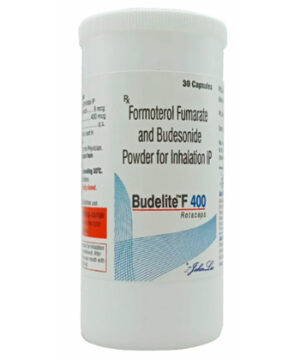

Budesonide Inhaler (UK) – Patient Information
Budesonide inhalers are medicines used to control symptoms and reduce inflammation in the airways. They are widely used in the United Kingdom for conditions such as asthma and chronic respiratory diseases. This page explains how budesonide works, how to use your inhaler correctly, what to expect, and important safety information.
Important: Always follow the instructions given by your healthcare professional and the information leaflet that comes with your inhaler. This guide provides general information and does not replace personalised medical advice.
Product overview
Budesonide is a corticosteroid (steroid medicine) delivered directly to the lungs via an inhaler. Because it targets the airways, it helps reduce swelling (inflammation) and irritation that can make breathing difficult.
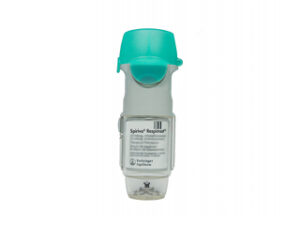
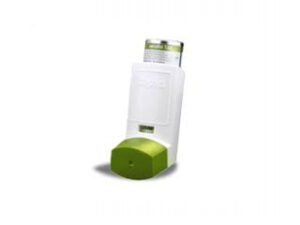
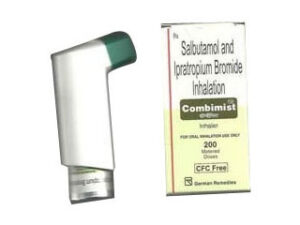
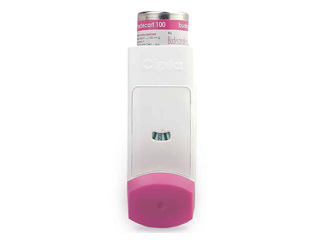
Budesonide inhalers may come in different devices (for example, pressurised metered-dose inhalers or dry powder inhalers), and the exact strength (micrograms per dose) depends on the specific product. Your packaging will show the name, dose strength and device type.
| Category | Details |
|---|---|
| Active ingredient | Budesonide (inhaled corticosteroid) |
| Common uses | Asthma control; COPD management (as advised); other steroid-responsive airway inflammation |
| How it works | Reduces airway inflammation and hypersensitivity |
| Time to effect | Some improvement may occur within days; full benefit often takes 1–2 weeks (or longer in some people) |
| Typical role | Maintenance/long-term control rather than “rescue” relief |
| Typical side effects | Hoarseness, sore throat, thrush (oral fungal infection), throat irritation |
How budesonide works (mechanism of action)
In asthma and certain other chronic airway conditions, the airways become inflamed and overly reactive. Budesonide is a corticosteroid that acts locally in the lungs to:
- Reduce airway inflammation (swelling and irritative response)
- Lower production of inflammatory mediators involved in asthma symptoms
- Improve airway responsiveness to normal breathing and reduce flare-ups
- Help prevent symptoms such as wheeze, chest tightness, cough and breathlessness
It is not designed to provide immediate relief in the way a quick-acting “reliever” (such as a short-acting beta2 agonist) does. Instead, it helps keep symptoms under control by treating the underlying inflammation over time.
Pharmacokinetics (what happens in the body)
Pharmacokinetics describes how the medicine is absorbed, distributed, metabolised, and eliminated. With inhaled budesonide, most activity occurs in the lungs where it is needed.
Absorption
After inhalation, budesonide deposits on the airway surfaces. A portion may be swallowed with saliva. Absorption from the lungs and from the gastrointestinal tract can contribute to overall exposure.
Distribution
Budesonide is distributed throughout the body, but its main therapeutic effect is local in the respiratory tract. The medicine has protein-binding in blood, which affects how much is available for activity.
Metabolism
Budesonide is extensively metabolised, mainly by enzymes in the liver (notably CYP3A4). This means that the body breaks down the steroid into inactive or less active metabolites.
Elimination
Metabolites are eliminated mainly via the kidneys (urine). The dosing schedule aims to maintain effective anti-inflammatory levels in the airways with minimal systemic effects.
Practical implication: Because budesonide is metabolised in the liver, interactions with medicines that affect CYP3A4 can alter budesonide levels (see “Medicine interactions” below).
What budesonide inhalers are used for (indications)
Budesonide inhalers are used for conditions where inflammation in the airways plays a key role. The exact indications depend on the specific product and formulation.
Asthma
- Maintenance treatment to keep asthma controlled
- Prevention of symptoms and exacerbations
- Often used as part of combination therapy with a long-acting bronchodilator, depending on disease severity
COPD (chronic obstructive pulmonary disease)
In some people with COPD, inhaled corticosteroids may be prescribed—typically for those with a history of exacerbations and in specific clinical scenarios (for example, frequent flare-ups and/or features suggesting a steroid-responsive component).
Other steroid-responsive airway inflammation
Occasionally, clinicians may use inhaled budesonide for other inflammatory airway conditions that respond to steroids. Your local formulary and your clinician’s assessment determine whether it is appropriate for you.
How and when to use your inhaler (timing)
Correct timing and technique matter. Budesonide works best when used consistently as directed. If you use it “only when you feel symptoms,” inflammation may not be controlled.
Typical schedule
- Many people use budesonide inhalers once or twice daily, depending on their prescribed regimen.
- Try to take doses at regular times each day (for example, morning and evening).
- If your regimen is twice daily, aim for doses about 12 hours apart.
How quickly does it work?
- Early improvement: some people notice symptom relief within a few days.
- Full benefit: it may take 1–2 weeks (or sometimes longer) to achieve maximum effect.
- Continue using it even if you feel better, unless advised to stop.
Using a spacer (if applicable)
If you have a pressurised metered-dose inhaler (pMDI), your clinician or pharmacist may recommend a spacer. A spacer can:
- Improve how much medicine reaches the lungs
- Reduce medicine deposited in the mouth, lowering the risk of thrush and hoarseness
- Make it easier to coordinate inhalation with actuation
Dose and administration (typical dosing patterns)
The dose depends on your condition, severity, and the specific strength of the inhaler you have. Your prescription label and product leaflet will provide exact instructions.
General dosing principles
- Use the lowest dose that maintains control (dose may be adjusted over time).
- Do not increase or stop suddenly without advice.
- If you miss a dose, follow the product leaflet instructions; in general, take it when you remember unless it is close to the next dose.
Example approach in practice (not a substitute for your plan)
Many patients with asthma start on a dose suitable for their level of symptoms. Clinicians may step up if control is poor and step down if control is stable for a period.
| Condition | Typical use pattern | Notes |
|---|---|---|
| Asthma | Once or twice daily maintenance | Often combined with a long-acting bronchodilator depending on severity |
| COPD | Maintenance in selected cases | May be used with other COPD inhalers; not everyone with COPD needs an inhaled steroid |
| Prevention | Consistent day-to-day use | Not a quick fix for sudden breathlessness |
Key point: If you are using a reliever inhaler, keep using it as directed for sudden symptoms. Budesonide is for long-term control, not emergency relief.
Practical instructions for using budesonide inhalers correctly
Even a great medicine can work poorly if inhaler technique is incorrect. Follow the steps below and use the device exactly as instructed in the product leaflet.
If you use a pressurised metered-dose inhaler (pMDI)
- Check the inhaler: remove the cap and shake if your device instructions say to do so.
- Breathe out fully away from the mouth.
- Seal lips around the mouthpiece.
- Start inhaling slowly and press the canister to release a dose.
- Keep breathing in slowly and deeply.
- Hold your breath for about 5–10 seconds (or as comfortable).
- If a second puff is prescribed, wait about 30–60 seconds and repeat steps.
- Rinse your mouth and spit out after use. If you have dentures, remove them and rinse as well.
If you use a dry powder inhaler (DPI)
- Open the device according to the instructions.
- Breathe out fully away from the mouth (do not blow into the device).
- Seal lips around the mouthpiece.
- Breathe in quickly and deeply through the device.
- Hold your breath for about 5–10 seconds.
- If a second dose is needed, repeat as directed.
- Rinse your mouth and spit out after use.
Common technique tips
- Use on time: consistent daily use improves control.
- Don’t skip rinsing: helps reduce thrush and hoarseness.
- Have your technique checked: a pharmacist or nurse can watch you use your inhaler and correct errors.
- Keep inhalers accessible: avoid storing them in damp places; protect from moisture and extreme temperatures.
Food interactions and dietary considerations
Inhaled budesonide is delivered to the lungs, so food interactions are generally minimal. Any swallowed portion may pass through the stomach, but the effect of food on budesonide absorption is not typically a major concern for inhaled therapy.
- Rinsing after inhalation is still important even if you eat or drink later.
- If you experience stomach upset from any swallowed medicine (uncommon with correct technique), speak to a pharmacist.
Alcohol and medicine interactions
Alcohol
Moderate alcohol intake is not generally expected to directly interact with inhaled budesonide. However, alcohol can worsen overall health, sleep, and breathing patterns in some people and may increase dehydration.
If you have liver disease or take other medicines that interact with budesonide’s metabolism, discuss alcohol use with a clinician.
Medicine interactions (important)
Because budesonide is metabolised mainly by CYP3A4 in the liver, certain medicines can increase budesonide levels in the body and may increase the risk of steroid-related side effects.
- Stronger CYP3A4 inhibitors (e.g., some antifungals like ketoconazole/itraconazole, and some antibiotics/antivirals such as certain HIV protease inhibitors) may increase budesonide exposure.
- Some medicines that affect liver enzymes may change steroid metabolism.
- Other steroid medicines (tablets or long-term injections) can add to overall steroid burden.
- Diuretics and heart medicines: not direct CYP3A4 interactions, but overall steroid effects (if systemic exposure increases) can influence electrolytes and symptoms in vulnerable individuals.
Always tell your pharmacist or clinician about all medicines you use, including over-the-counter products and herbal remedies.
Safety profile and possible side effects
Inhaled budesonide is generally well tolerated because it acts primarily in the lungs. Nevertheless, side effects can occur, particularly if doses are high or inhaler technique leads to more medicine remaining in the mouth.
Common side effects
- Hoarseness or voice changes
- Sore throat or throat irritation
- Oral thrush (oral candidiasis) – a white patchy coating in the mouth, sometimes with soreness
- Cough or mild irritation after inhalation
Ways to reduce mouth-related side effects
- Use a spacer with pMDIs if advised
- Rinse your mouth and spit after each dose
- Check inhaler technique (a pharmacist can help)
Less common but important effects
- Increased risk of infections in the mouth/throat (especially thrush)
- Systemic steroid effects can occur with higher doses over time (effects vary by individual). These may include effects on skin, bones, eyes, or adrenal function in susceptible people.
Seek urgent medical advice if
- You develop signs of a severe allergic reaction (e.g., swelling of face/lips, sudden wheeze, rash, severe dizziness)
- Your breathing rapidly worsens despite using your reliever inhaler
- There are signs of a serious infection or you are unwell and symptoms escalate quickly
If you need frequent reliever use or your asthma/COPD control is deteriorating, contact your healthcare team promptly. Increasing inflammation may require treatment review.
Safety considerations for special groups
Children
Budesonide inhalers can be used in children when appropriate. Correct technique and use of a spacer (for pMDI) are especially important. Growth should be monitored as part of routine asthma care.
Pregnancy and breastfeeding
Inhaled corticosteroids are commonly used in pregnancy when needed for asthma control, because maintaining good breathing is important for both parent and baby. Budesonide is often preferred in clinical practice. Discuss your situation with your healthcare professional to ensure the lowest effective dose is used.
Older adults
Older adults may have other health conditions and take multiple medicines. Review of inhaler technique and potential interactions is helpful to reduce side effects.
Liver impairment
Since budesonide is metabolised in the liver, significant liver impairment may affect how the medicine is processed. Your clinician may monitor you more closely or adjust your treatment.
Practical use tips for best results
- Use it daily: budesonide prevents symptoms by reducing inflammation.
- Don’t “save” it: symptoms may flare if you stop or reduce doses without advice.
- Check your technique regularly: technique can drift over time.
- Track symptoms: keep note of daytime symptoms, night waking, reliever use, and any flare-ups.
- Store correctly: keep inhalers dry and avoid high temperatures.
- Check your inhaler type: pMDI vs DPI require different technique.
- Ask for a review: if reliever use increases, you may need an adjustment to your maintenance plan.
Alternative options
If budesonide inhaler is not suitable or not controlling symptoms adequately, clinicians may consider other inhaled corticosteroids or different combinations.
Other inhaled corticosteroids
- Beclometasone
- Fluticasone
- Mometasone
- Ciclesonide (availability depends on product range)
Combination inhalers
Many patients use a combination of an inhaled corticosteroid with a long-acting bronchodilator (e.g., LABA) to improve symptom control. The choice depends on your diagnosis and response.
Non-steroid options (where appropriate)
- Leukotriene receptor antagonists (for some asthma patients)
- Long-acting bronchodilators (especially in COPD, as part of guideline-based care)
Do not switch inhaler without medical advice, as dose strengths and devices differ.
UK market and legal/regulatory context
In the United Kingdom, inhaled medicines are regulated to ensure quality, safety and performance. Budesonide inhalers are available through pharmacy supply channels and may be subject to specific supply arrangements depending on product formulation and strength.
Your local pharmacy can advise on availability, device types, and how to identify the correct strength. Inhalers are intended for inhalation use only; do not swallow inhaler contents unless directed by the manufacturer.
Guidance basis: Asthma and COPD prescribing is commonly guided by national clinical recommendations and local formularies, with treatment aimed at achieving control while minimising side effects.
Recent guidance and treatment approach (UK)
UK asthma and COPD care typically focuses on:
- Personalised stepwise treatment (step up when control is poor; step down when stable)
- Inhaler technique support and regular review of adherence
- Using relievers appropriately and addressing triggers
- For asthma: ensuring that maintenance therapy reduces symptoms and risk of exacerbations. For some patients, care may involve single maintenance and reliever strategies depending on clinician assessment and product suitability.
- For COPD: using inhaled corticosteroids for selected patients, with attention to infection risk and overall COPD management (including smoking cessation, vaccination and pulmonary rehabilitation where appropriate).
Your healthcare professional may adjust treatment over time based on symptom control, exacerbation history, and side effects.
Delivery, availability, and what to expect
Budesonide inhalers are generally widely available from UK pharmacies. Availability can vary by device type (pMDI vs DPI), strength, and brand range.
- Delivery: Online pharmacies in the UK commonly offer standard and express delivery options. Delivery times depend on stock availability and your location.
- Packaging: Your product will arrive in manufacturer packaging with patient information and device instructions.
- Storage: Store your inhaler according to the leaflet; keep it dry and away from excessive heat.
If you need a replacement inhaler urgently (for example, your device is empty), contact the pharmacy or check stock before placing an order.
FAQ – Budesonide Inhaler
1) Is budesonide inhaler a reliever?
No. Budesonide is a maintenance corticosteroid used to reduce inflammation and prevent symptoms over time. It is not intended for immediate relief of sudden breathlessness. Your reliever inhaler should be used for acute symptoms as advised.
2) How long does it take before I feel better?
Some people notice improvement within a few days, but full benefit often takes 1–2 weeks (or longer). Continue using it regularly as prescribed even if you feel better.
3) Why does my mouth get sore or I get thrush?
Budesonide can deposit in the mouth. This may lead to thrush or hoarseness, especially if technique is imperfect. Rinsing your mouth and using a spacer (if using a pMDI) can reduce this risk.
4) What should I do if I miss a dose?
Follow the instructions in your product leaflet. In general, if you remember soon after missing a dose, take it unless it is almost time for the next one. Do not take extra doses to make up for a missed one.
5) Can I use budesonide with other inhalers?
Many people use budesonide alongside a reliever inhaler and possibly other long-acting medicines. If you use multiple inhalers, use them in the order and spacing recommended by your healthcare professional.
6) Does alcohol affect budesonide?
Alcohol is not usually expected to directly interact with inhaled budesonide. However, heavy drinking can worsen health and may affect breathing control in some people.
7) Are there any medicines I should be careful with?
Yes. Medicines that inhibit CYP3A4 (including some antifungals and certain antivirals) can increase budesonide exposure. Tell your pharmacist or clinician about all medicines you take, including over-the-counter products and herbal supplements.
8) Can I stop budesonide when my symptoms improve?
Do not stop suddenly without advice. Symptoms may improve while inflammation is still present. Treatment is usually adjusted gradually based on stability and clinical review.
9) What if my asthma/COPD gets worse?
If symptoms worsen or you need your reliever more often, contact your healthcare team promptly. Worsening control may require stepping up maintenance therapy and reviewing inhaler technique and triggers.
10) What should I do about inhaler technique?
If you’re unsure how to use your inhaler, ask a pharmacist or nurse for a demonstration. Incorrect technique is a common reason for poor control.
Summary
Budesonide inhalers are inhaled corticosteroids used to control airway inflammation and reduce symptoms and flare-ups in conditions such as asthma. They work best when taken consistently, with correct inhaler technique and regular mouth rinsing to help prevent side effects like thrush and hoarseness. If you experience worsening symptoms, increased reliever use, or concerns about side effects, contact your healthcare team for a review.