Spiriva (Tiotropium Bromide) – Patient-Friendly Guide (UK)
Spiriva is a medicine containing tiotropium bromide, used to help manage breathing problems such as chronic obstructive pulmonary disease (COPD) and, in some forms, asthma. It belongs to a group of medicines called anticholinergics (also known as bronchodilators).
This guide explains what Spiriva is, how it works, how to use it, what to expect, and important safety information for people in the United Kingdom.
At a glance
- Active ingredient: Tiotropium bromide
- Medicine type: Long-acting anticholinergic bronchodilator
- Used for: COPD (and certain asthma indications depending on the product)
- Typical schedule: Often once daily using an inhaler device
- Key benefit: Helps keep airways open and reduces symptoms over the day
- Not for sudden attacks: Not usually used to treat sudden breathlessness during an emergency
Basic product information
Spiriva is marketed in the UK under different presentations depending on the inhaler device. Commonly you may see:
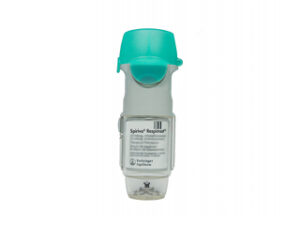
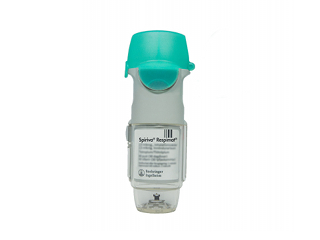
- Spiriva Respimat (tiotropium bromide delivered via the Respimat inhaler)
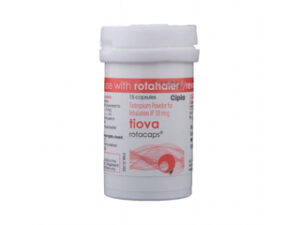
- Spiriva HandiHaler (tiotropium bromide inhalation capsules for use with the HandiHaler device)
The exact dose, number of puffs, and inhalation technique depend on the device and formulation. Always follow the instructions provided with your specific Spiriva product.
How Spiriva works (mechanism of action)
Tiotropium is a long-acting muscarinic antagonist. In the lungs, natural nerve signals (via muscarinic receptors) can cause the airways to narrow and produce mucus. Spiriva blocks these signals, helping to:
- Relax airway smooth muscle (bronchodilation)
- Reduce mucus-related problems by reducing cholinergic effects
- Provide sustained symptom relief by maintaining bronchodilation over 24 hours
Because it works by reducing the airway narrowing process, Spiriva helps with ongoing control rather than treating a sudden worsening immediately.
Pharmacokinetics (how the body handles tiotropium)
Understanding pharmacokinetics (PK) can help explain why Spiriva is taken once daily and what to expect.
Absorption
- Tiotropium is delivered directly to the lungs via inhalation, leading to local bronchodilator effect.
- Systemic absorption occurs, but the lungs are the main target for the intended benefit.
Distribution
- Tiotropium is largely distributed to peripheral tissues after absorption.
- It shows binding to muscarinic receptors, supporting its long-lasting effect.
Metabolism
- Tiotropium is not extensively metabolised.
- Small amounts may be metabolised and cleared by normal body processes.
Elimination
- Tiotropium is primarily eliminated via the kidneys.
- Its long duration of action supports once-daily dosing for many patients.
Typical uses and indications in the UK
Indications can vary depending on the product and device. In general, Spiriva is used for:
- COPD (Chronic Obstructive Pulmonary Disease): Maintenance treatment to reduce symptoms and improve lung function and quality of life.
- Asthma (in specific situations/products): Some tiotropium-containing inhalers may be used as add-on treatment in appropriate patients, under specialist guidance.
If you are unsure whether your Spiriva is intended for COPD or asthma, check the product label and the patient information leaflet supplied with your inhaler.
When to take Spiriva (timing and routine)
Many Spiriva regimens are taken once daily. The best time is often the time you can take it consistently. Choose a time that suits your day and stick with it.
Practical timing tips
- Take at the same time each day to maintain steady control.
- If you miss a dose, take it when you remember
- Do not double up to make up for a missed dose.
- Use fast-relief (rescue) inhalers for sudden symptoms as advised by your healthcare team.
Food interactions
Because tiotropium is inhaled and primarily acts locally in the lungs, food interactions are not generally expected. In most patients, it can be taken with or without food.
However, always follow the advice on your medicine leaflet and speak with a healthcare professional if you have multiple medicines or a complex medical history.
Alcohol interactions
Alcohol is not known to have a direct interaction with tiotropium in the way some medicines do. That said, drinking alcohol can affect breathing, sleep, and symptom control, especially in COPD or asthma.
If you drink alcohol, consider:
- Staying within safe limits recommended for your age and health.
- Avoiding alcohol if it triggers breathlessness, wheeze, or coughing for you.
- Ensuring you continue your inhalers as prescribed to maintain baseline control.
Medicine interactions (including common inhaler regimens)
Spiriva can be used alongside several other respiratory medicines. Interactions are mainly a consideration when combining medicines that have similar mechanisms or anticholinergic effects.
Important interaction themes
- Other anticholinergics: Using two anticholinergic inhalers together may increase the risk of side effects such as dry mouth or urinary symptoms. Your clinician will advise the safest plan.
- Different bronchodilators: Spiriva is often prescribed alongside inhaled steroids and/or other inhalers (for example, beta-agonists) depending on your condition severity.
- Medicines for urinary problems: People with an enlarged prostate or urinary retention may be more sensitive to anticholinergic effects.
- Eye conditions (e.g., narrow-angle glaucoma): Inhaled anticholinergic medicines can rarely affect eyes if mist gets into them. Seek advice if you have such conditions.
What to do
- Tell your healthcare professional or pharmacist about all medicines you use, including over-the-counter products.
- Do not start, stop, or change inhaler combinations without guidance.
Dosing: strength, frequency, and how to use correctly
Dosing depends on which Spiriva device you have. The following is patient-focused guidance, but always check your label and leaflet for the exact instructions for your specific formulation.
Typical dosing schedules
- COPD: Often once daily maintenance dosing.
- Asthma (where indicated): May be used as add-on therapy under clinician direction, typically on a once-daily basis.
Device-specific use (general principles)
The most common reasons for poor results with inhalers are incorrect technique or using the wrong number of puffs for the device. Below are general tips that apply to inhaler use, but your device-specific instructions matter.
General inhalation technique tips
- Prepare the inhaler exactly as the instructions state.
- Breathe out fully
- Seal your lips
- Inhale steadily and deeply when releasing a dose (for devices that require coordination).
- Hold your breath briefly after inhaling (as advised in your instructions).
- If you need a second dose (only if your product instructions require it), wait and then repeat steps.
For capsule devices (e.g., HandiHaler)
- Use only the capsules
- Do not swallow the capsule.
- Charge the capsule into the device as described and inhale the aerosol through the mouthpiece.
For Respimat devices
- Follow steps for loading and priming as outlined in the leaflet.
- Use the correct number of inhalations per day for your prescribed strength.
If you are uncertain about technique, ask your pharmacist, practice nurse, or respiratory nurse for an inhaler technique check. This can improve symptom control and reduce waste of medicine.
Safety profile: side effects and when to seek help
Like all medicines, Spiriva can cause side effects. Many are mild, but some effects require urgent medical attention. Your healthcare team can help you weigh benefits and risks for your situation.
Common side effects
- Dry mouth
- Constipation or other bowel changes
- Sore throat or mild throat irritation
- Cough or mild breathing discomfort shortly after inhalation
- Headache
- Urinary discomfort (more likely in people with urinary retention risk)
Less common but important risks
- Eye symptoms: blurred vision, eye pain, halos around lights (rare). Seek urgent advice. This is especially important if you have narrow-angle glaucoma.
- Difficulty urinating: new or worsening urinary retention symptoms (important for those with prostate enlargement).
- Allergic reaction: swelling of face/lips, rash, severe itching, or breathing difficulties. Seek urgent help.
Seek urgent medical attention if
- You develop severe wheezing, tightness of the chest, or significant breathlessness
- You experience eye pain or significant vision changes.
- You cannot urinate when you normally can, especially with discomfort.
- Signs of an allergic reaction occur.
Who should take extra care
- People with kidney impairment, as tiotropium is cleared primarily by the kidneys.
- People with urinary retention or significant prostate enlargement.
- People with narrow-angle glaucoma or eye sensitivity.
- People with a history of frequent or severe exacerbations should have a clear plan for what to do during worsening symptoms.
Practical use tips for best results
Spiriva works best when used consistently and correctly. These practical tips can make a meaningful difference:
- Check inhaler technique regularly: Even small technique errors can reduce the dose reaching the lungs.
- Don’t stop suddenly: If your symptoms worsen after stopping, seek advice promptly.
- Use a spacer only if advised: Spiriva formulations and devices typically have specific instructions; do not assume spacer use is appropriate.
- Rinse mouth if advised: Some inhaled medicines require mouth rinsing. For tiotropium, mouth feel and irritation may occur; ask your pharmacist if rinsing is recommended for your specific regimen.
- Keep track of doses: Use a daily reminder if it helps you stay consistent.
- Store correctly: Keep in a dry place and follow the storage instructions on the pack.
What to expect: effectiveness over time
Spiriva is designed for maintenance control. Many people notice improvement within days, though the timing can vary. If you feel no benefit, do not simply increase the dose on your own—check technique and discuss your situation with your pharmacist or clinician.
If you experience a sudden worsening of symptoms (for example during an infection), follow your personal action plan if you have one and use your reliever inhaler as instructed.
Alternative options for COPD and asthma
Depending on your diagnosis, symptom severity, and current treatment, alternatives may include other long-acting bronchodilators or combination inhalers. Options commonly discussed in the UK include:
For COPD
- Long-acting beta-2 agonists (LABAs): such as formoterol or salmeterol (often once or twice daily depending on product).
- Long-acting muscarinic antagonists (LAMAs): other tiotropium-related or different LAMA medicines.
- Combination inhalers: for example LAMA/LABA or LAMA/LABA with an inhaled corticosteroid, depending on severity.
For asthma (where appropriate)
- Inhaled corticosteroids (ICS): the cornerstone of asthma control for many people.
- ICS/LABA combinations: frequently used for maintenance in more symptomatic asthma.
- Other add-on controllers: decisions depend on specialist assessment and existing treatment response.
Your most appropriate alternative depends on your specific condition, inhaler technique, other medicines, and history of exacerbations. A pharmacist or GP can help review the options.
UK market and legal context (high-level)
In the United Kingdom, medicines like Spiriva are regulated under the UK medicines framework. Availability and supply processes must follow applicable UK requirements. Your local pharmacy may supply Spiriva depending on stock, the correct product, and the patient’s treatment plan.
Clinical use of Spiriva in COPD and asthma aligns with evidence-based practice and national guidance, which may be updated over time. For COPD, many clinicians also refer to guidance developed by professional bodies and the NHS. For asthma, clinicians commonly refer to asthma management guidance and stepwise treatment approaches.
Recent guidance and updates (what to keep in mind)
Guidance on COPD and asthma management can evolve as new evidence emerges. In recent years, key themes in respiratory care have included:
- Emphasis on correct inhaler technique and regular review of patient skills.
- Choice of long-acting medicines based on symptoms and exacerbation risk, often using a stepwise approach.
- Personalised asthma care with monitoring of control and adjustment of maintenance therapy where needed.
If you are unsure whether your current inhaler fits your current plan, consider speaking to your healthcare professional for a review.
Delivery and availability via online pharmacy (UK)
Delivery services can vary by online pharmacy provider, location, and product availability. Availability may depend on:
- Stock levels at the time of ordering
- The specific Spiriva device/formulation you require
- Standard delivery schedules and courier capacity
When ordering online, ensure you select the correct product (for example, the Respimat or HandiHaler version) and the correct strength if applicable.
After dispatch, you may receive delivery updates by email or text, depending on the provider’s service.
Storage advice
- Store the inhaler according to the pack instructions (typically in a cool, dry place).
- Keep out of reach and sight of children.
- Check expiry date on the packaging before use.
Frequently Asked Questions (FAQ)
1) What is Spiriva used for?
Spiriva (tiotropium bromide) is used for maintenance treatment of breathing problems such as COPD. Depending on the exact Spiriva product and your clinical situation, it may also be used in certain asthma treatment plans.
2) How quickly will Spiriva work?
Many people start to notice improvements within days. Full benefits can take a little longer. If you do not feel any difference after a reasonable trial, speak to your pharmacist or clinician rather than changing the dose yourself.
3) Is Spiriva a reliever inhaler?
No. Spiriva is a long-acting maintenance medicine. It is generally not intended to treat sudden breathlessness or acute attacks. Use your reliever (rescue) inhaler as advised in your action plan.
4) Can I take Spiriva with food?
Yes. Food interactions are not generally expected because tiotropium is inhaled and acts mainly in the lungs.
5) Can I drink alcohol while using Spiriva?
There is no known direct interaction with alcohol for tiotropium, but alcohol can worsen breathing symptoms in some people. If you notice breathlessness or side effects after alcohol, consider reducing or avoiding it and seek advice.
6) What if I miss a dose?
Take it when you remember unless it is close to your next scheduled dose. Do not take a double dose. If you are unsure, ask your pharmacist for advice.
7) What should I do if my breathing worsens?
Use your reliever inhaler as directed and follow any action plan you have. If symptoms become severe, suddenly worsen, or you are concerned, seek urgent medical advice.
8) Are there any common side effects?
Common side effects can include dry mouth, constipation, mild throat irritation, or cough. If side effects are persistent or bothersome, speak to a healthcare professional.
9) I have glaucoma—can I use Spiriva?
People with narrow-angle glaucoma should use anticholinergic inhalers with caution. If you experience eye pain or blurred vision, seek urgent help. Discuss your eye conditions with your doctor or pharmacist.
10) I have prostate problems—should I be careful?
Tiotropium can sometimes affect urinary function. If you have urinary retention or significant prostate enlargement, speak to a healthcare professional about risks and monitoring.
11) Can I use Spiriva with other inhalers?
Many people use Spiriva alongside other inhalers such as inhaled corticosteroids and/or long-acting beta-agonists. Avoid combining two medicines with similar anticholinergic effects unless advised by your clinician.
12) How do I ensure I use the inhaler correctly?
Technique is crucial. If possible, have your pharmacist or practice nurse observe your inhaler use. Many issues can be corrected quickly.
Summary
Spiriva (tiotropium bromide) is a long-acting anticholinergic inhaled medicine used mainly for COPD maintenance and in some patients for asthma add-on treatment. It helps keep the airways open by blocking muscarinic receptors and providing relief over the day. For the best results, use the inhaler consistently, follow device instructions carefully, and seek advice if you experience side effects or symptoms that worsen unexpectedly.