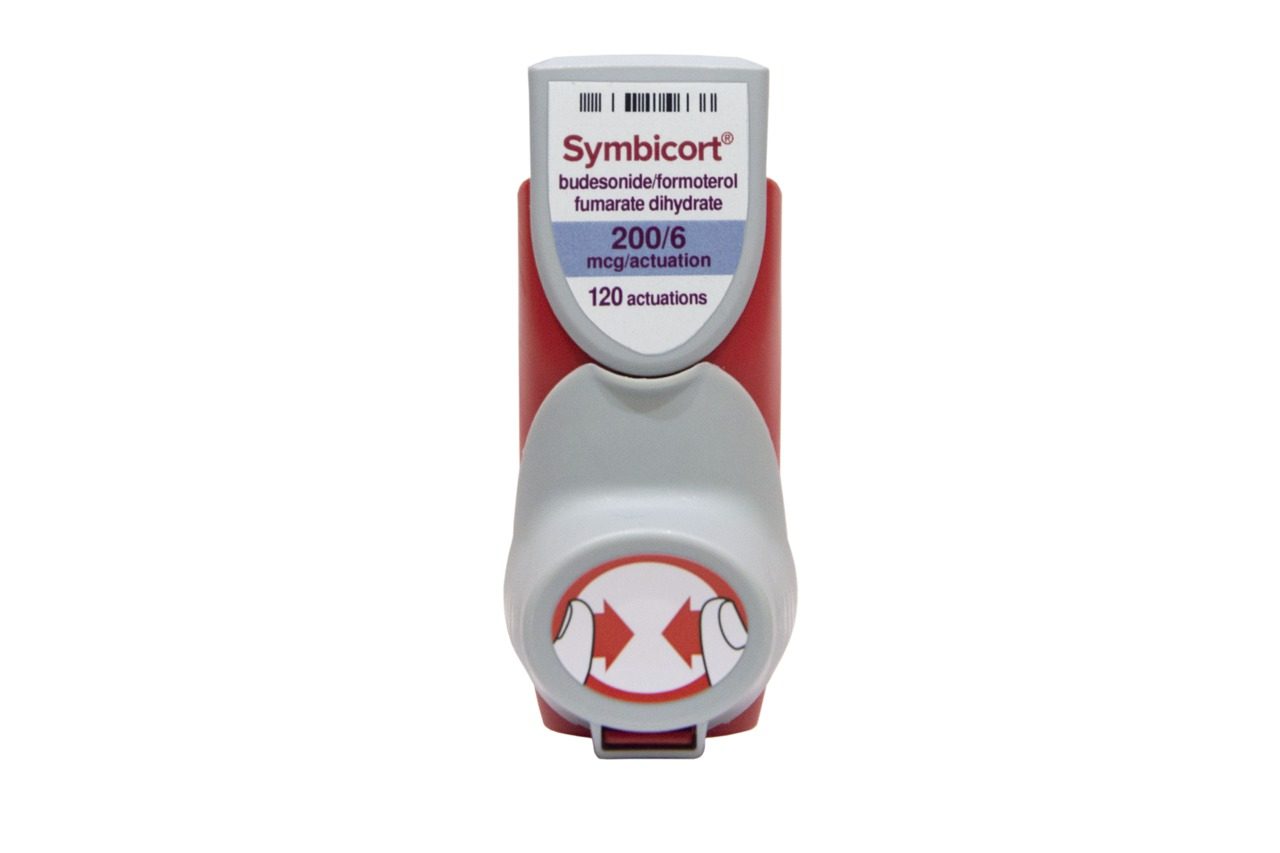
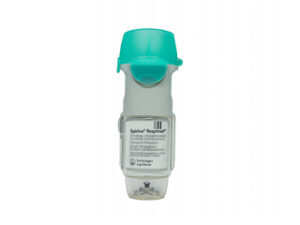

Symbicort (Powder Form)
Budesonide / formoterol fumarate dihydrate (Inhalation Powder)
Symbicort is an inhaled medicine used to help control long-term breathing problems such as asthma and chronic obstructive pulmonary disease (COPD). It contains two active medicines: budesonide (a corticosteroid that reduces airway inflammation) and formoterol fumarate dihydrate (a long-acting bronchodilator that helps open the airways).
This page explains how Symbicort works, when it is typically used, how to take it safely, what to consider about food/alcohol/other medicines, and what to expect in the UK.
Quick product overview
| Category | Details |
|---|---|
| Brand | Symbicort (powder form) |
| Active ingredients | Budesonide + formoterol fumarate dihydrate |
| How it’s used | Inhalation (dry powder inhaler) |
| What it helps with | Helps control symptoms and prevent flare-ups by reducing inflammation and keeping airways open |
| Typical role in therapy | Maintenance (and in some regimens also used for symptom relief, depending on the prescribed approach and inhaler strength) |
Important: Exact dosing and whether you use it for maintenance only or also for symptom relief depends on your individual plan and the specific strength/inhaler you have been given.
What Symbicort does (mechanism of action)
Symbicort combines two complementary actions in the lungs:
- Budesonide (inhaled corticosteroid): reduces inflammation in the airways, helping to decrease swelling and irritation that contribute to asthma symptoms and COPD flare-ups.
- Formoterol (long-acting beta-2 agonist): relaxes the muscles around the airways, improving airflow and reducing breathlessness and wheeze. Formoterol also has relatively quick onset compared with some other long-acting bronchodilators.
Together, these medicines help improve breathing control over time and reduce the likelihood of symptoms worsening.
Pharmacokinetics (how the body handles it)
While medicines act mainly in the lungs, some absorption into the body occurs. In general:
- Absorption: After inhalation, budesonide and formoterol are absorbed through the lung tissue and into the bloodstream.
- Distribution: The medicines circulate throughout the body, with effects primarily targeted to the airways.
- Metabolism: Both components are metabolised primarily in the liver (budesonide is particularly affected by liver enzymes).
- Elimination: Metabolites are removed mainly via the kidneys and to a lesser extent via other routes.
Kidney or liver function may influence how quickly medicines are processed, particularly with other interacting drugs. This is one reason medication reviews are important.
What Symbicort is used for (indications)
In the UK, inhaled budesonide/formoterol products are commonly used for:
- Asthma: to control symptoms and reduce flare-ups in people who need an inhaled corticosteroid plus a bronchodilator.
- COPD: to help control symptoms and reduce exacerbations in appropriate patients with COPD, as part of maintenance therapy.
Symbicort is generally for long-term control. A separate fast-acting “reliever” inhaler is often used for sudden symptoms, depending on the regimen you have been advised to follow.
How and when to take Symbicort (timing and typical use)
Symbicort is inhaled. The timing depends on your personal treatment plan. Many patients take it:
- Twice daily: morning and evening, approximately 12 hours apart (a common maintenance schedule).
- Consistently: even when you feel well, because inflammation control is ongoing.
If your regimen includes using Symbicort for symptom relief as well as maintenance (sometimes called “SMART/MART” approaches in certain asthma plans), it’s crucial that you follow the instructions specific to your product strength and your clinician’s plan.
Practical inhalation routine
- Use at the same times each day to improve adherence.
- Check that the dose counter and inhaler preparation steps (as per the leaflet) are followed.
- Inhale quickly and deeply through the mouth when you press/activate (dry powder inhalers require a strong breath).
- After inhaling, hold your breath for about 10 seconds if comfortable.
- Rinse and spit after use (particularly important with corticosteroids) to help reduce the risk of oral thrush.
Do not stop or change your dose suddenly without medical advice, because symptoms can worsen.
Dosing in practice (what patients commonly need to know)
The dose depends on the strength of your Symbicort inhaler (for example, the microgram amounts of budesonide and formoterol) and your condition (asthma vs COPD).
Typical prescribing patterns often include:
- Asthma: maintenance dosing is individualised based on symptom control and previous treatment steps.
- COPD: usually a maintenance regimen with regular dosing to help control symptoms.
Because there are different strengths and inhaler types, the most accurate dosing information is the one provided with your specific inhaler pack. If you’re unsure, check the carton label and the enclosed patient information leaflet.
Signs your dose may need review
- Increasing need for a reliever inhaler.
- Symptoms waking you at night more often.
- Breathlessness or wheeze becoming more frequent.
- Flare-ups (exacerbations) despite taking your medicine regularly.
If these occur, seek medical review promptly.
Food interactions
For inhaled budesonide/formoterol, food interactions are generally not a major concern because the medicine is delivered directly to the lungs and systemic absorption is relatively limited.
However, general wellness matters:
- Maintain a balanced diet and adequate hydration, especially if you are using steroid medicines (inhaled or occasionally tablets) as advised.
- If you have reflux (heartburn), it can worsen asthma symptoms—managing reflux through lifestyle measures may improve control.
If you are also taking other medicines (e.g., for infections, fungal treatment, or heart rhythm concerns), those interactions are more relevant than food.
Alcohol and medication interactions
Alcohol: There is no universal “hard stop” for alcohol with Symbicort, but alcohol can worsen symptoms in some people (e.g., by affecting sleep, dehydration, or triggering reflux). In addition, heavy alcohol use can affect liver function, which may influence how medicines are processed.
Be careful with other medications. Some medicines can interact with either budesonide metabolism or formoterol’s effects. Key examples include:
- Other medicines that affect beta receptors: Some beta-blockers (including certain eye drops) may reduce the effectiveness of formoterol. If you need beta-blockers, your prescriber should be aware you use Symbicort.
- Medicines that may increase formoterol side effects: Certain drugs (including some stimulants or other bronchodilators) can increase the risk of tremor, fast heartbeat, or low potassium.
- Leaking potassium risk: If you use diuretics (“water tablets”) or have severe asthma/COPD exacerbations, potassium levels can be affected; clinicians may monitor or adjust treatment.
- Strong CYP3A4 inhibitors: Some medicines can increase budesonide levels in the body, potentially raising the risk of steroid-related side effects. Examples include certain antifungals (e.g., some azoles) and some antibiotics. Your pharmacist or clinician can check specific medicines.
- Anti-HIV or antiviral therapies: Some may affect liver enzymes involved in drug metabolism, requiring review for interactions.
Always tell your healthcare professional about all medicines you take, including over-the-counter products and herbal remedies.
Safety profile and potential side effects
Most people tolerate Symbicort well. Side effects often reflect either local inhalation effects (from budesonide) or beta-2 agonist effects (from formoterol).
Common side effects
- Hoarseness or throat irritation
- Oral thrush (mouth infection with Candida) — more likely if you do not rinse after use
- Headache
- Tremor (shaking), especially soon after dosing
- Palpitations or a feeling of a fast heartbeat
- Muscle cramps
- Dry mouth
Seek urgent help if you experience
- Severe allergic reaction (swelling of face/lips, difficulty breathing, rash)
- Worsening breathing quickly after using the inhaler, or severe tightness in the chest
- Chest pain, fainting, or significant irregular heartbeat
- Signs of very low potassium (e.g., marked weakness or severe muscle cramps), especially if advised by your clinician
Less common but important considerations
- Systemic steroid effects: Inhaled steroids usually act mostly in the lungs, but high doses or long-term use can still rarely affect the body (for example, impacts on bone strength). Rinsing/spitting and using the lowest effective dose helps reduce risk.
- Growth in children: If used in children, prescribers aim for the minimum effective dose and monitor regularly.
- Eye concerns: Long-term steroid use can be associated with certain eye problems (glaucoma/cataracts). Regular checks are recommended if you use inhaled steroids long term.
When to contact a clinician (non-urgent)
- Persistent hoarseness or signs of thrush
- Side effects that keep recurring or feel intense
- Any need to change or add medicines frequently
Practical tips for correct use (to get the best effect)
Inhaler technique is one of the biggest factors determining whether Symbicort works as intended. If symptoms persist, incorrect inhalation technique is a common cause.
Before you start
- Confirm you are using the correct inhaler strength and that your device matches the technique described in its leaflet.
- Check the dose counter to ensure you have medicine available.
During use
- Exhale fully away from the inhaler before placing the mouthpiece.
- Seal your lips around the mouthpiece.
- Activate the dose (as instructed for your inhaler) and inhale fast and deep.
- Do not blow into the device (dry powder inhalers are designed to use the breath you inhale).
- After inhaling, hold your breath for as long as comfortable.
After use
- Rinse and spit to reduce thrush risk.
- Keep your inhaler clean and dry according to the device guidance.
Common mistakes
- Inhaling too slowly or not strongly enough (dry powder needs sufficient inspiratory flow).
- Not rinsing after using budesonide.
- Forgetting doses or stopping when you feel better.
- Using expired or damaged devices.
Alternative options (if Symbicort isn’t suitable)
People may use different inhaler combinations depending on symptoms, age, inhaler technique, side-effect profile, and availability. Alternatives may include:
- Other inhaled corticosteroid / long-acting bronchodilator combinations: different combinations of inhaled steroids with LABAs (long-acting beta-agonists).
- Inhaled corticosteroid alone: for some asthma patients at certain stages.
- Triple therapy for COPD (in appropriate patients): sometimes an ICS/LABA/LAMA regimen is considered if symptoms persist.
- Reliever therapy: separate short-acting bronchodilators or symptom-relief plans may be used alongside maintenance therapy.
Suitability varies. Your clinician or pharmacist can help choose an option that matches your condition and inhaler preference.
UK market and legal context
In the United Kingdom, asthma and COPD medicines are regulated medicines supplied under the Medicines and Healthcare products Regulatory Agency (MHRA) and comply with UK pharmaceutical legislation. Inhaled therapies like Symbicort are used under clinical guidance and must meet safety, quality, and packaging standards.
Online availability is commonly subject to pharmacy and dispensing regulations, identity checks, and age/eligibility requirements where relevant. Always purchase from reputable UK pharmacies to ensure genuine product and correct device strength/format.
Recent guidance (high-level)
Clinical guidance for asthma and COPD in the UK emphasises:
- Regular review of asthma/COPD control, inhaler technique, and adherence.
- Using the lowest effective dose of inhaled corticosteroid that maintains control.
- Structured stepwise management based on symptom frequency and risk of exacerbations.
- Written action plans for asthma, and personalised management plans for COPD.
Guidance may evolve over time. If you have questions about your current regimen, a clinician or pharmacist can help interpret recommendations for your circumstances.
Delivery and availability (online pharmacy)
Availability can vary by inhaler strength and pack size. When ordering online from a UK pharmacy, you can typically expect:
- Dispatch times: often within one working day, subject to stock levels.
- Delivery options: standard and sometimes express delivery may be offered.
- Packaging: products are usually supplied in original manufacturer packaging for authenticity and correct dosing.
- Trackable delivery: many pharmacies provide tracking details where possible.
If a particular strength is unavailable, you may be offered alternatives or notified of the expected restock date.
Storage: Keep the inhaler in a dry place at room temperature. Close the device according to the leaflet and keep away from moisture.
Frequently Asked Questions (FAQ)
1) Is Symbicort a steroid?
Yes. Symbicort contains budesonide, an inhaled corticosteroid (steroid). Inhaled steroids reduce inflammation in the airways and are a key part of long-term asthma control for many people.
2) Is Symbicort used for asthma or COPD?
Symbicort can be used for asthma and COPD depending on the specific product and treatment plan. Your clinician will decide what’s appropriate for your diagnosis and symptom pattern.
3) How quickly will it work?
Formoterol can begin to open the airways relatively quickly, so some people notice symptom improvement sooner. However, the anti-inflammatory effect of budesonide develops over days and weeks. Regular use is important for best control.
4) Can I stop Symbicort when I feel better?
Generally, no. Stopping inhaled controller therapy can lead to worsening inflammation and increased risk of flare-ups. If you want to review your treatment, discuss it with a healthcare professional.
5) Do I need a separate reliever inhaler?
Many asthma plans include a separate fast-acting reliever for sudden symptoms. Some patients on specific regimens may use Symbicort for symptom relief as well; this depends on the exact treatment approach advised for you. Follow your plan.
6) What if I miss a dose?
If you miss a dose, take it when you remember unless it’s close to your next dose. Do not take double to make up for a missed dose. If you’re unsure, ask a pharmacist for advice.
7) What should I do if I get thrush?
Rinse and spit after inhaling to reduce risk. If you develop symptoms of oral thrush (painful mouth, white patches, soreness), contact a clinician or pharmacist—treatment may be needed.
8) Can Symbicort affect my heart or cause tremor?
Because it contains formoterol, some people experience tremor, palpitations, or a fast heartbeat, especially soon after inhalation. If symptoms are severe, persistent, or accompanied by chest pain or fainting, seek urgent medical advice.
9) Are there interactions with other medicines?
Yes. Beta-blockers, certain antidepressants, diuretics, antifungals/antibiotics, and antivirals may interact. Tell your pharmacist about all medicines (including over-the-counter and herbal products) so they can check suitability.
10) Can I drink alcohol?
Occasional alcohol is not usually an absolute contraindication, but heavy drinking can worsen breathing symptoms in some people and may affect liver health. If you notice that alcohol triggers your symptoms, consider reducing or avoiding it.
11) How do I know my inhaler technique is correct?
If your symptoms remain uncontrolled despite regular use, ask for an inhaler technique check. Many pharmacies and clinics provide technique coaching, which can make a significant difference.
12) What should I do if my breathing worsens suddenly?
If you develop rapid worsening breathlessness, severe wheezing, or you need your reliever much more than usual, follow your asthma/COPD action plan (if you have one) and seek urgent medical help if symptoms are severe or not improving.
Summary
Symbicort (budesonide/formoterol) is a combination inhaled therapy used in the UK to help control asthma and COPD by:
- Reducing airway inflammation (budesonide)
- Opening airways and improving airflow (formoterol)
For best results, use it regularly as advised, inhale correctly, and rinse/spit after dosing to lower the risk of oral thrush. If symptoms are worsening or side effects occur, speak to a pharmacist or clinician for review.