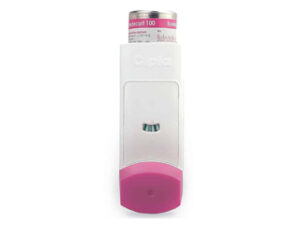
Budesonide Formoterol Rotacaps (for inhalation) – Patient Guide (UK)
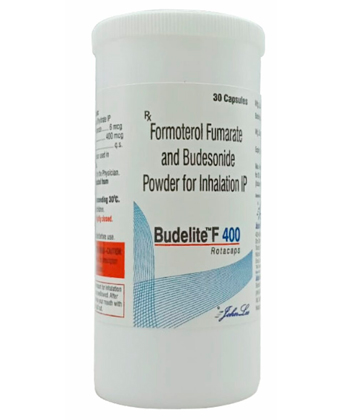
Budesonide Formoterol Rotacaps are inhalation capsules used to help control breathing problems such as asthma and chronic obstructive pulmonary disease (COPD). They combine two medicines in one treatment: one to reduce airway inflammation and one to help open the airways quickly and help prevent symptoms.
This guide explains how the medicine works, how and when to use it, what to expect, and key safety information. It is written for patients in the United Kingdom and includes practical tips and frequently asked questions.
Basic product information
- Medicines in each dose: budesonide (a corticosteroid) + formoterol (a long-acting bronchodilator of the LABA group)
- Form: Inhalation capsules (Rotacaps) used with a compatible inhaler device (often a Rotahaler or similar capsule inhaler)
- Route of administration: Inhaled into the lungs
- Common uses: Long-term control of asthma or COPD symptoms
- How it fits in your treatment: Often used as “maintenance” therapy to reduce flare-ups and improve day-to-day breathing
Important: Your exact strength and dosing schedule depend on the product you receive and your condition. Always follow the instructions provided with your specific inhaler and Rotacaps.
How Budesonide Formoterol works (mechanism of action)
This combination works in two complementary ways:
1) Budesonide – anti-inflammatory “controller”
- Budesonide is a corticosteroid that reduces inflammation in the airways.
- It helps lower swelling and mucus production, improving airflow and reducing the risk of asthma symptoms and flare-ups.
2) Formoterol – bronchodilator “reliever” component with long action
- Formoterol is a long-acting beta2-agonist (LABA).
- It relaxes smooth muscle in the airways, helping them widen (bronchodilation).
- Formoterol has a relatively fast onset, which can help relieve symptoms while budesonide provides longer-term control.
Together: Budesonide reduces underlying airway inflammation; formoterol improves airflow. This combination can improve both day-to-day symptoms and stability over time.
Pharmacokinetics (what the body does to the medicine)
Pharmacokinetics describes how the medicine is absorbed, processed, and eliminated. Exact values can vary by individual and inhaler technique.
After inhalation
- Local lung deposition: Inhaled medicine deposits in the airways. The degree of deposition depends heavily on inhaler technique.
- Absorption: Part of the dose may be swallowed and absorbed through the gut.
- Onset: Because formoterol acts on the airway muscles, symptom relief can occur relatively quickly. Budesonide’s anti-inflammatory effect develops over days, with better control as therapy continues.
Metabolism and elimination
- Budesonide: Mainly metabolised by the liver (notably via CYP3A4) into less active metabolites, then excreted (mostly via urine).
- Formoterol: Metabolised in the liver and excreted primarily via urine and faeces (depending on the metabolite pathways).
Practical meaning for patients: If you are taking other medicines that affect liver enzymes (especially some antifungals and certain antibiotics), your clinician may want to review interactions.
Typical use in asthma and COPD
Asthma – maintenance control
- Used to control persistent asthma symptoms and reduce flare-ups.
- Some asthma regimens use inhaled corticosteroid/LABA combinations with either fixed schedules or “maintenance and reliever” approaches depending on your plan. Your prescriber will specify which regimen applies to you.
COPD – maintenance symptom reduction
- Used to improve breathing in COPD and reduce symptoms and exacerbations.
- LABA + inhaled steroid may be appropriate for people with frequent symptoms or exacerbations, particularly where inflammation is part of the disease pattern.
When to take it and timing tips
Follow your personalised schedule. Many patients take a dose twice daily (morning and evening). Others may have a different schedule depending on the product strength and treatment plan.
- Try to take your doses at consistent times to maintain steady control.
- If you miss a dose: Take it when you remember unless it’s close to the next dose. Do not take a double dose.
- Do not stop suddenly without medical advice—especially if you have asthma. Stopping steroids abruptly can worsen control.
- Use during symptoms: If your treatment plan allows use for relief, follow your “as needed” instructions. If not, you may still need a separate reliever inhaler.
Inhaler technique matters: Rotacaps must be placed and inhaled correctly to deliver the medicine to the lungs. Poor technique can reduce effectiveness and increase swallowed dose.
Food interactions
There are no known major food interactions that affect budesonide/formoterol when used by inhalation in the usual way.
However, since some inhaled medicine can be swallowed:
- Taking doses before meals may feel more comfortable for some people.
- If you experience throat irritation or hoarseness, consider rinsing your mouth after inhalation (see “Practical use tips”).
General advice: Keep normal eating patterns. If you notice specific foods make symptoms worse, discuss this with a healthcare professional.
Alcohol and medicine interactions
Alcohol
- Moderate alcohol is not generally expected to directly interact with inhaled budesonide/formoterol.
- However, heavy alcohol intake can worsen breathing for some people indirectly (for example via sleep disruption or effects on overall health).
Interactions with other medicines
Interactions depend on your personal medication list. Key interaction types to be aware of include:
- CYP3A4 inhibitors (for budesonide): Some medicines can increase budesonide exposure, potentially increasing steroid-related side effects. Examples include certain antifungals and some antibiotics (your pharmacist can check your exact medicines).
- Other asthma/COPD bronchodilators: Using multiple LABAs or frequent use of short-acting beta2-agonists may increase side effects.
- Beta-blockers: Some beta-blockers (especially non-selective types) can oppose the effect of formoterol.
- Diuretics and steroids taken by mouth: These can contribute to lower potassium levels. In combination with beta-agonists, this may increase risk of rhythm problems in susceptible individuals.
Tell your healthcare team about all medicines you use, including over-the-counter products, herbal remedies, and inhalers.
Indications (what it is used for)
In the UK, budesonide/formoterol Rotacaps are used for:
- Asthma: Long-term management of persistent asthma symptoms and prevention of exacerbations in appropriate patients.
- COPD: Long-term management of COPD in people who meet clinical criteria (often based on symptom burden and exacerbation history).
Eligibility depends on individual assessment and the specific licensed product details for the strength and inhaler type you receive.
Dosing and how to measure your dose
Dosing is usually based on the diagnosis (asthma vs COPD), symptom severity, previous therapy, and how well you respond.
Typical dosing patterns (general guidance)
- Asthma: Often taken twice daily as maintenance therapy, with the exact number of capsules per dose depending on the product strength.
- COPD: Commonly taken twice daily as maintenance therapy, again depending on the strength prescribed.
Rotacaps administration overview
- Each Rotacap contains a measured dose for inhalation.
- You must not swallow the capsule.
- Insert one capsule into the Rotacap inhaler device and inhale as instructed to release the powder into your lungs.
Note: Some budesonide/formoterol combination regimens use additional “reliever” inhalations depending on the asthma plan. Your inhalation instructions should be explicit—follow the written asthma action plan you have been given.
Safety profile: common and important side effects
Most people tolerate budesonide/formoterol well when used correctly. Side effects can vary with dose, technique, and personal susceptibility.
Common side effects
- Hoarseness or throat irritation
- Oral thrush (candidiasis) or mouth yeast infection (more likely without mouth rinsing)
- Headache
- Tremor (often linked to formoterol)
- Palpitations or a faster heartbeat (can occur, especially early on)
- Muscle cramps (occasionally)
Less common but important risks
- Low potassium (hypokalaemia): More likely with higher doses or certain interacting medicines (such as some diuretics).
- High blood sugar: Inhaled steroids can rarely affect glucose control, especially at higher doses or in people with diabetes.
- Systemic corticosteroid effects: Generally uncommon at inhaled doses, but risk increases with higher doses and long-term use.
- Heart rhythm concerns: Uncommon, but call urgent advice if you experience severe palpitations, dizziness, or fainting.
- Paradoxical bronchospasm: Rare; if breathing worsens immediately after inhalation, stop and seek advice.
When to seek urgent medical help
Get urgent help if you have:
- Severe difficulty breathing that does not improve quickly
- Blue lips/face, inability to speak in full sentences, or marked drowsiness
- Swelling of the face, lips, tongue, or throat, or signs of severe allergy
- Chest pain, severe palpitations with dizziness, or fainting
If symptoms are severe or rapidly worsening, follow your emergency plan and use your prescribed emergency/rescue inhaler if instructed.
Practical use tips for Rotacaps
Correct inhaler technique is a key part of treatment success.
General inhalation technique (overview)
- Keep your capsule dry until you are ready to use it.
- Load one capsule into the Rotacap inhaler.
- Inhale fast and deeply through the mouthpiece to disperse the powder.
- Hold your breath briefly after inhaling (as instructed by your inhaler leaflet).
- Close the device and dispose of the used capsule.
Aftercare: rinse and reduce mouth side effects
- After each dose, rinse your mouth with water and spit it out.
- This can reduce the risk of oral thrush and hoarseness.
Cleaning and storage
- Follow the device instructions for cleaning. Avoid washing parts that must remain dry unless your leaflet specifies it.
- Store Rotacaps in the original packaging and protect from moisture.
Tracking effectiveness
- Monitor symptom control (night-time symptoms, activity limitation).
- Review whether you are needing extra rescue inhalations more frequently.
- Attend scheduled reviews so your treatment can be adjusted.
Alternative options (what else may be considered)
Alternative treatments depend on whether you have asthma or COPD, your severity, and your previous response.
Asthma alternatives
- Different inhaled corticosteroid (ICS) strengths or different inhaler devices
- ICS/LABA combinations using other inhaler types (for example, pressurised metered-dose inhalers or dry powder inhalers)
- Other controller options in selected patients (as advised by specialists)
COPD alternatives
- Long-acting bronchodilators (LABA, LAMA) possibly in combination
- Triple therapy (often LABA + LAMA + ICS) for people with appropriate symptoms/exacerbations
- Smoking cessation support, pulmonary rehabilitation, and vaccinations (where appropriate) alongside inhaled treatments
If you have difficulty using Rotacaps or are experiencing side effects, ask your healthcare team about switching inhaler devices or treatment regimens.
Market and legal context in the UK
In the UK, inhaled corticosteroid and bronchodilator combinations are widely used in primary and secondary care. Supply and availability are subject to:
- Medicines legislation and regulatory standards administered through UK frameworks.
- Licensed indications and product characteristics (including inhaler device compatibility and strength).
- Guidance from professional bodies and national clinical pathways that support safe prescribing and ongoing review.
Because product licensing and available strengths may change, always check you have the correct inhaler device for your specific Rotacap format.
Recent UK guidance (high-level overview)
UK asthma and COPD care is guided by evidence-based recommendations and periodic updates. While the exact wording changes over time, common themes include:
- Regular review of symptom control and inhaler technique.
- Using the lowest effective dose that maintains control, with step-up/step-down strategies where appropriate.
- Structured asthma action plans for managing worsening symptoms.
- Monitoring for side effects such as thrush and systemic steroid effects at higher doses.
Your clinician may adjust your regimen based on control, exacerbations, and your ability to use the inhaler correctly.
Delivery and availability in the UK
Online pharmacies in the UK typically offer:
- Home delivery within defined delivery windows depending on location and courier services.
- Order tracking for many deliveries.
- Stock availability updates because inhaler medicines can be subject to supply fluctuations.
Availability: Budesonide/formoterol Rotacaps may come in different strengths and pack sizes. Availability can vary between brands and manufacturers, so it’s helpful to check the exact strength and capsule formulation you require.
Storage on arrival: Store as directed on the outer packaging and keep away from damp conditions.
Frequently Asked Questions (FAQ)
1) Is Budesonide Formoterol a reliever or a preventer?
It is primarily used as maintenance (controller) therapy—especially because budesonide reduces inflammation. Formoterol can have a relatively fast onset, and some treatment plans allow additional doses to relieve symptoms. Whether you should use it for symptom relief depends on your personal regimen, so follow your written inhaler instructions.
2) How quickly will I feel better?
You may notice breathing improvements within minutes from the bronchodilator effect. Full anti-inflammatory benefit from budesonide builds over time. Many people feel better over days, with improved control as treatment continues.
3) Why am I still having symptoms?
Possible reasons include:
- Inhaler technique problems leading to less medicine reaching the lungs
- Inadequate dose or the need for adjustment
- Ongoing exposure to triggers (for asthma) such as allergens, smoke, or respiratory infections
- Progression of COPD symptoms
- Incorrect use pattern (timing and frequency not matching the plan)
If symptoms persist or worsen, speak to your healthcare professional—don’t simply increase doses without advice.
4) Should I rinse my mouth after using it?
Yes. Rinse your mouth with water and spit it out after each dose to reduce the risk of thrush and hoarseness.
5) Can I use it if I have a cold?
In many cases, you can continue your inhaled maintenance treatment during a cold. However, respiratory infections can worsen asthma or COPD. If you need more rescue treatment than usual or your symptoms escalate, seek medical advice.
6) What if I miss a dose?
Take your dose when you remember unless it is near the time of the next dose. Do not take a double dose. If you miss several doses, contact your healthcare team for guidance.
7) Are there any food restrictions?
No specific food restrictions are generally required for inhaled budesonide/formoterol. If you swallow some of the medication and find it irritates your throat, consider rinsing your mouth and adjusting dose timing to what feels most comfortable.
8) Can I drink alcohol?
Moderate alcohol is not usually a direct interaction risk. If alcohol worsens your symptoms or causes you to miss doses, discuss this with your clinician.
9) What medicines might interact with it?
Examples include medicines that affect liver metabolism and certain heart-related medicines (such as beta-blockers). Tell your pharmacist or healthcare professional about all medicines you take, including over-the-counter products and supplements.
10) What should I do if I suspect thrush?
Signs include white patches in the mouth, soreness, or persistent bad taste. Contact your healthcare professional promptly. In the meantime, ensure you rinse and spit after inhalation and check that your technique is correct.
11) Is this medicine suitable for children?
Suitability depends on age, diagnosis, and the specific licensed product strength and inhaler device. A clinician will advise based on the child’s needs.
12) Can I switch from another inhaler to Rotacaps?
Sometimes switching is appropriate, but dose equivalents and device technique differ. Always confirm the correct strength and dosing plan before changing inhalers.
Summary: key points to remember
- Budesonide/formoterol Rotacaps combine an anti-inflammatory corticosteroid with a bronchodilator.
- Use it as maintenance according to your schedule for asthma or COPD.
- Rinse your mouth after each dose to reduce thrush and hoarseness.
- Check and practise inhaler technique—it strongly affects results.
- If you have severe breathing problems or severe side effects, seek urgent help.
Product information at a glance
| Category | What you should know |
|---|---|
| Medicine type | Inhaled combination: corticosteroid (budesonide) + LABA (formoterol) |
| Route | Inhalation via compatible Rotacap inhaler device |
| Main benefits | Reduces airway inflammation and improves airflow to control symptoms |
| How often | Commonly twice daily for maintenance (follow your specific plan) |
| Onset | Formoterol may help relatively quickly; budesonide control improves over days |
| Food interactions | No major food interactions; rinse mouth after use |
| Alcohol interactions | No direct interaction expected; heavy alcohol may worsen health indirectly |
| Key safety tips | Watch for thrush/hoarseness; use correct technique; seek help for severe symptoms |
Always refer to the patient information leaflet supplied with your Rotacaps and device for full details, including contraindications and exact dosing for your specific product.