
Budesonide/Formoterol Inhaler (Maintenance & Reliever Use) — Patient Information (UK)
This page explains how budesonide/formoterol inhalers work, what they are used for, and how to use them safely and effectively. It is written for people in the United Kingdom and covers practical use, timing, interactions, safety, and frequently asked questions.
| Topic | What it means for you |
|---|---|
| What it is | A combination inhaler containing an anti-inflammatory medicine (budesonide) and a fast-acting bronchodilator (formoterol). |
| Common conditions | Asthma and some types of chronic obstructive pulmonary disease (COPD), depending on the product strength and local guidance. |
| How it works | Budesonide reduces airway inflammation; formoterol relaxes airway muscles to improve breathing. |
| When it helps | Formoterol works quickly (minutes). Budesonide mainly helps over days to weeks by reducing inflammation. |
| Timing | Often used regularly and may also be used for symptom relief in “SMART/MART” style regimens (if that matches your clinician’s plan). |
| Key safety points | Use correctly with spacer if advised; rinse/gargle after dosing to reduce mouth/thrush risk; seek help for severe symptoms. |
Basic product information
Budesonide/formoterol is a fixed-dose combination inhaler. It contains:
- Budesonide — an inhaled corticosteroid (anti-inflammatory).
- Formoterol — a long-acting beta2-agonist (LABA) that also has a rapid onset of action.
In the UK, these combination inhalers are used in asthma and, in some situations, COPD depending on the specific formulation and strength.
Different brands and device types exist. Your inhaler’s strength (how much budesonide and formoterol per puff) and the number of puffs you should take can vary by product. Always follow the dose instructions supplied with your inhaler.
Mechanism of action: how budesonide/formoterol works
Budesonide (anti-inflammatory corticosteroid)
In asthma (and some COPD), the airways can become inflamed and narrowed. Budesonide helps to:
- Reduce inflammation in the lining of the airways.
- Decrease mucus production and airway swelling.
- Improve airway responsiveness over time.
Because budesonide is an anti-inflammatory medicine, its benefits are usually most noticeable after regular use for days to weeks.
Formoterol (beta2-agonist bronchodilator)
Formoterol relaxes smooth muscle around the airways. This leads to:
- Wider airways (bronchodilation).
- Improved airflow and reduced symptoms such as wheeze, chest tightness, and breathlessness.
- A relatively fast onset of action compared with many other long-acting beta2-agonists.
Formoterol can start working within minutes, which is why it can be used in certain treatment strategies for both prevention and symptom relief.
Pharmacokinetics: what happens in the body
Pharmacokinetics describes how the medicine is absorbed, distributed, metabolised, and eliminated.
After inhalation
- Local lung effect: Most of the benefit comes from the medicines acting where they are needed—within the airways.
- Systemic absorption: Some of the inhaled dose reaches the lungs and some may deposit in the mouth/throat or be swallowed.
Metabolism
Budesonide is mainly broken down in the liver by enzymes (including CYP3A4). Formoterol is also metabolised primarily through enzymatic pathways in the liver.
Elimination
The resulting metabolites are cleared from the body, mainly via the kidneys (urine).
Why this matters
- Kidney disease: Since elimination is largely through the kidneys, your clinician may monitor you if you have significant kidney impairment.
- Liver disease: Liver impairment can increase exposure to inhaled corticosteroids and may affect overall risk; follow clinician advice if you have known liver problems.
- Drug interactions: Medicines that affect liver enzymes (notably CYP3A4) can influence budesonide exposure.
Typical use in the UK
Budesonide/formoterol is used to:
- Prevent asthma symptoms by reducing airway inflammation.
- Relieve symptoms in some treatment approaches because of formoterol’s faster onset.
- In certain cases, help control breathing problems in COPD where appropriate (based on clinical assessment).
In the UK, asthma management commonly follows evidence-based guidance such as NICE recommendations and the British Thoracic Society (BTS) asthma care guidance. Many regimens involve an inhaled corticosteroid and may include a strategy where the same inhaler is used for both maintenance and relief, depending on eligibility and product suitability.
When to take your inhaler: timing and routine
Your exact schedule depends on your prescribed plan and inhaler strength. As a general guide:
- Maintenance/regular control: Many people take budesonide/formoterol twice daily (morning and evening).
- Relief of symptoms: In certain “single inhaler” strategies, you may also use additional puffs when symptoms occur. Your plan will specify the maximum number of puffs per day.
Important: If you are unsure whether your inhaler is intended for regular use only or both maintenance and relief, check the instructions that came with your inhaler or ask a healthcare professional.
Practical timing tips
- Set reminders for your maintenance doses to avoid missed doses.
- Keep a consistent routine (for example after brushing teeth in the morning and before bed).
- If you have a rescue inhaler (often a short-acting beta2-agonist), follow your asthma/COPD plan regarding when to use it.
Food interactions
Food interactions are generally unlikely for inhaled budesonide/formoterol because the medicines are taken into the lungs rather than swallowed as a tablet.
- Eating or drinking does not typically affect absorption.
- If you do swallow some medication (for example, if a portion deposits in the throat), it may be absorbed through the gut, but this is not usually clinically significant.
If you notice a consistent effect (for example, nausea or throat irritation when used after meals), it can still be helpful to adjust your routine and discuss it with a clinician.
Alcohol and medicine interactions
Alcohol
There is no well-established direct “must avoid” interaction between alcohol and inhaled budesonide/formoterol. However, alcohol may worsen symptoms in some people (for example, by affecting breathing patterns or sleep), and heavy alcohol intake can influence overall health.
- Moderate alcohol is usually acceptable, but consider how you feel and whether it triggers breathlessness.
- If you feel unwell after drinking, avoid further alcohol and seek advice.
Medicines that can interact
Interactions are more likely to involve medicines that affect the liver enzymes (especially those impacting budesonide) or that alter heart rhythm/electrolytes.
- CYP3A4 inhibitors (can increase budesonide exposure): e.g. some antifungals (like ketoconazole/itraconazole), certain HIV medicines, and some antibiotics/other drugs depending on brand and local prescribing practices.
- Other beta2-agonists (including some tablets or nebulised treatments): may increase risk of side effects such as tremor, palpitations, or low potassium.
- Non-selective beta-blockers (e.g. propranolol): may reduce the effect of beta2-agonists and worsen breathing in people with asthma.
- Diuretics (“water tablets”) or other medicines that lower potassium: can increase the risk of hypokalaemia (low potassium), which may contribute to muscle weakness or rhythm issues.
- Xanthine derivatives (like theophylline) and steroids (oral): may add to tremor or side effect risk depending on dose and situation.
Always tell a healthcare professional or pharmacist about all medicines you take, including over-the-counter products and herbal supplements.
Indications: what it is used for
Budesonide/formoterol inhalers are indicated for:
- Asthma — for preventing and controlling symptoms, with some regimens also allowing relief use based on product and patient plan.
- COPD — for symptom control in eligible patients, depending on the specific inhaler strength and local criteria.
Eligibility for COPD use depends on your clinical diagnosis, symptom severity, exacerbation history, and other treatments you may be taking. Your clinician will tailor the plan.
Dosing: how much and how often
Dosing depends on the inhaler strength and whether you are using a maintenance-only or maintenance-and-relief approach. Because products differ, use the instructions on your label and the plan provided by your healthcare professional.
General dosing principles (not a substitute for your plan)
- Maintenance/control doses are usually taken regularly even when you feel well.
- Relief puffs (if your plan includes this) should be taken according to your maximum daily limit.
- If symptoms worsen, follow your action plan rather than simply increasing puffs beyond recommended limits.
What if you miss a dose?
- If you miss a maintenance dose, take it when you remember unless it is close to your next dose.
- Do not double your dose to make up for a missed one unless advised by a healthcare professional.
If you are unsure, consult your pharmacist for advice specific to your product.
Safety profile: side effects and warnings
Most people tolerate budesonide/formoterol well when used correctly. However, like all medicines, it can cause side effects.
Common side effects
- Throat irritation or hoarseness
- Oral thrush (a fungal infection in the mouth) — risk can be reduced by rinsing/gargling and spitting after use
- Tremor (shaking), especially early on or after higher doses
- Headache
- Palpitations or feeling your heartbeat (usually mild)
Less common but important side effects
- Low potassium (hypokalaemia), which may happen with higher beta2 doses or certain interacting medicines
- Muscle cramps, weakness, or unusual fatigue (sometimes linked to low potassium)
- Chest pain or significant worsening of breathing (needs urgent assessment)
Seek urgent medical help if
- Your breathing is rapidly worsening or you are struggling to speak in full sentences.
- You need repeated relief dosing and symptoms are not improving.
- You experience severe chest pain, fainting, or a very fast or irregular heartbeat.
- You have an allergic reaction (such as swelling of the face/lips, hives, or severe rash).
Long-term safety considerations
- Because budesonide is an inhaled steroid, systemic effects are generally less than with oral steroids, but they can still occur at higher doses or in sensitive individuals.
- Regular reviews help ensure you are on the lowest effective dose to control symptoms.
Children and young people
Use in children depends on age, diagnosis, and product suitability. If the inhaler is for a child, ensure correct technique and supervision.
Practical use tips: getting the best results
Technique matters
Correct inhaler technique helps deliver the medicine to the lungs. Poor technique often reduces benefit and increases side effects.
Using a metered-dose inhaler (MDI) versus dry powder (depending on device)
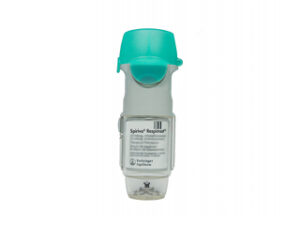
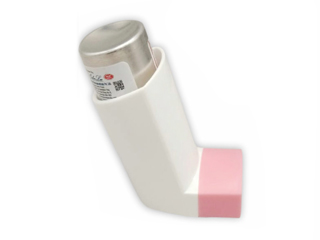
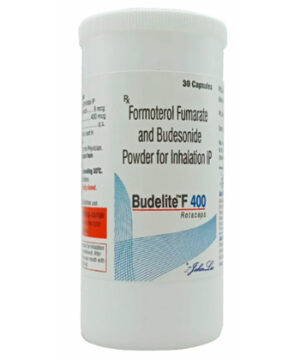
Budesonide/formoterol is available in different inhaler devices. The steps differ. Use the instructions for your specific device type:
- If your inhaler is an MDI: you usually press and breathe in slowly at the same time (or within the device’s recommended coordination window).
- If your inhaler is a breath-activated/dry powder device: you typically load (if required) and then inhale quickly and forcefully through the mouth.
If you are uncertain, ask your pharmacist or practice nurse to watch your technique and correct it.
Rinse to reduce thrush risk
- After taking your dose, rinse your mouth with water and spit it out.
- This reduces the chance of oral thrush and hoarseness.
Consider a spacer (when advised)
Some people benefit from using a spacer with an MDI inhaler, particularly children or adults who have difficulty coordinating inhalation with pressing the device. A spacer can improve lung delivery and reduce throat deposition.
Check your inhaler status
- Confirm the device has doses available (some have counters).
- Check expiration dates.
- Replace if the device is damaged or not working correctly.
Keep follow-up appointments
Asthma/COPD symptoms can change over time. Regular reviews support dose optimisation, inhaler technique checks, and action-plan updates.
Alternative options
Depending on your diagnosis, symptom frequency, and previous treatment response, clinicians may consider alternative inhalers and strategies. Alternatives include:
- Other inhaled corticosteroid/LABA combinations (different steroid or bronchodilator components).
- Inhaled corticosteroid alone (for some asthma patients with milder or specific patterns).
- Other bronchodilator classes such as long-acting muscarinic antagonists (LAMAs) in COPD.
- Single Maintenance and Reliever Therapy (SMART/MART) approaches using suitable products, where appropriate.
If you experience side effects or your asthma/COPD remains uncontrolled, do not change your inhaler without discussion with a healthcare professional—swapping doses and devices needs careful planning.
Market & legal context in the UK
In the UK, inhaled medicines are regulated by the Medicines and Healthcare products Regulatory Agency (MHRA) under UK medicines law. Products must meet quality, safety, and efficacy requirements and be correctly labelled for UK patients.
Budesonide/formoterol inhalers are widely used and supported by national clinical practice in line with evidence-based guidelines for asthma and COPD. Ongoing safety information is monitored through the UK’s medicines safety systems, and guidance can be updated based on emerging evidence.
Online pharmacy availability may vary by brand, strength, and device type. Your chosen product should match your treatment plan.
Recent guidance (UK context)
Asthma and COPD guidance in the UK can be updated by organisations such as NICE and the British Thoracic Society. Key ongoing themes include:
- Using inhaled corticosteroids consistently for inflammatory control in asthma.
- Reviewing inhaler technique regularly because it strongly affects outcomes.
- Using action plans for symptom worsening, rather than increasing doses indefinitely.
- Minimising steroid exposure where possible while maintaining control (“lowest effective dose”).
- In appropriate patients, single inhaler maintenance and reliever strategies may be used to improve adherence and reduce exacerbations, depending on product and eligibility.
If you have had recent changes to your symptoms or treatment, check that your inhaler matches the current plan from your healthcare professional.
Delivery and availability (UK online pharmacy)
Budesonide/formoterol inhalers are commonly stocked by online pharmacies in the UK, subject to availability and product strength. Delivery options and timeframes can vary by provider and by where you live.
- Stock availability: may differ between brands and strengths.
- Delivery times: typically depend on courier service and local area.
- Packaging: medicines are supplied with patient information and product labelling.
To avoid interruptions, consider ordering ahead of time—especially if you use the inhaler daily.
FAQ
1) How quickly does budesonide/formoterol start working?
Formoterol can begin working within minutes to ease breathing. Budesonide, however, helps most over time by reducing airway inflammation, so full benefits may take days to weeks with regular use.
2) Can I use my inhaler when I feel breathless?
It depends on your personal treatment plan and the specific regimen your healthcare professional recommended. Some patients use budesonide/formoterol for both maintenance and relief in a structured approach. Others use it only as a controller and use a separate reliever inhaler. Follow the instructions provided for your situation.
3) Should I rinse my mouth after using it?
Yes. Rinsing your mouth and spitting after each dose can reduce the chance of thrush and hoarseness.
4) What should I do if my symptoms are not improving?
If your breathing is worsening or your usual relief is not helping, follow your asthma/COPD action plan. Seek urgent medical help if symptoms are severe, rapidly worsening, or you cannot speak comfortably.
5) Can I stop using it once I feel better?
Do not stop suddenly unless advised. In many people, ongoing anti-inflammatory treatment is needed to prevent symptoms from returning.
6) Are there any food or alcohol restrictions?
Food interactions are generally unlikely. Moderate alcohol is usually acceptable, but heavy drinking may worsen breathing or overall health. If alcohol makes your symptoms worse, avoid it and discuss with a clinician.
7) What interactions should I be aware of?
Tell your healthcare professional or pharmacist about all medicines you take. Particularly relevant interactions may involve:
- Drugs affecting liver enzymes that metabolise budesonide (CYP3A4 inhibitors)
- Other beta2-agonists
- Non-selective beta-blockers
- Diuretics that may lower potassium
8) I get tremor or palpitations—what does it mean?
Mild tremor or palpitations can occur with beta2-agonists, especially soon after dosing. If symptoms are severe, persistent, or associated with dizziness/chest pain, seek medical advice urgently.
9) How do I know my inhaler technique is correct?
If possible, ask your pharmacist, nurse, or GP practice to observe your technique. Many people benefit from a “teach-back” session where the clinician checks how you breathe in and whether you are using the device steps correctly.
10) Are there alternatives if I cannot tolerate this inhaler?
Yes. Alternatives may include different inhaler combinations or device types depending on your condition and needs. Discuss options with a healthcare professional before changing.
Reminder: This page provides general information. Always follow the instructions supplied with your specific budesonide/formoterol inhaler and the plan you have been given. If you have questions about your dose, symptoms, or side effects, contact a pharmacist or healthcare professional.