

Tofisopam (Patient Information)
Tofisopam is a medicine used to help relieve anxiety and tension. It belongs to the benzodiazepine class of medicines, and it is commonly prescribed for short- to medium-term management of anxiety-related symptoms. This page explains how Tofisopam works, how it is used, what to expect, and important safety information for adults in the UK.
Always follow the instructions provided with your medicine. If you are unsure about your dose, timing, or whether Tofisopam is suitable for you, speak to a pharmacist or another healthcare professional.
Quick facts
- Medicine name: Tofisopam
- Medicinal class: Anxiolytic (benzodiazepine)
- What it’s for: Anxiety and tension-related symptoms
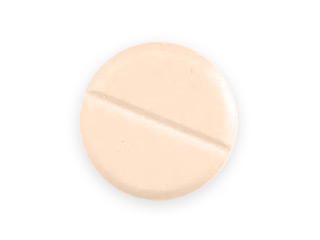
- Typical form: Oral tablets (strengths vary by product)
- Common considerations: Drowsiness, dizziness, and avoiding alcohol
Basic product information
Tofisopam is an anti-anxiety medicine used to reduce the symptoms of anxiety, such as nervous tension, restlessness, and feeling “on edge.” The exact strength and formulation depend on the specific product available in the UK market (for example, tablet strengths may vary). Your packaging will show the exact details.
How it is supplied: Tofisopam is usually supplied as oral tablets.
Who typically uses it: Adults who need symptomatic relief of anxiety-related features, particularly when anxiety is accompanied by tension and physical unease.
How Tofisopam works (mechanism of action)
Tofisopam affects the central nervous system by interacting with the body’s inhibitory signalling system, including the GABA (gamma-aminobutyric acid) pathway.
- It supports calming activity in the brain by enhancing the effect of GABA-mediated inhibition.
- This helps reduce anxiety symptoms such as tension and apprehensive feelings.
Important: Although it is a benzodiazepine, Tofisopam is used primarily for anxiety symptoms. Individual responses vary.
Pharmacokinetics (what the body does to the medicine)
Pharmacokinetics describes how the body absorbs, distributes, metabolises, and eliminates a medicine.
- Absorption: After oral dosing, Tofisopam is absorbed through the gastrointestinal tract.
- Onset and duration: Effects are typically felt within hours, though the exact timing may vary between individuals.
- Metabolism: Tofisopam is metabolised in the liver, producing metabolites that are eliminated from the body.
- Elimination: Metabolites and drug residues are cleared mainly via the body’s normal elimination pathways (commonly including urine).
If you have liver problems, your healthcare team may adjust how you take Tofisopam to reduce the risk of side effects.
What Tofisopam is used for (indications)
Tofisopam is indicated for relief of symptoms associated with anxiety, especially when anxiety is linked with tension and restlessness.
In practice, it may be considered for:
- Short- to medium-term management of anxiety symptoms
- Situations where tension and nervous unease are prominent
Note: Anxiety disorders may require broader management, including psychological support and long-term treatment plans. Tofisopam is used to reduce symptoms as part of a wider care strategy.
Dosing and timing (how to take it)
The most appropriate dose varies by age, overall health, and the severity of symptoms. Your specific instructions on the medicine pack or from your clinician should be followed carefully.
Typical adult use
Tofisopam dosing is often split across the day to maintain symptom control. The dosing schedule may look like:
- Multiple doses per day (commonly morning and later in the day)
- Adjustments based on response and tolerability
How to take tablets
- Swallow the tablet with water.
- Try to take doses at consistent times each day.
- If you forget a dose, do not take a double dose—take the next dose at the usual time and seek advice if you’re unsure.
When to expect effects
Many people notice calming or symptom relief within a few hours after taking Tofisopam. For persistent symptoms, the benefit may build over repeated dosing. If you do not notice any improvement after the timeframe advised by your healthcare professional, discuss this promptly.
Food interactions
Food can affect the way some medicines are absorbed or the speed of absorption. With Tofisopam, the key points for most people are:
- Taking it with food may help if you experience stomach discomfort.
- There is typically no need for a strict fasting routine.
- However, avoid significant changes to meal patterns at the same time as starting or adjusting your dose, as this can affect how you feel.
Practical tip: If you notice drowsiness, dizziness, or nausea after taking Tofisopam, consider taking it with a meal (unless your clinician advised otherwise).
Alcohol and medicine interactions
Alcohol
Do not drink alcohol while taking Tofisopam. Alcohol can increase sedation and impair coordination, making accidents more likely. It can also worsen breathing-related risks when combined with medicines that affect the brain.
Other medicines to be careful with
Tofisopam may interact with other medicines that cause sedation or affect the nervous system. Tell your pharmacist or healthcare professional about all medicines you take, including:
- Opioid painkillers (e.g., morphine, oxycodone, codeine)
- Other benzodiazepines or anxiety/sleep medicines
- Strong antihistamines that make you sleepy
- Some antidepressants and antipsychotics (individual effects vary)
- Sleeping tablets (hypnotics)
- Medicines that affect liver enzymes (these may change Tofisopam levels)
Because interaction risk depends on the exact product and dose of the other medicine, it’s important to get individual advice.
Safety profile and side effects
Like all medicines, Tofisopam can cause side effects. Not everyone gets them, and severity varies.
Common side effects
- Drowsiness or sleepiness
- Dizziness
- Feeling light-headed
- Reduced coordination
- Headache
Less common but important effects
- Confusion (especially in older adults or if the dose is too high)
- Low blood pressure symptoms such as faintness
- Changes in mood (report any unusual behavioural changes)
When to seek urgent help
Get urgent medical attention if you experience:
- Severe drowsiness or trouble staying awake
- Breathing difficulties
- Fainting or severe dizziness
- Swelling of the face, lips, or throat, or breathing problems (possible allergy)
Dependence and withdrawal
Benzodiazepines can cause dependence if used regularly for a period of time. Stopping suddenly can lead to withdrawal symptoms such as:
- Increased anxiety or agitation
- Restlessness and insomnia
- Tremor
- In more severe cases: confusion, seizures, or hallucinations
Do not stop suddenly without medical advice. If discontinuation is needed, it’s usually done gradually under professional guidance.
Practical use tips
- Start low and go slow (as advised): Use the lowest effective dose for the shortest time that controls symptoms.
- Be cautious with driving: Tofisopam can cause drowsiness and slow reaction times. Avoid driving or operating machinery until you know how it affects you.
- Keep a symptom diary: Note anxiety severity, sleep quality, and side effects to support dose timing discussions with your pharmacist or clinician.
- Sleep routines matter: If anxiety affects sleep, maintain consistent bedtime and avoid caffeine late in the day.
- Move slowly: If you feel dizzy, get up slowly from sitting or lying positions.
- Do not mix with alcohol: Even small amounts can increase impairment.
Alternative options for anxiety
If Tofisopam isn’t suitable, isn’t effective, or causes unacceptable side effects, there are other approaches. Options commonly include:
Non-medicine approaches
- Cognitive behavioural therapy (CBT) and other talking therapies
- Relaxation techniques (breathing exercises, mindfulness)
- Sleep hygiene and stress management
Other medicines
- Antidepressants (often used for anxiety disorders for long-term control)
- Other anxiolytics depending on the exact condition and patient history
Choice depends on your diagnosis, symptom pattern, other medical conditions, and existing medicines. A pharmacist can help you understand differences and suitability.
Market and legal context in the UK
In the UK, medicines are regulated to ensure quality, safety, and appropriate supply. The availability, prescribing rules, and classification can vary by product and manufacturer. Pharmacy supply may require assessment of suitability and adherence to UK regulatory requirements.
Medicine classification and supply: Tofisopam is considered a medicine that requires appropriate oversight due to its effects and potential for dependence with long-term or unsupervised use. UK regulations may restrict supply to ensure safe use.
Always check: Product availability and supply routes can change over time. If you are unsure whether a specific Tofisopam product is currently available, ask the pharmacy.
Recent guidance (what to keep in mind)
UK healthcare services continue to emphasise:
- Appropriate use: Using benzodiazepine-type medicines for the shortest necessary duration and at the lowest effective dose.
- Risk reduction: Avoiding alcohol and combining sedating medicines without professional advice.
- Withdrawal safety: Planning any discontinuation carefully rather than stopping abruptly.
- Monitoring: Regularly reviewing benefit versus side effects, particularly in older adults.
If you are taking other sedating medicines, are elderly, or have existing breathing problems (such as sleep apnoea or chronic lung disease), it is especially important to discuss risk and monitoring with a healthcare professional.
Delivery and availability (UK online pharmacy)
Availability varies by manufacturer and stock levels. Many UK online pharmacies provide options such as:
- Home delivery: Delivered to your address in discreet packaging where permitted.
- Tracking: Some services provide tracking and delivery updates.
- Delivery timeframes: Typically depend on stock status and the carrier used.
To ensure smooth delivery: Confirm your address details are correct, and keep an eye on any delivery notifications. If a signature is required, be available where possible.
Prescription-related documents: The supply process may require verification steps in line with UK pharmacy regulations. Follow the instructions from the pharmacy during ordering.
FAQ
1. Is Tofisopam safe for everyone?
No. Tofisopam may not be suitable if you have certain conditions (such as severe liver problems) or if you take interacting medicines. Your pharmacist can advise based on your medical history and current medicines.
2. How quickly does Tofisopam work?
Many people notice effects within a few hours. The full benefit may depend on the dose schedule and how consistently it’s taken.
3. Can I drive after taking Tofisopam?
It may impair your alertness and reaction time. Avoid driving or operating machinery until you know how Tofisopam affects you. If you feel drowsy, do not drive.
4. What should I do if I forget a dose?
Take it when you remember if it is close to the next scheduled time. If it’s near the time of the next dose, skip the missed dose. Do not take a double dose. If you’re unsure, ask a pharmacist.
5. Can I drink alcohol while taking Tofisopam?
No. Alcohol can increase sedation and impair coordination and may increase risks when combined with Tofisopam. Avoid alcohol completely while taking the medicine.
6. What are the most common side effects?
Drowsiness, dizziness, and reduced coordination are among the more common effects. If side effects are severe, persistent, or worsening, seek advice.
7. Will Tofisopam cause dependence?
Regular use of benzodiazepines can lead to dependence. Stopping suddenly can cause withdrawal symptoms. Any planned stopping should be discussed with a healthcare professional.
8. Can I take Tofisopam with food?
Many people can take it with or without food. If you find it upsets your stomach, taking it with a meal may help.
9. Are there alternatives if it doesn’t help?
Yes. Options may include talking therapies, lifestyle and stress management approaches, or different medicines depending on your anxiety pattern and overall health.
10. How long can I use Tofisopam?
Use duration depends on the reason you’re taking it and how you respond. UK guidance typically favours the shortest effective duration and regular review of ongoing need.
Summary
Tofisopam is an anxiolytic medicine used for relief of anxiety symptoms, particularly tension and restlessness. It acts by enhancing inhibitory signalling in the brain, helping reduce anxious feelings. As with other benzodiazepine-type medicines, Tofisopam can cause drowsiness and dizziness and has important safety considerations, including avoiding alcohol and taking care when driving. If you need to stop, it should be done gradually with professional advice to reduce withdrawal risk.
If you have any questions about suitability, side effects, or safe use, contact a pharmacist for personalised guidance.