Oxybutynin (Oxybutynin hydrochloride) – Patient Information
Oxybutynin is a medicine used to treat symptoms caused by an overactive bladder. It works by relaxing certain muscles in the bladder and reducing bladder overactivity, which can help to lower symptoms such as urgency, frequency, and incontinence.
This information is designed to help you understand how oxybutynin works, how it is used in the UK, and what to consider for safe, practical day-to-day use.
Key product information
| Item | Details |
|---|---|
| Common name | Oxybutynin (often as oxybutynin hydrochloride) |
| What it’s used for | Overactive bladder symptoms (urgency, frequency, urge incontinence) |
| How it works | Antimuscarinic/anticholinergic effect on the bladder (reduces involuntary contractions) |
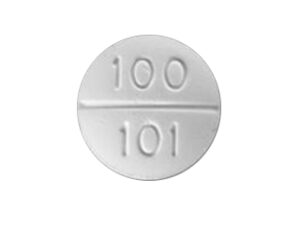
| Typical forms | Tablets, modified-release tablets, and other licensed presentations (brand dependent) |
| Onset | Often improves symptoms within days, with fuller effect over 1–2 weeks (varies) |
| Availability in the UK | Available through UK pharmacy supply channels; availability depends on formulation and stock |
How oxybutynin works (mechanism of action)
Oxybutynin is an antimuscarinic (anticholinergic) medicine. The bladder muscle and bladder lining respond to signals from the nervous system, including a chemical messenger called acetylcholine. In an overactive bladder, the bladder may contract too often, leading to urgency and frequency.
Oxybutynin blocks muscarinic receptors involved in bladder contraction. As a result, it helps to:
- Reduce involuntary bladder muscle contractions
- Increase the bladder’s capacity to hold urine
- Lower the sensation of urgency
- Reduce frequency of urination and urge leakage for many people
Oxybutynin may also have effects on other body systems because muscarinic receptors exist throughout the body, which is why dry mouth and constipation can occur.
Pharmacokinetics (how the body handles it)
“Pharmacokinetics” describes how the body absorbs, distributes, metabolises, and eliminates a medicine.
- Absorption: Oxybutynin is absorbed after oral administration. The rate and extent depend on the formulation (immediate-release vs modified-release).
- Distribution: It distributes throughout the body, including the central nervous system, which may contribute to certain side effects in some people.
- Metabolism: Oxybutynin is metabolised mainly in the liver (commonly via CYP enzymes). One metabolite is often reported to contribute to anticholinergic effects.
- Elimination: It is cleared from the body primarily through metabolism and elimination via urine.
- Formulation matters: Modified-release formulations generally provide steadier levels and may reduce some side effects compared with immediate-release dosing in some people.
Typical uses in the UK
Oxybutynin is used to manage symptoms of overactive bladder, including:
- Urinary urgency (a sudden, strong need to urinate)
- Urinary frequency (needing to urinate often)
- Urge incontinence (leakage or accidents after an urgent need to urinate)
- Sometimes, bladder spasms as determined by a clinician
If you have a condition affecting bladder emptying (for example, significant urine retention), extra caution may be needed.
How to take oxybutynin – timing and routine
The correct timing depends on the specific formulation you are using.
- Immediate-release tablets: Often taken more than once daily, typically spaced through the day to manage symptoms.
- Modified-release tablets: Often taken once daily, delivering medicine steadily over 24 hours.
Practical tips:
- Take at the same times each day to maintain consistent symptom control.
- Swallow whole if your product is modified-release (do not crush or chew unless your specific medicine instructions say otherwise).
- Give it a fair trial: many people notice improvement within days, but adjustment may be needed.
- Don’t double up if you miss a dose—follow the instructions provided with your medicine.
If you’re using oxybutynin for the first time, starting in the evening (for some people) can help manage bothersome urgency at night, but you should follow your medicine’s directions.
Food interactions
Food can influence how some medicines are absorbed. For oxybutynin, the key practical point is that taking it consistently with or without food helps you get predictable effects.
- General guidance: You can usually take oxybutynin with or without food, but follow the instructions for your specific product.
- High-fat meals: may affect absorption for some formulations. If you notice differences in side effects or symptom control after eating, consider taking it the same way each day.
- Grapefruit: may interact with some medicines via liver enzymes; if you are unsure, avoid large amounts and seek advice.
If you experience stomach discomfort, taking with food may help, but always prioritise consistent daily routine.
Alcohol and medicine interactions
Oxybutynin can cause side effects such as dizziness, drowsiness, and blurred vision in some people. Alcohol can increase these effects.
- Avoid or limit alcohol to reduce the risk of dizziness, impaired reaction time, and falls.
- Driving and machinery: be cautious until you know how oxybutynin affects you.
Other important medicine interactions include medicines with similar anticholinergic activity. Taking multiple anticholinergic medicines can increase side effect risk (such as dry mouth, constipation, urinary retention, and confusion).
- Other antimuscarinics (for bladder, bowel, or other conditions)
- Some antihistamines that cause drowsiness
- Tricyclic antidepressants
- Antipsychotics with anticholinergic properties
- Parkinson’s medications with anticholinergic effects (only under advice)
Always check with your healthcare professional or pharmacist if you take other medicines, including over-the-counter products and herbal supplements.
Indications and who may be suitable
Oxybutynin is indicated for overactive bladder symptoms. Suitability depends on your overall health and bladder function.
It may be used when:
- You have distressing urgency, frequency, or urge incontinence
- Conservative measures alone (such as bladder training and fluid management) are not enough
- A clinician has considered benefits versus risks for your specific situation
People may need extra caution (and should discuss with a professional) if they have:
- Urinary retention or difficulty emptying the bladder
- Gastrointestinal obstruction or severe constipation
- Uncontrolled narrow-angle glaucoma (risk of worsening eye pressure)
- Myasthenia gravis (can worsen symptoms in some cases)
- Significant cognitive impairment or higher risk of confusion
Dosing guidance (general information)
Dosing varies by age, symptoms, and the specific formulation (immediate-release vs modified-release). Below is general information to help you understand the usual approach.
Important: Always follow the directions provided for your specific product.
Adults (general)
- Immediate-release products are often taken multiple times daily.
- Modified-release products are often taken once daily.
Elderly and people sensitive to side effects
Older adults may be more prone to anticholinergic side effects (such as dizziness, falls, constipation, and confusion). Clinicians may use the lowest effective dose and adjust carefully.
Children
Oxybutynin may be used in paediatric bladder conditions in some circumstances, but dosing depends on the child’s age, weight, and licensed indication for the specific product. Follow the prescriber’s instructions for paediatric use.
Missed dose
- Don’t take an extra dose to make up for a missed one.
- Take the next dose at the usual time, unless your medicine guidance states otherwise.
Safety profile and side effects
Like all medicines, oxybutynin can cause side effects. Many are due to its anticholinergic (antimuscarinic) action.
Common side effects
- Dry mouth (very common)
- Constipation
- Blurred vision
- Difficulty passing urine or reduced urine flow
- Reduced sweating (may increase risk of heat intolerance)
- Dizziness or tiredness
- Nausea or stomach discomfort
Less common but important side effects
- Confusion or memory problems (more likely in older adults)
- Allergic reactions such as rash, swelling, or breathing difficulties
- Heart-related effects such as palpitations (rare)
Seek urgent medical help if
- You develop signs of a serious allergic reaction (difficulty breathing, face/lip swelling)
- You experience severe eye pain/redness or sudden changes in vision (possible acute glaucoma risk)
- You cannot pass urine despite feeling the urge
- You become extremely confused, very drowsy, or collapse
Anticholinergic burden
People taking multiple medicines with anticholinergic properties may have a higher risk of side effects, including constipation, urinary retention, blurred vision, and cognitive effects. Discuss your full medication list with a pharmacist or clinician if you are on more than one medicine that could affect acetylcholine.
Practical use tips (make treatment easier)
Managing dry mouth
- Use sugar-free chewing gum or sugar-free lozenges
- Take regular sips of water (avoid excessive sugary drinks)
- Maintain good oral hygiene and consider dental check-ups if symptoms persist
Reducing constipation risk
- Stay hydrated
- Increase fibre gradually (fruit, vegetables, wholegrains)
- Be physically active where possible
- If constipation occurs, consult a pharmacist about appropriate remedies
Heat and sweating
- Be cautious in hot weather or during exercise
- Take breaks, keep cool, and ensure adequate fluid intake
Urinary retention awareness
- If you notice difficulty starting urination, weak stream, or a feeling of incomplete emptying, seek advice promptly.
- Do not ignore new or worsening urinary symptoms.
Driving and alertness
- If you feel dizzy or your vision is blurred, avoid driving or cycling until it settles.
- Be extra cautious when starting or changing dose.
Alternative options for overactive bladder
If oxybutynin doesn’t suit you or side effects are difficult, there are other treatment options for overactive bladder. These can include medicines and non-medicine strategies.
Non-medicine options
- Bladder training (scheduled voiding and gradual lengthening of time between visits)
- Pelvic floor muscle training (often helpful for urge leakage)
- Fluid and caffeine management
- Weight management (for those who are able)
Medication alternatives
- Other antimuscarinic medicines (different side-effect profiles may suit different people)
- Beta-3 adrenoceptor agonists (a different mechanism; may be an option depending on individual circumstances)
- Topical options in select cases (e.g., certain vaginal symptoms in post-menopausal individuals, where clinically appropriate)
The best alternative depends on your symptoms, age, bladder emptying ability, other health conditions, and tolerance of side effects. A pharmacist or clinician can help you compare options.
UK market, legal and guidance context
In the UK, medicines are regulated under the Medicines and Healthcare products Regulatory Agency (MHRA) and are supported by licensing, medicines safety updates, and prescribing/dispensing rules. Availability and the exact wording of product information can vary by formulation and brand.
Guidance for overactive bladder management in the UK often emphasises:
- Starting with conservative measures where appropriate
- Using medicines to control troublesome symptoms
- Monitoring for side effects, especially in older adults
- Reviewing treatment effectiveness and tolerability regularly
Anticholinergic medicines are widely used, but there is ongoing focus on balancing symptom relief against risk of side effects, particularly cognitive effects and constipation in vulnerable groups. Clinicians commonly consider whether alternative therapies or different formulations may be better tolerated.
Recent safety and benefit-review themes
- Older adults: careful assessment for confusion, falls, and constipation risk.
- Drug burden: reviewing total anticholinergic medication load when multiple medicines may contribute.
- Formulation choice: modified-release options may reduce peak-related side effects for some people.
For the most up-to-date official advice, refer to your medicine’s patient information leaflet and consult a qualified healthcare professional.
Delivery, availability and ordering in the UK
Our online pharmacy service aims to make access straightforward. Availability of oxybutynin can vary depending on:
- Your required formulation (immediate-release vs modified-release)
- Strength (dose per tablet)
- Current supply in the UK market
Delivery details (such as dispatch times and shipping options) depend on current operational schedules. If an item is temporarily out of stock, we may offer an alternative presentation or advise on suitable options based on your needs and availability.
Please ensure you check that the medicine you receive matches the formulation and strength on your label.
FAQ – Oxybutynin
1) What is oxybutynin used for?
Oxybutynin is mainly used to treat overactive bladder symptoms such as urinary urgency, urinary frequency, and urge incontinence (leakage after a sudden need to urinate).
2) When will I feel better?
Some people notice improvement within a few days. For others, it may take up to 1–2 weeks to see the full benefit. If there is no improvement after the period recommended by your healthcare professional, your treatment may need review.
3) Can I take oxybutynin with food?
Often, oxybutynin can be taken with or without food. For the most consistent effect, try taking it in the same way each day. Follow the instructions for your exact product.
4) Is it safe to drink alcohol?
Alcohol may increase dizziness, drowsiness, and blurred vision caused by oxybutynin. It’s usually best to limit alcohol and avoid activities like driving if you feel unsteady.
5) What are the most common side effects?
Dry mouth and constipation are among the most common. Other possible effects include blurred vision, dizziness, and difficulty emptying the bladder.
6) How do I reduce dry mouth?
Sip water regularly, use sugar-free gum/lozenges, and maintain oral hygiene. If dry mouth becomes troublesome, ask a pharmacist for advice or alternative symptom management.
7) What should I do if I miss a dose?
Do not take an extra dose to make up for a missed one. Take the next dose at your usual time, unless your medicine’s instructions say otherwise.
8) Can oxybutynin cause problems with urination?
Yes, it can sometimes make it harder to pass urine. If you develop difficulty starting urination or a feeling of being unable to empty your bladder, seek advice promptly.
9) What medicines should I be careful with?
Be cautious with other medicines that can have anticholinergic effects (for example, some allergy medicines, antidepressants, or other bladder medicines). If you list your medicines to a pharmacist, they can help check for interactions.
10) Are there alternatives if side effects are too strong?
Yes. Options may include different bladder medicines or non-medicine strategies such as bladder training and pelvic floor exercises. Your suitability depends on your symptoms, medical history, and how you tolerate treatment.