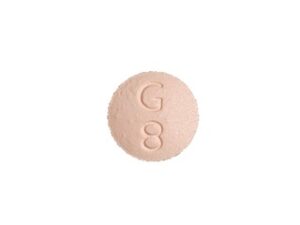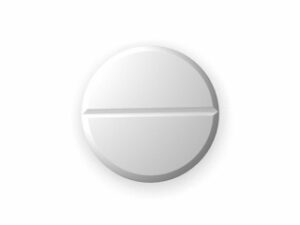



Toficalm (Tofisopam) – Patient Information
Toficalm is a medicine containing tofisopam, used to help relieve anxiety and related tension. It belongs to the class of medicines known as anxiolytics.
This guide is written for patients in the United Kingdom and explains what Toficalm is, how it works, how it is taken, and what to expect. Always follow the advice given by your healthcare professional and read the package leaflet supplied with your medicine.
Quick overview
| Feature | Details |
|---|---|
| Brand name | Toficalm |
| Active ingredient | Tofisopam |
| Medicinal class | Anxiolytic (anti-anxiety medicine) |
| What it may help with | Symptoms of anxiety, tension, and associated stress-related discomfort |
| How it is usually taken | By mouth, split doses during the day (timing varies by individual) |
| Key safety points | Possible drowsiness; avoid alcohol; tell your clinician about all medicines and medical conditions |
What is Toficalm used for?
Toficalm is used to relieve anxiety and tension. It may be prescribed when anxiety symptoms affect day-to-day comfort and functioning. Your clinician will consider your symptoms, medical history, and other medicines you take before recommending a suitable treatment plan.
Typical situations where an anxiolytic may be considered include:
- Feeling persistently anxious, tense, or “on edge”
- Anxiety accompanied by physical tension (for example, muscle tightness)
- Stress-related discomfort where a calming effect is desired
- Short- to medium-term management as part of a broader plan (for example, alongside lifestyle measures or psychological therapies)
Important: Toficalm is not a substitute for urgent care. Seek immediate help if you feel unsafe, severely unwell, or at risk of self-harm.
How Toficalm works (mechanism of action)
Tofisopam affects the brain’s communication systems involved in anxiety and stress responses. While the exact mechanism can be complex, it is known to act on GABA-related pathways—the brain’s main calming neurotransmitter system.
By modulating these pathways, tofisopam may help reduce the symptoms of anxiety such as:
- Feeling calmer and less mentally “stressed”
- Reduced bodily tension
- Improved ability to cope with day-to-day pressures
Many people notice some improvement over days, while others may require a short period of regular use before benefits become clearer.
Pharmacokinetics: absorption, distribution, metabolism, and elimination
Pharmacokinetics describes what the body does to the medicine—how it is absorbed, processed, and removed. The following points are presented in patient-friendly terms.
Absorption
After swallowing, tofisopam is absorbed through the digestive tract. The onset of effect depends on the dose and individual factors such as metabolism.
Distribution
The medicine distributes throughout the body, including tissues in the brain where it acts on neurotransmitter systems.
Metabolism
Tofisopam is metabolised by the liver. This means it is broken down into other compounds (metabolites). Liver function can influence how quickly the medicine leaves the body.
Elimination
Metabolites are eventually cleared primarily via the kidneys (urine) and partly via other routes. How long effects last can vary between individuals.
Half-life (general concept)
The half-life is the time it takes for the amount of medicine in the body to reduce by half. Dosing schedules are designed to maintain a steady effect. Your clinician may adjust dosing based on your response and any side effects.
Indications and when it may be considered
Toficalm is indicated for the treatment of anxiety and associated tension. It may be used as a part of a plan to manage anxiety symptoms—particularly when a calming anxiolytic effect is desired.
Your healthcare professional will assess whether Toficalm is appropriate for you, considering:
- Your anxiety symptoms and severity
- Any conditions you have (for example, liver or kidney issues)
- Other medications you are taking
- Your history of medicine sensitivity or side effects
- Potential risks related to driving, operating machinery, or work safety
How to take Toficalm: dosing and timing
Always take Toficalm according to the directions provided with your medicine or by your healthcare professional. Different patients require different dosing schedules.
Typical dosing approach
Tofisopam is commonly taken in divided doses through the day to support consistent symptom relief. Some people may find an “as needed” approach unsuitable and do better with a regular schedule—your clinician will guide you.
Example timing (illustrative):
- Morning: to cover daytime anxiety symptoms
- Midday/afternoon: to maintain effect
- Evening: if symptoms return later in the day
Dose adjustments
If you experience side effects (such as drowsiness), a lower dose or different schedule may be needed. If there is no improvement, your clinician may review the diagnosis, consider other treatments, or adjust the plan.
Starting and stopping
Many anxiolytics require gradual adjustment. Do not stop suddenly unless a clinician advises you to. If you are planning to discontinue, ask for a safe tapering strategy.
When does it start working?
Individual responses vary. Some people may notice calming effects soon after taking a dose, while broader symptom improvement may take several days of consistent use.
- Short-term: Some reduction in tension may be felt earlier
- Longer-term: A clearer improvement in anxiety symptoms may develop over time
If you feel worse instead of better, or develop new concerning symptoms, contact a healthcare professional promptly.
Food interactions: can you take Toficalm with meals?
For many patients, tofisopam can be taken with or without food. However, individual advice may differ. If your stomach feels unsettled, taking it after food may improve comfort.
To support predictable absorption, it can help to take your doses at similar times each day.
Practical tip: If you notice that taking it with certain foods changes how you feel (for example, increased drowsiness), discuss this with your clinician or pharmacist.
Alcohol and medicine interactions
Alcohol
It is strongly recommended to avoid alcohol while taking Toficalm. Alcohol can increase the risk of side effects such as drowsiness, dizziness, impaired concentration, and slowed reaction time.
Other medicines
Tofisopam may interact with other medicines that affect the central nervous system. Tell your healthcare professional about all current medicines, including:
- Sleeping tablets or sedatives
- Opioid pain medicines
- Antidepressants and other anxiety medicines
- Antihistamines that cause drowsiness (some allergy medicines)
- Medicines for epilepsy or other neurological conditions
- Any over-the-counter products and herbal supplements
Interactions may affect how strongly the medicine works, the risk of side effects, or both. Your pharmacist can help check interactions based on your specific medicines.
Driving and machinery
Because tofisopam may cause drowsiness or slowed reaction time, avoid driving or operating machinery until you know how the medicine affects you.
Safety profile: common and serious side effects
Like all medicines, Toficalm can cause side effects. Not everyone gets them. The most important thing is to know what is expected, what should be monitored, and when to seek help.
Common side effects
- Drowsiness or tiredness
- Dizziness or light-headedness
- Headache
- Nausea or stomach discomfort
- Feeling less mentally sharp (slower thinking) in some people
Less common but important effects
- Balance problems or unsteadiness
- Changes in mood (unusual agitation, irritability)
- Sleep-related effects (for example, abnormal dreams)
Seek urgent medical advice if
- You develop signs of an allergic reaction such as swelling of the face/lips, hives, or difficulty breathing
- Severe confusion, marked sleepiness, or fainting occurs
- You experience serious worsening of anxiety or thoughts of self-harm
If you are concerned about any side effect, consult a healthcare professional. In the UK, you can also call 111 for non-urgent medical advice, or 999 if it is an emergency.
Practical use tips (patient-friendly)
- Take it at the same times daily: Consistency can help steady symptom control.
- Plan for possible sleepiness: If you are starting treatment, avoid tasks that require full alertness until you know your response.
- Don’t mix with alcohol: This reduces the risk of sedation and impaired coordination.
- Review medicines regularly: If new medicines are added, check for interactions.
- Monitor benefits and side effects: Keep a simple note of anxiety symptoms and any drowsiness, dizziness, or other effects.
- Don’t stop suddenly: Ask your clinician about the safest way to discontinue if needed.
- Use alongside support strategies: Relaxation techniques, regular sleep, exercise, and cognitive behavioural strategies (where available) can complement treatment.
Who should be cautious?
Discuss Toficalm with your clinician before use if you have:
- Liver disease (because the medicine is metabolised in the liver)
- Kidney disease (affects clearance of metabolites)
- A history of substance misuse or difficulty with sedating medicines
- Breathing problems (for example, chronic lung disease), especially when combined with other sedating medicines
- Risk factors for falls (such as frailty or balance problems)
If you are elderly, your clinician may start at a lower dose and review you more frequently.
Alternative options for anxiety
Anxiety can be treated in several ways. Alternatives depend on your symptoms, preferences, and medical history. Options may include:
Psychological and lifestyle approaches
- Cognitive behavioural therapy (CBT)
- Relaxation techniques (breathing exercises, progressive muscle relaxation)
- Mindfulness-based strategies
- Sleep improvement and regular physical activity
Medicines
Depending on your needs, clinicians may consider other anxiolytics or antidepressants with anti-anxiety effects. Examples may include (not exhaustive):
- SSRIs (selective serotonin reuptake inhibitors) or SNRIs (serotonin-norepinephrine reuptake inhibitors)
- Other benzodiazepine-type medicines (short-term in certain cases, with careful monitoring)
- Other non-benzodiazepine anxiolytics
Your pharmacist or clinician can explain which option is most suitable and how it compares to tofisopam.
UK market and legal context
In the United Kingdom, the availability, classification, and prescribing practices of medicines are overseen by national medicines regulators and healthcare guidance. For patient safety, medicines are supplied according to current UK regulations and may require assessment by a healthcare professional depending on legal classification and local arrangements.
Guidance and recommendations may evolve over time based on evidence and public health priorities. Always ensure you have the latest information from your healthcare professional or reliable UK sources.
Recent guidance and best practice (general)
While specific recommendations can vary, best practice for anxiety treatment in the UK generally focuses on:
- Using the lowest effective dose for the shortest necessary duration
- Regular review of benefits and side effects
- Careful caution when combining sedating medicines, alcohol, or other CNS depressants
- Emphasising therapy and coping strategies alongside medication where appropriate
Delivery and availability in the UK
Availability may vary depending on pharmacy stock and local distribution. When ordered through an online pharmacy, delivery times can depend on:
- Stock status at dispatch
- Delivery address and postal region
- Any required verification processes
You can typically expect standard delivery options (and sometimes express options) where available. Check the checkout page for estimated delivery times and shipping costs.
Storage: Keep Toficalm out of sight and reach of children. Store as directed on the packaging (commonly at room temperature, away from moisture and excessive heat).
Storage, handling, and missed doses
Storage
Store your tablets according to the instructions on the carton or blister. Do not use after the expiry date.
Missed dose
If you miss a dose, take it when you remember unless it is close to the time for the next dose. If it is nearly time for your next dose, skip the missed one. Do not take a double dose. If you are unsure, ask your pharmacist for advice.
FAQ: Toficalm (Tofisopam)
Is Toficalm suitable for everyone?
Not necessarily. Suitability depends on your medical history, other medicines you take, and your risk factors (for example, liver problems or risk of drowsiness). Your pharmacist or clinician can advise whether it is appropriate for you.
How long can I take Toficalm?
The appropriate duration varies. Many anxiolytics are used for limited periods and reviewed regularly. Follow your healthcare professional’s plan and do not extend use without review.
Will Toficalm make me sleepy?
Drowsiness can occur in some people. Until you know how you respond, avoid driving and be cautious with activities requiring alertness.
Can I drink alcohol while taking Toficalm?
It is recommended to avoid alcohol because it can increase sedation, dizziness, and impaired coordination.
What should I do if I feel too drowsy or dizzy?
Avoid driving and dangerous activities. Contact your healthcare professional for advice. Your dose or schedule may need adjusting.
Are there any food interactions?
Toficalm is usually taken with or without food. If food affects how you feel, keep your dosing consistent and discuss it with your pharmacist.
Can I take Toficalm with other anxiety medicines?
Some combinations may be used under medical supervision, but interactions can increase side effects. Always tell your healthcare professional about all medicines you use.
Can I stop Toficalm suddenly?
Do not stop suddenly without medical advice. If discontinuation is needed, a planned reduction may be safer.
What if I need to change my dose?
Dose changes should be guided by your healthcare professional. Never change the dose yourself without advice.
How do I get the best results?
Take it consistently as directed, avoid alcohol, and monitor both symptom improvement and side effects. Combining treatment with coping strategies (sleep, relaxation, therapy) can also help.
Further information: For full details, including exact dosing instructions and complete side effect information, please refer to the patient information leaflet supplied with Toficalm or speak to a pharmacist.