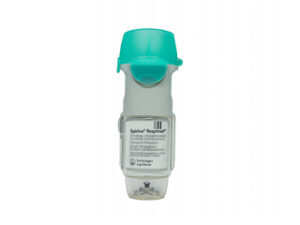


Zaleplon (UK) — Patient Information
Zaleplon is a medicine used for short-term treatment of insomnia, particularly where difficulty falling asleep is the main problem. It belongs to the “Z-drug” family of hypnotic medicines that work on the brain to help you fall asleep more quickly. This page explains what zaleplon is, how it works, how your body handles it, how it is usually taken, and important safety and interaction information relevant to people in the United Kingdom.
Please note: Product availability, brand names, and exact prescribing details can vary. Always check the leaflet supplied with your medicine and follow the advice of a healthcare professional.
Quick Facts
- Medicine name: Zaleplon
- Type: Hypnotic sleep medicine (Z-drug)
- Main use: Short-term help to fall asleep
- Common timeframe: Taken when you are ready for bed and have time for sleep
- Key caution: Only use when you can have a full night’s sleep, as the medicine can still affect you the next morning
Basic Product Information
Zaleplon is an oral medicine (taken by mouth) available in tablet form in many markets. In the UK, it may be supplied under specific brand names depending on supply arrangements.
- How it is supplied: Tablets
- Typical route: Oral use
- How it is commonly taken: At bedtime or shortly before, when you can dedicate enough time to sleep
Important: Zaleplon is designed for short-term use. Longer-term sleep problems often need assessment for underlying causes and a broader treatment plan.
How Zaleplon Works (Mechanism of Action)
Zaleplon acts on the brain’s gamma-aminobutyric acid (GABA) system. GABA is a key calming neurotransmitter. Zaleplon binds to specific sites on the GABA-A receptor, enhancing the effect of GABA. This promotes “slowing down” of brain activity, helping you feel drowsy and fall asleep.
Zaleplon tends to have a relatively short duration compared with some other hypnotics, which may be helpful when the main issue is difficulty initiating sleep.
Pharmacokinetics — What Happens in Your Body
“Pharmacokinetics” describes how the body absorbs, distributes, metabolises, and eliminates zaleplon.
| Feature | What to expect |
|---|---|
| Absorption | Zaleplon is absorbed from the gut after taking a tablet. |
| Onset | It is intended to help you fall asleep fairly quickly after dosing. |
| Metabolism | It is metabolised primarily in the liver. |
| Half-life (duration in the body) | It generally has a shorter half-life than many other hypnotics, supporting use when sleep onset is the main goal. |
| Elimination | Metabolites are removed mainly via the urine and faeces. |
Why this matters: Because zaleplon’s effects can wear off sooner than some other sleep medicines, you may be less affected later in the night. However, it can still cause drowsiness, impaired reaction time, or memory changes the following day—especially if you sleep less than expected or combine it with other substances that depress the nervous system.
Typical Use and Indications
Zaleplon is used to treat insomnia
It is not a treatment for the underlying cause of insomnia. Ongoing sleep difficulties may be related to stress, anxiety, depression, pain, restless legs, sleep apnoea, medication side effects, or lifestyle factors. If your insomnia persists, consider speaking to a GP or sleep specialist for a full assessment. Timing is central to safe and effective use. Zaleplon is taken so it can help you fall asleep while limiting next-day impairment. Practical tip: Keep a routine. The medicine works best when used as part of good sleep habits (regular sleep/wake times, a dark room, avoiding stimulating activities right before bed). Doses vary depending on your age, health status, and other medicines. Your product leaflet or healthcare professional will provide the exact instructions for your situation. Common general guidance in many formularies is that dosing starts low and is adjusted if needed. You should not increase the dose on your own. Do not take extra doses to “catch up” if you missed a tablet. If you have concerns about the dose you were advised, speak to a pharmacist or GP. Food can affect how quickly zaleplon reaches your system and therefore how quickly it helps you fall asleep. If you notice the medicine is not helping as expected, first consider whether your timing with food could be affecting onset. Avoid changing your dose without professional advice. Do not drink alcohol while taking zaleplon. Alcohol increases the sedative effects and can significantly increase the risk of: Combining zaleplon with other medicines that slow down the nervous system can increase side effects and risk. Examples include: These combinations may be necessary in some situations, but they should be managed carefully by a clinician. Zaleplon is metabolised in the liver. Some medicines can alter its breakdown and increase or reduce its effects. Inform a pharmacist or healthcare professional if you take: Tip: Keep an up-to-date list of all medicines, including over-the-counter products and herbal supplements, and share it with your pharmacist. Smoking can affect metabolism of some medicines. If you smoke, it’s helpful to mention this to your clinician, though specific effects on zaleplon depend on individual circumstances. As with all hypnotic medicines, zaleplon can cause side effects. Many people experience mild effects, but some risks are important to recognise early. Some hypnotic medicines have been associated with complex behaviours that may occur after taking the medicine, even if the person does not fully wake up. These can include: If any such behaviour occurs, stop taking the medicine and seek urgent advice from a healthcare professional. Hypnotic medicines can cause dependence if used repeatedly over time. Stopping suddenly after long use can lead to rebound insomnia or withdrawal symptoms. For this reason, zaleplon is generally used for short-term treatment, with a planned review. Do not drive or use tools/machinery if you feel sleepy, dizzy, or not fully alert. The risk is higher if: If you experience persistent insomnia, consider behavioural approaches such as CBT-I (cognitive behavioural therapy for insomnia), which is widely recommended as a first-line treatment in many UK pathways. If zaleplon isn’t suitable, isn’t helping enough, or you want to avoid hypnotic medicines, there are alternatives. For the UK, many GPs and insomnia services encourage reviewing the underlying drivers of insomnia and favouring CBT-I where possible. In the UK, hypnotic medicines such as zaleplon are regulated and supplied according to UK medicines legislation and pharmacy practice. Availability may depend on product status, prescriber assessment, and local supply. Medicines are typically classified and dispensed under appropriate controlled prescribing and dispensing arrangements where required. Healthcare professionals consider factors such as age, medical history, risk of dependence, breathing problems, and potential drug interactions. Important: If you see zaleplon offered online, ensure it is from a reputable UK-registered pharmacy and that you are following UK-safe purchasing practices. Avoid unlicensed products. UK insomnia management increasingly emphasises: Safety messaging from regulators and healthcare organisations has highlighted the need to avoid combining sedatives (including alcohol), and to ensure people can sleep long enough after taking a hypnotic medicine. Availability depends on stock levels and the specific product/strength supplied. When purchasing online from a UK pharmacy, delivery times can vary based on: Delivery tips: If you need the medicine urgently for travel, shift work, or an imminent event, contact the pharmacy first to confirm dispatch and delivery timelines. Zaleplon is used for insomnia, particularly to help you fall asleep. It is typically intended for short-term use while sleep problems are assessed and managed. Zaleplon is designed to help with sleep onset. Timing with meals can affect how quickly it starts working; taking it after a heavy meal may delay its effect for some people. For safety, you should avoid dosing unless you can have a sufficient period for uninterrupted sleep. If you’ve had less sleep than planned, you may have a higher chance of next-day impairment. No. Alcohol increases sedative effects and can significantly raise the risk of dangerous side effects. Avoid alcohol while taking zaleplon. Do not drive if you feel drowsy, dizzy, or not fully alert. Because zaleplon can affect next-day alertness—especially if sleep is interrupted—many people are advised not to drive until the medicine’s effects are unlikely to remain. Common effects include drowsiness and dizziness. Seek urgent advice if you notice unusual behaviours during sleep, significant confusion, severe dizziness, falls, or breathing difficulties. Repeated use can lead to dependence. This is one reason hypnotics like zaleplon are generally used for short-term management, with review by a healthcare professional. Yes. Food—particularly a heavy meal—can slow absorption and delay onset. Taking it when you are ready for bed and not immediately after a large meal may help. Avoid or use extreme caution with other medicines that cause sedation, especially opioids, sedative antihistamines, and other sleeping tablets. Also inform your healthcare professional about medicines that affect liver enzymes. Don’t increase your dose. Discuss your symptoms with a pharmacist or GP. Insomnia may have underlying causes, and different strategies (including CBT-I) may be more effective. Contact a healthcare professional promptly if you experience: In an emergency, seek urgent medical attention. Disclaimer: This information is intended for general patient education and does not replace the advice of a healthcare professional or the information in the medicine’s leaflet. Always follow the instructions provided with your product.
Timing: When to Take Zaleplon
Dosing — What Is Usually Used
Food Interactions
Alcohol and Medicine Interactions
Alcohol
Other central nervous system (CNS) depressants
Medicines affecting liver enzymes
Smoking and lifestyle
Safety Profile — What to Watch For
Common side effects
Less common but important effects
Sleepwalking and “behavioural” effects
Dependence and withdrawal
Driving and operating machinery
Practical Use Tips (Patient-Friendly)
Alternative Options
Non-medicine approaches (often first line)
Other medicine options
Market and Legal Context in the United Kingdom
Recent Guidance and Evolving Best Practice (UK-Relevant)
Delivery, Availability, and What to Expect
Frequently Asked Questions (FAQ)
1) What is zaleplon used for?
2) How quickly does zaleplon work?
3) Can I take zaleplon if I’ve only slept a few hours?
4) Can I drink alcohol with zaleplon?
5) Can I drive after taking zaleplon?
6) What side effects should I watch for?
7) Will zaleplon cause dependence?
8) Are there food interactions?
9) What medicines should I avoid combining with zaleplon?
10) What should I do if zaleplon doesn’t help?
When to Seek Medical Help