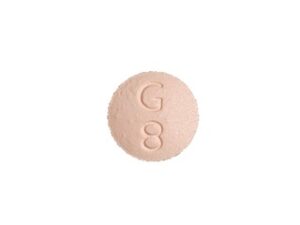


Zolmitriptan: Patient Information (UK)
Zolmitriptan is a medicine used to treat migraine attacks. It belongs to a group of medicines called “triptans”, which are designed to ease the symptoms of migraine such as headache pain and associated nausea, and sensitivity to light or sound.
This page explains how zolmitriptan works, when and how it is usually used, what to expect, key safety information, and practical tips. It also covers interactions and questions often asked by people in the United Kingdom.
Basic product information
- Active ingredient: Zolmitriptan
- Medicine type: Triptan (5-HT1 receptor agonist)
- Common forms available in the UK: tablets (oral), oral dispersible tablets (depending on brand), and nasal spray (where available)
- Typical use: Taken at the start of a migraine attack to relieve symptoms
- Who it is for: Adults (and in some situations, certain age groups depending on the specific product and guidance)
What is a migraine?
Migraine is a neurological condition that can cause moderate to severe headache, often with nausea and/or sensitivity to light and sound. Some people experience a warning phase (prodrome) and/or an aura (reversible visual or sensory symptoms) before the headache begins.
How zolmitriptan works (mechanism of action)
Zolmitriptan helps treat migraine by targeting serotonin (5-HT) receptors, particularly the 5-HT1 family. During a migraine, certain nerve signals and blood vessel changes contribute to pain.
Zolmitriptan’s main actions include:
- Constraining dilation of certain blood vessels involved in migraine
- Reducing transmission of pain signals in the trigeminal nervous system
- Modulating inflammatory and pain-related pathways that contribute to migraine symptoms
This typically leads to improvement in headache pain and associated symptoms when taken early in an attack.
Indications: what zolmitriptan is used for
Zolmitriptan is used for the acute treatment of:
- Migraine attacks, with or without aura
It is intended to relieve an existing attack, not to prevent migraine long-term (although some medicines are used preventively—see “Alternative options”).
When to take zolmitriptan (timing)
For best results, take zolmitriptan as early as possible during a migraine attack. You can take it when:
- Headache pain begins, or
- Aura occurs and the headache is expected to follow (depending on your personal pattern)
Many people find it works best if taken during the early headache phase rather than waiting until pain becomes severe. However, if your attack has already progressed, zolmitriptan may still help—follow the dosing guidance for your specific product.
Typical dosing (general guidance)
Doses can vary depending on the formulation (tablet/orodispersible/nasal spray), your age, and your overall health. Always follow the dosing instructions provided with your specific product.
Common adult approach
- Initial dose: Typically taken as an initial single dose at the start of an attack.
- If symptoms improve but return: A further dose may be considered.
- If there is no relief: Do not exceed recommended limits within 24 hours. Consider discussing next steps with a healthcare professional.
Maximum daily/24-hour limits
Triptans are usually limited to prevent overuse and reduce the risk of side effects. The exact maximum amount per 24 hours depends on the product strength and formulation. Your medicine leaflet will specify the limit (for example, “no more than X doses in 24 hours”).
Renal impairment and special populations
If you have reduced kidney function, your doctor may choose a lower dose or a different interval. For some people, the lowest effective dose is preferred. If you’re not sure how this applies to you, check the leaflet for your product or speak with a pharmacist.
Pharmacokinetics: how the body handles zolmitriptan
“Pharmacokinetics” describes how the body absorbs, distributes, metabolises, and eliminates a medicine. Understanding this can help explain onset of action and why timing matters.
Absorption
Zolmitriptan is absorbed after oral administration. The speed and extent of absorption can be influenced by factors such as gastric emptying.
Conversion to active metabolites
Zolmitriptan is metabolised primarily in the liver. It also forms an active metabolite (commonly described as N-desmethylzolmitriptan), which may contribute to overall effectiveness.
Distribution
The medicine distributes through the body and acts on relevant serotonin receptors.
Elimination
Zolmitriptan and its metabolites are eliminated mainly via the kidneys. Reduced kidney function may increase exposure. Your product leaflet will provide specific information.
Onset of action
Many people notice improvement within about an hour, with peak benefit often occurring earlier for some formulations. Individual response varies; if you experience delayed relief, it’s still important not to exceed the recommended dosing interval.
Food interactions
In general, zolmitriptan can be taken with or without food. However, migraine attacks can involve nausea and vomiting, which may affect absorption. If you find tablets are difficult to keep down during attacks, an alternative formulation (such as an orally disintegrating tablet or nasal spray—where available) may be more practical.
If you are taking zolmitriptan and notice reduced effect when taken with certain meals, consider taking it at the start of the attack when nausea is less severe, or discuss formulation options with a pharmacist.
Alcohol interactions
There is no universal “one-size-fits-all” rule, but alcohol can:
- Trigger or worsen migraine attacks in some people
- Increase nausea and dizziness, which may overlap with side effects of zolmitriptan
- Complicate hydration, potentially affecting recovery
For many people, it is sensible to avoid alcohol during a migraine, and particularly around the time you take zolmitriptan. If you choose to drink, do so cautiously and follow local safety advice in line with your general health.
Medicine interactions
Interactions matter because zolmitriptan is processed by liver enzymes and can also affect blood vessel tone and serotonin pathways. The most important interactions include:
Do not combine with certain medicines
- Other triptans (e.g., sumatriptan, rizatriptan, naratriptan): combining increases risk of side effects.
- Ergotamine or ergot-type migraine medicines (e.g., dihydroergotamine): combination is generally avoided.
- Some antidepressants affecting serotonin (e.g., MAO-A inhibitors; certain serotonin-modulating drugs): risk depends on the exact medicine and regimen.
Medicines that may affect zolmitriptan levels
Some medicines can inhibit enzymes involved in zolmitriptan metabolism, potentially increasing zolmitriptan concentrations. This can raise the likelihood of adverse effects such as dizziness, tingling, sleepiness, or flushing.
- MAO-A inhibitors (commonly relevant): may require dose adjustment or specific restrictions.
- Certain antifungals and antibiotics: may alter metabolism depending on the drug class.
- Cimetidine (commonly mentioned in triptan interactions): can increase zolmitriptan exposure in some circumstances.
Overuse and combination with pain medicines
Many people use zolmitriptan with a pain reliever such as paracetamol or an anti-inflammatory medicine. While this can be appropriate, it’s important to avoid frequent use of any acute migraine medicine, as this can contribute to medication-overuse headache.
If you require treatment frequently, it may be worth discussing a preventive strategy with a pharmacist or clinician.
Safety profile: important precautions
Zolmitriptan is generally well tolerated when used correctly for migraine attacks. However, as with all triptans, there are safety considerations. Always read the leaflet included with your product.
Common side effects
- Dizziness
- Feeling hot or flushed
- Tingling or numbness
- Sleepiness
- Nausea (may overlap with migraine symptoms)
- Dry mouth
- Headache sensation changes (sometimes described as a “heavy” feeling)
Seek urgent medical advice if you experience
Rare but serious reactions are possible. Contact emergency services or seek urgent care if you develop:
- Chest pain, tightness, or pressure
- Shortness of breath or trouble breathing
- Signs of stroke (e.g., weakness on one side, sudden speech difficulty, facial droop)
- Severe allergic reaction (swelling of face/lips, hives, severe rash, wheezing)
Who should be especially cautious
Extra caution may be needed if you have:
- Heart disease or risk factors for heart problems
- Uncontrolled high blood pressure
- History of stroke or transient ischaemic attack (TIA)
- Significant liver disease
- Known sensitivity to triptans
Because migraine symptoms can overlap with other conditions, it’s important to confirm the diagnosis of migraine.
Serotonin-related risk
Serotonin syndrome is a rare but potentially serious condition associated with serotonergic medicines. Risk may increase when zolmitriptan is combined with certain drugs that affect serotonin. If you experience symptoms such as agitation, confusion, fever, sweating, muscle stiffness, tremor, or diarrhoea, seek urgent medical advice.
Practical use tips for best results
- Take early: Use at the first sign of migraine headache where possible.
- Follow the interval: If you need a second dose, wait the recommended time before taking more.
- Stay upright if nauseated: This can help reduce reflux and improve comfort while the medicine works.
- Use an appropriate formulation: If you struggle with swallowing during attacks, consider an orally disintegrating option or nasal spray if available.
- Hydrate when you can: Fluids (small sips) can aid recovery, especially if you’ve vomited.
- Keep a migraine diary: Track triggers, timing, and whether zolmitriptan works for you—this helps identify patterns.
- Avoid frequent “rescue” dosing: If you need acute treatment many days each month, it may be time to discuss prevention.
Medication-overuse headache (MOH): a key safety point
Regular use of acute migraine medicines can sometimes lead to medication-overuse headache, where headaches become more frequent rather than less. This is more likely if acute treatments are used too often.
A common guideline is that migraine-specific acute medicines (including triptans) should typically not be used on more than a limited number of days per month. The exact recommendation can vary, so check your local guidance and the leaflet for your medicine. If you are using zolmitriptan frequently, seek advice about preventive treatment and safer long-term management.
Alternative treatment options
Not everyone responds to zolmitriptan. There are other options for acute migraine attacks and for prevention.
Other acute (attack) options
- Other triptans: e.g., sumatriptan, rizatriptan, naratriptan, eletriptan (selection depends on availability and your medical history).
- Pain relievers commonly used for migraine (e.g., paracetamol) depending on severity and individual suitability.
- Anti-inflammatory medicines (NSAIDs) may help some people with migraine.
- Gepants or ditans (where available/appropriate): newer classes for acute migraine treatment may be options in some pathways.
Preventive options (to reduce attack frequency)
- Beta-blockers (some people find these helpful)
- Antiepileptic medicines used for migraine prevention
- Tricyclic antidepressants in selected cases
- Anti-CGRP therapies (in certain circumstances)
- Non-drug strategies such as sleep management, stress reduction, regular meals, and trigger avoidance
If zolmitriptan is not effective, causes troublesome side effects, or attacks remain frequent, ask a pharmacist or clinician about alternatives and the right treatment plan for you.
Market and legal context in the United Kingdom
In the UK, zolmitriptan is regulated and supplied in line with Medicines and Healthcare products Regulatory Agency (MHRA) requirements. Availability in pharmacies may depend on the specific product and the supply route permitted at the time.
Online pharmacies in the UK must follow applicable regulations for medicines supply, including ensuring that customers meet legal requirements for the safe supply of medicines. Product packaging and patient information leaflets include important safety details and official dosing instructions.
Recent guidance (high-level overview)
UK migraine guidance generally emphasises:
- Early use of appropriate acute treatment at the start of an attack
- Limiting overuse to reduce the risk of medication-overuse headache
- Considering preventive therapy when migraines are frequent or disabling, or when acute treatment is not adequately effective
- Reviewing cardiovascular risk in people using triptans, as triptans are vasoconstrictive agents
Because guidance can evolve, it’s good practice to check the leaflet for your exact product and seek advice for personal circumstances.
Delivery and availability (UK)
Zolmitriptan may be supplied by pharmacies throughout the UK depending on stock, formulation, and product licensing. Online availability can vary by:
- Formulation (tablets, orally disintegrating tablets, nasal spray)
- Strength (dose per tablet/spray)
- Manufacturer and packaging size
- Local delivery timeframes
Most online pharmacy providers aim to dispatch orders quickly and deliver within standard courier timelines. Delivery options and cut-off times are usually shown during checkout.
If you need a particular strength or form, check product listings and ensure you select the correct option before placing an order.
How to store zolmitriptan
- Store at room temperature (unless the leaflet states otherwise).
- Keep medicines in the original packaging to protect from light and moisture.
- Keep out of reach and sight of children.
- Do not use after the expiry date on the pack.
FAQ about zolmitriptan
1) How quickly does zolmitriptan work?
Many people notice improvement within about an hour, but timing varies. Taking it early in an attack and using the correct formulation can help. If you don’t get relief, do not keep taking more than recommended—follow the leaflet and seek advice.
2) Can I take zolmitriptan with food?
Generally, zolmitriptan can be taken with or without food. If nausea is a big issue during your migraine, an alternative formulation may be easier to use.
3) What if I still have a migraine after the first dose?
If symptoms improve but return, you may be able to take another dose after the recommended interval. If there is no improvement, avoid exceeding the daily maximum. It may be helpful to discuss future attack plans with a pharmacist or clinician.
4) Can I use zolmitriptan for frequent migraines?
It may be used for acute attacks, but frequent use can increase the risk of medication-overuse headache. If you’re needing zolmitriptan often (e.g., many days each month), consider reviewing preventive options and your overall migraine plan.
5) Is zolmitriptan safe if I have high blood pressure?
Caution is needed with triptans in people with uncontrolled high blood pressure or significant cardiovascular risk. Check your product leaflet and seek advice if you have any cardiovascular concerns.
6) Can I take zolmitriptan with other painkillers?
Many people can use zolmitriptan alongside paracetamol or an anti-inflammatory medicine, but this depends on your health and the exact products. Avoid exceeding recommended doses of any medicine and be mindful of medication-overuse headache.
7) Does alcohol affect how well zolmitriptan works?
Alcohol can trigger or worsen migraines in some people and may increase side effects like nausea or dizziness. It’s usually best to avoid alcohol during an attack and when taking migraine medicine if it affects you.
8) Are there people who should not take zolmitriptan?
Zolmitriptan may not be suitable for everyone, particularly some people with certain cardiovascular conditions, history of stroke/TIA, or specific drug combinations. Always consult the patient information leaflet and professional advice if unsure.
9) What should I do if I accidentally take too much?
If you think you have taken more than recommended, seek medical advice promptly. If severe symptoms occur, contact emergency services.
10) What are the signs that my symptoms may not be a typical migraine?
If your headache is sudden and severe (“worst ever”), associated with fainting, weakness, confusion, fever, stiff neck, or persistent visual changes, seek urgent medical assessment. Not all headaches are migraines.
Quick reference table (at-a-glance)
| Topic | What to know |
|---|---|
| Use | Treats acute migraine attacks (with or without aura) |
| How it works | Triptan medicine that activates 5-HT1 receptors to reduce migraine pain pathways |
| Best timing | As early as possible during an attack for better symptom relief |
| Food | Usually can be taken with or without food; nausea/vomiting may affect absorption |
| Alcohol | May worsen migraine and side effects—avoid during attacks if possible |
| Key interactions | Avoid combining with other triptans, ergot-type medicines, and certain serotonergic/MAO-related drugs |
| Safety watch-outs | Chest pain, stroke-like symptoms, severe allergy—seek urgent help |
| Important risk | Medication-overuse headache with frequent use of acute migraine treatments |
| Storage | Room temperature (unless leaflet says otherwise); keep in original packaging |
Summary
Zolmitriptan is a triptan medicine used for the acute treatment of migraine attacks. It works by activating serotonin receptors to interrupt migraine-related pain pathways. For many people, taking it early in an attack provides the best chance of relief. As with other triptans, it’s important to follow dosing limits, consider interactions, and be alert to rare but serious side effects.
If you have frequent migraines, require acute medicine often, or your attacks are not well controlled, it may be time to discuss a broader management plan, including preventive options.