
Speman (Semen preparation) — Patient-Friendly Guide (UK)
Speman is a well-known medicine used in the management of certain male fertility concerns, particularly where semen quality and sperm movement may be affected. This guide explains how it works, how it is typically taken, what to expect, important safety information, and practical tips to get the best results. It is written for people using online pharmacy services in the United Kingdom.
Note: Always follow the instructions provided with your medicine and consult a healthcare professional if you are unsure whether Speman is suitable for you. Fertility problems can have many causes, and appropriate medical assessment may be needed.
1. Basic product information
| Item | Details |
|---|---|
| Brand name | Speman |
| What it’s used for | Supporting sperm quality and semen parameters in men with reduced fertility-related parameters (as advised by a clinician) |
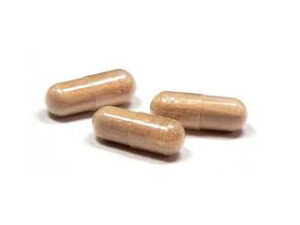
| Typical form | Tablets/capsules (varies by pack; check your specific product) |
| Common active ingredients | A semen/“male fertility” supplement formulation (composition can vary by product/region—check the pack for exact ingredients) |
| Availability (UK) | Sold via regulated pharmacy channels where legally permitted |
| Where to read | Your pack leaflet and the product label for exact dosing and instructions |
Important: The exact composition and strength can differ depending on the specific Speman product available. Please confirm the ingredients and strengths on your pack before use.
2. How Speman works (mechanism of action)
Speman is designed to support aspects of male reproductive health. While the precise mechanism can vary by formulation, male fertility products like Speman generally aim to:
- Improve sperm quality by supporting sperm production and function.
- Support sperm motility (movement), which is crucial for sperm to reach the egg.
- Contribute to semen parameters such as volume and count in some users.
- Reduce oxidative stress (for some formulations with antioxidant-type components), helping protect sperm from damage.
Think of Speman as a “supportive” treatment. In many cases, fertility improvements—if they occur—take time and depend on the underlying cause, as well as lifestyle factors.
3. Pharmacokinetics (how the body handles it)
“Pharmacokinetics” describes how a medicine is absorbed, distributed, metabolised, and eliminated. For multi-ingredient fertility formulations, detailed pharmacokinetic profiles may not be fully characterised in the same way as single active substances.
- Absorption: Typically occurs via the gastrointestinal tract after oral administration.
- Distribution: Components are distributed through the bloodstream to tissues.
- Metabolism and elimination: Metabolic processing occurs largely in the liver and/or other tissues, with elimination through normal body pathways (often urine and/or faeces).
Because fertility improvement depends on sperm development cycles, the clinical benefit is often assessed over weeks to months rather than days.
4. Typical use and timing
What it is commonly used for
Speman is commonly used as part of a plan to address fertility-related issues in men. It may be recommended where sperm parameters such as motility and/or count are reduced, particularly when a clinician advises supportive therapy.
When to expect results
Sperm take time to develop. As a result, the effects of treatments like Speman are usually evaluated after:
- Several weeks (initial changes may occur)
- Up to 3 months or longer (more meaningful improvement is typically assessed over a full cycle)
If you are using Speman to support fertility, consider pairing it with lifestyle measures (e.g., reducing smoking, moderating alcohol, maintaining a healthy weight, and managing stress) and getting fertility guidance where needed.
How long to take it
The duration depends on your situation and the product instructions. Many people continue for at least a couple of months before assessing changes. If you have a diagnosis or ongoing fertility care, follow the plan agreed with your healthcare professional.
5. Indications (when Speman may be considered)
Indications can vary depending on the specific product and local regulatory classification. In the UK, Speman is generally used for male fertility support—particularly where semen quality or sperm motility/count is reduced.
You should also seek medical advice if fertility issues are present together with symptoms such as testicular pain, swelling, or hormonal changes, or if semen analysis suggests severe abnormalities.
6. Dosing (how to take Speman)
Always check your pack leaflet for the exact dose for your specific Speman product. Doses can differ between formulations. The guidance below is typical and for general information only.
Typical adult dose
- Adults: Commonly taken as one tablet/capsule two times daily (or similar), often after meals. Some packs may specify a different number—follow your label.
- Children: Usually not indicated unless a clinician specifically advises otherwise (most male fertility medicines are for adults).
How to take
- Take it with water.
- Try to take doses at roughly the same times each day.
- Do not exceed the dose stated on the pack.
If you miss a dose: Take it when you remember unless it is close to the time for your next dose. Do not take a double dose.
7. Food interactions and meal timing
Many fertility-related medicines are better tolerated when taken after food. Food may also help reduce the chance of stomach upset.
General guidance
- Take with or after meals if your pack recommends it.
- If you experience nausea, consider taking it with a snack or meal.
- Do not take with large amounts of alcohol (see below), and avoid very heavy meals if you feel unwell.
Specific food-drug interactions are not always well documented for multi-ingredient fertility formulations. For personalised advice, speak to a pharmacist—especially if you have digestion issues or take many medicines.
8. Alcohol interactions and medicine interactions
Alcohol
There is no universal “hard stop” interaction for all fertility formulations, but alcohol can affect fertility indirectly and may worsen side effects such as dizziness, nausea, or stomach discomfort in some people.
- Moderate use: Generally preferable to heavy or binge drinking.
- Fertility focus: Reducing alcohol intake may support better semen parameters.
Other medicines
If you take prescription or over-the-counter medicines regularly, it is important to check possible interactions. Fertility formulations can contain multiple plant- or nutrient-based components, and interactions can depend on your specific ingredients.
- Tell your pharmacist about all current medicines, including supplements and herbal products.
- Be cautious with: blood-thinning medicines (e.g., warfarin), medicines affecting the liver, and herbal products that may influence hormone pathways or bleeding risk.
- Underlying conditions: If you have liver disease, kidney disease, or endocrine/hormonal disorders, get professional advice before starting or continuing.
If you experience rash, severe stomach upset, or other unusual symptoms after starting Speman, stop and seek advice.
9. Safety profile and precautions
Common side effects
Many people tolerate Speman well. However, as with any oral medicine/supplement, side effects can occur. Possible effects may include:
- Mild gastrointestinal upset (e.g., stomach discomfort, nausea, bloating)
- Headache in some users
- Changes in appetite
- Allergic-type reactions in sensitive individuals (rare)
Serious warning signs (seek medical advice urgently)
- Swelling of the face, lips, or throat
- Breathing difficulties or wheezing
- Severe rash or hives
- Persistent vomiting or severe abdominal pain
- Yellowing of the skin/eyes (jaundice) or dark urine (possible liver-related issues—rare)
Who should be extra careful
- Men with liver or kidney impairment: check suitability with a healthcare professional.
- Those prone to allergies: especially if you have previously reacted to supplements or herbal products.
- People taking multiple medicines: to avoid interactions.
- History of hormone-sensitive conditions: discuss with a clinician.
Pregnancy and breastfeeding
Speman is intended for use by men. It is not intended for use in women. If a partner is pregnant or breastfeeding, focus should remain on the male partner’s appropriate use and general lifestyle measures supporting fertility and overall health.
10. Practical use tips for best results
- Use it consistently: take doses at the same times daily.
- Be patient: sperm development takes time—assess after a few months.
- Consider a fertility checklist: sleep, exercise, body weight, and stress management can all contribute.
- Limit smoking: smoking is strongly associated with reduced sperm quality.
- Moderate alcohol: heavy drinking can negatively affect fertility.
- Review supplements: avoid taking multiple fertility products at the same time unless advised—too many ingredients can make it harder to identify side effects.
- Consider a sperm analysis: if advised by a clinician, repeating semen analysis after a suitable interval can help measure response.
If you have had fertility tests, keep a copy of your results and review them with your healthcare professional to tailor the approach.
11. Alternative options (UK overview)
Speman is one option among fertility-support products. Depending on your diagnosis and semen analysis, alternatives may include:
Dietary and lifestyle support
- General health optimisation: diet rich in antioxidants, regular moderate exercise, and adequate sleep
- Reducing exposures: excessive heat to testes, anabolic steroids, and environmental toxins where possible
Common fertility supplement categories
- Antioxidant supplements: used to support oxidative stress balance
- Omega-3 fatty acids
- Coenzyme Q10
- Zinc and selenium (only if appropriate for you)
Medical and assisted fertility pathways
If semen parameters are severely reduced or if there is an underlying medical cause, your clinician may recommend additional evaluation or fertility treatments. Fertility support supplements are not a substitute for diagnosing and treating underlying causes.
In the UK, treatment pathways vary based on NHS and private fertility services, local guidance, and individual circumstances.
12. Market and legal context in the United Kingdom
In the UK, medicines, including those sold through pharmacy channels, are subject to regulation. Depending on the exact classification of the product, Speman may be regulated as a medicine or may be treated under a complementary framework. Products sold in the UK should be legally supplied via authorised distributors and meet required standards for quality, labelling, and safety.
- Quality and authenticity: buy from reputable online pharmacy suppliers.
- Clear labelling: ensure the pack includes the correct name, dosage instructions, and relevant warnings.
- Up-to-date information: product leaflets and manufacturer updates may change.
Regulations and guidance can evolve. Always check the specific product details for current UK availability and packaging instructions.
13. Recent guidance and “what to know now”
Fertility advice in the UK increasingly emphasises:
- Evidence-informed use: fertility supplements may be used to support certain semen parameters, but results vary.
- Addressing underlying causes: treat infections, hormonal imbalance, varicoceles, or medication effects where identified.
- Lifestyle measures: smoking cessation, weight management, and limiting heat to the testes are commonly recommended.
- Monitoring and reassessment: repeating semen analysis after an appropriate interval helps guide next steps.
If you have been trying to conceive for a prolonged period, consider seeking fertility assessment for both partners rather than relying solely on supplements.
14. Delivery and availability (UK)
Availability of Speman can vary by supplier and stock levels. When ordering from a UK online pharmacy, you typically receive:
- Product confirmation before dispatch
- Packaging that protects the product and includes labelling
- Tracking and a delivery timeframe (depending on the service)
Delivery times: Many UK pharmacies offer standard and express delivery options. Delivery estimates shown at checkout are usually based on your postcode area and current dispatch schedules.
Storage: Store at room temperature as directed on the pack, away from excessive heat and moisture. Keep out of reach of children.
15. FAQ (Frequently asked questions)
Is Speman suitable for everyone?
Speman is not appropriate for all users. Check the pack for contraindications and warnings, and speak to a pharmacist if you have liver/kidney issues, take other medicines, have a history of allergies, or have ongoing hormonal or fertility-related diagnoses.
How long does it take to work?
Improvements—if they occur—are typically assessed after at least 8–12 weeks, and sometimes longer. Sperm development cycles mean effects are not usually immediate.
Should I take Speman with food?
In many cases, it is recommended to take it after meals to improve comfort and tolerance. Follow the instructions on your specific pack.
Can I drink alcohol while taking Speman?
Light to moderate alcohol may not cause direct interactions for everyone, but alcohol can negatively affect fertility and may worsen side effects. For best results, keep alcohol intake moderate and avoid binge drinking. If you notice stomach upset or dizziness, reduce or stop alcohol and seek advice.
What medicines should I avoid mixing with Speman?
Because formulations vary, interactions depend on your exact product and your other medicines/supplements. It’s safest to tell your pharmacist about all current treatments—especially blood thinners, hormonal therapies, and any medicines with liver effects.
What side effects might I experience?
Commonly reported effects include mild stomach discomfort, nausea, or headache. Stop use and seek urgent help if you develop signs of allergy (rash, swelling, breathing difficulties) or severe/persistent symptoms.
Can Speman improve fertility if my semen analysis is abnormal?
Speman may help in some men by supporting sperm parameters, particularly motility and count, but results vary. The cause of abnormal results matters. If fertility is not improving, consider follow-up with a clinician and repeat semen analysis at an appropriate interval.
Can I take Speman with other fertility supplements?
You should be cautious about stacking multiple fertility products, as ingredient overlap can increase the chance of side effects and makes it harder to identify what helps. Ask a pharmacist for personalised guidance.
What should I do if I miss a dose?
Take it when you remember unless it’s almost time for the next dose. Do not take a double dose to catch up.
Where can I find the most accurate instructions?
Always refer to the patient information leaflet inside your Speman pack and the label on the container. This is the most reliable source for dosing, warnings, and product-specific details.
Final thoughts
Speman is often chosen by men seeking fertility support, with the goal of improving semen parameters and sperm motility over time. For the best chance of benefit, take it consistently as directed, consider lifestyle measures that support sperm health, and review progress after an appropriate period with a healthcare professional if you are not seeing expected improvement.