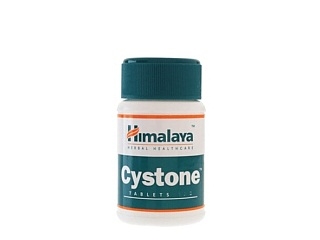
Cystone (Herbal) – Patient Information Guide (UK)
Cystone is a traditional herbal medicine used to support urinary tract health. Many people use Cystone as part of a long-term wellness routine, particularly when they want additional support for comfort, urinary flow, and bladder/urinary system function.
This page is written for patients in the United Kingdom and aims to help you understand what Cystone is, how it works, how to take it, and what to watch for. Always follow the instructions provided with your product and consult a healthcare professional if you have questions—especially if you are pregnant, breastfeeding, have a long-term medical condition, or take other medicines.
Basic product information
| Item | What you should know |
|---|---|
| Name | Cystone (herbal urinary support product) |
| Type | Herbal medicinal product used for urinary tract wellbeing |
| Common forms | Tablets or capsules (varies by pack) |
| Typical use in the UK | Traditional use to support bladder comfort and urinary system function |
| Age range | Use according to the package instructions; ask a pharmacist for children’s use |
| Key note | Do not use to replace urgent medical assessment for severe symptoms |
Important: The exact strength, ingredients, and dosing may differ depending on the specific Cystone brand, pack size, and formulation available in the UK. Please check the label on your own product for exact details (including the list of herbal constituents).
How Cystone works (mechanism of action)
Cystone’s herbal ingredients are traditionally used for urinary comfort and urinary system support. While the precise mechanism can vary by formulation, herbal urinary-support products commonly aim to:
- Support normal urine flow by helping the urinary tract remain comfortable.
- Help reduce urinary discomfort associated with mild irritation.
- Support bladder health through plant-based ingredients used traditionally for urinary tract wellbeing.
- May help with “stone/crystal” concerns via traditional use in people who want additional urinary support (not a substitute for medical diagnosis).
Note on evidence: Herbal products may have varying levels of clinical evidence depending on the exact ingredients and formulation. Use the product as directed and monitor symptoms. If you have persistent or worsening symptoms, seek medical advice.
Pharmacokinetics (how the body handles it)
Pharmacokinetics describes what happens to a medicine in the body—absorption, distribution, metabolism, and excretion. For herbal products like Cystone, detailed pharmacokinetic data may be limited or vary by ingredient.
In general, many oral herbal constituents:
- Are absorbed partially from the gastrointestinal tract, with the remainder broken down by digestive processes and gut microbes.
- Undergo metabolism in the liver and intestinal wall before active or inactive metabolites are formed.
- Are ultimately excreted through the urine and/or digestive tract.
What this means for you: Herbal urinary-support medicines typically show the most noticeable effects over days to weeks rather than immediately. Consistent use and adequate hydration are often recommended alongside taking the product.
Typical use and indications
Cystone is traditionally used for urinary tract wellbeing. In the UK, patients often choose it to:
- Support bladder comfort and mild urinary irritation.
- Help maintain healthy urinary function, particularly when symptoms are not severe.
- Support people prone to “crystal” concerns (traditional use) as part of general urinary health routines.
Indications to treat with caution:
- If you suspect a urinary tract infection (UTI) (burning, urgency, fever, back pain, or blood in urine), seek prompt medical advice.
- If you have symptoms of kidney stones (severe flank pain, nausea/vomiting, blood in urine), seek urgent assessment.
When to take Cystone (timing and routine)
Follow the dosing schedule on your pack. Many herbal urinary-support regimens are taken:
- Once or twice daily, often with water.
- Regularly at similar times each day to keep a consistent level of herbal constituents.
Practical timing tips:
- Consistency matters: choose a time that fits your day (e.g., morning and evening).
- Hydration: drink adequate fluids unless you’ve been told to restrict fluids.
- Give it time: if used for urinary comfort, you may need several days to notice benefits.
If you miss a dose: take it when you remember unless it is close to the next dose. Do not take a double dose to make up for a missed one.
Food interactions: what to expect
Most herbal urinary-support medicines like Cystone are taken with or without food. However, food can influence how quickly tablets or capsules dissolve and how well they are tolerated.
General guidance:
- If your stomach feels sensitive, consider taking Cystone with meals or shortly after food.
- Stay consistent with your usual routine.
Reduce the risk of irritation:
- Avoid taking on an empty stomach if you have a history of gastric irritation.
- Keep hydrated throughout the day.
Alcohol and medicine interactions
Herbal products can interact with medicines in unpredictable ways depending on their ingredients. Specific alcohol interactions are not always fully characterised for all herbal constituents.
General safety approach:
- Moderate alcohol may be acceptable for many people, but alcohol can irritate the bladder and may worsen urinary discomfort in some individuals.
- To be cautious, consider limiting alcohol while you are using Cystone, particularly if you have urinary symptoms.
Drug interaction caution:
- If you take other medicines (for example, diuretics/water tablets, blood thinning medicines, or medicines that affect urination), discuss with a pharmacist.
- Herbal products may interact with how the liver processes certain drugs.
Stop and seek advice urgently if you develop allergic symptoms (such as rash, swelling, wheezing) or if urinary symptoms worsen rapidly.
Dosing: how much to take
Always check your pack for the exact dose and frequency. The information below is typical guidance and may not match every formulation or product strength.
- Adults: commonly taken once or twice daily according to label instructions.
- Children and teenagers: use only if the product label allows it and follow the stated age guidance.
How to take it:
- Take with a glass of water.
- Swallow tablets/capsules whole unless your packaging advises otherwise.
- Keep to your scheduled routine.
How long to use it: Many people use herbal urinary-support products over a period of time to support ongoing comfort. If symptoms do not improve within the time stated on the pack, or if they worsen, stop and seek professional advice.
Safety profile and who should be careful
Cystone is generally considered safe when taken as directed. However, “natural” does not always mean “risk-free”. Safety depends on your health status, other medicines, and how your body responds to herbal ingredients.
Common side effects
Herbal urinary-support medicines may cause:
- Mild stomach upset (nausea, cramps)
- Loose stools in some people
- Headache (less common)
Serious allergic reactions
Seek urgent help if you experience signs of allergy, such as:
- Rash or hives
- Swelling of the face/lips/throat
- Breathing difficulties or wheezing
Who should be extra cautious
- Pregnant or breastfeeding: consult a clinician or pharmacist before use.
- People with kidney disease: discuss with a healthcare professional.
- History of recurrent UTIs or kidney stones: use may not prevent acute attacks—seek appropriate assessment.
- Those with multiple medications or chronic conditions: check for potential interactions.
- Known allergies to any herbal constituent.
When to stop and seek medical advice
Stop taking Cystone and seek medical advice promptly if you have:
- Fever, chills, or feeling unwell
- Severe pain in the back or side (flank pain)
- Blood in urine
- Symptoms lasting more than a few days without improvement
- Symptoms typical of a UTI that are worsening
Practical use tips for best results
- Hydrate well: aim for regular fluid intake unless restricted for medical reasons.
- Don’t ignore red flags: severe pain, fever, or blood in urine require medical assessment.
- Maintain urinary hygiene: go when you feel the need; avoid holding urine for long periods.
- Consider dietary habits: some people find that caffeine and alcohol irritate the bladder.
- Track symptoms: note how often symptoms occur and whether they respond to the routine.
- Give it a fair trial: follow the recommended duration on your pack before deciding it isn’t suitable.
Alternative options for urinary tract support
If you are considering Cystone, you may also want to compare other options used in the UK for urinary comfort or bladder health. Alternatives may include:
Non-medicine and lifestyle approaches
- Increased water intake (as advised)
- Bladder-friendly habits (regular urination, avoiding irritants)
- Urinary hygiene measures (wiping front to back, urinating after sex if appropriate)
Other products (ask a pharmacist about suitability)
- Other herbal urinary-support supplements (different ingredient profiles)
- D-mannose-based products (commonly used in urinary support routines)
- Specific urinary health supplements (e.g., cranberry-based products, depending on availability)
Choosing the right option: if you have recurrent symptoms, it may be more effective to identify the cause (for example, recurrent UTIs, bladder irritation, or stones) with the help of a pharmacist or clinician.
Market and legal context in the UK
In the United Kingdom, herbal medicines and supplements are regulated under medicines and health product frameworks. Depending on the classification and product registration status, a product may be:
- A traditional herbal medicine (used according to established tradition), or
- A food supplement (marketed for general wellness rather than treating disease), or
- Another regulated category under UK rules.
Claims and wording: The marketing language for health products must comply with UK advertising and medicines regulations. Products like Cystone may emphasise traditional use and supporting urinary comfort rather than claiming to cure infections.
Pack labelling is key: Always read the box or leaflet for official indications, dosage instructions, contraindications, and any warnings specific to your version of Cystone sold in the UK.
Recent guidance (how to manage urinary symptoms safely)
Healthcare guidance consistently encourages:
- Prompt assessment for symptoms suggestive of UTI or kidney involvement (especially fever, flank pain, or blood in urine).
- Do not delay treatment when symptoms are severe or worsening.
- Review recurrent symptoms with a healthcare professional to rule out underlying causes.
Using Cystone appropriately: It may be suitable for mild urinary discomfort or as part of urinary wellness support. It is not a substitute for urgent medical evaluation if you have signs of serious infection or kidney stones.
Delivery and availability (UK)
Cystone may be available online through UK pharmacies and health retailers depending on product classification and stock levels. Availability can vary by:
- Pack size and formulation
- Current demand and supplier schedules
- Regulatory and listing status for the exact version sold in the UK
Delivery expectations:
- Most online pharmacy deliveries in the UK use tracked post or courier services.
- Delivery time depends on your location and the dispatch schedule.
- Some products may have limits on delivery to certain areas if there are carrier restrictions.
Storage: Keep Cystone in its original packaging, away from heat and moisture. Store at room temperature unless the label says otherwise.
FAQ: Common questions about Cystone
1) What is Cystone used for?
Cystone is a herbal medicine commonly used to support urinary tract wellbeing and bladder comfort, particularly when symptoms are mild. It is intended as supportive care, not a replacement for urgent medical assessment for serious symptoms.
2) How quickly will I feel an effect?
Some people notice improvements in comfort within a few days, but herbal urinary-support products often take longer to show a clear benefit. If there is no improvement within the time stated on your pack, seek advice.
3) Can I take Cystone with food?
Many people take it with water and can take it with or without food. If you have a sensitive stomach, taking it with meals may help. Check your product label for specific instructions.
4) Can I drink alcohol while taking Cystone?
Moderate alcohol may not directly affect the product in the same way as some prescription drugs, but alcohol can irritate the bladder and may worsen urinary discomfort. For the best chance of improvement, consider limiting alcohol while your symptoms are active.
5) Is Cystone safe for everyone?
Most people can use herbal urinary-support medicines when taken as directed, but you should be cautious if you are pregnant, breastfeeding, have kidney problems, or take multiple medications. If you are unsure, speak to a pharmacist.
6) What if my symptoms are severe?
If you have fever, severe back/flank pain, blood in urine, or you feel very unwell, stop using Cystone and seek medical help promptly. These symptoms may indicate a more serious condition that needs professional assessment.
7) Can Cystone help prevent kidney stones?
Cystone has traditional use associated with urinary comfort and “stone/crystal” concerns. However, prevention of kidney stones depends on the type and cause of stones. If you have a history of stones, ask a clinician about prevention strategies and testing.
8) Are there drug interactions?
Herbal products can interact with medicines depending on their ingredients. If you take medicines for blood thinning, diuretics, or chronic conditions, or if you have a complex medication list, ask a pharmacist before use.
9) What should I do if I miss a dose?
Take the missed dose when you remember unless it is near the next scheduled dose. Do not take a double dose.
10) Where can I buy Cystone in the UK and how does delivery work?
Cystone may be available from online pharmacies and retailers in the UK depending on current stock. Delivery is typically dispatched via tracked services. Availability and delivery times vary, so check the product page for details.
Summary
Cystone is a herbal medicine used in the UK to support urinary tract wellbeing and bladder comfort. It is generally taken consistently over time and paired with sensible hydration and urinary-friendly habits. Always read your product label for the exact dose and warnings, and seek professional medical advice if symptoms are severe, persistent, or worsening—particularly if you have fever, flank pain, or blood in your urine.