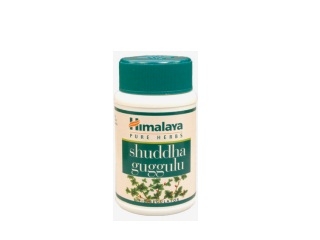

Shuddha Guggulu (Suddha Guggulu) – Patient-Friendly Guide (UK)
Shuddha guggulu is a traditional Ayurvedic herbal resin derived from the Commiphora mukul tree. It is widely used to support joint comfort, healthy lipid balance, and general inflammatory wellness. This page explains what Shuddha guggulu is, how it may work, how it is commonly used, possible interactions and safety considerations, and practical tips for use. It is written for readers in the United Kingdom and aims to help you choose responsibly.
Basic product information
- Product name: Shuddha Guggulu (Suddha Guggulu)
- Common source: Commiphora mukul (guggul tree) resin
- Traditional preparation: “Shuddha” typically refers to a purified form
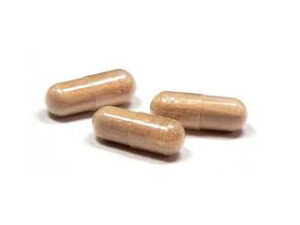
- Form: Usually tablets, capsules, powders, or resin-based preparations
- Use category: Herbal supplement / traditional wellness product
- Typical goals (traditional use): Joint comfort, flexibility, and metabolic balance
What is “Shuddha” guggulu?
In Ayurvedic practice, guggulu resin may be prepared and purified before use. “Shuddha” (meaning “purified/cleaned”) is commonly used to describe preparations intended to remove unwanted constituents and improve consistency. Different brands may standardise their products differently, so it’s important to follow the label for your specific item.
Mechanism of action (how it may work)
Modern research suggests that guggulu contains bioactive compounds that may influence several pathways relevant to inflammation, oxidative stress, and metabolic balance. While no single mechanism explains all effects, the following are commonly discussed:
- Lipid support: Guggulu’s constituents may influence markers involved in cholesterol handling. Some studies have explored whether it may affect lipid metabolism and related hormonal signalling.
- Inflammatory modulation: Traditional and experimental data suggest potential effects on inflammatory mediators, which may support comfort in joints and soft tissues.
- Antioxidant activity: Plant resins often contain compounds that can contribute to antioxidant effects, potentially helping the body manage oxidative stress.
- Hormone-related pathways: Guggulsterone-related research exists; however, effects can be complex and may be relevant to thyroid function in some individuals.
Important note: Mechanisms described above are based on available evidence and traditional concepts. Individual results may vary, and supplements are not intended to replace medical care.
Pharmacokinetics (what we know about absorption and processing)
Detailed pharmacokinetics of Shuddha guggulu specifically can be limited, and results may vary by product form, resin standardisation, and formulation (e.g., extract vs. resin powder). In general terms, guggulu resins contain lipophilic constituents, which may:
- Absorb better with food, especially meals containing fat.
- Show variable bioavailability depending on particle size, purification, and brand formulation.
- Be metabolised in the liver and processed through normal detoxification pathways.
Because data specific to each product is limited, it is best to use consistent dosing and follow the manufacturer’s instructions. If you are monitoring blood markers (e.g., lipids or thyroid tests), discuss timing and supplementation with a healthcare professional.
Typical use in traditional practice
In Ayurvedic traditions, guggulu is commonly used for:
- Joint comfort and flexibility
- Stiffness related to activity or age
- Healthy lipid balance (supportive use alongside lifestyle)
- Overall inflammatory wellness
- Occasionally, broader “metabolic” wellness support
Indications (what it is commonly used for)
In a UK supplement context, Shuddha guggulu is typically used to support the following areas:
- Musculoskeletal comfort: Helps maintain comfort in joints and tissues (supportive effect).
- Lipid/metabolic wellness: Used by some people as part of a routine aimed at lipid balance.
- Wellbeing routines: Often taken as part of an overall wellness plan (diet, activity, hydration).
Please remember: supplements should not be expected to treat severe conditions on their own. If symptoms are persistent, severe, or worsening, seek appropriate medical advice.
How and when to take it (timing & routine)
Many users take Shuddha guggulu with meals to improve tolerance and potentially support absorption. The best approach is to follow your product label. Below is a general, practical timing framework:
- Best with food: Take with a meal, ideally one that includes some dietary fat.
- Consistency: Try to take it at roughly the same times each day.
- Start low: If you’re new to guggulu, start with the dose on the label for your product or begin with a smaller amount if advised.
- Monitor response: Track comfort, digestive tolerance, and any unusual symptoms.
Example routine (generic): morning and evening with meals, if the label recommends twice daily.
Food interactions and diet considerations
Because guggulu is resin-based and may be lipophilic, taking it with meals is often more comfortable. Food interactions are typically more about absorption and tolerance than about dangerous reactions.
Common food-related tips
- Take with food: This may reduce the chance of stomach upset.
- Be consistent: Don’t drastically change meal fat content day-to-day if you’re trying to judge effects.
- Grapefruit and similar foods: While not always specifically studied, grapefruit can interact with certain drugs via liver enzymes. If you take prescription medicines, avoid grapefruit unless your healthcare professional says it is safe for you.
Digestive comfort
Some people experience mild gastrointestinal effects with resin products. If you notice indigestion, take with a fuller meal, split doses, or discuss with a clinician if symptoms persist.
Alcohol and medicine interactions
There are no universally guaranteed “no-interaction” statements for herbal supplements. However, general safety principles apply. Alcohol may increase side effects such as dizziness, stomach upset, and liver strain for some individuals.
Alcohol
- General advice: If you choose to drink alcohol, keep it moderate.
- Caution: Avoid alcohol if you experience stomach discomfort or if you have any history of liver issues.
Interactions with medicines (important)
Guggulu may interact with certain medications due to effects on metabolic pathways and potential influence on endocrine function. Always check with a healthcare professional if you take regular medication.
- Thyroid-related medicines or thyroid conditions: Because guggulu has been studied in relation to hormone signalling, extra caution is advised if you have thyroid disease or take levothyroxine or other thyroid medicines.
- Lipid-lowering medicines (e.g., statins, fibrates): Combining may increase the importance of monitoring (e.g., lipid levels and muscle symptoms).
- Blood-thinning medicines (e.g., warfarin): Herbal products can sometimes affect bleeding risk. Seek professional advice before combining.
- Diabetes medicines: If you take glucose-lowering therapy, discuss monitoring with a healthcare professional.
- Immunosuppressants: If you take medicines affecting the immune system, ask a clinician or pharmacist before use.
Practical approach: Bring the supplement label and a list of your medicines to a pharmacist. They can help you review likely interaction risks and suggest safer timing or alternatives.
Dosing (typical amounts and how to adjust)
Dosing varies by brand and product strength (tablet size, capsule content, extract standardisation, or resin powder percentage). Always use the dose on your product label. Below are general guidance ranges you may see across products:
| Product type | Common dosing pattern (varies by brand) | How to start | Notes |
|---|---|---|---|
| Tablets / capsules | Often 1–2 capsules/tablets, 1–2 times daily | Start with the lowest label dose for several days | Take with meals to improve tolerance |
| Powder | Often measured in small spoonfuls or grams as directed | Begin with the smallest recommended amount | Mix with warm water or as directed by the label |
| Extract / standardised forms | Typically smaller amounts depending on standardisation | Follow label closely (extract potency differs) | Do not swap brands mid-routine without adjusting |
When to re-evaluate: If you do not notice any benefit after a reasonable trial (commonly several weeks, depending on the aim and your body), consider reviewing your routine or choosing an alternative.
Do not exceed: Avoid taking more than the label-recommended dose. More is not necessarily better with herbal resins.
Safety profile
Shuddha guggulu is generally used by adults as a supplement. Nevertheless, herbal products can cause side effects and may not be suitable for everyone. Safety depends on dose, formulation, your health status, and other medicines.
Possible side effects
- Digestive upset (e.g., nausea, bloating, heartburn)
- Changes in bowel habits in some users
- Headache or mild tiredness (uncommon)
- Skin reactions (rare; stop use if rash occurs)
Who should take extra caution or avoid
- Pregnancy and breastfeeding: Avoid unless specifically advised by a qualified healthcare professional.
- Thyroid disease or thyroid medication use: Extra caution; consider medical advice and thyroid monitoring.
- Liver disease or history of abnormal liver tests: Speak with a clinician before use.
- Bleeding disorders or anticoagulant therapy: Discuss with a pharmacist/clinician.
- Children: Not generally recommended unless a professional advises.
- Allergy to resin/plant products: Stop if you experience allergy symptoms (swelling, breathing issues, widespread rash).
When to stop and seek help
Discontinue Shuddha guggulu and seek urgent medical attention if you develop signs of a serious reaction such as:
- Difficulty breathing, facial/lip swelling
- Severe or persistent abdominal pain
- Yellowing of the skin/eyes (jaundice), dark urine
- Severe rash, blistering, or widespread hives
Practical use tips (getting the best experience)
- Choose a reputable brand: Look for consistent labelling, batch information, and third-party testing where available.
- Keep a simple diary: Note joint comfort, digestion, and any unusual symptoms to help you judge fit.
- Give it time: If you’re using it for comfort or wellness, assess over several weeks rather than days.
- Take with meals: Especially if you have a sensitive stomach.
- Stay hydrated and move gently: For joint comfort, combine with stretching, walking, and strength work if appropriate.
- Don’t stack too many new supplements at once: If you add other products, changes become harder to interpret.
- Check your other routines: If you’re on cholesterol, thyroid, or blood-thinning medicines, confirm safety and monitoring plans.
Alternative options
If Shuddha guggulu isn’t suitable (e.g., due to your medication profile or personal tolerance), there are other supplement options often used for similar goals. Examples include:
For joint comfort and inflammation-support
- Curcumin (turmeric extract): Frequently used for comfort and inflammatory wellness.
- Boswellia serrata extract: Used for comfort and stiffness support.
- Glucosamine and/or chondroitin: Commonly used for joint support routines.
- Collagen peptides: Often used for skin and joint-related wellness.
For lipid/metabolic wellness
- Plant sterols/stanols: May support LDL cholesterol in some contexts.
- Omega-3 (EPA/DHA): Used for cardiovascular and lipid-related wellness (not identical effects).
- Soluble fibre (psyllium): Helps support healthy cholesterol levels when used consistently.
Alternatives differ in evidence strength and interaction profiles. If you are taking medicines, especially for thyroid, cholesterol, blood thinning, or blood sugar, seek advice before switching.
United Kingdom market & legal context (what to expect)
In the UK, products like Shuddha guggulu are usually sold as food supplements or herbal remedies, depending on how they are manufactured, marketed, and authorised. Most online products targeting general wellness are regulated under food supplement rules.
- Claims: Labels and marketing should use wording permitted for the product category. Specific disease-treatment claims are restricted.
- Safety: Providers must comply with UK requirements on safety, labelling, and product standards.
- Quality: Reputable suppliers use good manufacturing practice (GMP) and ensure product consistency and ingredient verification.
- Herbal variability: Plant ingredients vary naturally; standardisation and batch testing can improve reliability.
If you need advice tailored to your health circumstances, consider consulting a pharmacist, GP, or a qualified complementary health practitioner.
Recent guidance & evolving recommendations
In recent years, regulators and healthcare organisations have emphasised several themes relevant to herbal supplements:
- Clear labelling: Ingredients, serving size, and warnings should be easy to find.
- More interaction awareness: People taking multiple medicines are encouraged to check supplement interactions.
- Quality and contaminants: Ongoing focus on manufacturing controls and testing for contaminants.
- Thyroid and endocrine caution: Where herbal products may influence hormone-related pathways, users with thyroid concerns are advised to seek professional advice.
Because guidance can update over time, always review the product label and any current advice from relevant UK health authorities.
Delivery & availability in the UK
Shuddha guggulu is commonly available through UK online supplement retailers. Availability may vary by brand and format (capsules, tablets, or powder). Stock status can change frequently.
What to expect
- Packaging: Supplements are usually shipped in sealed containers to protect from moisture.
- Delivery times: Delivery estimates depend on your location and the retailer’s dispatch schedule.
- Product authenticity: Choose sellers that provide clear ingredient information, batch/lot details (where applicable), and transparent quality testing statements.
If you’re ordering for the first time, check: the expiry date, dose per serving, and any country-of-origin or standardisation notes on the label.
FAQ
1) How long does it take to notice effects?
Many people assess supplements over several weeks. If you take it for joint comfort, you may notice changes sooner, but more consistent routines are often required. If you see no benefit after a reasonable trial, consider reassessing your plan.
2) Can I take Shuddha guggulu every day?
Some users take it daily as part of a wellness routine. It’s best to follow the label’s serving instructions. If you plan ongoing daily use and you take regular medicines (especially thyroid, lipid-lowering, blood-thinning, or diabetes medicines), discuss with a pharmacist or healthcare professional.
3) Is Shuddha guggulu the same as “guggulu” in general?
“Shuddha” typically refers to a purified preparation. “Guggulu” alone may refer to other forms or preparations. Differences in purification and formulation can affect consistency, taste, colour, and dosing needs.
4) What side effects are most common?
The most commonly reported issues are mild digestive effects (e.g., nausea or bloating), especially if taken without food. Taking with meals and starting at the lower end of the label can improve tolerance for some people.
5) Can Shuddha guggulu affect thyroid tests?
Because guggulu has been investigated in relation to hormone signalling, caution is advised if you have thyroid disease or take thyroid medications. If you use it, consider discussing monitoring with a clinician.
6) Can I take it with statins or cholesterol-lowering medicines?
It may be used by some people, but interactions can’t be ruled out. If you take lipid-lowering medicines, speak with a pharmacist or clinician and consider monitoring relevant blood markers, as appropriate.
7) Can I drink alcohol while taking it?
Moderate alcohol may be tolerated by many people, but alcohol can worsen stomach discomfort and may increase strain on the liver in susceptible individuals. If you notice any adverse effects, avoid alcohol and stop the supplement until you’ve reviewed the situation with a healthcare professional.
8) Is it safe during pregnancy or breastfeeding?
Because safety data for pregnancy and breastfeeding is limited for many herbal products, it’s generally recommended to avoid unless a qualified healthcare professional advises otherwise.
9) How should I store Shuddha guggulu?
Store in a cool, dry place away from direct sunlight. Keep the container tightly closed and follow the label’s storage instructions.
10) What should I do if I miss a dose?
If you miss a dose, take it when you next remember unless it is close to the next dose. Don’t double up. Continue with your regular routine.
Summary
Shuddha guggulu is a traditional Ayurvedic resin used in wellness routines for joint comfort and metabolic/lipid support. While it may be helpful as part of a broader lifestyle approach, it can interact with certain medicines and may be unsuitable for some people—especially those with thyroid conditions, liver disease, or those taking anticoagulants, statins, or other regular medications. Always follow the product label, start gently, take with meals for tolerance, and seek professional advice if you are unsure.