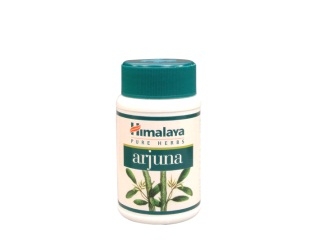
Arjuna (Arjun Tree Extract) – Patient Guide (UK)
Arjuna is a traditional herbal medicine that contains extracts from the bark of the Terminalia arjuna (commonly known as Arjun or Arjuna). In the United Kingdom, products marketed as “Arjuna” may be available in different herbal formulations (for example, tablets, capsules, or powders). This guide explains what Arjuna is used for, how it may work, how it behaves in the body, and practical safety information for everyday use.
Important: Herbal medicines can still have active ingredients and may interact with other medicines. Always read the product label and follow the dosing instructions provided with your specific Arjuna product.
Basic product information
| Feature | What to know |
|---|---|
| Product name | Arjuna (Arjun bark extract) |
| Active source | Terminalia arjuna bark extract (type and strength vary by product) |
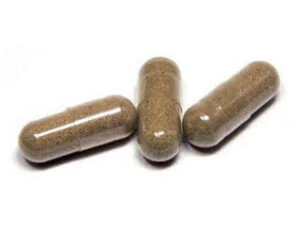
| Typical form | Tablets, capsules, or powder (varies by manufacturer) |
| Common traditional focus | Cardiovascular support, “heart tone,” and circulatory wellbeing |
| Availability in the UK | Often supplied as an over-the-counter herbal product; classification can vary by brand and claims |
| Country/market | United Kingdom |
What is Arjuna used for?
In traditional herbal use (and in many commercial UK products), Arjuna is typically associated with supporting cardiovascular health. People may take Arjuna to:
- Support overall heart and circulatory wellbeing
- Help maintain healthy blood flow
- Support healthy cholesterol and lipid balance (depending on the product’s claims)
- Contribute to general “cardiovascular vitality” as part of a lifestyle approach
Note on expectations: Herbal medicines are not the same as medicines used to treat specific diseases. If you have diagnosed cardiovascular disease, persistent chest symptoms, or breathlessness, seek professional medical advice promptly.
How Arjuna may work (mechanism of action)
The exact way Arjuna works can depend on the extract quality and standardisation. However, research and traditional rationale commonly point to the presence of bioactive constituents (such as triterpenes, flavonoids, and polyphenols) in Terminalia arjuna.
Possible mechanisms include:
- Antioxidant activity: Plant compounds may help reduce oxidative stress, which is involved in cardiovascular ageing and vascular stress.
- Vascular support: Some constituents may influence blood vessel function, potentially supporting healthy circulation.
- Lipid and metabolic support: There is interest in Arjuna’s effects on cholesterol-related pathways, though results may vary between studies and products.
- Anti-inflammatory effects: Inflammation is a key driver in vascular health; herbal polyphenols may contribute to lowering inflammatory signalling.
Clinical evidence note: While several studies support potential cardiovascular benefits, the strength and consistency of evidence can vary. Always treat herbal products as part of a broader health plan including diet, exercise, and risk-factor management.
Pharmacokinetics (how the body handles Arjuna)
“Pharmacokinetics” describes absorption, distribution, metabolism, and excretion (ADME). For herbal products, complete pharmacokinetic profiling can be challenging because the extract contains many compounds.
General points:
- Absorption: Active constituents may be absorbed variably depending on formulation (tablet vs capsule vs powder), dose, and individual gut conditions.
- Metabolism: Plant compounds often undergo metabolism in the liver and intestines, producing metabolites that may still exert biological effects.
- Distribution: Metabolites may circulate and target tissues related to cardiovascular function.
- Excretion: Metabolites are typically eliminated through bile and urine.
Practical takeaway: Because exact pharmacokinetic parameters may not be fully known for every Arjuna product, consistency of use and following the label are especially important.
Indications and typical use in the UK
In the UK market, Arjuna products are commonly used for general cardiovascular wellbeing. You may see label wording such as “supports heart health” or “supports healthy circulation.” The precise indications (what a product is legally allowed to claim) depend on the brand and how it is licensed/classified.
Common indications may include:
- Support for healthy circulation
- Traditional support for the heart and cardiovascular system
- Support for balanced lipid levels (if the product makes this claim)
Not for emergencies: Arjuna is not intended to treat sudden or severe symptoms such as chest pain, suspected heart attack, or stroke symptoms. Seek urgent medical help if symptoms are severe or sudden.
Dosing (how to take Arjuna)
Dosing depends on your specific product’s strength and standardisation. Always follow the manufacturer’s label and the advice of a healthcare professional if you’re unsure.
Typical adult dosing patterns (example only):
- Many products are taken once or twice daily.
- Some brands instruct taking Arjuna with meals; others allow taking it between meals.
- Powders may be measured using the included scoop.
How to decide your dose:
- Check the label for “serving size” and the amount of extract per capsule/tablet.
- Do not exceed the stated daily amount.
- If switching brands, compare the per-dose extract strength.
Timing: when to take Arjuna
In most cases, Arjuna can be taken at a convenient time that fits your routine.
Common timing approaches:
- Morning and evening: If taken twice daily, many people choose morning and early evening.
- With meals: Some users find it easier on the stomach and may experience improved tolerability when taken with food.
- Consistency matters: Try to take it at similar times each day.
How long until benefits? Traditional use often involves taking herbal products for several weeks. If you don’t notice any changes after a reasonable trial (for example 8–12 weeks, depending on your goal and product), consider reviewing your plan with a pharmacist or GP.
Food interactions and what to eat with Arjuna
Food interactions are less clearly defined for herbal extracts than for standardised drugs. However, you can reduce the chance of stomach upset and improve absorption by following label guidance.
Practical guidance:
- Take with food if the label allows and if you have a sensitive stomach.
- Avoid taking on an empty stomach if you experience nausea or indigestion.
- Maintain hydration: Drink a full glass of water with tablets/capsules.
Lifestyle note: If your goal is cardiovascular support, the overall effect may be improved by limiting saturated fat, reducing excess salt, staying physically active, and avoiding smoking.
Alcohol interactions
There is limited high-quality evidence specifically describing direct interactions between Arjuna and alcohol. However, herbal products may still affect the liver through metabolism, and alcohol can also stress liver function.
Safety approach:
- If you drink alcohol, consider keeping it moderate.
- Avoid heavy drinking while starting a new herbal regimen.
- Stop and seek advice if you develop symptoms such as unusual fatigue, dark urine, yellowing of the skin/eyes, or persistent nausea.
Important: If you take medications that affect the cardiovascular system or your liver, ask a pharmacist whether alcohol should be limited further.
Medicine interactions (important safety section)
Arjuna may interact with other medicines, particularly those affecting blood pressure, blood clotting, or lipid levels. Because herbal products contain multiple constituents, interactions are possible even when direct evidence is limited.
Be extra cautious and seek advice before using Arjuna if you take any of the following:
- Blood pressure medicines (antihypertensives). Combined use may increase the risk of dizziness or low blood pressure in some people.
- Blood thinners/anticoagulants (for example warfarin) or antiplatelet medicines (for example aspirin or clopidogrel). Interaction may affect bleeding risk.
- Cholesterol-lowering medicines (for example statins or ezetimibe). Overlapping effects on lipids may alter your overall response.
- Diabetes medicines (for example metformin or insulin). If Arjuna influences metabolic pathways, blood sugar could theoretically be affected.
- Medicines affecting the liver (or if you have liver disease). Herbal metabolism and liver load can be a concern.
General rule: Tell your pharmacist and healthcare team about all supplements and herbal products you take, including Arjuna.
Safety profile and side effects
Most people tolerate Arjuna well when used as directed. However, side effects and risks can occur, especially in people with existing medical conditions or those taking interacting medicines.
Common or mild side effects (possible)
- Stomach discomfort, nausea, or indigestion
- Headache or mild dizziness
- Changes in bowel habits
Serious side effects (seek urgent help)
- Signs of allergy: swelling of face/lips, wheezing, rash, or difficulty breathing
- Signs of liver problems: yellow eyes/skin, dark urine, severe fatigue, right upper abdominal pain
- Severe dizziness or fainting (especially if you take blood pressure medicines)
Stop use and seek advice immediately if you experience symptoms suggestive of an allergic reaction, significant liver problems, or severe adverse effects.
Who should avoid Arjuna or seek medical advice first?
- Pregnant or breastfeeding: Safety is not well-established for all herbal products.
- Children: Only use if the product is specifically labelled for children and you have professional advice.
- People with known liver disease or abnormal liver tests.
- People taking multiple cardiovascular medicines or anticoagulants/antiplatelet medicines.
Practical use tips (how to get the best from your routine)
- Start consistently: Take Arjuna daily at the same time(s).
- Follow the label exactly: Don’t exceed the recommended dose.
- Keep notes: If you’re using it for a goal (for example “circulation” or “lipid support”), track how you feel and any side effects.
- Check your other products: If you take multiple herbal supplements, ensure you’re not doubling up on similar ingredients or making interactions more likely.
- Use a quality product: Choose a reputable brand with clear labelling, batch/lot information, and standardisation details where available.
- Adopt supportive habits: Sleep, exercise, a heart-friendly diet, and weight management can significantly influence cardiovascular outcomes.
Alternative options
If you’re considering Arjuna, it can be helpful to compare with other approaches depending on your goal. Alternatives may include other herbal products, supplements, or lifestyle-focused strategies.
Potential alternatives (depending on the objective):
- Lifestyle and diet approaches: Mediterranean-style diet, increased fibre, reduced salt, and regular activity.
- Other herbal supports: Some people look at supplements like hawthorn (commonly used for heart support), but these can also interact with medicines and have safety considerations.
- Evidence-led supplements: For cholesterol or cardiovascular risk, omega-3 fatty acids are sometimes used; however, whether they’re appropriate depends on your health profile and medicines.
- Medical evaluation: If cholesterol or blood pressure is abnormal, the most effective options may be medication or targeted interventions based on professional assessment.
Reminder: Don’t start multiple cardiovascular herbs together without professional guidance.
Market and legal context for the UK
Herbal products sold in the UK are regulated under frameworks that can differ depending on whether a product is classified as a traditional herbal medicinal product, a food supplement, or another category. Legal status affects what the product can claim and how it is labelled.
What this means for customers:
- Claims: Labels must comply with UK rules for permitted claims.
- Quality and information: Reputable brands provide ingredient lists, batch/lot information, and clear recommended use.
- Safety information: Inserts or labels should include warnings and side effect information where relevant.
Recent guidance context: The UK continues to refine rules around herbal medicine regulation and consumer protection. It is good practice to select products from manufacturers that provide transparent information and to use the most up-to-date guidance from UK healthcare professionals and regulators.
Recent guidance and practical considerations
In recent years, healthcare communication in the UK has increasingly emphasised the following themes relevant to herbal products like Arjuna:
- Transparency and labelling: Consumers should verify the product type and follow dosing instructions.
- Drug–herb interactions: People taking cardiovascular drugs, anticoagulants, or multiple medicines should check interactions.
- Quality assurance: Choose brands with consistent manufacturing and clear batch information.
- Reporting side effects: If you experience unexpected effects, report them to a healthcare professional or via the UK’s medicines safety reporting channels.
If you’re unsure whether Arjuna is appropriate alongside your current medicines, a pharmacist can help you check interaction risk quickly and confidentially.
Delivery and availability in the UK
Arjuna products are commonly available online from UK health and pharmacy retailers. Availability can vary by formulation (capsules, tablets, or powder) and by brand.
What to expect when ordering:
- Dispatch times: Many online pharmacies dispatch within 24–48 hours on working days (subject to stock and cut-off times).
- Delivery options: Standard and express delivery may be available depending on location.
- Packaging: Products are usually sent in protective packaging with proper labelling.
- Stock changes: If a product is temporarily out of stock, you may see an estimated restock date.
Storage: Store Arjuna according to the label, typically in a cool, dry place, away from direct sunlight, and keep out of reach of children.
FAQ
1) Is Arjuna suitable for everyone?
Not always. People who are pregnant or breastfeeding, children, those with liver problems, and people taking anticoagulants or multiple cardiovascular medicines should seek advice before using Arjuna.
2) How long does it take to work?
Herbal benefits—if they occur—often build over time. Many people trial Arjuna for several weeks. If you don’t notice any benefit after 8–12 weeks, consider speaking to a pharmacist or GP about next steps.
3) Can I take Arjuna with other supplements?
Sometimes, but it depends on what the other supplement is. Avoid combining multiple cardiovascular herbs without guidance. Always check for shared interaction risks, especially with blood pressure or blood thinning products.
4) Does Arjuna interact with blood pressure medicines?
It may. Because Arjuna is traditionally used for cardiovascular support, it could potentially add to blood pressure-lowering effects. If you experience dizziness, light-headedness, or faintness, stop and seek advice promptly.
5) Can I drink alcohol while taking Arjuna?
There isn’t a clearly established direct interaction for all products, but keeping alcohol moderate is sensible—particularly when you’re starting. Seek advice if you notice symptoms that could suggest liver irritation or other problems.
6) Should I take Arjuna with food?
Many people take it with meals to reduce the chance of stomach upset. Follow your product’s label instructions, and if you’re unsure, ask a pharmacist.
7) What side effects should I watch for?
Common mild effects may include indigestion or nausea. Seek urgent medical help for signs of allergy, severe dizziness/fainting, or symptoms suggestive of liver problems (such as yellowing of the eyes, dark urine, or severe fatigue).
8) What if I miss a dose?
Take it when you remember unless it’s close to the next dose. Do not take two doses at once to make up for a missed dose.
9) Can Arjuna replace prescribed care for heart conditions?
No. If you have a diagnosed heart condition or abnormal blood tests, do not rely on Arjuna as a substitute for evidence-based care. Discuss your plan with a healthcare professional.
10) How do I know I’m buying a quality Arjuna product?
Look for clear labelling: ingredient list, recommended dosage, batch/lot information, and reputable brand details. If a product’s claims or labelling are unclear, consider choosing a different brand.
Key takeaways
- Arjuna is a traditional herbal product from Terminalia arjuna, commonly used for cardiovascular wellbeing support.
- Potential actions include antioxidant, vascular, and lipid-supportive effects.
- Follow the label dosing for your specific product and take consistently.
- Check interactions carefully, especially with blood pressure medicines, anticoagulants, antiplatelets, and cholesterol-lowering drugs.
- If you experience severe symptoms or allergy signs, stop use and seek urgent advice.
If you’d like, tell me your Arjuna product form (capsules/tablets/powder) and the strength on the label, and I can help you interpret the dosing instructions and how to schedule it with your existing routine.