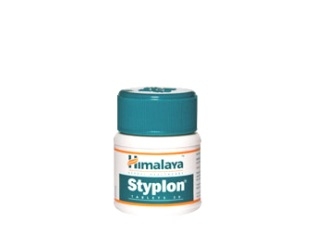


Styplon
Styplon is a prescription medicine (UK) used to help control symptoms of digestive disturbance related to increased intestinal activity. It contains loperamide hydrochloride, which works by reducing bowel movement so that stool becomes less frequent and less urgent. This can be particularly helpful for short-term diarrhoea.
This page is designed to be patient-friendly and informative. Always follow the instructions provided by your healthcare professional and read the patient information leaflet supplied with your medicine.
Key product information
| Category | Details |
|---|---|
| Medicine name | Styplon |
| Active ingredient | Loperamide hydrochloride |
| What it is used for | Relief of symptoms of diarrhoea (including acute diarrhoea; and in some circumstances, chronic diarrhoea) |
| How it works | Slows gut movement and helps reduce frequency/urgency of bowel movements |
| Typical forms | Tablets/capsules (availability may vary by supplier) |
| Common side effects | Constipation, bloating, abdominal pain, nausea |
How Styplon works (mechanism of action)
Loperamide is an anti-diarrhoeal medicine. It acts mainly on the intestinal wall:
- Reduces intestinal motility: Loperamide slows the movement of the gut.
- Increases transit time: With slower transit, the bowel can absorb more water and electrolytes from the stool.
- Improves stool consistency: This helps reduce watery stool and urgency.
- Modulates gut secretions and reflexes: It decreases the activity of the enteric nervous system that drives diarrhoea.
Important: Styplon helps control diarrhoea symptoms, but it does not treat the underlying cause in every situation. If diarrhoea is due to an infection, supportive care (including hydration) is still essential.
Pharmacokinetics (how the body handles Styplon)
Understanding pharmacokinetics can help explain why timing matters and why side effects may occur. Key points:
- Absorption: Loperamide is absorbed from the gastrointestinal tract, but the extent may vary depending on formulation and patient factors.
- First-pass metabolism: A large proportion is metabolised by the liver before it reaches systemic circulation. This is one reason it usually stays mainly “local” to the gut at therapeutic doses.
- Distribution: After absorption, loperamide distributes into body tissues.
- Metabolism: It is primarily metabolised in the liver.
- Elimination: Metabolites are excreted mainly via the faeces and, to a lesser extent, urine.
- Onset of action: Many people notice symptom improvement within hours of taking loperamide, though individual response varies.
Safety note: Higher-than-recommended doses or certain drug interactions can increase the risk of serious side effects, including effects on the heart rhythm.
Typical use and indications
Styplon is used to relieve diarrhoea symptoms. Depending on local guidance and the exact product presentation, it may be indicated for:
- Acute diarrhoea: For example, short-lasting diarrhoea when you need symptom control.
- Chronic diarrhoea: In some cases, when diarrhoea is persistent and loperamide can be used as part of a management plan.
Not a treatment for all causes: If diarrhoea is severe, bloody, associated with high fever, or linked to suspected invasive infection, loperamide may not be appropriate. In these situations, seek urgent medical advice.
When not to use Styplon (important precautions)
Do not take Styplon and seek advice promptly if you have any of the following:
- Blood in stool or black, tarry stools
- High fever or severe abdominal pain
- Suspected dysentery (infection with blood and fever)
- Pseudomembranous colitis (often associated with antibiotic use)
- Severe ulcerative colitis flare
- Acute flare with distended abdomen or marked swelling
- Young children: use in children should follow the specific age guidance on the label/leaflet and professional advice
If you’re unsure whether your symptoms fit the safe-use criteria, check with a pharmacist or clinician before taking more.
Dosing: how to take Styplon
Always follow the dosage instructions on your medicine pack or as directed by your healthcare professional. The information below describes commonly used adult regimens for loperamide-based medicines; your product leaflet may specify exact strengths and maximum daily doses.
Adults (general guidance)
- Initial dose: Often a higher “starting” dose, followed by smaller doses after each loose stool.
- Maintenance dose: Take additional doses only after further diarrhoeal stools, as directed.
- Maximum daily dose: Do not exceed the maximum stated on the product label/leaflet.
Children
Children should only use Styplon if it is specifically permitted by the product leaflet and a healthcare professional advises it for the child’s age and weight. Dosing must be exact.
How long to use
- For acute diarrhoea, loperamide is usually used for a short period. If diarrhoea persists beyond the advised timeframe, stop and seek medical advice.
- If symptoms worsen or you develop fever, blood in stool, or severe abdominal pain, discontinue and get advice urgently.
Hydration is crucial: Diarrhoea can lead to dehydration. Consider oral rehydration solutions and drink plenty of fluids, especially if stools are frequent.
Timing: when to take Styplon during diarrhoea
Because Styplon works by slowing bowel movement, it’s typically taken at the onset of diarrhoea symptoms.
- Start early: Take the first dose when diarrhoea begins.
- Follow “after each loose stool” guidance: Subsequent doses are commonly taken after further loose bowel movements, rather than on a fixed schedule.
- Don’t “stack doses”: Avoid taking extra doses close together to “catch up.” This increases risk of side effects.
- Stop when controlled: When stools become normal or stop, do not continue taking doses unnecessarily.
Food interactions and dietary considerations
Loperamide can be taken with or without food. However, certain situations may affect comfort and overall management:
- For nausea or stomach upset: Taking doses with a light snack may help some people tolerate the medicine better.
- Hydration matters more than food: Focus on fluids; consider oral rehydration solution if diarrhoea is significant.
- Avoid heavy, greasy meals: They may worsen gastrointestinal symptoms in some people.
Electrolytes: If diarrhoea is prolonged, electrolytes may be important. Oral rehydration products are often recommended as they contain the right balance of salts and sugar to aid absorption.
Alcohol interactions
Styplon is not a “fully safe with alcohol” medicine in the way some stomach remedies are. Alcohol can worsen diarrhoea and dehydration, which may counteract the benefit of symptom control.
- Avoid alcohol during diarrhoea: It can irritate the gut and increase the risk of dizziness, dehydration, and falls.
- Safety with heart rhythm risk: Loperamide has been associated with serious cardiac side effects when misused or taken in high doses, especially with certain interacting medicines. Alcohol can contribute indirectly by affecting hydration and overall tolerance.
If you drink alcohol, do so cautiously and consider pausing until symptoms settle and you’re well hydrated.
Interactions with other medicines
Many medicines can affect how loperamide is broken down and cleared from the body. This may increase loperamide levels and side effect risk.
Tell your pharmacist or clinician about all medicines you take, including:
- Medicines that affect liver enzymes (CYP3A4 and CYP2C8): Some can increase loperamide exposure.
- Drugs that affect heart rhythm (QT-prolonging medicines): Combined risk may occur, especially with high doses.
- Some antibiotics/antifungals and HIV medicines: These may inhibit the metabolism of loperamide.
- Other anti-diarrhoeal medicines: Avoid combining unless advised—especially products that also slow gut motility.
- Opioid medicines or cough syrups: Although loperamide is not itself an opioid-like analgesic, interactions and safety considerations can be complex.
Seek urgent help if: you experience fainting, severe dizziness, palpitations, or an unusual heartbeat—particularly if you have taken more than recommended or used interacting medicines.
Safety profile: side effects and what to watch for
Most people tolerate Styplon well when taken at recommended doses. Side effects usually relate to slowed bowel movement.
Common side effects
- Constipation
- Bloating or abdominal discomfort
- Nausea
- Stomach cramps
- Mild dizziness (less commonly)
Serious side effects (seek urgent medical advice)
- Severe abdominal pain or distended abdomen
- Blood in stool or high fever
- Allergic reaction (swelling of face/lips, trouble breathing, widespread rash)
- Heart-related symptoms: fainting, severe palpitations, or an irregular heartbeat
Overuse and misuse warnings
Taking more than the recommended dose can be dangerous. Overuse of loperamide has been linked to serious heart rhythm problems and other effects, particularly in people taking interacting medicines.
Do not exceed the dose on your pack/leaflet. If diarrhoea doesn’t improve as expected, stop and seek advice instead of increasing the dose.
Practical use tips (helpful for real-life diarrhoea)
- Hydrate early: Use water or oral rehydration solution, especially if you’re losing fluid frequently.
- Monitor severity: Note the number of bowel movements and whether there’s fever or blood.
- Keep meals simple: Light foods may be easier once you can eat.
- Prevent spread: If diarrhoea is infectious, follow hygiene measures (hand washing, avoid preparing food for others).
- Know when to stop: If diarrhoea persists beyond the short-term window or you develop red-flag symptoms, seek medical advice.
- Check travel and food history: Recent travel, contaminated food, or sick contacts can influence the likely cause.
Alternative options for diarrhoea symptoms
Depending on the cause, other approaches may be appropriate. Options include:
Non-medicine support
- Oral rehydration solutions (ORS): Often the most important treatment for dehydration risk.
- Fluid replacement: Water, clear soups, and electrolyte drinks.
- Diet adjustments: Bland, easy-to-digest foods; avoid alcohol and very rich foods.
Other medicines (depending on cause and advice)
- Antispasmodics: For cramping in some cases, but not for all diarrhoea causes.
- Adsorbents/protective agents: Some products may help stool bulk in certain diarrhoea types.
- Antibiotics: Only when specifically needed for bacterial infections and prescribed/approved based on the situation.
Probiotic products: Some people find probiotics helpful for certain diarrhoea types, but results vary. Discuss with a pharmacist if you want to try them.
Choosing the right option matters: If diarrhoea is severe, bloody, or persistent, symptom control alone may delay appropriate diagnosis.
UK market and legal context (what to expect in the UK)
Medicines containing loperamide are regulated under UK medicines legislation and must meet standards for quality, safety, and effectiveness. Guidance for use is provided via:
- Patient Information Leaflet (PIL): Found inside the pack and also commonly available online.
- Pharmacist advice: Particularly important when you’re taking other medicines or have complex health conditions.
- NHS and public health guidance: For dehydration, red-flag symptoms, and when to seek medical help.
Safety warnings around loperamide (including the risks linked to misuse and certain drug combinations) are well recognised in the UK. Always use dosing exactly as described for your product.
Recent guidance and safety messaging (UK)
Over recent years, regulators and healthcare organisations have emphasised:
- Do not exceed the recommended dose of loperamide.
- Be cautious with interacting medicines, especially those affecting heart rhythm or loperamide metabolism.
- Stop and get medical advice if diarrhoea is severe, prolonged, or associated with fever/blood.
- Hydration remains essential; diarrhoea treatment should not replace oral rehydration.
Always consult the latest advice from NHS services or your healthcare professional if you are unsure.
Delivery and availability (United Kingdom)
Availability can vary by pharmacy supplier and product presentation. When ordering online in the UK, you can typically expect:
- Checking stock: Most online pharmacies show real-time availability.
- Packaging: Items are usually dispatched in appropriate protective packaging with batch and expiry details.
- Delivery times: Depend on your postcode and the delivery service used (standard vs expedited options may be available).
- Tracking: Many pharmacies provide delivery confirmation or tracking updates.
If your order is time-sensitive (for example, travel plans), choose the option that matches the expected delivery window shown at checkout.
FAQ: Frequently asked questions about Styplon
1) Can I take Styplon for all types of diarrhoea?
No. Styplon helps control symptoms but may not be suitable for diarrhoea with blood, high fever, severe abdominal pain, or suspected invasive infection. If you have red-flag symptoms, seek advice promptly.
2) How quickly does Styplon work?
Many people notice improvement within a few hours. If you don’t see improvement within the expected short timeframe, stop using it and get medical or pharmacy advice rather than increasing the dose.
3) Should I drink plenty of fluids?
Yes. Diarrhoea can cause dehydration. Consider oral rehydration solutions and drink regularly, especially if stools are frequent or you feel light-headed.
4) What if I become constipated after taking Styplon?
Constipation is a known effect. If it occurs, stop taking further doses and allow bowel function to return to normal. If you have severe abdominal pain or bloating, contact a pharmacist or clinician.
5) Can I take Styplon with food?
In most cases, it can be taken with or without food. If it upsets your stomach, try taking it with a light snack. Focus first on hydration.
6) Is it safe to drink alcohol while using Styplon?
It’s best to avoid alcohol during diarrhoea, as it can worsen symptoms and dehydration. If you choose to drink, do so cautiously and ensure you are well hydrated.
7) Can Styplon interact with my other medicines?
Yes. Some medicines can increase loperamide levels or affect heart rhythm. Tell your pharmacist about all medicines you take, including antibiotics, antifungals, HIV medicines, and any drugs known to affect the QT interval.
8) What should I do if diarrhoea lasts longer than expected?
Seek advice. Persistent diarrhoea may have causes that need specific treatment. Don’t continue loperamide indefinitely or increase the dose beyond recommendations.
9) Can I use Styplon if I’m pregnant or breastfeeding?
You should discuss use with a healthcare professional. The safest option depends on your situation, diarrhoea severity, and trimester. If you are breastfeeding, ask for advice on appropriate use.
10) Is Styplon suitable for older adults?
Older adults may be more vulnerable to dehydration and side effects. Dose and suitability should follow the patient information and professional advice, with particular attention to hydration and any existing medical conditions.
Bottom line
Styplon (loperamide) is used to relieve symptoms of diarrhoea by slowing bowel movement. It can reduce frequency and urgency of loose stools, but it is not a substitute for rehydration or medical assessment when diarrhoea is severe, bloody, associated with fever, or prolonged. Use it exactly as directed, be mindful of potential drug interactions, and seek advice if symptoms don’t improve.