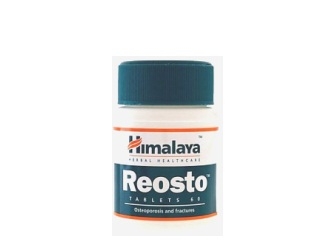

Reosto (Reosto)
Reosto is a prescription-only medicine used to treat certain hormone-related conditions. It belongs to a group of medicines known for their role in regulating the body’s hormonal signals.
This page provides patient-friendly information to help you understand what Reosto is, how it works, how it’s usually taken, and what to consider for safety. Always follow the advice given by your healthcare professional and the instructions on your medicine label.
Key information at a glance
- What it is: A medicine used for hormone-related treatment.
- How it works: Influences hormonal signalling to help control symptoms and disease activity.
- Typical forms: Tablets/capsules (depending on the presentation supplied).
- Who it may be for: People prescribed Reosto for approved indications in the UK.
- How long it takes: Some effects may be noticed within days; full benefits may take weeks depending on the condition.
- Important: Don’t change the dose or stop taking Reosto without medical advice.
What is Reosto?
Reosto is a branded medicine used in the treatment of specific conditions where hormonal pathways play a key role. The exact choice of dose and course length depends on your diagnosis, other medicines you take, and how you respond to treatment.
Because brand names and presentations can vary, check your own pack for the active ingredient, strength, and how often you should take it.
How Reosto works (mechanism of action)
Reosto works by modifying hormone receptor activity and/or hormone-related signalling in target tissues. This can help to:
- Reduce overactivity of hormone-driven processes
- Slow progression of conditions influenced by hormonal signalling
- Alleviate related symptoms over time
The precise mechanism can depend on the active ingredient in your Reosto product. Your pharmacist or prescriber can explain how it specifically relates to your condition.
What is Reosto used for? (Indications)
Reosto is used for conditions approved by regulators in the UK. Common examples of hormone-responsive uses may include:
- Hormone-related disease management where controlling hormonal signalling can reduce disease activity
- Support as part of a broader treatment plan depending on your diagnosis and severity
Note: Indications vary by product and patient factors. To ensure accuracy for your specific prescription, refer to the information leaflet supplied with your medicine pack or ask your pharmacist.
How to take Reosto (typical dosing and timing)
Always follow the dosing instructions provided with your Reosto supply. Typical dosing depends on the condition being treated and your response.
Typical adult dosing (general guidance)
- Frequency: Often taken once daily, but some presentations may be taken more than once daily.
- Starting dose: Your prescriber will decide an initial dose based on your situation.
- Adjustments: Dose changes may be made if you experience side effects or if treatment goals change.
When to take your doses
Many people find it helpful to take Reosto at the same time each day to keep hormone levels stable and to support adherence. If you miss a dose, refer to the leaflet or contact your pharmacist for advice.
Practical timing tips:
- Choose a routine time (e.g., morning or evening) that fits your schedule.
- If you get side effects, timing may be adjusted—ask your clinician.
- Use alarms or a pill organiser to avoid missed doses.
How soon will Reosto work?
Response times can vary. You may notice improvements within days to weeks, while maximum effect often takes several weeks depending on the condition being treated and your individual response.
Regular reviews or follow-up appointments are often recommended to check progress and monitor side effects.
Mechanism-related safety considerations
Because Reosto affects hormonal pathways, your healthcare team may monitor relevant parameters such as blood levels (if applicable), symptoms, and overall health. Monitoring helps ensure the medicine is working effectively and safely for you.
Pharmacokinetics (how the body handles Reosto)
Pharmacokinetics describes how the body absorbs, distributes, metabolises, and eliminates a medicine.
- Absorption: Reosto is absorbed after oral administration. Food may or may not affect the rate of absorption depending on the specific formulation and active ingredient.
- Distribution: The medicine distributes to tissues relevant to its hormonal action.
- Metabolism: Reosto is typically metabolised in the liver (mainly by enzyme systems such as CYP enzymes, depending on the active ingredient).
- Elimination: Metabolites are eliminated via urine and/or bile/feces depending on the active ingredient.
- Half-life: The effective duration in the body is influenced by the half-life; this is one reason why dosing schedules are set.
Why this matters: Metabolism via liver enzymes can explain why some medicines interact with Reosto (see “Drug interactions” below).
Food interactions and what to eat
Food interactions can affect how much of a medicine enters the bloodstream and how quickly it starts working.
General guidance:
- Some medicines like Reosto may be taken with or without food.
- In other cases, certain foods (or timing around meals) can change absorption.
Important: To reduce the risk of reduced effectiveness or increased side effects, check the leaflet for your specific Reosto product for whether it should be taken:
- With food
- On an empty stomach
- At a consistent time relative to meals
Grapefruit and similar products: Some medicines interact with grapefruit. If your leaflet mentions citrus-related interactions, avoid grapefruit juice and discuss alternatives with your pharmacist.
Alcohol and Reosto interactions
Alcohol can affect how your liver processes medicines and may increase dizziness or other side effects depending on the active ingredient.
General advice for UK patients:
- Limit alcohol where possible.
- Avoid binge drinking.
- If you notice worsening side effects after alcohol, speak to your pharmacist.
If you have liver problems, a history of substance use disorder, or you are taking other medicines that can affect the central nervous system, ask a healthcare professional for tailored advice.
Other medicine interactions
Interactions can occur when two medicines affect each other’s absorption, metabolism, or effect. Because Reosto may be processed via liver enzymes, interactions are especially relevant for:
- Enzyme inducers (which can reduce effectiveness)
- Enzyme inhibitors (which can increase side effects by raising drug levels)
- Hormone-related medicines
- Medicines affecting blood clot risk (depending on indication and your personal risk factors)
Common categories to discuss with your pharmacist
- Some antibiotics and antifungals
- Antiepileptics
- Medicines for HIV
- Herbal products (particularly St John’s wort)
- Some antidepressants and antipsychotics (for side effects and metabolism considerations)
- Anticoagulants/antiplatelets (where relevant)
Always tell your pharmacist about everything you take, including over-the-counter medicines, vitamins, and herbal supplements.
Safety profile and side effects
Like all medicines, Reosto can cause side effects. Not everyone will experience them. Many side effects are mild and temporary, but some require prompt medical attention.
Common side effects (may include)
- Headache
- Nausea or stomach discomfort
- Fatigue or feeling tired
- Changes in appetite or weight
- Hot flushes or sweating (hormone-related effects may occur depending on indication)
- Skin changes (dryness or rash in some people)
Less common but important effects
Depending on your condition and other risk factors, you may need closer monitoring for:
- Blood clots (risk varies by patient and treatment context)
- Liver issues (unusual fatigue, dark urine, yellowing of eyes/skin)
- Significant mood changes (seek advice if severe)
Seek urgent medical help if you get
- Signs of a severe allergic reaction: swelling of face/lips, difficulty breathing, hives
- Chest pain, shortness of breath, coughing blood
- Sudden severe headache, weakness or numbness on one side, trouble speaking
- Severe yellowing of skin/eyes or severe abdominal pain
If you are unsure whether a symptom is serious, contact NHS 111 or your GP for advice.
Who should take extra care?
You may need additional monitoring or tailored dosing if you have:
- Liver disease
- A history of blood clots or significant clotting risk factors
- Frequent severe side effects previously with hormone medicines
- Other ongoing medical conditions requiring multiple medications
Speak to your healthcare professional if you are pregnant or planning pregnancy, or if the treatment is relevant to fertility. Your clinician can advise based on your individual situation and approved use.
Practical use tips for getting the best results
- Stick to a routine: taking Reosto at the same time each day can improve consistency.
- Use a pill organiser: especially if you take multiple medicines.
- Don’t stop suddenly: abrupt stopping can worsen symptoms depending on the condition.
- Track side effects: note timing and severity; this helps your pharmacist advise you.
- Keep follow-up appointments: they allow monitoring of response and safety.
- Medication checklist: keep a list of all medicines and supplements to review during appointments.
What to do if you miss a dose
If you miss a dose, follow the guidance in the leaflet. In general:
- Do not take a double dose to make up for a missed tablet.
- Take the next dose at the usual time unless your leaflet states otherwise.
- If you are unsure, contact your pharmacist for advice.
Overdose advice
If you suspect you have taken too much Reosto, seek urgent medical advice. In the UK you can contact:
- NHS 111 for urgent guidance (when not severe)
- 999 if symptoms are severe (e.g., trouble breathing, fainting, severe drowsiness)
Keep the medicine packaging with you so healthcare professionals know what was taken.
Alternative options
Depending on your diagnosis, there may be other medicines that achieve similar goals. Alternatives can include:
- Other hormone-modulating medicines within the same treatment class
- Different routes or formulations (for example, changing to another tablet strength or schedule if appropriate)
- Combination strategies where clinicians use two medicines together for better control
- Non-medicine options such as lifestyle measures or supportive therapies alongside drug treatment
Only switch alternatives if advised by your healthcare professional. Even small differences in active ingredients or dosing schedules can affect safety and effectiveness.
Reosto in the UK: market and legal context
In the United Kingdom, medicines like Reosto must be authorised and supplied in line with UK regulations. Availability can depend on:
- Authorisation status by the Medicines and Healthcare products Regulatory Agency (MHRA)
- Prescription and dispensing requirements set by UK legislation
- Stock levels and distribution timelines through UK supply chains
- Ongoing safety updates issued through UK medicines safety systems
Safety communication: If there are new safety alerts or label updates, your pharmacist and NHS systems help ensure people receive current guidance.
Recent guidance and monitoring
UK clinical practice can evolve. Healthcare professionals may recommend:
- Regular follow-up to assess benefit and side effects
- Monitoring blood tests if your treatment requires it
- Reviewing drug interactions whenever you start or stop another medicine
If you’ve been advised to have blood tests or check-ups while taking Reosto, keep to the schedule—even if you feel well.
Delivery and availability in the UK
Availability of Reosto can vary by local stock and supply routes. Our online pharmacy service may offer:
- Home delivery across the UK (coverage depends on service area and courier options)
- Delivery timeframes that depend on stock availability and dispatch cut-off times
- Discrete packaging to help protect privacy
Stock checks: If a medicine is temporarily out of stock, we may offer an estimated dispatch date or suggest an alternative where clinically appropriate and allowed.
Storage: Store Reosto according to the instructions on the pack (commonly at room temperature away from heat, moisture, and direct sunlight). Keep out of sight and reach of children.
Safety and storage checklist
- Store in the original pack.
- Keep away from moisture (e.g., bathroom shelves).
- Do not use after the expiry date.
- If tablets/capsules look damaged or discoloured, do not take them—contact your pharmacist.
FAQ about Reosto
1) What is Reosto used for?
Reosto is used for hormone-related conditions where controlling hormonal signalling can improve control of the disease and/or symptoms. The exact approved use depends on the specific Reosto product and your diagnosis.
2) How do I take Reosto?
Take Reosto exactly as advised on your medicine label. Many people take it once daily at the same time each day, but follow your specific instructions.
3) Can I take Reosto with food?
Food interactions depend on the formulation and active ingredient. Check the leaflet for your pack for whether it should be taken with or without food, and try to keep a consistent routine.
4) What happens if I miss a dose?
Do not take a double dose. Follow the leaflet instructions for missed doses, or speak to your pharmacist for advice tailored to your dosing schedule.
5) Are there interactions with alcohol?
Alcohol may increase side effects or affect liver metabolism. It’s best to limit alcohol and avoid binge drinking. If you notice worse symptoms after alcohol, speak to your pharmacist.
6) What medicines commonly interact with Reosto?
Interactions can occur with medicines that affect liver enzymes, hormones, or blood clotting risk. Tell your pharmacist about all medicines you take, including over-the-counter products and herbal supplements such as St John’s wort.
7) What are the most common side effects?
Common side effects can include headache, nausea, fatigue, and appetite or weight changes. Hormone-related effects (such as hot flushes) may occur depending on your indication.
8) When should I seek urgent help?
Seek urgent medical attention for signs of a severe allergic reaction, symptoms of blood clots (such as chest pain or sudden shortness of breath), stroke-like symptoms, or signs of serious liver problems (yellow eyes/skin, dark urine).
9) How long will I need to take Reosto?
Treatment length varies by condition and response. Your clinician will review progress and decide whether to continue, adjust, or stop.
10) Can I stop taking Reosto when I feel better?
Do not stop or change the dose without medical advice. Stopping may lead to symptoms returning or the condition worsening.
Summary
Reosto is a hormone-influencing medicine used to manage approved conditions in the UK. Understanding how it works, taking it at the right time, and being aware of food, alcohol, and medicine interactions can help you use Reosto safely and effectively. If you have any concerns about side effects, missed doses, or drug interactions, speak to your pharmacist or GP for personalised advice.