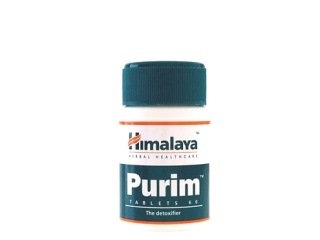
Purim (information for patients) — UK online pharmacy guide
Purim is a medicine used to treat certain parasitic infections in people. This page explains what Purim is, how it works, how it’s usually taken, key safety information, and what to consider with food, alcohol, and other medicines. It is written for patients in the United Kingdom and aims to help you use your medicine safely and effectively.
Important: Always follow the instructions provided with your medicine and those given by your healthcare professional. If you are unsure about the dose or timing, check your package label or patient information leaflet (if supplied).
Basic product information
- Medicine name: Purim
- Medicinal form: Tablets or capsules (exact form varies by product presentation)
- Strength: Varies by product
- Active ingredient: The active ingredient depends on the specific Purim product available in your region (please check your pack/leaflet)
- Who it is for: Adults and children (age-appropriate dosing depends on the infection and product strength)
- Where it’s used: Treatment of specific parasitic infections as indicated by UK clinical guidance
If you have the exact pack strength and active ingredient, keep this to hand—dosing and advice may differ between similar products.
What Purim is used for (indications)
Purim is used to treat selected parasitic infections. The exact indication depends on the active ingredient and formulation included in your Purim product.
Common parasitic conditions treated with medicines in this class may include infections such as:
- Threadworm (pinworm)—in some cases, depending on the exact active ingredient and local guidance
- Other intestinal worm infections—where appropriate to the specific parasite and product
- Other parasitic infestations—only when the medicine is indicated for that condition
Note: Parasitic infections can look similar. Treatment should match the organism causing infection. If symptoms are persistent or severe, seek medical advice.
How Purim works (mechanism of action)
The way Purim works depends on its active ingredient, but many antiparasitic medicines work by one or more of the following mechanisms:
- Disrupting the parasite’s energy processes (so the parasite cannot survive)
- Interfering with the parasite’s ability to absorb nutrients
- Targeting the parasite’s cells or structures to reduce survival and reproduction
In many infections, treatment is aimed at reducing adult parasites and preventing the infection from continuing. Sometimes an additional dose is needed to treat newly emerging parasites after eggs have hatched—your clinician or pack instructions will specify this if relevant.
How Purim is handled in the body (pharmacokinetics)
Pharmacokinetics describes how the body absorbs, distributes, metabolises, and eliminates the medicine. While exact details depend on the active ingredient and formulation, typical features for antiparasitic medicines include:
- Absorption: Absorption can vary depending on whether it is taken with or without food (see food interactions below).
- Distribution: The medicine and/or its active metabolites distribute through the body to reach the site of infection.
- Metabolism: Many are metabolised in the liver to less active compounds.
- Elimination: Clearance occurs mainly via the kidneys (urine) and/or bile/faeces, depending on the product.
Because pharmacokinetic data is highly specific to the exact active ingredient, please refer to your pack leaflet for details such as onset, peak levels, and half-life.
Typical use and timing
How it’s usually taken: Purim is commonly used as a short course. Some infections require a single dose, while others require a repeat dose after an interval to break the cycle of reinfection.
Typical timing advice (general):
- Take Purim at the same time(s) each day if there is more than one dose.
- Swallow tablets/capsules with water.
- Follow any instructions regarding repeating the dose (for example, repeating after a set number of days).
When to expect improvement: Symptom relief may occur within days, but complete eradication may take longer—especially if eggs hatch after treatment. If symptoms continue after the course, contact a healthcare professional.
Dosage guidance (how to take Purim)
Correct dosing depends on:
- the specific active ingredient in your Purim product
- the infection being treated
- the age and weight of the person taking it
- your kidney/liver function (if relevant)
Follow your pack or clinician’s instructions. Dosing differs between parasites and products, so the safest approach is to use the exact regimen provided with your medicine.
General dosing principles (patient-friendly)
- Do not exceed the recommended dose.
- If a repeat dose is part of the regimen, take it exactly on the scheduled day.
- If you accidentally miss a dose, do not double up without advice—check the leaflet or contact a pharmacist.
- For children, use only age/weight-appropriate dosing guidance.
If you can share the active ingredient and strength from your pack, dosing can be explained more specifically—but always confirm against your own leaflet.
Food interactions (take with or without food?)
Whether Purim should be taken with food depends on the active ingredient. Some medicines are better tolerated with food, while others have improved absorption when taken with or after a meal.
General advice:
- If your leaflet says with food, take it with a meal or snack.
- If your leaflet says on an empty stomach, take it at least some time away from meals.
- If you get an upset stomach, taking it with food may help—but confirm with your leaflet first.
Do not make changes to timing or routine unless the leaflet supports it. If you are unsure, ask a pharmacist.
Alcohol and medicine interactions
Alcohol advice depends on the active ingredient and your health status. In general:
- For many short antiparasitic courses, moderate alcohol is unlikely to cause major problems for healthy adults, but it may increase the risk of side effects such as dizziness, stomach upset, or nausea.
- If you feel unwell, avoid alcohol until you recover.
- If you have liver disease or heavy alcohol use, seek advice before taking Purim.
Medicine interactions: Purim may interact with other medicines, particularly those affecting liver enzymes or drug transport systems (depending on the active ingredient). Always tell a pharmacist about:
- all other medicines you take (including over-the-counter products)
- herbal supplements (e.g., St John’s wort)
- vitamins or mineral supplements
- any known allergies
Contact a pharmacist if you take medicines for epilepsy, anticoagulants (blood thinners), or long-term treatment for liver conditions—these may require specific checks.
Safety profile and side effects
Most people tolerate Purim well. However, like all medicines, it can cause side effects. The list below is general; your individual risk depends on the active ingredient and dose.
Common side effects
- Nausea
- Stomach discomfort or cramps
- Headache
- Dizziness
- Mild diarrhoea or constipation
- Fatigue
Less common but important side effects
- Allergic reactions (rash, itching, swelling)
- Worsening of symptoms in some infections due to parasite die-off (varies by condition)
- Changes in liver blood tests in susceptible individuals (if relevant to your active ingredient)
Seek urgent medical help if you get
- Signs of a serious allergic reaction: swelling of the face/lips, difficulty breathing, severe rash
- Severe or persistent vomiting, severe abdominal pain, or dehydration
- Yellowing of the skin/eyes (jaundice), dark urine, or severe fatigue (if concerning)
Who should be extra careful
- Pregnancy and breastfeeding: Use only if the medicine is considered appropriate for your situation by a healthcare professional. Some medicines require caution or alternative choice.
- Children: Use the correct formulation and dose based on age/weight.
- Liver or kidney problems: Dosing and monitoring may be needed depending on the active ingredient.
- History of medication allergy: Avoid if you have reacted to the active ingredient or similar medicines.
Practical tips for using Purim effectively
Medicines can treat the infection, but reinfection can happen if hygiene and household measures aren’t considered—especially for threadworm and similar conditions.
General practical advice
- Follow the full course exactly as directed, including any planned repeat dose.
- Hygiene matters: wash hands thoroughly, especially before eating and after using the toilet.
- Keep nails short and clean (helps reduce transfer of eggs/parasites).
- Use clean underwear and change daily.
- Wash bed linen and towels regularly (especially if instructed for your specific infection).
Household measures (important for some infections)
Some parasitic infections spread easily within households. Depending on the infection, it may be advised to treat close contacts at the same time. Follow UK public health guidance or clinician advice for your specific diagnosis.
- Treat household members if recommended.
- Clean shared bathrooms and high-touch surfaces.
- Encourage children to avoid scratching and to wash hands regularly.
Alternative options
Alternative treatments may be available depending on the parasite, the person’s age/weight, and local guidance. Alternatives can include:
- Other antiparasitic medicines in the same or different drug classes
- Supportive measures (hygiene, symptom relief) alongside specific anti-parasitic treatment
- In some complex cases, specialist evaluation may be needed
Choosing an alternative: The best option depends on the exact diagnosis. If you are not sure which parasite is involved, speak to a healthcare professional or pharmacist to avoid ineffective treatment.
Market and legal context in the United Kingdom
In the UK, medicines are regulated by the Medicines and Healthcare products Regulatory Agency (MHRA) and must meet strict standards for safety, quality, and labelling. The legal classification of a medicine (for example, whether it is pharmacy-only or available from prescription services) affects how it can be supplied.
When purchasing online, reputable UK pharmacies ensure that:
- products are sourced from authorised wholesalers
- packaging and leaflets are included as required
- customer information is collected to ensure safe supply
- the correct medicine and strength are delivered
Note: Availability can vary by product and strength. If a product is not suitable for your needs, a pharmacist may recommend an alternative.
Recent guidance and stewardship considerations (UK)
For parasitic infections, UK guidance generally focuses on:
- Accurate diagnosis where symptoms suggest parasitic infection
- Correct dosing and appropriate repeat doses if needed
- Household management to reduce reinfection
- Using medicines responsibly and avoiding unnecessary treatment
If you have repeated symptoms or treatment failure, it may indicate:
- reinfection from contacts
- incorrect diagnosis
- incorrect dose or timing
- underlying conditions that need further assessment
If symptoms persist despite correct use, consult a healthcare professional.
Delivery and availability (UK online pharmacy)
Purim availability may depend on the specific strength and form. Many UK online pharmacies aim to provide efficient delivery with options such as:
- Standard delivery (typically several working days)
- Express delivery (where available)
- Packaging and dispatch designed to protect products
What you can expect:
- Delivery to the address provided at checkout
- Tracking updates (for some delivery methods)
- Sealed packaging and leaflet information included
If you need the product for a specific date (e.g., travel or timing a household treatment plan), check estimated delivery times before ordering.
FAQ about Purim
1) How quickly does Purim start working?
Many people notice symptom improvement within a few days, but complete eradication can take longer. If symptoms are still present after completing the course, seek advice—reinfection or an incorrect diagnosis may be factors.
2) Should I repeat the dose?
Some parasitic infections require a repeat dose to treat newly hatched parasites. Your pack/leaflet or clinician instructions will specify whether a second dose is needed and on what day.
3) Can I take Purim with food?
It depends on the active ingredient. Your patient information leaflet will state whether it should be taken with or without food. If the leaflet is unclear, ask a pharmacist for guidance.
4) What if I miss a dose?
If you miss a dose, check your leaflet for instructions. In many cases, you should not double up. Contact a pharmacist to confirm the best action for your situation.
5) Can children take Purim?
Children can sometimes take antiparasitic medicines, but the dose must be age/weight appropriate and dependent on the exact active ingredient and formulation. Always use the correct product and follow the dosing instructions provided.
6) Are there any interactions with other medicines?
Potential interactions depend on the active ingredient. Tell your pharmacist about all medicines and supplements you take, including over-the-counter products and herbal remedies.
7) Is it safe to drink alcohol while taking Purim?
Alcohol guidance varies. Many people are advised to avoid alcohol if they feel unwell, and to be cautious if they have liver problems or are taking other interacting medicines. If in doubt, consult a pharmacist.
8) What hygiene measures should I follow?
Follow hygiene advice specific to the infection you’re treating. Generally, washing hands regularly, keeping nails short, changing underwear daily, and cleaning shared spaces helps prevent reinfection.
9) When should I seek medical advice?
Seek advice if you develop severe symptoms, signs of allergy, worsening illness, or no improvement after completing treatment. Urgent care is needed for breathing difficulties, facial swelling, or severe rash.
10) Are there alternative treatments?
Yes, alternatives may exist depending on the diagnosis and the active ingredient in Purim. A healthcare professional can advise the most suitable option for you.
Summary table (quick reference)
| Topic | What to know |
|---|---|
| What it treats | Selected parasitic infections (exact indication depends on your Purim active ingredient) |
| How it works | Typically disrupts the parasite’s survival processes |
| Timing | Often short course; may require a repeat dose depending on the parasite |
| With/without food | Follow your pack leaflet. Some medicines are better with food; others require fasting |
| Alcohol | Use caution; avoid if you feel unwell or if you have liver concerns |
| Common side effects | Nausea, stomach discomfort, headache, dizziness |
| When to get help | Severe allergy symptoms, severe pain/vomiting, or signs of liver problems |
| Reinfection prevention | Hygiene and possible household measures are often essential |
Need help choosing the right option? If you tell a pharmacist your age, the active ingredient/strength on your Purim pack (or a photo of the label), your symptoms, and any medicines you currently take, they can help you understand how to use it safely.