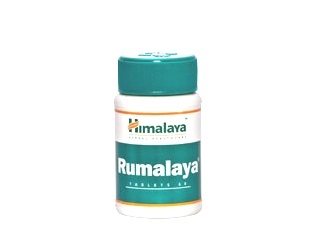
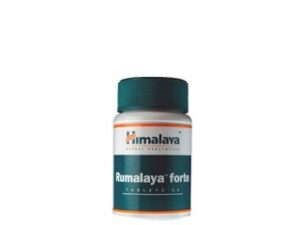
Rumalaya (Capsules/Tablets/Sachets) — Pain Relief for Musculoskeletal Conditions
Rumalaya is a herbal medicine traditionally used for relief of pain and inflammation associated with common musculoskeletal problems such as joint pain, stiffness, and muscle discomfort. It is marketed in the UK as a well-being medicine and is intended to support comfort and mobility.
This page provides practical, patient-friendly information about how Rumalaya may work, what it’s typically used for, and how to take it safely. Always read the product label and, if you have any concerns, speak to a pharmacist.
Basic product information
| Feature | What to know |
|---|---|
| Product name | Rumalaya |
| Type | Herbal medicine (formulation depends on the specific product strength/type available in the UK) |
| Common forms | Capsules / tablets / sachets (availability may vary by supplier) |
| Typical goal | Temporary relief of pain, stiffness, and discomfort from musculoskeletal conditions |
| How it’s used | Oral administration as directed on the pack |
| Who it may suit | People seeking non-prescription support for mild-to-moderate musculoskeletal pain (subject to individual suitability) |
Important: The exact ingredients and dosing instructions can vary by Rumalaya product type and strength. Please check your specific pack for the correct composition, dose, and instructions.
How Rumalaya works (mechanism of action)
Rumalaya contains multiple herbal ingredients, which may contribute to its overall effect. While herbal products can differ in composition, many Rumalaya formulations are intended to support:
- Anti-inflammatory activity: helping reduce inflammatory processes that contribute to pain and swelling.
- Pain-relieving effects: supporting comfort in muscles and joints.
- Reduced stiffness: assisting mobility in conditions where stiffness is a major symptom.
In practice, people often notice improvement in comfort as inflammation settles. Results can vary depending on the underlying cause of pain (e.g., strain, overuse, or chronic joint conditions).
Pharmacokinetics (how the body handles it)
For herbal medicines, full pharmacokinetic details (such as exact absorption, half-life, and metabolic pathways) may not be as extensively documented as for conventional single-ingredient drugs. However, the general expectations for oral herbal products are:
- Absorption: ingredients are absorbed through the gastrointestinal tract after oral dosing.
- Distribution: absorbed components distribute into tissues, including areas associated with pain.
- Metabolism and elimination: components are typically metabolised in the body and eliminated via natural routes.
- Onset: symptom relief may develop over hours for some people, and more consistently over several days with continued use.
Because Rumalaya formulations can vary, the best source of information about your specific product is the manufacturer’s pack instructions.
Typical uses and indications (what it’s for)
Rumalaya is commonly used to provide temporary relief of symptoms linked to musculoskeletal discomfort. Typical indications include:
- Joint pain (e.g., general aches and stiffness)
- Muscle pain and discomfort
- Stiffness associated with daily activity
- Support for mobility where pain limits movement
If you have severe, worsening, or persistent pain, or pain with fever, redness, marked swelling, or reduced function, it’s important to seek medical advice promptly.
When to take Rumalaya (timing and schedule)
Many people take Rumalaya as directed on the package, typically on a regular daily schedule rather than only when pain is at its worst. The goal is to maintain consistent support for comfort.
- Best timing: follow your product label for the recommended times per day.
- Consistency: taking it at similar times each day may help you judge its effects.
- Trial period: if you don’t notice any benefit after the recommended period on the pack, speak to a pharmacist.
If you are also using other pain relief medicines, check spacing and interaction information carefully (see sections below).
Food interactions
Food interactions for herbal combination products can depend on the ingredients and formulation. In general, most oral herbal medicines can be taken with or after food to improve tolerance.
- With meals: taking Rumalaya with food may help reduce stomach upset for some people.
- Empty stomach: if your pack instructions allow empty-stomach dosing, follow them; if you experience nausea, switch to taking with food.
To ensure you follow the safest approach for your specific product, always follow the instructions on the pack. If you have a sensitive stomach or reflux, consider taking it with a meal.
Alcohol and medicine interactions
While Rumalaya is a herbal medicine, it’s still wise to consider the general interaction principles: alcohol can worsen inflammation for some people, contribute to dehydration, and increase stomach irritation—especially if you’re also using other pain-relief products.
Alcohol
- Recommendation: avoid or limit alcohol while taking Rumalaya, especially if alcohol aggravates your symptoms.
- Practical caution: if your symptoms flare after drinking, stop alcohol and discuss options with a pharmacist.
Interactions with other medicines
Interaction information can vary by formulation. Some herbal ingredients may theoretically affect metabolism, and there can also be additive effects on the stomach. Before taking Rumalaya alongside other medicines, consider:
- Blood-thinning medicines (anticoagulants/antiplatelets): ask a pharmacist for advice.
- Diabetes medicines: herbal products may occasionally influence glucose control.
- Anti-inflammatory or pain medicines: you may be using additional treatments—ensure your overall plan is safe.
- Medicines for liver or kidney conditions: discuss suitability with a healthcare professional.
If you take any regular medicines, it’s best to check with a pharmacist—particularly if you have chronic conditions.
Dosing (how much to take)
Dosing must be based on the specific Rumalaya product you purchase and the instructions on the pack. Common dosing patterns in herbal products include daily administration one to three times per day.
Follow these pack-specific instructions:
- Use the dose stated on your label (number of capsules/tablets or sachet amount).
- Do not exceed the recommended daily dose.
- If you miss a dose, take it when you remember unless it is close to the next dose—then skip the missed dose and continue as normal.
If you’re unsure which dosing schedule applies to your particular Rumalaya product, please check the product details listed on your specific item page or consult a pharmacist.
Safety profile and side effects
Like all medicines, Rumalaya may cause side effects in some people. Most reactions, when they occur, are mild and resolve after stopping or adjusting the dose.
Common potential side effects
- Gastrointestinal discomfort such as nausea, stomach upset, or indigestion
- Heartburn in sensitive individuals
- Headache or general discomfort (uncommon)
Seek urgent medical advice if
- You develop signs of an allergic reaction (e.g., swelling of the face/lips, rash, difficulty breathing)
- Your symptoms become severe or rapidly worsen
- You experience persistent vomiting, severe abdominal pain, or any red-flag symptoms
Who should be extra cautious
- Pregnancy and breastfeeding: check with a healthcare professional before use.
- Children: suitability depends on age and formulation; consult a pharmacist.
- People with liver disease: discuss with a pharmacist due to herbal ingredient variability.
- People with history of allergies to herbal preparations.
If you are taking other therapies for joint or muscle conditions, safety checks are especially important.
Practical use tips
These tips can help you get the most from Rumalaya while supporting overall joint and muscle comfort:
- Follow the label strictly and keep to a consistent schedule.
- Take with food if you notice any stomach discomfort.
- Stay active safely: gentle movement (e.g., stretching or short walks) can complement pain relief.
- Heat/cold therapy: many people find heat helpful for stiffness and cold for acute flare-ups.
- Track your response: note changes in pain/stiffness over several days to assess whether it’s helping.
- Consider posture and ergonomics: reduce strain on joints and muscles where possible.
If your pain is linked to an injury, repetitive strain, or an underlying inflammatory condition, Rumalaya may be supportive but should not replace appropriate diagnosis and treatment.
Alternative options (UK-friendly)
If you decide Rumalaya isn’t suitable or you want to consider other approaches, several alternative options may be available in the UK, depending on your symptoms and preferences.
Non-medicine approaches
- Exercise and physiotherapy (strengthening and range-of-motion work)
- Heat therapy for stiffness and muscle tightness
- Cold therapy for acute soreness after activity
- Ergonomic changes to reduce ongoing strain
Over-the-counter options
- Topical pain relief gels/creams (for localised muscle or joint discomfort)
- Oral pain relief medicines where appropriate (always follow NHS/pharmacy guidance and label instructions)
- Other herbal/complementary products (only if compatible with your health conditions and other medicines)
A pharmacist can help you choose a safe alternative based on your health history and what else you’re taking.
Market and legal context in the United Kingdom
In the UK, herbal products and “well-being” medicines fall under regulatory frameworks designed to support safe use and appropriate claims. Medicines are categorised according to the evidence available for their use and how they’re marketed.
For products like Rumalaya sold online, it’s important that:
- Packaging and instructions are provided clearly (dose, warnings, and who should avoid use).
- Claims are consistent with what the product is permitted to claim in the UK market.
- Safety guidance is followed, especially for people with chronic illnesses, allergies, or who take regular medicines.
If you would like the most accurate product-specific legal status (e.g., classification or registration), check the label details on the item you order, or ask a pharmacist.
Recent guidance and reminders (what matters for safe use)
Guidance around pain relief and self-care in the UK generally emphasises:
- Use appropriate duration and review: if symptoms do not improve, seek advice rather than continuing indefinitely.
- Watch for warning signs: fever, swelling, redness, sudden severe pain, or numbness requires prompt review.
- Check interactions: herbals can still interact with some medicines, and alcohol may worsen side effects.
For the most current national advice on pain management and musculoskeletal symptoms, you may also consult reputable NHS information.
Delivery and availability in the UK
Rumalaya is typically available through online pharmacies and approved sellers. Availability can vary based on: product form (capsules/tablets/sachets), pack size, and stock levels.
- Delivery: UK delivery options and estimated dispatch times are usually shown at checkout.
- Packaging: items are supplied in original manufacturer packaging with clear labels.
- Availability: if a product is out of stock, you may see alternatives or restock notifications (where offered).
If you need a specific format (for example, capsules vs sachets), check the product listing carefully before ordering.
FAQ
1) What is Rumalaya used for?
Rumalaya is commonly used to support temporary relief of pain and stiffness associated with musculoskeletal discomfort, such as joint pain and muscle aches. It is intended for everyday comfort and mobility.
2) How quickly will it work?
Some people notice changes within a short period, while others benefit more gradually with regular use. If you don’t notice improvement within the timeframe recommended on your pack, speak to a pharmacist.
3) Can I take Rumalaya with food?
Often yes. If your pack instructions allow it, taking Rumalaya with meals may improve comfort and reduce the chance of stomach upset. Follow the dosing guidance on your label.
4) Can I drink alcohol while taking Rumalaya?
It’s generally safest to limit alcohol. Alcohol can irritate the stomach and may make pain or inflammation worse for some people. If you drink alcohol and notice worsening symptoms, avoid alcohol and seek advice.
5) Are there interactions with other medicines?
Herbal products can interact with certain medicines. If you take regular medication—especially blood thinners, diabetes medicines, or treatments for chronic liver conditions—check with a pharmacist before use.
6) Who should not use Rumalaya?
Suitability varies by individual and product formulation. In general, be extra cautious if you are pregnant, breastfeeding, treating a child, or have known allergies or significant liver disease. Always consult the pack warnings and a pharmacist if unsure.
7) What should I do if I miss a dose?
Take it when you remember unless it’s close to the next dose. If it is close, skip the missed dose and continue as normal. Do not double up.
8) What if my pain gets worse?
Worsening pain, severe swelling, redness, fever, or symptoms that do not improve should be assessed promptly. Seek medical advice rather than only relying on self-care products.
9) What are suitable alternatives if Rumalaya isn’t right for me?
Alternatives may include topical pain relief, other over-the-counter options (where appropriate), or non-medicine approaches such as physiotherapy, stretching, and heat/cold therapy. A pharmacist can help you choose safely.
10) Is Rumalaya available across the UK?
Availability depends on stock and format. Check the product page for delivery options and estimated times within the UK.
Final reminder
Rumalaya may be a supportive option for temporary relief of musculoskeletal pain and stiffness. For the safest and most effective use, follow the pack instructions, consider taking it with food if needed, and get professional advice if you have ongoing or severe symptoms, allergies, or take other medicines.